Getting Into the Owl Creek Mountains
The Owl Creek Mountains in Wyoming present an intriguing challenge for hunters, often holding strong populations of big game but guarding them within a labyrinth of varied terrain and complex land ownership. It's easy to feel overwhelmed trying to figure out where to start, what to expect, and how to legally access the most promising hunting grounds. This guide aims to demystify hunting in the Owl Creek Mountains, providing a roadmap for planning your adventure and navigating its unique landscape.
Overview of the Owl Creek Mountains Hunting Area
Nestled between the Wind River Basin to the south and the Bighorn Basin to the north, the Owl Creek Mountains are a rugged, often overlooked gem for hunters. This isn't your roadside hunting destination; it demands preparation and a willingness to explore. The range itself isn't particularly high compared to the giants of the Tetons or Winds, but its broken terrain, deep canyons, and scattered timber pockets create ideal habitat for a variety of big game species. The very difficulty of access in some areas often means less pressure on the animals, offering a more genuine wilderness experience for those willing to earn it.
Geographical Features and Access Points
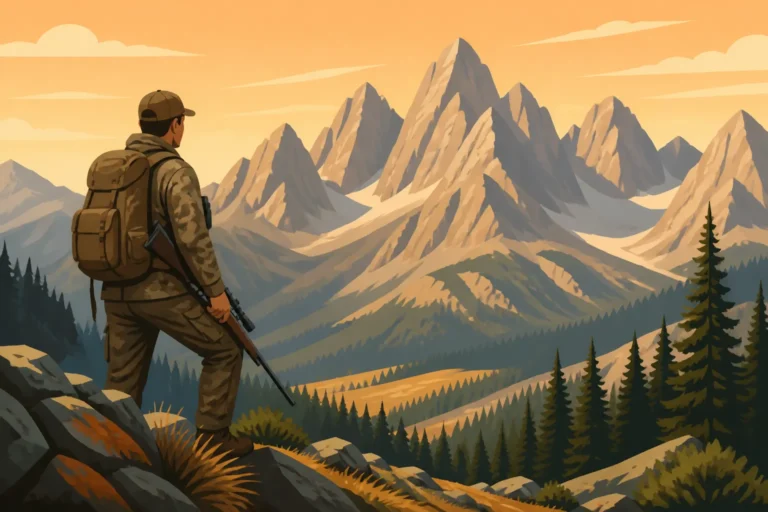
The Owl Creek Mountains are characterized by their diverse topography, ranging from sagebrush-covered foothills and rolling benches to steep, rocky slopes and patches of pine and juniper timber at higher elevations. Drainages like Badwater Creek and Alkali Creek carve through the landscape, providing critical water sources and travel corridors for wildlife. This broken country is what makes it so appealing to big game, providing ample cover and varied forage.
Access into the range is primarily via a network of county roads and two-track trails that spiderweb off major highways like US-20/26. Some of these roads are well-maintained, but many quickly deteriorate into rough, high-clearance four-wheel-drive territory, especially after wet weather. Expect to encounter gates—always close them behind you—and understand that many of these routes will eventually lead to private land or landlocked public parcels. It's crucial to know exactly where you are and what the land status is at all times. Vehicle access often gets you into the general vicinity, but the real hunting often begins on foot, pushing into the roadless areas and deeper canyons where the biggest animals tend to hide.
Primary Game Species and Seasons
The Owl Creek Mountains are renowned for their healthy populations of mule deer and, increasingly, elk. Pronghorn can also be found in the lower, more open country around the fringes of the range. For those seeking something smaller, there are opportunities for sage grouse in the vast sagebrush flats and various small game throughout the timbered draws.
Mule deer often thrive in the mixed habitat of the Owl Creeks, using the sagebrush benches for feeding and the timbered slopes and rocky bluffs for cover. Elk numbers have been steadily climbing in many parts of Wyoming, and the Owl Creeks are no exception. These mountains provide the seclusion and diverse forage elk need to flourish, though they can be incredibly elusive in the steep, brushy terrain. Hunters often target these species during the archery seasons in late summer and early fall, taking advantage of more predictable animal patterns and less hunting pressure, before the general rifle seasons begin. Be sure to check the specific hunt area regulations for the Owl Creeks as they can vary annually and by species, dictating season dates, weapon types, and bag limits. For elk, you might encounter specific license types, such as those covered by What a Wyoming Type 1 Elk License Means or Which Animals a Type 6 Elk License Covers.
Navigating Public and Private Land Challenges
Hunting in Wyoming, especially in areas like the Owl Creek Mountains, often means confronting the reality of a patchwork land ownership map. Large swaths of public land administered by the Bureau of Land Management (BLM) and the Forest Service are intertwined with private ranchlands, creating a checkerboard pattern that can frustrate even seasoned hunters. Understanding these boundaries and knowing how to legally access hunting areas is paramount to a successful and lawful hunt. The biggest challenge isn't always finding game, but finding game on land you're permitted to hunt.
Understanding Land Status with Mapping Tools
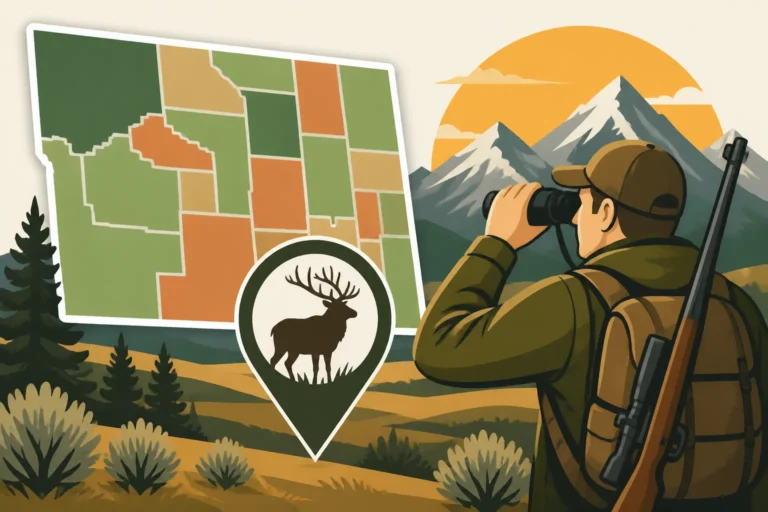
Gone are the days of relying solely on paper maps and hoping for the best. Modern mapping applications are absolutely essential for hunting in the Owl Creek Mountains. Tools like onX Hunt have revolutionized how hunters navigate complex land ownership. With a subscription, you can see real-time land ownership boundaries overlaid on satellite imagery, topographic maps, and even hybrid views. This allows you to differentiate between public land, private land, state trust land, and other jurisdictions instantly.
Before you even leave home, use a tool like onX Hunt to e-scout your chosen hunt area. Look for large contiguous blocks of public land, identify potential access points, and pinpoint areas where public land might be "landlocked" by private holdings. Many hunters also use these maps to identify pinch points, travel corridors, and bedding areas on public ground adjacent to private sanctuaries. Remember that while these apps are incredibly accurate, they are not always the final word; always cross-reference with physical signage and understand local regulations. Another excellent resource for planning and comparing hunt areas, including historical draw odds, is GoHunt, which can give you insights into hunting pressure and success rates in specific units. For a deep dive into planning your hunt from afar, check out E-Scouting a Unit Before the Season Opens.
Legal Access Methods and Restrictions
Just because a piece of public land exists doesn't automatically mean you can drive right to it. Access to public ground in the Owl Creek Mountains can be obtained through several legal methods:
- Public Roads: Many two-track roads are legally designated public access routes. These are often marked on mapping apps. Drive or walk these roads to reach public land.
- Adjoining Public Land: If you're on a piece of public land, you can typically walk onto an adjacent piece of public land without issue. This is a common strategy to access deeper, less-pressured areas. For more details on this, see Walking In From Bordering Public Land.
- Navigable Waterways: If a river or creek is considered "navigable" by state law, you may be able to float or wade it to access public lands that border the waterway. However, the banks themselves are often private, so understanding these nuances is critical.
- Permission from Private Landowners: The simplest, though not always easiest, way to cross private land to reach public ground is to ask the landowner for permission. A friendly knock on the door or a phone call can sometimes open up otherwise inaccessible areas. Always be respectful, offer to share contact information, and follow any rules they set.
- Corner Crossing: A recent ruling has clarified the legality of "corner crossing" in Wyoming, allowing hunters to step from one piece of public land to another at a common corner point, even if the quadrants immediately diagonal are private. However, you cannot touch private land or pass through its airspace. This is a nuanced area, and it's vital to understand the specifics, which are explored in Corner Crossing Is Legal in Wyoming, With Limits Worth Knowing.
It's also important to be aware of areas specifically designed to enhance public access, such as those within the How Wyoming's Access Yes Program Works initiative. These programs lease private land or gain easements to allow public hunting. Always check the Wyoming Game and Fish Department website for the most current information on these access areas, as they can change annually.
Planning Your Hunt in the Owl Creek Mountains
A successful hunt in the Owl Creek Mountains isn't just about drawing a tag; it's about meticulous preparation. This area demands more than a casual approach, from understanding animal behavior to ensuring your gear and body are ready for the challenge. Think of your hunt as an expedition, even if it's just a weekend trip.
Scouting and E-Scouting Techniques
Effective scouting is the bedrock of a successful hunt, especially in an area as diverse and rugged as the Owl Creek Mountains.
- E-Scouting: Before you ever set foot in the field, spend hours e-scouting with tools like onX Hunt and GoHunt. Look for key features:
- Water Sources: Even small springs or seeps are vital in arid environments. Game will often be concentrated around them.
- Cover: Dense timber, north-facing slopes, and deep canyons provide security cover where animals will bed.
- Food Sources: Identify open slopes with good forage, especially important for elk and deer.
- Travel Corridors: Look for saddles, benches, and drainage bottoms that animals use to move between feeding, bedding, and watering areas.
- Access Points & Road Systems: Plan your entry and exit routes, noting where motorized travel ends and foot travel begins. Understand how to use The Grid Glassing Method, Step by Step to systematically cover terrain virtually.
- Physical Scouting (if possible): Nothing beats boots on the ground. If you can visit the area before the season, even for a day or two, it can provide invaluable insights. Look for fresh sign—tracks, scat, rubs, wallows (for elk)—and observe how animals use the terrain. This also helps you assess the physical demands of the area. Pay attention to wind currents and thermals, which are critical for an open-country stalk, as detailed in Reading Wind on an Open-Country Stalk.
- Trail Cameras (where legal): Some areas allow trail camera use. If permitted, placing cameras on game trails or near water sources can help confirm animal presence and patterns. Be sure to check Trail Camera Rules on Wyoming Public Land before deploying them.
Essential Gear and Physical Preparedness
The Owl Creek Mountains will test you physically, and your gear needs to be up to the task. This is not the place to skimp on quality or bring unproven equipment.
- Clothing: Layers are crucial. Wyoming weather can be notoriously unpredictable, with warm days quickly turning into cold nights or sudden snow squalls, even in September. Pack good rain gear, insulation, and comfortable hiking boots that are well broken in.
- Optics: High-quality binoculars and a spotting scope are non-negotiable for glassing the vast, open country and timbered slopes. Consider the Optics Power for Wyoming's Long Sightlines to maximize your viewing range. A good rangefinder is also vital for ethical shot placement.
- Navigation: While apps like onX Hunt are powerful, always carry a physical map and compass as a backup, and know how to use them. A GPS device can also be a valuable redundancy.
- First Aid and Safety: A comprehensive first-aid kit, emergency shelter, fire starter, and water purification system are essential. Consider carrying a satellite communication device, as cell service will be spotty to non-existent in much of the Owl Creeks.
- Physical Fitness: Start a rigorous training regimen well before your hunt. Focus on cardiovascular endurance, leg strength, and carrying a weighted pack over uneven terrain. You'll be climbing steep hills, navigating rocky washes, and potentially packing out an animal from miles away. Physical Conditioning for a Mountain Hunt is not just a suggestion; it's a requirement for a safe and enjoyable experience in rugged areas like this.
Common Challenges and Local Considerations
Hunting the Owl Creek Mountains isn't without its unique challenges. Beyond the complexities of land access and the physical demands, hunters must be prepared for variable weather and ethical considerations that are critical to maintaining the integrity of the sport.
Weather Variability and Terrain Demands
One of the most significant challenges in the Owl Creek Mountains, like much of Wyoming, is the unpredictable weather. Early archery seasons can bring scorching hot days, making hydration and meat care critical. However, by late September or October, you can easily encounter significant snowfall and freezing temperatures. Strong winds are a constant factor, impacting scent control, shot placement, and even simply hiking across exposed ridges. Always check the forecast leading up to your hunt, but pack for all four seasons, as conditions can change rapidly throughout the day.
The terrain itself presents its own set of demands. While not as high in elevation as some other ranges, the Owl Creeks are steep and broken. Expect to navigate loose scree, thick brush, and rocky climbs. The lack of extensive trail systems means you'll often be bushwhacking or following game trails, which can be physically taxing and slow your progress. A good pair of hiking poles can save your knees and provide stability on steep descents or river crossings. Getting into shape is crucial for navigating this country safely and effectively.
Respecting Wildlife and Ethical Hunting Practices
Hunting in the Owl Creek Mountains offers a chance to connect with nature on a deep level, but it also comes with a responsibility to uphold ethical hunting practices and respect the wildlife and the land.
- Shot Placement and Retrieval: The open, broken country of the Owl Creeks often presents long-range shot opportunities. Know your effective range and stick to it. Practice shooting in field positions, and be prepared for follow-up shots. A wounded animal can quickly disappear into the rough terrain, leading to lost game. Always be patient and ensure a clean kill. Understand Realistic Archery Practice Distance for Big Game if you are bowhunting.
- Meat Salvage: Wyoming has strict wanton waste laws. If you harvest an animal, you are legally required to salvage all edible portions of the meat. In warm weather, this means having a plan for immediate field dressing and cooling. Pack game bags and consider how you will get the meat out of the backcountry efficiently. For more on this, see The Meat Salvage Requirements for Big Game.
- Respect for Private Property: Even with mapping tools, always be vigilant about land boundaries. If you inadvertently cross onto private land, immediately back out the way you came. Never shoot across private property onto public land without explicit permission. Your actions reflect on all hunters.
- Minimal Impact: Practice Leave No Trace principles. Pack out everything you pack in, including spent shell casings and trash. Avoid driving off-road where not permitted, and be mindful of your impact on the delicate high-desert ecosystem. Maintaining good relationships with landowners and respecting the environment ensures these hunting opportunities remain for future generations.
| Aspect | Description | Considerations for Owl Creek Mountains |
|---|---|---|
| Terrain | Varied, from sagebrush foothills to steep, timbered canyons. | Rugged, requires good physical fitness and sturdy footwear. |
| Access | Mix of county roads, two-tracks, leading to public and private lands. | Crucial to use mapping apps like onX Hunt; high-clearance 4×4 often necessary. |
| Primary Game | Mule Deer, Elk, Pronghorn (lower elevations), Sage Grouse, Small Game. | Elk and deer are the main draws; less pressure in deeper areas. |
| Seasons | Archery (late summer/early fall), General Rifle (fall). | Check specific hunt area regulations, often varies by weapon and species. |
| Land Ownership | Checkerboard of BLM, Forest Service, State Trust, and private ranches. | Pre-scouting with onX Hunt is vital; understand corner crossing rules. |
| Weather | Highly unpredictable; can range from hot to freezing, with strong winds. | Pack layers for all conditions; monitor forecasts closely. |
| Physical Demands | Moderate to high; steep climbs, long hikes, packing heavy loads. | Serious physical conditioning is a must. |
| Navigation | GPS and mapping apps (onX Hunt) are essential; carry paper map and compass. | Cell service is limited; satellite communication recommended. |
Getting into the Owl Creek Mountains isn't a walk in the park, but for those willing to put in the effort, it offers a challenging and rewarding hunting experience steeped in the wild heart of Wyoming. The satisfaction of harvesting an animal in such a rugged, beautiful place is unmatched.
Disclaimer
This article is for general informational purposes only and does not constitute professional advice. Laws, prices and regulations vary by location and change over time. Consult a qualified professional for guidance on your specific situation.