Hunting the Gros Ventre Wilderness
The Gros Ventre Wilderness, a wild heartland nestled within Wyoming's vast expanses, beckons with the promise of true backcountry adventure. However, for many hunters, the sheer scale and untamed nature of this area can feel overwhelming. You're facing a landscape that demands respect, meticulous planning, and a deep understanding of its unique challenges. This guide is here to walk you through what it really means to hunt the Gros Ventre, equipping you with the knowledge to approach this incredible country with confidence and realism.
Understanding the Gros Ventre Wilderness Landscape
Stepping into the Gros Ventre Wilderness is like stepping back in time. This isn't your average hunting unit with easy road access and well-trodden trails. It's a place that forces you to earn every step, every view, and every opportunity. It's precisely this wildness that makes it so appealing, but also so challenging.
Geography and Terrain
The Gros Ventre range is a majestic, rugged collection of mountains characterized by towering peaks, deep canyons, vast timbered slopes, and the life-giving drainages of the Gros Ventre River and its tributaries. Elevations here soar, with many hunting areas sitting well above 8,000 feet, and some peaks reaching over 11,000 feet. This isn't just a number on a map; it translates directly into thinner air, steeper climbs, and rapid changes in weather.
The terrain varies dramatically, from open alpine meadows and sprawling sagebrush flats in lower elevations to dense, dark timber patches that cling to mountainsides, often choked with deadfall. Above timberline, you'll find rocky scree fields and high plateaus, offering expansive views but also exposing you to the elements. This mix of cover and open country dictates how game moves and where they seek refuge. Elk might be found in the high timber during early season, dropping to lower, more open country as snow pushes them. Mule deer often stick to the more open, broken country and rimrock areas, while moose prefer the willow-choked creek bottoms. Understanding these micro-habitats and how they relate to the broader geography is paramount. Navigating these varied landscapes requires not just physical stamina but also keen navigational skills and an intimate knowledge of how to read the land.
Wildlife and Game Species
The Gros Ventre Wilderness is renowned for its diverse big game populations. For many, the ultimate draw is the chance to hunt Elk Hunting the Wind River Wilderness, often in large herds that migrate through this area. These elk are true wilderness animals, wary and accustomed to little human pressure, making them a significant challenge for even experienced hunters. You'll find both resident herds and migratory elk that move between the wilderness and surrounding national forest lands.
Beyond elk, healthy populations of mule deer call the Gros Ventre home. These high-country bucks grow big, but they are masters of concealment in the broken terrain and timber. Moose, a species that requires incredible luck and many years of preference points to draw a tag for, thrive in the riparian zones and willow bottoms throughout the wilderness. Bighorn sheep also inhabit the steepest, most remote peaks, presenting one of Wyoming's most physically demanding hunts for those fortunate enough to draw a tag. Black bears are common, and the area borders known grizzly country, adding an extra layer of awareness to every hunt. Recognizing the presence of various game and understanding their habitat preferences is crucial for tailoring your scouting and hunting efforts within the vastness of Gros Ventre.
Navigating Access and Regulations for the Gros Ventre
Hunting the Gros Ventre Wilderness isn't just about finding game; it's about understanding the unique set of rules and access challenges that come with any designated wilderness area. This isn't a place where you can drive your ATV to a glassing knob or set up a comfortable base camp by the road.
Entry Points and Trail Systems
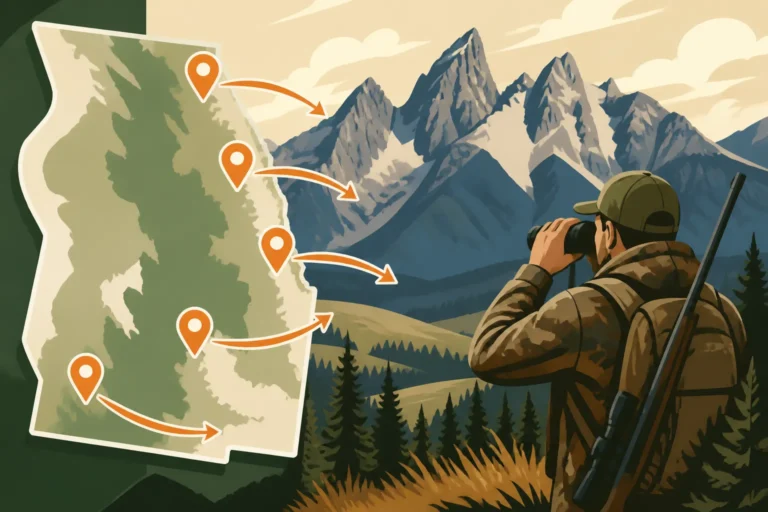
Access into the Gros Ventre Wilderness is strictly limited to non-motorized means. This means horses, mules, or your own two feet. There are several main trailheads that serve as entry points, typically found along the paved and gravel roads bordering the wilderness boundary. Popular access points might include areas along the Gros Ventre Road east of Jackson, or more remote trailheads deeper in the Bridger-Teton National Forest. It's critical to know precisely where the wilderness boundary begins, and to respect it implicitly. Using a mapping application like onX Hunt can be incredibly valuable here, as it clearly delineates wilderness boundaries, private property, and different land statuses, helping you stay legal and on track. Before you even set foot on a trail, spend considerable time researching these access points and understanding the network of trails that penetrate the wilderness. These trails, while often maintained, can be steep, rocky, and sometimes difficult to follow, especially in late season with snow cover. Planning your route, including potential emergency egress points, is an absolute must.
Wilderness-Specific Rules and Permits
The Gros Ventre Wilderness falls under the umbrella of federal wilderness regulations, which are designed to preserve its primitive character. This means a strict "Leave No Trace" ethic is enforced. You'll need to pack out everything you pack in, including all trash and waste. Campfires are often restricted to established fire rings or specific areas, and you'll need to know if any fire bans are in effect. Wilderness Rules Every Wyoming Nonresident Should Know are not just suggestions; they are legally binding.
One of the most significant regulations for non-residents is Wyoming's guide law. If you're a non-resident hunting elk, moose, bighorn sheep, or mountain goat within a designated wilderness area like the Gros Ventre, you are legally required to employ a licensed professional outfitter or be accompanied by a resident Wyoming guide. This is a critical point that can catch many first-time wilderness hunters off guard. The Wilderness Guide Rule for Elk Hunters is not something you want to violate. It is designed to ensure safety and responsible use of these fragile ecosystems. While it might add to the cost, working with a reputable outfitter who is familiar with the Gros Ventre can dramatically increase your chances of success and safety. Additionally, remember that Motorized Limits Inside Wyoming Wilderness mean no e-bikes, ATVs, or even chainsaws within the wilderness boundary; everything must be done with manual tools and muscle power.
Planning Your Gros Ventre Wilderness Hunt
A successful hunt in the Gros Ventre Wilderness isn't accidental; it's the result of diligent, thoughtful planning that goes far beyond just drawing a tag. This is where the rubber meets the road, where your preparation directly impacts your experience and safety.
Essential Gear and Physical Preparation
When you're miles deep in the Gros Ventre, there's no popping back to the truck for forgotten gear. Every item in your pack needs to be meticulously chosen for its utility, durability, and weight. Think ultralight but rugged. This includes reliable navigation tools (GPS with extra batteries, satellite communication device, paper maps, compass), water filtration, a high-quality shelter capable of withstanding severe mountain weather, cooking system, and enough food for your planned stay, plus a few extra days for emergencies. Layered clothing is crucial, as temperatures can swing wildly from freezing nights to warm days, and rain or snow can appear without warning. Good optics are non-negotiable for effectively Glassing Wyoming Basins Before You Take a Step in this expansive country.
Beyond gear, your physical condition is paramount. Hunting the Gros Ventre means ascending and descending thousands of feet of elevation daily, often carrying a heavy pack. Preparing for Altitude on a Wyoming Hunt is a real concern; if you live at sea level, arriving a few days early to acclimatize can make a significant difference. Regular cardiovascular exercise, strength training, and hiking with a weighted pack are all excellent ways to get ready. Don't underestimate the strain this type of hunting puts on your body; it will test your limits.
Scouting and Strategy
Effective scouting for a Gros Ventre hunt begins long before you hit the trail. E-scouting from home using tools like onX Hunt or GoHunt is invaluable. These platforms allow you to study terrain, identify potential bedding areas, glassing points, water sources, and escape routes. Look for pinch points, saddles, benches, and south-facing slopes that might hold early or late season game. You can pinpoint historical game migrations and better understand the unique challenges of the area. E-Scouting a Unit Before the Season Opens can save you days of unproductive hiking once you're on the ground.
Once you're in the wilderness, your strategy needs to adapt to the environment. Game here is less pressured than in roaded units, but they are still wild and wary. Patience and stealth are key. Understanding prevailing wind patterns, especially in drainages, is crucial for your approach. Long-range glassing from a good vantage point allows you to locate animals without disturbing them. You might then plan a meticulous stalk, using the terrain to your advantage. How Close a Bowhunter Really Needs to Get in this type of country often involves extremely careful movements through thick timber or across open slopes. Consider the timing of the rut for elk or deer if you're hunting during those periods, as it influences their behavior and vocalizations. If you're using a Pack String Outfitters Working in Wyoming service, they often have intimate knowledge of game movements and can help guide your strategy.
Dealing with the Realities of Wilderness Hunting
The Gros Ventre Wilderness offers an unparalleled hunting experience, but it’s not without its distinct challenges. A realistic understanding of these difficulties is crucial for both safety and success.
Weather and Environmental Challenges
Mountain weather is famously unpredictable, and in the Gros Ventre, this holds especially true. A beautiful sunny morning can quickly turn into a raging thunderstorm with hail, or even an early-season snowstorm. Temperatures can plummet, and exposed ridges become dangerous with high winds. Hypothermia is a real threat if you’re not prepared with appropriate rain gear, warm layers, and a robust shelter. Always check the forecast before you head in, but be prepared for the unexpected. Packing extra food and fuel is a wise precaution in case you get weathered in for a day or two.
Beyond the weather, the Gros Ventre is home to large predators, including black bears and, importantly, grizzly bears. This means diligent Bear Safety Practices in an Outfitter Camp are mandatory. Bear spray should be readily accessible, not buried in your pack. You must practice proper food storage, hanging food and scented items away from camp, or using bear-resistant canisters. Being aware of your surroundings, making noise when traveling through dense cover, and knowing how to respond to an encounter are vital skills for hunting in this region. This is part of the wildness of the Gros Ventre; respecting its inhabitants is part of the experience.
Packing Out Your Game
Perhaps the most physically demanding aspect of hunting in a true wilderness area like the Gros Ventre is the process of packing out your animal. There are no roads, no ATVs, and often, no easy trails once you’ve tracked down your game. A downed elk, for example, could be miles from the nearest trailhead, in steep, broken country. This means quartering the animal in the field, meticulously caring for the meat, and then making multiple trips under heavy loads.
This is where planning truly pays off. Knowing how to efficiently field dress and butcher an animal is critical. Field Dressing and Carcass Transport Rules Explained should be second nature. The terrain dictates how many trips you'll need and how long each one will take. If you’re hunting with horses, the task is still arduous but more manageable. If on foot, ensure you have a strong, comfortable pack frame and are physically conditioned for the heavy lifting. This aspect of the hunt is often overlooked by first-timers, but it can be the biggest challenge of all. It’s a true test of grit and determination, but the reward of knowing you earned that meat from the depths of the Gros Ventre Wilderness is immeasurable.
| Consideration | Wilderness Hunt (Gros Ventre) | Non-Wilderness Hunt (Accessible Units) |
|---|---|---|
| Access | Foot or horseback only, often miles from roads | Vehicle access often near hunting areas, ATVs/UTVs may be permitted |
| Pressure | Generally lower human pressure, more wary animals | Higher human pressure, animals may be more accustomed to disturbance |
| Regulations | Strict "Leave No Trace," guide requirements for non-residents | More varied, less restrictive rules, no guide requirement |
| Physical Demand | Extremely high: steep terrain, high altitude, heavy pack outs | Variable, can be less strenuous with easier access and game retrieval |
| Gear | Ultralight, durable, self-sufficient, satellite comms | Less critical on weight, more flexibility for extra gear |
| Game Retrieval | Manual quartering, multiple trips on foot/horseback | Vehicle access, easier game retrieval, potentially ATV/UTV use |
| Predator Exposure | Higher likelihood of grizzly encounters, robust bear safety | Lower likelihood of grizzlies in most areas, but still possible |
Disclaimer
This article is for general informational purposes only and does not constitute professional advice. Laws, prices and regulations vary by location and change over time. Consult a qualified professional for guidance on your specific situation.