What Semi-Guided Actually Means on a Hunt
Hunting in Wyoming offers incredible opportunities, but let's be honest, not every hunter has the budget for a full-service guided experience, nor does everyone want to go completely solo in unfamiliar country. Many of us find ourselves in that middle ground, seeking a little help without losing our independence. This guide is all about shedding light on what a "semi-guided" hunt truly entails, helping you decide if it's the perfect fit for your next western adventure.
The Nuance of "Semi-Guided": More Than Just a Little Help
The term "semi-guided" can feel a bit vague, almost like a polite shrug when you ask for details. It’s not quite a fully outfitted, soup-to-nuts experience where someone’s holding your hand from sunrise to sunset, and it’s definitely not the pure do-it-yourself grind of figuring everything out from scratch. Instead, it occupies a fascinating and often highly valuable space in between, designed for hunters who have some experience but crave local knowledge, logistical support, or access they couldn't get on their own.
Understanding the Spectrum of Services
Think of hunting services on a sliding scale. At one end, you have the DIY hunter: they plan everything, scout, pack their own horses or backpack, call their own animals, and recover game themselves. This is often the most budget-friendly but demands the most preparation and self-reliance. On the other end, there’s the fully guided hunt, where an outfitter provides everything from lodging and meals to daily transportation, hands-on guiding, calling, tracking, and recovery. Your guide is with you every step of the way, helping you make decisions in the field.
A semi-guided hunt fits squarely in the middle, and the exact services can vary wildly from one outfitter to another. This is where the expectation gap often forms. Some hunters hear "semi-guided" and imagine a guide pointing them in the right direction each morning and picking them up at night. Others envision an outfitter simply granting access to private land and maybe offering some maps. The key is that it typically involves less direct, in-field guidance than a fully guided trip, but more support than a pure DIY hunt. It's built for hunters who want to make their own stalks, call their own game, and experience the thrill of the hunt largely on their own terms, but with a crucial safety net and a head start from someone who knows the area.
What You Can Typically Expect on a Semi-Guided Hunt
While the specifics are always up for negotiation with your chosen outfitter, there are some common elements that define most semi-guided experiences in Wyoming:
- Pre-Scouting and Area Recommendations: This is often the biggest draw. Your outfitter will have spent time in the weeks or months leading up to your hunt, locating game, understanding their patterns, and identifying promising areas. They might mark spots on a map, share intel on recent sightings, or point you toward specific drainages or ridges where animals have been seen. This local knowledge is invaluable, especially if you're unfamiliar with Wyoming Elk Season Dates Are Set Hunt Area by Hunt Area and local game movements. Instead of spending your first few days just learning the landscape, you can hit the ground running in productive areas.
- Access to Private Land or Prime Public Land Spots: Many semi-guided operations revolve around securing access. This could mean granting you permission to hunt a large private ranch that holds resident game, or providing transportation and access points to otherwise hard-to-reach public land parcels. This can be a game-changer in areas where public access is limited or landlocked by private holdings, especially if you've done your E-Scouting a Unit Before the Season Opens and identified promising but inaccessible spots.
- Lodging and Meals (Sometimes, but Often Basic): This is highly variable. Some semi-guided hunts might include basic cabin lodging or wall tents, potentially with some meals provided. Others might be "access only," meaning you arrange your own accommodations in a nearby town or bring your own camping setup. If lodging is included, it's typically less luxurious than a full-service lodge, focusing more on functionality for hunters.
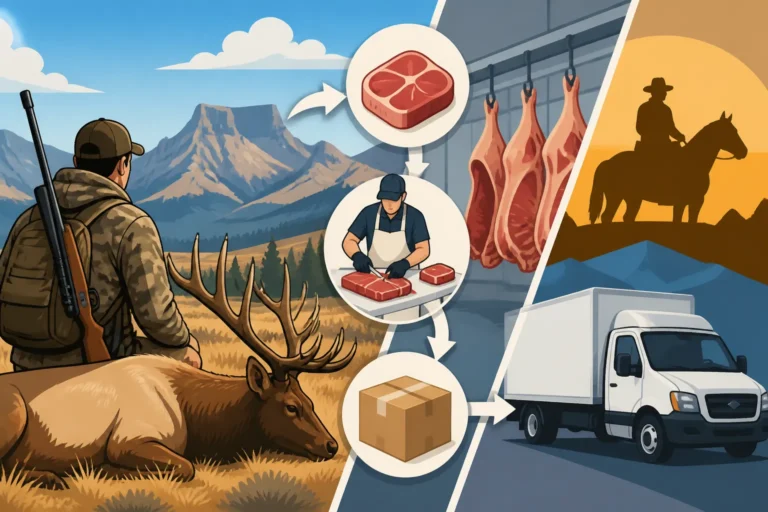
- Game Retrieval Assistance: This is a critical service, particularly when hunting large animals like elk or moose in rugged terrain. After you've successfully harvested an animal, getting it out of the backcountry can be an immense challenge, often requiring horses, ATVs, or significant manpower. Many semi-guided outfitters will include game recovery as part of their service, bringing in pack animals or vehicles to help you retrieve your trophy and meat. This alone can make a semi-guided hunt worth the investment, as proper and timely game retrieval is essential for meat care and respecting the animal.
- Limited Direct Guiding, More Advisory: Unlike a fully guided hunt where a guide is constantly with you, a semi-guided experience means you'll spend most of your hunting day independently. The outfitter or a designated camp manager might check in with you in the morning and evening, offering advice, discussing strategies, or helping you plan your next move. They might give you tips on Reading Wind on an Open-Country Stalk or how to best use your Optics Power for Wyoming's Long Sightlines in a particular basin. You're still making your own decisions, but you have a resource to tap into.
Is a Semi-Guided Hunt Right for Your Wyoming Adventure?
Deciding on a semi-guided hunt involves a careful assessment of your own skills, budget, and desired hunting experience. It’s a fantastic option for many, but it's not a universal solution. Understanding your needs will help you navigate the various offerings and ensure you find a trip that truly enhances your hunt.
Who Benefits Most from Semi-Guided Options
If you find yourself nodding along to these points, a semi-guided hunt might just be your sweet spot:
- Hunters with Some Experience but New to a Specific Area or Species: Perhaps you’ve hunted deer in your home state for years, but chasing elk in the Wyoming mountains is a whole different ballgame. You know how to shoot, track, and generally conduct yourself in the field, but you lack the intimate knowledge of the western landscape, animal behavior, or specific hunt unit nuances. A semi-guided outfit can provide that critical foundation, pointing you towards productive areas and saving you days of aimless wandering. It's like having a local mentor without them breathing down your neck.
- Those on a Tighter Budget but Still Wanting an Edge: Fully guided hunts can be a significant financial commitment. Semi-guided options typically come at a lower price point, making a western big game hunt more accessible. You're still paying for invaluable access, intel, and often game retrieval, but you're saving money by handling your own daily hunting decisions and sometimes your own food and lodging. It's a pragmatic compromise that many hunters appreciate.
- Individuals or Small Groups Who Value Independence: There's a certain satisfaction that comes from making your own successful stalk or calling in an animal yourself. A semi-guided hunt allows for this autonomy. You get the thrill of the solo hunt, but with the peace of mind that comes from knowing you have support if you need it. This is particularly appealing for groups of friends or family who enjoy hunting together and prefer to operate as their own team. Don't forget, however, that even if you're operating independently, there are situations, particularly in designated wilderness areas, where Wyoming's Wilderness Guide Law for Nonresidents might still apply, making a fully guided hunt a legal requirement.
- Hunters Willing to Do the Work, But Appreciate Logistics Support: You're ready to put in the miles, climb the hills, and endure the elements. You've prepared your body with plenty of Physical Conditioning for a Mountain Hunt. What you don't want to deal with is navigating complex land ownership maps, finding suitable camping spots, or figuring out how to get a quartered elk off a steep mountainside. A semi-guided outfitter handles these logistical headaches, allowing you to focus purely on hunting.
When a Fully Guided or DIY Hunt Might Be a Better Fit
Sometimes, a semi-guided hunt just isn't the right answer. It’s important to be honest with yourself about what you truly need and want from your hunting trip.
- Fully Guided:
- Complete Beginners: If you're brand new to hunting, especially big game in challenging western terrain, a fully guided hunt offers the most hands-on learning and safety. You'll learn critical skills from an experienced professional.
- Prioritizing Comfort and Success: If your primary goal is to maximize your chances of success and minimize physical hardship, and you have the budget, a fully guided trip usually offers the highest level of service, comfort, and direct assistance.
- Specific Legal Requirements: As mentioned, certain wilderness areas or specific species hunts in Wyoming require a licensed guide for nonresidents. If your chosen hunt falls under these rules, a fully guided trip is your only legal option.
- Do-It-Yourself (DIY):
- Experienced, Ultra-Budget Conscious Hunters: If you're a seasoned western hunter, completely comfortable with navigation, scouting, animal behavior, meat care, and all the logistics, a DIY hunt will be the most economical. You likely have all your own gear and the knowledge to succeed independently.
- Maximum Independence and Self-Sufficiency: For some, the ultimate challenge and reward of hunting is doing it all themselves, relying solely on their own skills and preparation. If total self-reliance is your goal, DIY is the way to go.
- Familiarity with the Area: If you've hunted a specific unit in Wyoming multiple times and know it like the back of your hand, you might not need an outfitter's local knowledge.
Key Questions to Ask When Booking a Semi-Guided Hunt
Because "semi-guided" is such a broad term, asking the right questions upfront is crucial. Don't leave anything to assumption. A reputable outfitter will appreciate your diligence and be transparent about their services. Before you even think about putting down a deposit, dive deep into the details. Services vary widely between outfitters, and what one might include, another might consider an add-on.
Clarifying Services and Responsibilities
This is where you need to get granular. A simple phone call won't cut it; send an email to get specifics in writing, and consider looking for reviews on platforms like BookYourHunt for independent feedback.
- "What, exactly, is included in the price, and what is not included?" This should be the first question. Get a clear, itemized list. Does it cover lodging? Meals? Transportation to and from the hunting area daily? Field dressing? Game packing and retrieval? What about caping for taxidermy or quartering? Don't assume anything.
- "What kind of access will I have?" If the hunt includes private land access, clarify the boundaries. Will you be given maps (physical or digital)? Are there specific gates or roads you can use? What are the rules for vehicle use on the property? If it's public land, how will the outfitter help you access it? Will they drop you off at trailheads, or provide vehicle access into more remote areas?
- "What is the daily routine like?" Will someone meet you at a specific time each morning? Will they suggest areas to hunt, or are you entirely on your own for finding game? How often will the outfitter or staff check in with you during the day? Will they be in the field with you, even intermittently, or are they solely at base camp?
- "What are the game recovery protocols?" This is huge. If you shoot an animal, what's the procedure? Do you call the outfitter? How quickly can they respond? What equipment do they use for retrieval (horses, ATVs, manpower)? Is there a distance limit from camp for recovery? Are there additional fees if recovery is exceptionally difficult or far?
- "What kind of communication will I have during the hunt?" Will you have radio contact, satellite phone access, or just cell service (which can be spotty in Wyoming's backcountry)? How will you reach them in an emergency or if you're just looking for an update on game movement?
Understanding Logistics and Hidden Costs
Beyond the explicit hunting services, you need to understand all the other elements that contribute to the overall cost and experience. Many of these points are outlined in general advice like Questions Worth Asking Before You Book, but they bear repeating and tailoring for semi-guided specifics.
- Lodging and Food Arrangements: If lodging is included, what are the facilities like? Shared rooms? Private cabins? Tent camps? What kind of heat, water, and toilet facilities are available? If meals are provided, what's the menu like? Is there a cook, or is it more of a self-serve setup? If meals are not included, what kitchen facilities are available for you to prepare your own?
- Transportation: How do you get from your arrival point (airport, personal vehicle) to the hunting camp? Is an airport transfer included? Once at camp, how do you get to the hunting areas each day? Is it your responsibility to drive, or does the outfitter provide transport?
- Post-Harvest Costs: Remember, the work doesn't stop when you pull the trigger. Meat processing, taxidermy, and shipping your trophy home are almost always extra costs. Ask for recommendations for local processors and taxidermists, and get an estimate of typical costs. How will your meat be kept cool until it reaches the processor?
- Gratuities: Even on a semi-guided hunt, if there are staff assisting with camp duties, packing, or retrieval, a tip is expected. Ask about their typical tipping structure, just like you would for a fully guided hunt, by checking articles like How Much to Tip a Hunting Guide. This helps you budget appropriately.
- License Acquisition Assistance: While the outfitter can't guarantee you a tag, can they assist with understanding the draw process? Many successful semi-guided hunts rely on drawing a specific tag, and knowing how to navigate the system is key. Using resources like GoHunt can provide valuable draw odds and application strategies before you apply. Remember, Wyoming Nonresident Tags Run $326 to $1,965, so knowing your odds is critical.
- Cancellation and Refund Policies: What happens if you can't make the hunt due to unforeseen circumstances? What if the outfitter cancels? Get these policies in writing. Also, clarify what happens if you fail to draw the necessary license. Some outfitters will roll your deposit over to the next year, while others may retain a portion. Be sure to compare this against the general advice on Vetting a Wyoming Outfitter Before You Send a Deposit.
Making the Most of Your Semi-Guided Experience
A semi-guided hunt is a partnership. While the outfitter provides the groundwork and support, your success still heavily relies on your own preparation, skills, and attitude. Think of them as giving you the best tools and map, but you're still the one swinging the hammer and navigating the trail.
Preparation is Paramount
Since you'll be largely independent in the field, your personal readiness becomes even more crucial. Don't rely on the outfitter to make up for your lack of preparation.
- Pre-Scouting on Your Own (E-Scouting): Even with an outfitter's intel, doing your own homework pays dividends. Use online mapping tools like GoHunt to familiarize yourself with the terrain, locate water sources, potential bedding areas, and access roads. Understand the nuances of the unit's topography. This pre-work allows you to interpret the outfitter's advice more effectively and identify potential spots they might not have highlighted. It also helps you get a handle on Terrain That Hides an Approach and how to use it to your advantage.
- Physical Fitness and Shooting Practice: Wyoming's hunting can be incredibly demanding. You'll likely be covering significant ground, often at elevation. Get in shape well before your hunt. Practice shooting from various positions, especially those you might encounter in the field – sitting, kneeling, off your pack. Know your rifle's capabilities and your own effective range. Remember, a semi-guided hunt doesn't mean less effort from you; it means your effort is more focused.
- Gear Preparation: Test all your gear before you leave home. Your optics, clothing layers, backpack, sleeping system (if camping), and navigation tools need to be reliable. Be prepared for rapidly changing weather conditions characteristic of the mountains. A comfortable and well-equipped hunter is a more effective hunter.
- Understanding Animal Behavior: While your outfitter can tell you where the animals are, knowing how to approach them, interpret their sign, and react to their movements is on you. Brush up on calling techniques, glassing strategies, and stalking methods for your target species. Articles like Bugle and Cow Call Timing Through the Rut can be immensely helpful for elk hunters.
Communication is Key with Your Outfitter
A successful semi-guided hunt thrives on clear, consistent communication between you and your outfitter. Don't be afraid to speak up, ask questions, or share your observations.
- Setting Expectations Clearly: Reiterate your goals and what you expect from the trip. Be realistic. An outfitter isn't a magician, and a semi-guided hunt isn't a guarantee of a trophy. Discuss what a "successful" hunt looks like for both of you – is it just seeing animals, or filling a tag?
- Asking for Tips and Advice: Your outfitter is a wealth of knowledge. Don't hesitate to ask for specific advice on how to approach a particular area, what calls might be working, or what signs to look for. They know the habits of the local animals better than anyone. Be open to their suggestions, even if they differ from your usual hunting style.
- Being Realistic About Success Rates: Ask the outfitter about their typical success rates for semi-guided clients. Understand that these rates are often lower than fully guided hunts precisely because the hunter is more independent. A good outfitter will be transparent about this. Use services like BookYourHunt to compare various outfitters and their reported success with different hunt types.
- Booking Early: Good outfitters, even for semi-guided hunts, book up quickly. If you've found an outfitter you trust and a program that fits your needs, don't delay. Popular areas or prime season dates can be reserved a year or more in advance.
The semi-guided hunt is an incredible opportunity for hunters who want to blend independence with valuable local expertise and logistical support. It empowers you to take ownership of your hunt while still having a safety net and a significant advantage in the field. Do your homework, ask the hard questions, prepare thoroughly, and you might just find that a semi-guided hunt in Wyoming offers the perfect balance for your next big game adventure.
Disclaimer
This article is for general informational purposes only and does not constitute professional advice. Laws, prices and regulations vary by location and change over time. Consult a qualified professional for guidance on your specific situation.