Moose Hunts Inside Designated Wilderness Areas
There's nothing quite like the dream of a Wyoming moose hunt. The sheer size of these magnificent animals, the quiet solitude of their mountain habitats, and the challenge of pursuing them in truly wild country call to many. But for non-resident hunters eyeing those designated wilderness areas, a unique and often misunderstood rule comes into play: the requirement to hire a licensed professional guide or hunt with a qualified resident. This guide aims to clear up that confusion, offering a comprehensive look at what a wilderness moose hunt entails, from understanding the regulations to preparing for the experience of a lifetime.
The Wilderness Guide Requirement: A Non-Negotiable for Non-Residents
If you're a nonresident planning a moose hunt in Wyoming's designated wilderness, this is probably the first thing on your mind, and for good reason. It's not just a suggestion; it's a law designed to manage the significant challenges and responsibilities that come with hunting in such remote and pristine environments. Getting this wrong can lead to serious legal issues and ruin your hunt before it even begins.
Why the Rule Exists and Who It Applies To
The primary intent behind Wyoming's wilderness guide requirement for non-residents is multifaceted. It's about safety, resource protection, and ensuring a fair chase ethic in areas that demand significant experience and knowledge to navigate responsibly. Wilderness areas, by their very nature, are rugged, remote, and often lack infrastructure. An inexperienced hunter could easily get lost, injured, or run into dangerous situations with wildlife, including grizzlies, without proper guidance. Beyond safety, professional guides often have a deep understanding of game movements, conservation practices, and low-impact hunting techniques that help preserve these fragile ecosystems.
This rule specifically targets non-resident hunters pursuing bighorn sheep, mountain goat, or moose within any designated wilderness area. While moose are the focus here, it's important to remember that these "once-in-a-lifetime" big game species carry a special level of protection and management. The rule doesn't apply to residents, who are presumed to have a greater familiarity with the state's rugged terrain and unique challenges.
Understanding Designated Wilderness Areas in Wyoming
Wyoming boasts an incredible amount of designated wilderness, some of the most spectacular and rugged country in the Lower 48. These are not just any remote areas; they are federally protected lands where motorized vehicles and mechanical transport are strictly prohibited. We're talking about places like the Bridger-Teton, Shoshone, Popo Agie, and Fitzpatrick Wilderness Areas, among others. These are landscapes shaped by glaciers and time, offering breathtaking beauty but also extreme challenges.
Hunting in these areas means you'll be on foot or horseback. There are no roads, no ATVs, no e-bikes. Everything you bring in, you pack out, and all game must be packed out without the aid of motorized transport. This commitment to primitive recreation is what makes them so special, but it also elevates the difficulty of any hunt. You need to know that your chosen hunt area falls within one of these designated zones. A detailed map, ideally one that clearly delineates wilderness boundaries, is absolutely essential for planning. For a deeper dive, check out Wyoming Wilderness Areas and the Guide Rule to understand the specifics. And be mindful of Motorized Limits Inside Wyoming Wilderness as you plan your approach.
Resident Guides as an Alternative to Professional Outfitters
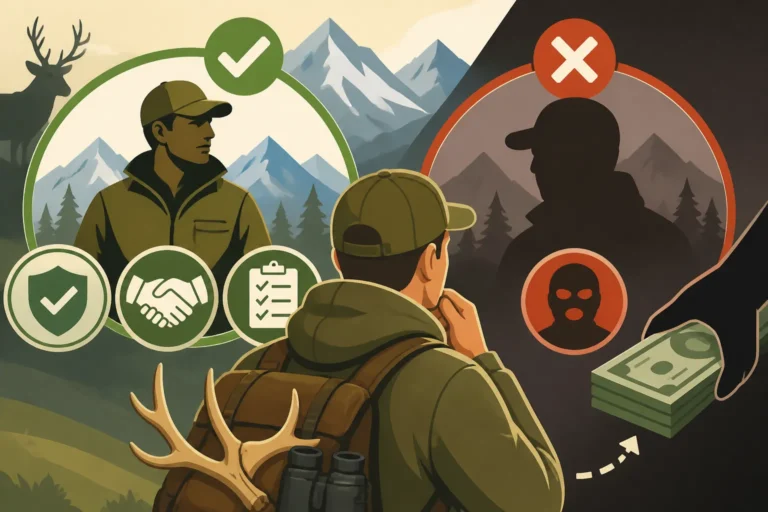
If you're a non-resident and don't want to hire a full-fledged outfitter, Wyoming does offer a pathway through its resident guide affidavit system. This allows a qualified Wyoming resident to act as your guide. However, there are very strict rules around this, and you need to understand them fully to avoid violations.
The resident must be at least 18 years old, possess a valid Wyoming hunting license, and be capable of providing appropriate guidance and assistance. Crucially, they cannot receive any form of payment or compensation for their services. This is not a way to get a "discounted" guided hunt; it's truly for friends or family members who are residents and are genuinely helping you out of goodwill. The resident guide must also complete and file a specific affidavit with the Wyoming Game and Fish Department before the hunt, detailing the specifics of the trip and affirming they will not receive payment. This affidavit basically states they are personally accompanying you for the duration of your hunt in the wilderness. For further details on this, you might find Can a Resident Friend Guide You Legally? to be quite informative. This option requires a strong personal connection and clear communication about responsibilities and expectations.
Planning Your Wyoming Wilderness Moose Hunt
Drawing a moose tag in Wyoming is a monumental achievement, the culmination of years, sometimes decades, of accumulating preference points and hopeful applications. It's truly a once-in-a-lifetime opportunity for many. Once that coveted tag is in hand, the real work of planning for a wilderness hunt begins. This isn't just a matter of packing your rifle; it's a strategic undertaking demanding physical prowess, mental fortitude, and meticulous logistical coordination.
The Elusive Moose Tag: Understanding Draw Odds
Let's be blunt: drawing a Wyoming moose tag is tough. These are highly sought-after tags for one of the most incredible big game animals in North America. Wyoming manages its moose populations carefully, issuing a limited number of licenses each year, which means the draw odds are notoriously low, especially for non-residents. Many hunters accumulate preference points for years, hoping to improve their chances. Each point you buy or earn through an unsuccessful application slightly increases your odds in subsequent draws, but there's still a significant random component.
It's vital to research draw odds for specific hunt districts before you even apply. Websites like GoHunt provide excellent tools for analyzing past draw data, allowing you to see how many points it took successful applicants in various units. This can help you make an informed decision on which hunt districts might offer the best blend of opportunity and trophy potential for the number of points you have. Understanding Moose Draw Odds by Hunt District is key, and be prepared for How Many Years It Takes to Draw Wyoming Moose. Don't underestimate the wait; patience is a virtue in the Wyoming moose draw.
Physical and Mental Preparation for the Backcountry
A wilderness moose hunt is not a casual stroll in the woods. These hunts demand peak physical condition and significant mental toughness. You'll be operating at high altitudes, often between 8,000 and 11,000 feet, which alone can be debilitating if you're not acclimated. Carrying a heavy pack, navigating steep and uneven terrain, crossing rivers, and enduring unpredictable mountain weather for days or even weeks on end will push you to your limits.
Your training regimen should reflect these demands. Focus on cardiovascular endurance through activities like hiking with a weighted pack, trail running, and cycling. Incorporate strength training, especially for your legs, core, and back, as you'll be packing out hundreds of pounds of meat and antlers if successful. Don't forget flexibility and balance. Beyond the physical, prepare mentally for discomfort, solitude, and the inevitable setbacks that come with wilderness hunting. The ability to stay positive, focused, and persistent when things get tough is just as important as physical strength. Start your conditioning months, even a year, in advance. For more on this, consider reading Physical Conditioning for a Mountain Hunt and seriously consider Preparing for Altitude on a Wyoming Hunt.
Logistics Beyond the Hunt: Pack Animals, Camps, and Communication
Once you've drawn the tag and confirmed your guide (either a resident friend or a professional outfitter), the logistical puzzle pieces fall into place. For wilderness hunts, pack animals – usually horses or mules – are almost always a necessity. They allow you to transport heavy gear, food, and camp supplies deep into the backcountry, and critically, to pack out your moose. This is a massive undertaking, and it's where an experienced outfitter or a resident guide with pack animal experience truly shines.
Your camp setup will likely be a "spike camp" – a minimalist, mobile camp designed for efficiency and to move with the animals. Tents, cooking gear, water filtration, and emergency supplies will be your home base. Communication in the wilderness is another critical consideration. Cell service is non-existent in most of these areas. Satellite communicators (like Garmin InReach or Spot devices) are essential for emergency contact and peace of mind. Discuss these logistics in detail with your guide or outfitter to ensure everyone is on the same page regarding gear, food, and safety protocols.
Finding the Right Outfitter for a Wilderness Moose Hunt
For non-residents, the requirement to hire a licensed professional outfitter or engage a qualified resident guide means that finding the right partner is paramount to a successful and enjoyable wilderness moose hunt. This isn't just about finding someone who can point you to a moose; it's about choosing a professional who understands the unique challenges of wilderness travel, animal behavior, and safety in remote settings.
Vetting a Wilderness Outfitter: Experience and Reputation
When you're entrusting your once-in-a-lifetime hunt, and your safety, to an outfitter, thorough vetting is non-negotiable. Start by looking for outfitters with a proven track record specifically in the wilderness areas you're targeting and, ideally, with a specialty in moose. Ask about their experience, not just as an outfitter, but their guides' experience. How long have they been hunting moose in that particular unit? What kind of success rates do they have?
Always ask for references—and follow up with them. Speak to past clients about their experiences: was the guide knowledgeable? Were the horses well-cared for? Was the camp comfortable and safe? Did the outfitter communicate clearly before, during, and after the hunt? Websites like BookYourHunt can be a great starting point for finding reputable outfitters and reading reviews, but always do your own independent research and make direct contact. Don't shy away from asking tough questions. For more tips on this process, consider Vetting a Wyoming Outfitter Before You Send a Deposit.
Understanding Service Levels: Fully Guided vs. Drop Camps
Outfitters typically offer a range of services, even within the wilderness context. For moose, you'll generally find two main categories:
- Fully Guided Hunts: This is the most comprehensive option. The outfitter provides everything: guides, horses, all camp gear, food, and often even assistance with field dressing and packing out your animal. You show up with your personal gear, and the outfitter handles all the heavy lifting and decision-making in the field. This is often the preferred choice for those less experienced in true wilderness hunting or those who simply want to maximize their hunting time without worrying about logistics.
- Drop Camps: While the wilderness guide rule still applies to non-residents, a drop camp arrangement means the outfitter packs you, your gear, and some basic camp supplies into a remote location, sets up a rudimentary camp, and then leaves you to hunt on your own (or with your resident guide). They return at a pre-arranged time to pack you out, and hopefully, your moose. This option is typically less expensive than a fully guided hunt and appeals to hunters who enjoy more independence but still need the packing services to get deep into the wilderness. Remember, even with a drop camp, a non-resident hunting moose in designated wilderness still needs a guide present (either a resident friend via affidavit or a professional guide from the outfitter accompanying them). Dive deeper into the specifics by reading Wyoming Drop Camp Hunts Explained.
Cost Considerations and Booking Timelines
A guided wilderness moose hunt in Wyoming is a significant investment. Prices will vary widely based on the outfitter's reputation, the specific hunt district, the duration of the hunt, and the level of service. Fully guided hunts will naturally be at the higher end of the spectrum, reflecting the extensive services and expertise provided. Drop camps are typically less, but still require a substantial outlay for the packing services alone. Expect these hunts to represent a considerable financial commitment, similar to what you'd expect for high-value species like bighorn sheep. You can get a general idea of costs by looking at Cost Expectations for a Guided Sheep Hunt – moose will fall into a similar premium category.
Due to the demand for moose tags and the limited number of reputable outfitters operating in wilderness areas, you'll need to book your hunt well in advance. Many outfitters book out years ahead, so as soon as you have a plan for drawing a tag (or even before, with a conditional booking), start contacting outfitters. Be prepared to put down a deposit, and understand the outfitter's cancellation and refund policies, especially in the event you don't draw your tag. It's common for outfitters to offer options if you don't draw, such as rolling your deposit over to the next year or transferring it to a different hunt if available.
Table: Wilderness Moose Hunt Considerations
Here’s a quick overview comparing key aspects of a wilderness moose hunt, assuming a non-resident hunter:
| Feature | Fully Guided Hunt (Outfitter) | Hunt with Resident Guide (Affidavit) |
|---|---|---|
| Guide Requirement | Outfitter provides licensed professional guide(s). | Qualified Wyoming resident must be present and file affidavit. |
| Cost | Higher upfront investment (guide fees, camp, food, horses). | Lower upfront cost, but resident guide cannot be paid. |
| Logistics | Outfitter handles all camp setup, horses, food, navigation. | Hunter and resident guide handle all logistics, typically requiring more hunter experience/equipment. |
| Physical Demands | Still high, but outfitter's logistics can ease some burdens. | Very high, as hunter carries more responsibility for camp, meat packing. |
| Experience Needed | Less personal wilderness experience required from hunter. | Significant wilderness and hunting experience required from hunter and resident guide. |
| Gear Provided | Often includes tents, cooking gear, horses, specialized tools. | Hunter/resident guide provide all gear, including pack animals if used. |
| Safety Net | Professional expertise, emergency protocols, communication. | Relies on resident guide's experience and hunter's preparedness. |
| Tag Draw Impact | Often book before drawing; transfer/rollover policies common. | No direct impact, as you provide your own guide once tag is drawn. |
Disclaimer
This article is for general informational purposes only and does not constitute professional advice. Laws, prices and regulations vary by location and change over time. Consult a qualified professional for guidance on your specific situation.