Does the Guide Rule Cover Bighorn Sheep?
Planning a hunt in Wyoming as a nonresident can feel like navigating a maze of rules and regulations, and one of the biggest questions that often crops up, especially for those dreaming of a majestic bighorn sheep, is whether you need to hire a guide. It's a valid concern, as the guide requirement can drastically change your trip's logistics and cost. This guide is here to untangle the specifics of Wyoming's nonresident guide law, focusing particularly on how it applies to pursuing bighorn sheep, helping you understand the requirements and plan your adventure confidently.
Understanding Wyoming's Nonresident Guide Requirement
For many hunters, the thought of a DIY hunt is the ultimate freedom, but Wyoming has specific rules that nonresidents need to be aware of. These rules aren't designed to make things difficult; they're in place to manage public resources, ensure fair chase, and often, to help with conservation efforts, especially in remote or sensitive areas. Ignoring them can lead to serious consequences, so it's crucial to understand the foundation.
The Fundamental Rule for Nonresidents
At its heart, Wyoming law states that nonresidents must have a licensed professional guide or a resident companion when hunting big game, trophy game, or furbearers in any designated wilderness area. This isn't a blanket rule for the entire state, but it's specific to those pristine, roadless expanses that are often home to some of the most sought-after species. The idea is that these areas require a certain level of experience and knowledge to navigate responsibly, and having an experienced individual along helps ensure that. It's a common point of confusion, and many hunters scratch their heads trying to figure out if their chosen hunt area falls under this umbrella.
Which Species Are Typically Included?
When we talk about "big game," "trophy game," or "furbearers" under this rule, it generally means elk, deer, moose, bighorn sheep, mountain goat, bison, black bear, grizzly bear (where open to hunting, which is a rare occurrence), mountain lion, and wolf. So, right off the bat, bighorn sheep are indeed on that list. This means if your bighorn sheep hunt takes you into one of Wyoming's designated wilderness areas, you're going to need a guide or a resident companion. It's not just a suggestion; it's a legal requirement that falls under Wyoming's Wilderness Guide Law for Nonresidents. This often comes as a surprise to hunters who might assume a tag for a specific species automatically grants them free range. It doesn't.
The Philosophy Behind the Law
You might wonder why such a law exists. The philosophy behind Wyoming's guide law, particularly for wilderness areas, is multi-faceted. Firstly, these areas are incredibly wild and rugged. They demand respect and a deep understanding of navigation, game retrieval, and survival skills that many casual visitors simply don't possess. A guide provides safety and ensures hunters are prepared for the challenging conditions. Secondly, it's about resource management. Outfitters and guides often have extensive experience in these specific areas, understanding game movements, local regulations, and minimizing impact. Lastly, there's a practical aspect: guiding helps support local economies and provides jobs in rural communities. It's a system that, while sometimes frustrating for the independent hunter, aims to preserve the quality and integrity of these unique hunting opportunities.
Bighorn Sheep and the Wilderness Connection
Bighorn sheep are animals of truly rugged, high-alpine country. Their habitat often overlaps directly with some of Wyoming's most remote and beautiful, yet challenging, wilderness areas. This inherent connection between the species and these restricted territories is precisely why the guide rule becomes so pertinent for sheep hunters.
The Unique Challenge of Sheep Habitat
Imagine climbing above timberline, scrambling across scree slopes, and navigating vast, steep canyons. That's bighorn sheep country. These animals thrive in terrain that tests even the most seasoned mountaineers. Their incredible eyesight, combined with the difficulty of the terrain, makes sheep hunting one of the most physically demanding and mentally rigorous pursuits in North America. Because their preferred habitat often lies within designated wilderness boundaries, anyone hoping to pursue them there as a nonresident must contend with the guide requirement. It's not uncommon for a sheep hunt to involve multi-day treks deep into roadless areas, making the presence of an experienced guide not just a legal necessity, but often a practical one for safety and success.
How Wilderness Designations Impact Sheep Hunts
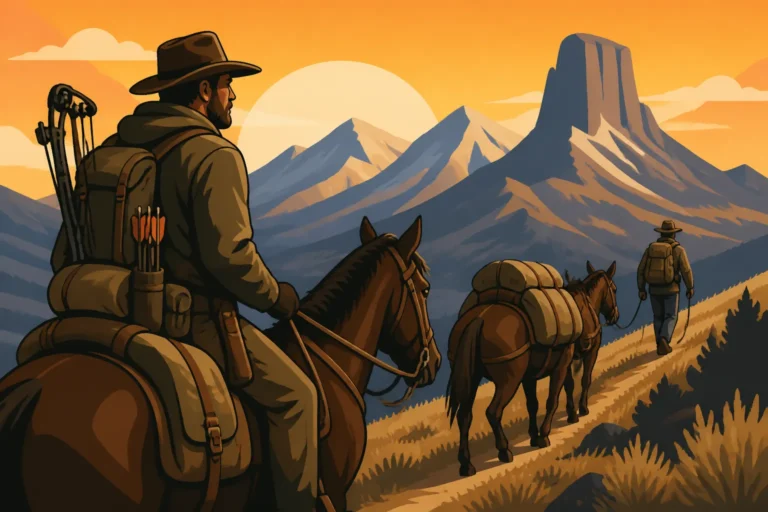
Wyoming boasts several stunning wilderness areas, such as the Bridger-Teton, Shoshone, Popo Agie, and Fitzpatrick Wilderness Areas, among others. Many of these vast expanses are home to thriving bighorn sheep populations. If your hard-won Bighorn Sheep Random Draw Odds Explained finally pay off with a tag for a unit that includes or is entirely within one of these wilderness areas, then yes, the guide rule absolutely applies. You're entering a special kind of landscape where motorized vehicles are strictly prohibited, and travel is by foot or horseback only. This means all gear, food, and eventually, the harvested animal, must be packed in and out. Having a professional outfitter and guide, or a qualified resident companion, is mandated to ensure that nonresident hunters adhere to wilderness regulations and have the necessary expertise to operate safely and ethically in such challenging environments. This is a critical distinction that sometimes gets overlooked by excited hunters.
The Specifics for Bighorn Sheep Hunters
So, to cut right to it: does the guide rule cover bighorn sheep? Yes, if you are a nonresident and your bighorn sheep hunt takes place within a designated wilderness area in Wyoming. This is the core takeaway. While there are a few hunt units that might have sheep populations outside of strict wilderness boundaries, a significant portion of the premier bighorn habitat—and thus, the most coveted tags—are intertwined with these remote territories. Before you even apply for a tag, it's vital to study the hunt area regulations and maps to understand if wilderness is involved. Resources like Reading a Wyoming Sheep Hunt District Map can be invaluable. This often means planning ahead to either book a reputable outfitter well in advance or arrange for a qualified resident companion who can legally accompany you. Remember, Wyoming Requires One Guide for Every Two Nonresident Hunters when an outfitter is used, which helps manage group sizes in sensitive wilderness settings.
Resident Guides: An Alternative to Outfitter Services
Not every nonresident hunter wants to (or can afford to) hire a full-service outfitter. Wyoming understands this, and offers a legal alternative: the resident companion. This option allows nonresidents to hunt in wilderness areas if they are accompanied by a Wyoming resident who meets certain criteria. It’s a great way for friends or family to share a hunt, but it comes with its own set of rules that need to be followed to the letter.
What a Resident Guide Can (and Cannot) Do
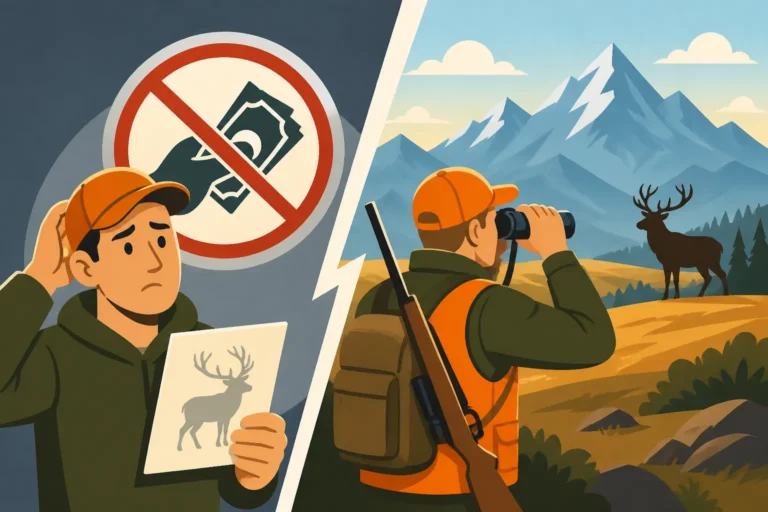
A Wyoming resident can act as a guide for up to two nonresidents in a wilderness area, provided they meet specific criteria and don't receive any payment for their services. This is a key distinction. Your resident friend or family member can provide companionship, share their knowledge of the area, help with navigation, and assist in all aspects of the hunt, just like a paid guide. However, they cannot be compensated in any way, shape, or form for their "guiding" services. This means no cash, no gifts of equivalent value, no bartering, and certainly no promises of future favors that constitute payment. The spirit of the law is that it's a true act of companionship, not a hidden commercial transaction. Violating this can put both the nonresident hunter and the resident companion in serious legal trouble.
The Affidavit and Non-Commercial Aspect
To legally act as a resident guide, the Wyoming resident must complete and sign an affidavit provided by the Wyoming Game and Fish Department. This document attests that they meet all requirements, including not accepting payment, and that they will accompany the nonresident hunter(s) throughout the hunt in the wilderness area. This affidavit needs to be on their person during the hunt. This specific document outlines the responsibilities and restrictions, explicitly stating The Affidavit a Wyoming Resident Guide Must File. It's a formal declaration and a legal safeguard. The whole point here is that it's a non-commercial arrangement; if there's any hint of payment, then the resident is no longer considered a "resident guide" under the law, and you'd be in violation. This is Why a Resident Guide Cannot Be Paid is so critical to understand.
Finding a Trustworthy Resident Guide
If you're considering the resident companion route, the first step is to have a trusted friend or family member who lives in Wyoming and is both willing and capable. They need to be knowledgeable about the specific hunt area, experienced in wilderness travel, and understand the responsibilities of being a legal resident guide. This isn't a job for someone who's just looking for an easy way to spend time outdoors; it requires genuine expertise and a commitment to safety and legality. If you don't have such a connection, then a licensed professional outfitter becomes your only legal option for hunting bighorn sheep in a wilderness area as a nonresident. Services like BookYourHunt or GoHunt can be excellent resources for finding reputable outfitters who operate in Wyoming's wilderness sheep units, allowing you to filter by species and area to find the right fit for your hunt.
Planning Your Wyoming Bighorn Sheep Hunt
Drawing a bighorn sheep tag in Wyoming is often considered the pinnacle of western big game hunting, a true "once-in-a-lifetime" experience for many. But it’s not just about the draw; it’s about extensive preparation, both physically and logistically, to make sure you're ready when that golden ticket finally arrives.
Drawing a Sheep Tag: A Marathon, Not a Sprint
The reality of drawing a Wyoming bighorn sheep tag as a nonresident is that it often takes many, many years—sometimes decades—of applying and building preference points. The odds are notoriously low, sitting under one percent for many premier units, which is why it's often compared to the difficulty of drawing a How Many Years It Takes to Draw Wyoming Moose tag. How Many Nonresident Sheep Tags Wyoming Issues are incredibly limited, making every draw an intense lottery. Because of this, planning your sheep hunt isn't something you do a year out; it's a long-term commitment that requires patience and consistent application. Many aspiring sheep hunters use tools like GoHunt's Insider service to track draw odds, application strategies, and unit breakdowns to maximize their chances over the long haul.
Researching Hunt Areas and Regulations
Once you start applying, or even before, it's crucial to deep-dive into the specific hunt areas. Regulations can vary slightly between units, especially regarding legal ram definitions (like The Ram Curl Requirement Explained), season dates, and of course, whether wilderness areas are involved. Utilize the Wyoming Game and Fish Department's online resources, including their hunt planner and regulation pamphlets. Understanding the terrain, access points, and potential for public versus private land in your target unit is paramount. Platforms like BookYourHunt can also connect you with outfitters who specialize in particular sheep units, and their knowledge of specific regulations and terrain can be invaluable during the research phase, even if you're not ready to book. Don't forget to study maps, topography, and even aerial imagery to get a feel for the country you might be hunting.
Physical and Mental Preparation for a Mountain Sheep Hunt
Regardless of whether you use a professional outfitter or a resident companion, a bighorn sheep hunt in Wyoming demands exceptional physical and mental conditioning. We're talking about hunting at high altitudes, often above 10,000 feet, across extremely rugged and steep terrain. This means you need to be prepared for Preparing for Altitude on a Wyoming Hunt and embark on a serious Physical Conditioning for a Mountain Hunt regimen well in advance. Think hiking with a heavy pack, climbing stairs, and building core strength. The mental game is just as important; sheep hunting can involve long days of glassing with Optics Power for Wyoming's Long Sightlines and frustrating stalks, requiring immense patience and perseverance. It's not just a hunt; it's an expedition. Make sure your gear is top-notch, including appropriate clothing layers, sturdy boots, and reliable optics, as these will be your lifeline in the unforgiving high country.
Disclaimer
This article is for general informational purposes only and does not constitute professional advice. Laws, prices and regulations vary by location and change over time. Consult a qualified professional for guidance on your specific situation.