Planning a DIY Public Land Hunt in Wyoming
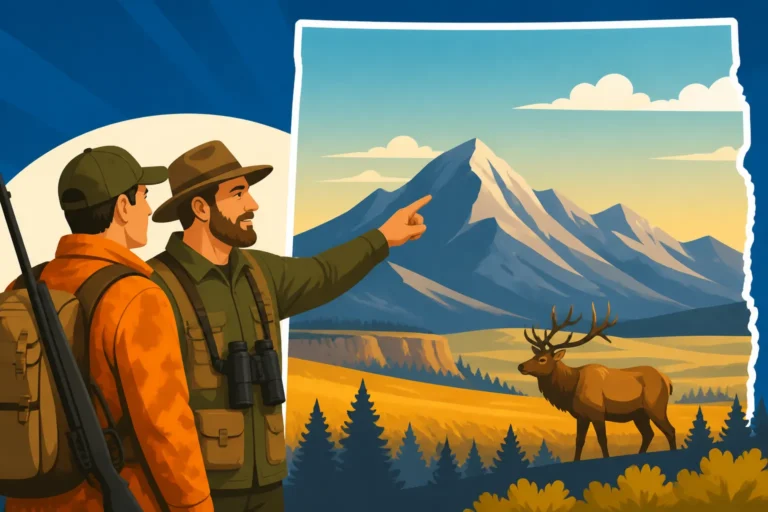
The dream of a do-it-yourself public land hunt in Wyoming is powerful, isn't it? It conjures images of endless sagebrush, towering peaks, and the pure satisfaction of earning an animal on your own terms. But let's be real: that dream can quickly turn into a nightmare of confusion, frustration, and feeling utterly overwhelmed by the sheer scale of the landscape and the labyrinth of regulations. Many hunters, especially those new to the West, throw in the towel before they even start, convinced it's too complicated. This guide is here to untangle that complexity, offering a realistic, step-by-step roadmap to planning and executing your own successful public land hunt in the Cowboy State.
Understanding Wyoming's Public Land Landscape
Wyoming is a vast state, and a huge chunk of it is open to public hunting. But "public land" isn't a monolithic entity; it's a patchwork quilt of federal, state, and sometimes even private lands with public access agreements. Understanding this mosaic is the first, crucial step in planning your DIY adventure.
The Sheer Scale and Diversity
Imagine driving for hours, seeing nothing but rolling hills of sagebrush and distant mountains, and realizing that every acre stretching to the horizon is public ground. That's Wyoming. The sheer scale is often the first thing that hits hunters from more populated areas. We're talking millions of acres of Bureau of Land Management (BLM) land, vast tracts of National Forest, and scattered parcels of State Trust Land. This immense landscape offers incredible opportunity, but it also presents a daunting challenge when it comes to locating game.
You'll encounter everything from the high-alpine tundra of the Absaroka-Beartooth Wilderness, where elk and sheep cling to sparse vegetation above treeline, to the endless flats of the Red Desert, home to antelope and sage grouse. There are dense timber stands in the Bighorns and Medicine Bows, rugged canyon systems in the Shoshone, and fertile river bottoms carving through the eastern plains. Each of these environments demands different hunting strategies, different gear, and a different approach to scouting. Trying to wrap your head around it all can feel like trying to drink from a firehose, but with the right tools, you can start to break it down. Online mapping systems and digital scouting platforms, which many hunters are now using, can offer a bird's-eye view, helping you differentiate between the types of terrain available and start to zero in on areas that might hold the species you're chasing. These digital resources are truly game-changers for understanding such a massive and diverse landscape, especially if you can't put boots on the ground months ahead of time.
Navigating Access Issues: Checkerboard & Landlocked Parcels
One of the biggest headaches for DIY public land hunters in Wyoming, and indeed across the West, is the "checkerboard" land pattern. This isn't just a quirky feature on a map; it's a historical legacy from railroad grants where alternate sections (square miles) were given to the railroads, leaving a pattern of public, private, public, private land. Hunting in these areas means constantly crossing property lines, and it’s critical to know where you stand.
Compounding this is the issue of landlocked public land. These are parcels of BLM or National Forest ground that are entirely surrounded by private property, with no public road or easement leading to them. For years, accessing these lands was a legal gray area, leading to significant frustration for hunters who saw public ground they couldn't reach without trespassing. However, recent legal decisions, like the one highlighted in Corner Crossing Is Legal in Wyoming, With Limits Worth Knowing, have provided more clarity, particularly regarding "corner crossing" – stepping from one public land corner to another public land corner over a private land corner without touching the private ground. Still, these situations demand careful planning, accurate maps, and a thorough understanding of the specific rulings and your responsibilities as a hunter. Tools from companies like GoHunt offer detailed land ownership maps that are essential for identifying these complex access situations, helping you avoid accidental trespass and plan your routes wisely.
Essential Pre-Season Research and E-Scouting
Once you grasp the general lay of the land, the real work begins: turning that vastness into actionable intelligence. This means getting intimately familiar with regulations and using every digital tool at your disposal to scout from afar.
Diving Deep into Regulations and Hunt Areas
You simply cannot overstate the importance of thoroughly understanding Wyoming's hunting regulations. This isn't light reading; it's the bible for your hunt. Each year, the Wyoming Game and Fish Department publishes season brochures for each big game species, and you'll need to pore over the specific details for your chosen hunt area. These booklets define season dates, legal weapons, bag limits, and any special restrictions for individual units. A "Type 1" elk license is very different from a "Type 6" cow elk license, and knowing these distinctions is crucial. You'll need to understand Reading Wyoming's Type 1 Through Type 9 License Numbers to ensure you're applying for the correct tag and hunting within its limitations.
Don't just skim it. Read it, highlight it, and keep it handy. Missing a detail could mean an illegal harvest, a hefty fine, or worse. The Wyoming Game and Fish website offers fantastic resources, including detailed hunt area maps and the online hunt planner. Seriously, familiarize yourself with A Walkthrough of the Wyoming Hunt Planner; it's an invaluable tool for exploring units, checking draw odds, and understanding the nuances of different licenses. Many aspiring hunters also consult resources like GoHunt to analyze draw odds and strategize their preference point accumulation, which is often a multi-year game for coveted tags.
Leveraging Digital Tools for E-Scouting
In today's world, an effective DIY hunt starts long before you ever set foot in Wyoming. It starts with e-scouting, which is essentially virtual reconnaissance using satellite imagery, topographic maps, and other digital resources. This is where you transform a nameless chunk of public land into a landscape you understand almost as well as your local woods.
Platforms that provide high-resolution satellite imagery, 3D terrain views, and public/private land overlays are your best friends. You can spend hours identifying potential bedding areas (north-facing slopes, dense timber), water sources (streams, seeps, stock tanks), travel corridors (ridges, saddles, draws), and escape routes. Look for subtle changes in vegetation that might indicate feed, or terrain features that could funnel animals. The goal is to build a mental map of the area, noting potential ambush points, glassing knobs, and even possible camping spots. This pre-work is vital for a DIY hunt, saving you precious time in the field. Think about what E-Scouting a Unit Before the Season Opens can really do for your hunt — it allows you to hit the ground with a plan, rather than wandering aimlessly. When you're considering your optics setup, remember that Optics Power for Wyoming's Long Sightlines is key for picking apart these huge landscapes, and e-scouting helps you identify exactly where those long sightlines will be most productive.
Practical Preparations for the Field
E-scouting and regulation study are critical, but they're only part of the puzzle. A successful DIY hunt in Wyoming demands meticulous physical and gear preparation. This isn't a casual stroll; it's often a physically demanding expedition into rugged, unpredictable country.
Physical Conditioning and Mental Toughness
Wyoming hunting will test you, both physically and mentally. The altitudes can be staggering, often ranging from 6,000 to over 10,000 feet, where the air is thin and every step feels like two. You'll be climbing steep grades, traversing uneven terrain, and covering miles, often with a heavy pack. Simply put, you need to be in good shape. Start a rigorous exercise regimen months before your hunt: cardio for endurance (hiking, running), strength training for carrying heavy loads, and plenty of practice hiking with a loaded pack on varied terrain. If possible, seek out hills or mountains near you to simulate the elevation changes.
Beyond the physical, mental toughness is paramount. DIY hunting is a grind. You'll wake up early, go to bed late, often see no animals, and sometimes face brutal weather. There will be moments of doubt and frustration. The ability to stay positive, persist through discomfort, and maintain focus when you're physically exhausted is what separates successful DIY hunters from those who quit. Remember that an outfitter doesn't just provide guidance; they also handle many of the logistics that sap mental energy. On a DIY hunt, you are the guide, the packer, and the cook, and that demands a strong mindset.
Gear Selection and Packing for Self-Sufficiency
Your gear is your lifeline in the Wyoming backcountry. Every item needs to be carefully chosen for its reliability, weight, and functionality. You are your own outfitter and guide, which means carrying everything you need to survive and thrive. Here’s a general rundown, but always customize it to your specific hunt and personal needs:
| Category | Essential Items | Considerations |
|---|---|---|
| Navigation | GPS device, satellite communicator, topo maps, compass, phone with offline maps | Redundancy is key. Batteries, charging options. |
| Optics | Binoculars, spotting scope, tripod | Quality matters for long glassing sessions. Binocular Size That Survives an All-Day Glassing Session is important. |
| Shelter | Tent or tarp, sleeping bag, sleeping pad | Appropriate temperature rating for unpredictable mountain weather. |
| Clothing | Layers (base, mid, outer), rain gear, warm hat, gloves, sturdy boots | Merino wool or synthetics. Avoid cotton. |
| Food & Water | High-calorie, lightweight food, water filter/purifier, hydration bladder | Plan for more than you think you need. |
| Safety | First-aid kit, bear spray (grizzly country), fire starter, headlamp, signaling mirror | Familiarize yourself with all safety gear. |
| Hunting | Weapon (bow/rifle), ammo/arrows, broadheads, knife, game bags, hunting license | Check all weapon-specific regulations and requirements. |
| Miscellaneous | Trekking poles, cordage, repair kit, small trowel, dry bags | Small items make a big difference. |
Remember, every ounce adds up. Prioritize lightweight, high-performance gear. Your pack will be heavy enough as it is. A common rookie mistake is bringing too much, or conversely, not enough for the unexpected. When you're deep in the backcountry, the nearest store is days away. This is where you truly become self-reliant, a core tenet of the DIY hunt. Knowing that you have reliable communication, like the devices discussed in Satellite Communication From a Hunting Camp, can also provide peace of mind for you and your loved ones back home.
Contingency Planning and Safety Protocols
Even the most meticulously planned hunt can encounter unforeseen challenges. Wyoming weather can turn on a dime, from sunny and warm to whiteout blizzards in a matter of hours. Injuries, getting lost, or encountering dangerous wildlife are real possibilities. That's why contingency planning and safety protocols aren't optional; they're essential.
Always carry a fully stocked first-aid kit and know how to use it. Consider taking a wilderness first aid course, as mentioned in Wilderness First Aid on a Guided Hunt. A satellite communication device (like a Garmin inReach or Zoleo) is non-negotiable for remote areas where cell service is nonexistent. These devices allow you to send SOS messages, communicate with loved ones, and access weather forecasts. Always leave a detailed itinerary with someone trustworthy, including your specific hunt area, expected return date, and emergency contact information. If you're hunting in areas with grizzly bears (much of western Wyoming), carry bear spray, know how to use it, and practice proper food storage to avoid attracting bears to your camp, a crucial step covered in Bear Safety Practices in an Outfitter Camp. These precautions aren't about being paranoid; they're about being prepared to handle the realities of remote backcountry travel and increasing your chances of a safe and successful experience.
Execution: On-the-Ground Tactics for DIY Success
All the planning and preparation converge in the field. This is where your skills, patience, and resolve truly shine. The vastness of Wyoming's public land requires specific tactics to find and approach game successfully.
Glassing and Covering Ground Effectively
Wyoming is a "glassing" state. Unlike hunting in dense forests where still-hunting and tracking might be primary tactics, here, your optics are often your most important tool for locating animals. This involves finding a high vantage point that offers expansive views of drainages, hillsides, and distant timber patches, then systematically scanning the landscape with binoculars and a spotting scope.
The key is not to just casually glance, but to systematically break down the terrain. Start close, then move further out, working in small sections. Look for movement, yes, but also for abnormal shapes, colors that don't quite fit, or glints of sunlight off an antler. It's an acquired skill that takes practice and patience. The detailed guide on Grid Glassing a Basin Without Missing Bucks offers an excellent framework for doing this methodically. You'll spend hours behind your glass, often seeing nothing but rock and sage. Then, suddenly, a flicker of an ear, a patch of hide, or the tell-tale gleam of an antler reveals the presence of an animal hundreds or even thousands of yards away. Once spotted, you can then begin planning your approach.
Stalking, Calling, and Patience
Finding an animal from a distance is only half the battle; closing the distance for a shot is the next, often more challenging, phase. This is where your stalking skills come into play. You'll need to use every bit of available cover—ridges, draws, rock outcroppings, and even clumps of sagebrush—to stay out of sight. Playing the wind is absolutely critical; elk, deer, and especially antelope have an incredible sense of smell. Always approach with the wind in your favor, as detailed in Playing Wind Direction on an Open Sagebrush Stalk.
Calling can also be an effective tactic, particularly for elk during the rut or pronghorn with decoys. Understanding the nuances of calling, like Bugle and Cow Call Timing Through the Rut for elk, can make all the difference. Sometimes a soft cow call is all you need, other times a roaring bugle will challenge a bull into range. For antelope, a decoy can sometimes lure a curious buck close enough for a shot. However, over-calling or calling at the wrong time can just as easily spook animals. The real secret weapon, however, is patience. Whether you're waiting for an animal to move into a better position, waiting out a mid-day bedded period, or simply enduring endless hours of glassing, patience is what will ultimately lead to success on a DIY hunt.
Comparing DIY with Guided or Semi-Guided Options
While this guide focuses on the DIY approach, it's worth acknowledging that it's not the only way to hunt Wyoming, nor is it always the right choice for everyone. Understanding the alternatives can help you confirm your commitment to DIY or consider hybrid options.
The Trade-offs: Cost vs. Independence
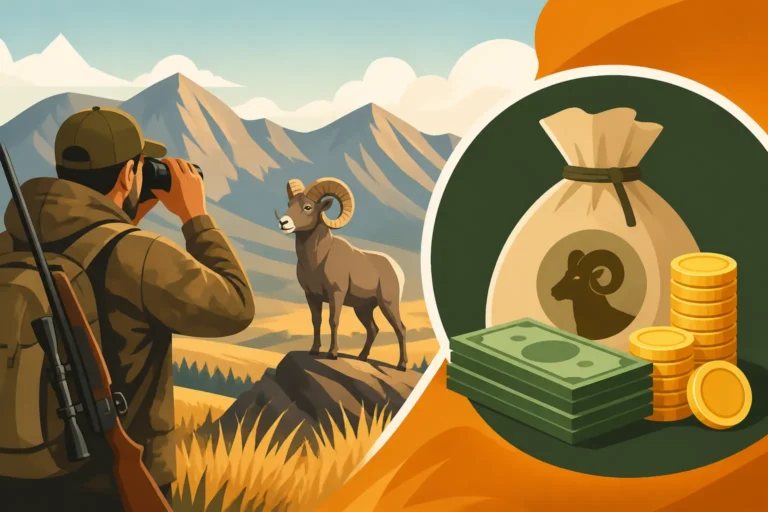
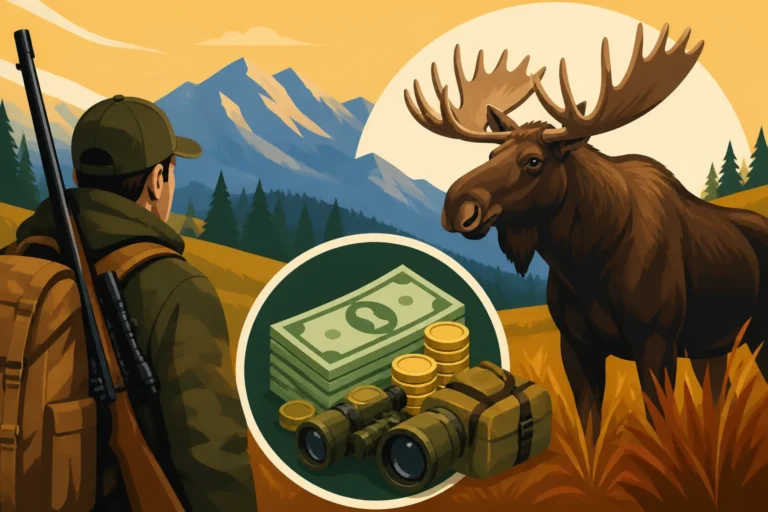
The primary allure of a DIY hunt is, undoubtedly, the cost savings. Outfitters and guides represent a significant investment, often many thousands of dollars. By going DIY, you save on those fees, allowing your hunting budget to stretch further for travel, gear, and licenses. This financial independence is a huge draw for many, and frankly, it's what makes hunting the West accessible to a broader range of people.
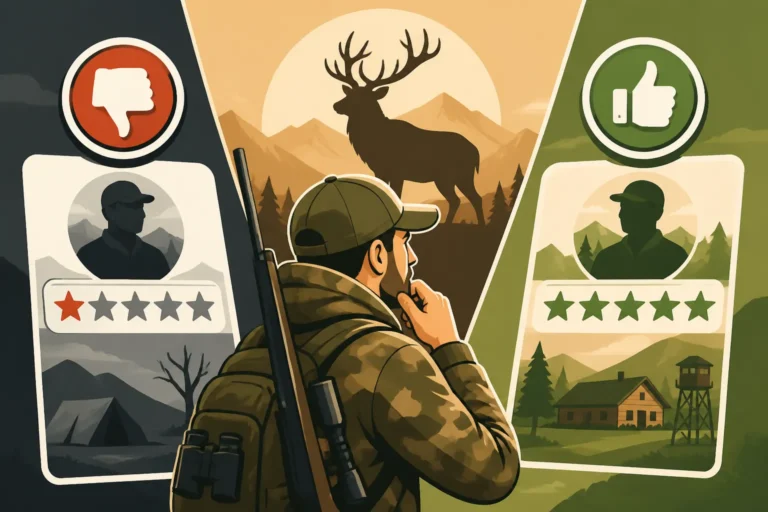
However, this financial saving comes at a significant cost in terms of time and effort. You are responsible for everything: research, planning, logistics, navigation, animal location, packing out, and safety. For hunters with limited time off, or those new to the specific challenges of Western hunting, this can be an overwhelming burden. Your success rate might also be lower, especially on your first few DIY attempts, simply because you're learning the ropes. If you're weighing these factors, you might consider how BookYourHunt provides a platform for comparing guided hunt prices and services, giving you a clearer picture of the financial and logistical differences if the DIY path feels too steep. For some, after a few tough DIY hunts, researching a guided option on a platform like BookYourHunt becomes a sensible next step, particularly if their time is limited.
When to Consider Professional Help
There are definitely scenarios where a professional guide makes a lot of sense, even for the most independent hunter. If you're targeting a once-in-a-lifetime species like bighorn sheep or moose in a remote wilderness area where regulations require a guide for non-residents (as detailed in Hunting Solo Against Hiring a Guide), a guide becomes a necessity. If you have very limited time for scouting and hunting, an outfitter can drastically increase your chances of success by putting you on animals immediately. They have local knowledge, experience with the terrain, and often access to private land.
Semi-guided hunts or drop camps offer a middle ground. A drop camp outfit will pack you and your gear into a remote backcountry location, leave you with a camp, and pick you up at a pre-determined time. You do all the hunting yourself, but someone else handles the grueling packing and heavy lifting. A semi-guided hunt might offer lodging, meals, and some advice on where to hunt, but you're still doing the actual hunting on your own. Understanding What Semi-Guided Actually Means on a Hunt can help you decide if this partial support is right for you. These options provide a blend of independence and logistical support, making them an attractive compromise for many who want a taste of DIY but appreciate some assistance.
Disclaimer
This article is for general informational purposes only and does not constitute professional advice. Laws, prices and regulations vary by location and change over time. Consult a qualified professional for guidance on your specific situation.