Wyoming Legal Shooting Hours for Big Game
It's incredibly frustrating when you're out in the field, the light is just starting to break, or the sun is dipping below the horizon, and you're constantly glancing at your watch, second-guessing if you're actually within legal shooting hours. Nobody wants to be on the wrong side of the law, especially when you've put so much time and effort into your hunt. This guide is here to untangle the specifics of Wyoming's legal shooting hours for big game, so you can hunt with confidence and stay ethical, from dawn to dusk.
Understanding Wyoming's Core Shooting Hour Rules
When it comes to hunting big game in Wyoming, the foundation for legal shooting hours is pretty straightforward, but it's often where hunters get tripped up by assumptions rather than facts. It’s not simply "first light to last light" or "fixed times." The rules are specific, and they hinge on the precise moments of sunrise and sunset.
The Sunrise to Sunset Principle
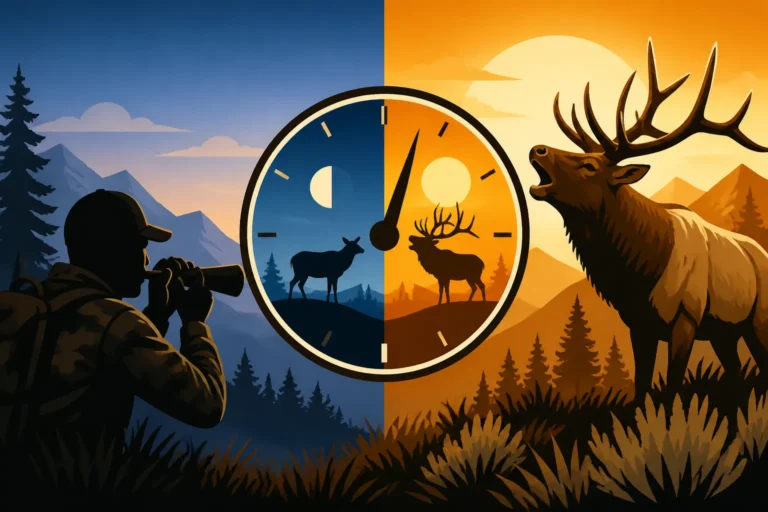
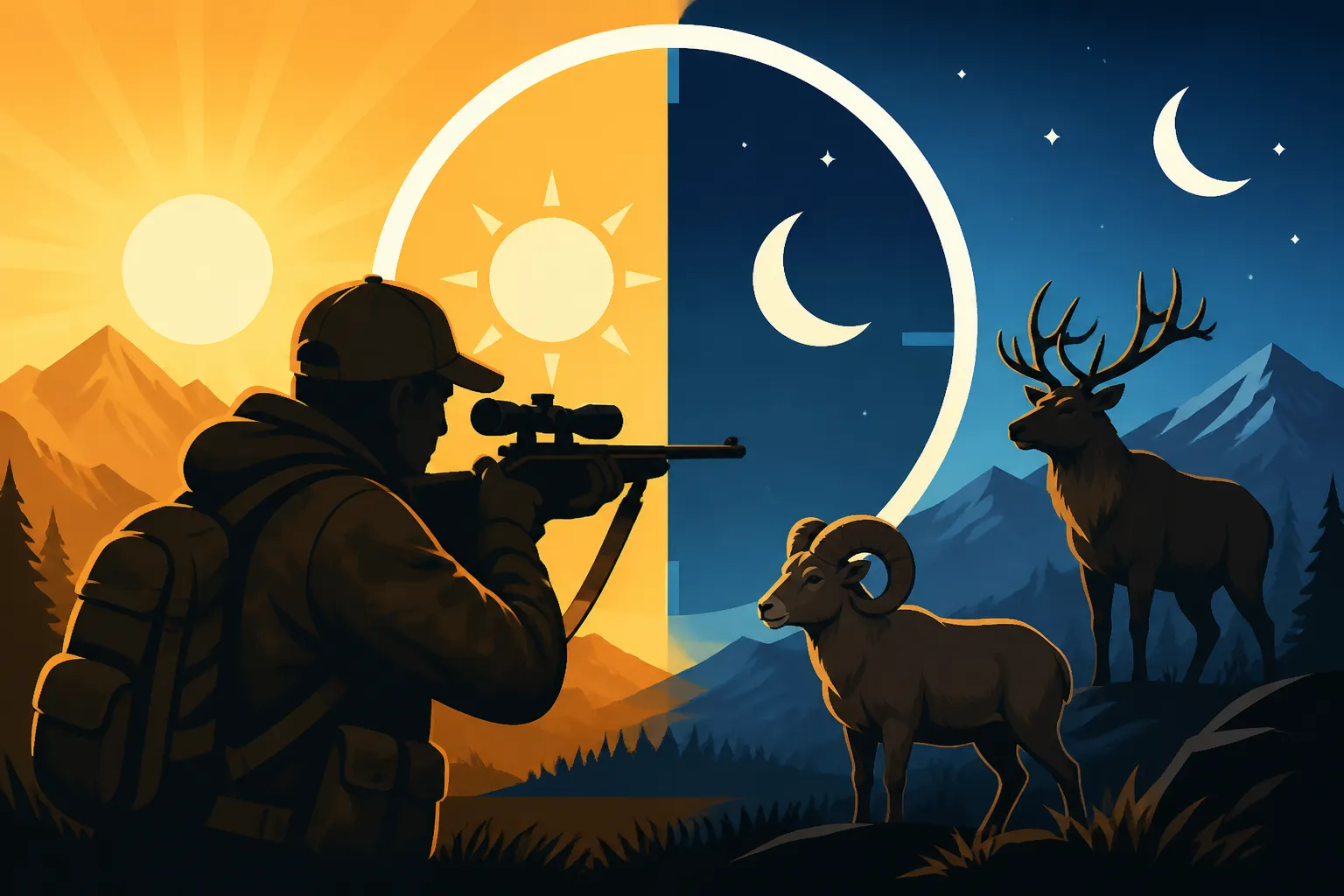
For virtually all big game species in Wyoming – think elk, deer, antelope, moose, bighorn sheep, mountain goat, and bison – the official shooting hours are defined as one-half hour before sunrise to one-half hour after sunset. This might sound simple enough, but the key phrase here is "sunrise" and "sunset." These aren't static times that you can just memorize from a calendar at the beginning of the season. They are dynamic, changing every single day as the Earth moves around the sun, and they even vary slightly depending on your exact geographic location within the state.
Imagine you're hunting mule deer in the Bighorn Mountains in late September. The sun might officially rise at 7:00 AM. That means your legal shooting time begins at 6:30 AM. But fast forward to late October, and that sunrise might now be 7:30 AM, pushing your start time to 7:00 AM. This daily shift, even by a minute or two, can add up significantly over a hunting season, catching many hunters off guard. The temptation to try and push those edges, especially when you hear an elk bugle just before legal light, is strong, but it's a line you absolutely don't want to cross.
Why These Rules Are in Place
These seemingly strict timeframes aren't arbitrary; they are rooted deeply in safety, fair chase ethics, and sound wildlife management. First and foremost, low-light conditions dramatically increase the risk of an unsafe shot. When visibility is poor, it’s much harder to clearly identify your target, discern what’s beyond it, or even confirm if it’s a legal animal according to antler point restrictions. You don't want to be the hunter who takes a risky shot that could endanger others or wound an animal without a clean kill.
From an ethical standpoint, hunting in near darkness can give a hunter an unfair advantage, diminishing the concept of fair chase. Big game animals are often most active during those crepuscular hours – dawn and dusk. Allowing hunters to operate in near pitch-black conditions would make it incredibly difficult for animals to evade detection, potentially leading to increased stress on populations and less sporting hunts. Wyoming's rules strive to maintain a balance, giving hunters a window of opportunity while still respecting the animals and the spirit of the hunt. Finally, wildlife managers use these regulations as part of a broader strategy to control harvest levels. By limiting hunting to specific daylight hours, they can better predict and manage the take of various species, ensuring healthy populations for future generations.
How Shooting Hours Shift Through the Season
The notion that hunting hours remain fixed throughout a season is a common misconception, leading to unnecessary stress and potential violations for hunters. In reality, legal shooting times are constantly in flux, making accurate, up-to-date information absolutely essential for any responsible hunter in Wyoming.
Tracking Solar Times Accurately
The earth's rotation and its orbit around the sun mean that the exact moment of sunrise and sunset changes daily. These shifts are subtle, often just a minute or two each day, but they accumulate rapidly. For example, if you're chasing elk in the high country during the archery season in early September, your legal shooting light might begin around 6:00 AM and end around 8:00 PM. However, by the time the general rifle season opens in late October, those times could easily have shifted to a 7:00 AM start and a 6:00 PM end. That's a huge difference in your hunting window.
Relying on a general "first light" feeling is a recipe for disaster. Instead, successful hunters leverage tools designed for precision. Many modern hunting apps, like GoHunt, integrate real-time sunrise and sunset data, often down to the exact coordinates of your location. This feature is invaluable, especially when you're deep in a unit without cell service. Before you head out, you can often download or cache this information. Another dependable method is checking local weather forecasts or newspapers in the specific town closest to your hunt area; they usually publish daily sunrise/sunset times. Some hunters even prefer printing out a monthly solar table for their general area and carrying it with them. The critical takeaway is to check these times frequently – ideally daily, but at least weekly – to ensure you're always operating within the legal window. The last thing you want is to have a game warden check your times and find you're a few minutes too early or too late.
Geographic Variations Across Wyoming
Adding another layer of complexity to the shifting solar times is the sheer geographical size of Wyoming itself. What constitutes sunrise in the eastern part of the state, say near Gillette or Cheyenne, will be markedly different from the sunrise observed in the western reaches, such as the Jackson Hole area or the Bridger-Teton National Forest. The sun quite literally rises earlier in the east and later in the west.
Consider a crisp morning in mid-October. A hunter patiently waiting for a mule deer buck in Crook County in eastern Wyoming might see legal shooting light begin at 6:45 AM. On the very same day, a hunter pursuing elk in Park County, hundreds of miles to the west, might not be able to legally shoot until 7:15 AM. That's a half-hour difference! This isn't just a minor detail; it can significantly impact your hunt strategy, your morning approach, and your evening stand. Ignoring these geographical differences means you could be legally hunting at one end of the state and breaking the law at the other, even on the same calendar day. Always make sure the solar times you're referencing are specific to your actual hunt location, not just a general statewide average. This often ties into understanding Wyoming Elk Season Dates Are Set Hunt Area by Hunt Area or Wyoming's Regular Deer Season Openers by Area, as your specific area dictates your season and thus your relevant solar times.
Species-Specific and Area-Specific Exceptions
While Wyoming's core rule of one-half hour before sunrise to one-half hour after sunset is remarkably consistent for big game, understanding which species and situations it applies to, and where it doesn't apply (for other types of hunting), is crucial for avoiding any misunderstandings in the field.
Big Game Species Covered by General Rules
The good news for big game hunters in Wyoming is that this foundational rule applies universally across all the state's major big game species. Whether you're chasing the majestic elk in the mountains, patiently stalking a pronghorn across the open sagebrush, pursuing mule deer in the canyons, or hoping for a once-in-a-lifetime tag for moose, bighorn sheep, mountain goat, or bison, the "half-hour before sunrise to half-hour after sunset" rule is your constant. This consistency simplifies things considerably for hunters who might pursue different species across various seasons. You don't have to memorize a different set of shooting hours for each type of animal, which definitely helps ease the mental load during a demanding hunt. The primary variable remains the actual, daily changing solar times for your specific location.
Archery Seasons and Shooting Hours
For those who embrace the challenge of bowhunting, the same legal shooting hours apply during archery seasons. If you're out there with your compound, recurve, or longbow trying to call in a bull elk or intercept a cruising whitetail buck, you're still bound by the one-half hour before sunrise and one-half hour after sunset rule. However, while the legal window is the same, many experienced bowhunters often self-impose stricter ethical guidelines when it comes to low-light shooting.
Taking an archery shot in those very marginal low-light conditions, even if technically legal, carries a higher risk of a poor hit or a wounded animal that can be incredibly difficult to track. The margins for error with archery equipment are much smaller than with a firearm. Many bowhunters will choose to wait until there's clearly enough light to make a confident shot, where they can perfectly see the animal's vitals, assess range without any doubt, and ensure a clean pass-through. This commitment to an ethical shot often means waiting an extra 10-15 minutes in the morning or stopping 10-15 minutes earlier in the evening, even if the regulations technically allow a slightly longer window. It's a personal decision that speaks to the heart of conservation and respect for the game.
Deviations and Local Regulations
It's important to clarify that for big game in Wyoming, there are generally no specific "hunt area" deviations from the standard one-half hour before/after solar times. The primary factor causing perceived "shifts" in hours is the actual daily sunrise/sunset, which varies by date and geographic location, as we've discussed. You won't find a regulation saying, "In Elk Hunt Area 34, you can hunt an hour before sunrise," for instance. The rule is consistent across the state for all big game.
However, where you do see different rules regarding hunting hours is with other species, particularly predators and furbearers. For example, Wyoming Spotlighting Rules for Hunting Predators exist, and for species like coyotes, Is Night Hunting Legal for Coyotes Out West? is a common question, and the answer can be yes under specific circumstances, often involving artificial light sources, which are strictly prohibited for big game. This distinction is vital: don't confuse the rules for varmints or predators with those for elk, deer, and antelope. Big game hunting in Wyoming is definitively a daylight pursuit, defined by the sun's position. Always consult the official Wyoming Game and Fish Department regulations for your specific year, as rules can occasionally be updated. You can find up-to-date information at Where the Current Wyoming Regulations Are Posted.
Practical Tips for Staying Legal and Ethical
Navigating the nuances of legal shooting hours in Wyoming doesn't have to be a source of anxiety. With the right preparation and field practices, you can confidently hunt within the law and uphold the highest ethical standards.
Pre-Season Planning and Tools
Before you even step foot in your chosen hunt area, a significant portion of your planning should revolve around understanding and documenting the legal shooting hours. Don't wait until the morning of your hunt to start guessing. One of the most effective tools for this is a dedicated hunting app. Applications like GoHunt often come equipped with built-in sunrise/sunset calculators that use your device's GPS to provide precise times for your exact location. These apps update daily, ensuring you always have the most current information at your fingertips. Many even allow you to download maps and data for offline use, which is critical in areas where cell service is non-existent, a common occurrence in Wyoming's vast public lands.
Beyond apps, consider printing out a monthly solar table for the nearest town to your hunt unit. You can often find these by doing a quick web search for "sunrise sunset times [town name] [month]." Laminating a small card with these times and attaching it to your binoculars or backpack ensures you always have a quick reference. While you're at it, make sure you're also familiar with all general regulations, such as Carrying Proof of Certification in the Field and What Wyoming Counts as a Legal Firearm for Big Game. Being prepared isn't just about having the right gear; it's about having the right information.
Field Practices for Ethical Hunting
Once you're in the field, it's about disciplined execution. Always, and I mean always, err on the side of caution when it comes to legal shooting light. That extra five or ten minutes of waiting in the morning, or calling it a little early in the evening, could be the difference between a legal, ethical harvest and a costly mistake. Resist the urge to press the limits, especially when the adrenaline is pumping. If you can’t clearly identify your target, confirm it’s a legal animal, and be absolutely certain of a clean shot placement with no obstructions, then the shot isn't worth taking, regardless of the time.
Think about the conditions: heavy timber, fog, rain, or even just dense shadows can obscure visibility, effectively shortening your true ethical shooting window well before the legal one closes. For example, when you're glassing for mule deer, especially if you're using optics like spotting scopes or binoculars, Best Time of Day to Glass Mule Deer might be right at dawn or dusk, but actually shooting them might require more light. It’s also important to consider the tracking challenge. If you shoot an animal in very low light and it doesn’t drop immediately, tracking a blood trail in the dark can be nearly impossible, increasing the risk of losing the animal and violating wanton waste laws.
A good rule of thumb is to allow for ample time to assess the situation fully. This includes accounting for things like Reading Wind on an Open-Country Stalk which becomes even more critical in those still morning and evening hours. Always carry a reliable light source – a headlamp or flashlight – for navigating to and from your stand or stalking location outside of legal shooting hours, not for taking shots. Remember, a responsible hunter values a clean, ethical harvest above all else, ensuring the resource is respected and managed for everyone.
| Time Reference | Definition for Big Game Hunting | Practical Application |
|---|---|---|
| Sunrise Minus 30 Minutes | Legal shooting hours begin exactly 30 minutes before the official sunrise time. | Set your alarm earlier than you think; use a reliable app like GoHunt for precise times. |
| Official Sunrise | The moment the upper edge of the sun appears on the horizon. | Your actual hunting time starts 30 minutes before this. Don't confuse this with legal start time. |
| Official Sunset | The moment the upper edge of the sun disappears below the horizon. | Your actual hunting time ends 30 minutes after this. |
| Sunset Plus 30 Minutes | Legal shooting hours end exactly 30 minutes after the official sunset time. | Be packed up and heading out by this time. No "just one more minute." |
| Geographic Variation | Sunrise/sunset times vary by several minutes across Wyoming's east-west expanse. | Always check times specific to your exact hunt area, not just a general state time. |
| Seasonal Shift | Sunrise/sunset times change daily throughout the hunting season. | Update your information frequently (daily or weekly) for continuous accuracy. |
Disclaimer
Please remember that hunting regulations can change. Always consult the most current Wyoming Game and Fish Department regulations for the season you plan to hunt before heading into the field. This guide is for informational purposes only and should not be considered a substitute for official legal documentation.