The Black Bear Baiting Rules in Wyoming
There’s a unique satisfaction that comes from hunting black bears, especially when you’ve put in the time and effort to understand their habits and draw them in. However, the world of bear baiting can feel like navigating a dense thicket of regulations, and Wyoming is no exception. Many hunters, both seasoned and new, often grapple with exactly what’s allowed and what’s absolutely forbidden when it comes to setting up a bait site. This comprehensive guide is here to untangle those rules, clarify the expectations, and help you ensure your black bear baiting efforts in the Cowboy State are both effective and completely legal.
Understanding Wyoming's Approach to Bear Baiting
Wyoming takes a nuanced stance on black bear baiting, recognizing its role in specific management strategies while also imposing strict controls to maintain fair chase principles and public safety. It's not a free-for-all, nor is it entirely prohibited like in some other states. This balance is key to understanding why the rules are designed the way they are.
Why Baiting is a Hot Topic for Hunters
Baiting for bears often sparks lively discussions among hunters. On one hand, it can significantly increase your chances of a shot opportunity, allowing for careful identification and a calm, ethical shot. It also provides a unique chance to observe bear behavior up close, learning their patterns and hierarchies. For many, it's a way to introduce new hunters to the sport with a higher likelihood of success, or to target specific, mature bears after extensive scouting.
However, critics sometimes raise concerns about fair chase or the potential for habituation. Wyoming’s Game and Fish Department (WGFD) acknowledges these perspectives and has crafted regulations that aim to harness the benefits of baiting while mitigating potential downsides. They understand that for many, sitting over a bait site is a cherished tradition, but that tradition must align with modern wildlife management. It’s a far cry from just throwing out some old donuts; it requires planning, permits, and strict adherence to the rules.
General Principles of Wyoming's Baiting Regulations
At its core, black bear baiting in Wyoming is permitted, but it's a highly regulated activity. You can't just set up a bait station anywhere you please. The WGFD designates specific "black bear baiting areas" within certain hunt units where this practice is allowed. These areas are carefully chosen, often in regions with healthy black bear populations and where grizzly bears are either absent or very rare, minimizing potential conflicts.
The overarching principle is control and accountability. Every bait site must be registered, properly marked, and continuously monitored. This isn't just bureaucratic red tape; it's about ensuring safety for other outdoor users, preventing the spread of disease, and allowing wildlife managers to track the practice effectively. It’s crucial to remember that these rules are dynamic and can change annually. Before you even think about setting up your first bait, you absolutely need to consult the most current Wyoming hunting regulations, which are updated each year.
Key Requirements for Legal Bear Baiting in Wyoming
Alright, let's get into the nitty-gritty of what you actually need to do to legally bait black bears in Wyoming. This isn't just about having a bear tag; there are several layers of permits, specific bait types, and placement rules you must follow.
The Permit System and Specific Hunt Areas
First and foremost, a valid black bear hunting license isn't enough on its own. If you intend to bait, you must acquire a special "Black Bear Baiting Permit" from the Wyoming Game and Fish Department. This permit is distinct from your hunting license and is often tied to specific hunt areas or designated baiting areas within those units. This is a critical point that many new baiters overlook, and it can land you in hot water if you're not careful.
These permits are typically available for purchase online through the WGFD website or at any license selling agent. The number of baiting permits might be limited in certain areas, or they might be assigned to specific dates to manage pressure. It’s always best to apply early and check the WGFD website or resources like GoHunt which can help you research specific units and their baiting allowances. They often break down unit-specific information, including bear populations and draw odds, making it easier to plan your hunt. Understanding which Wyoming Black Bear Baiting Areas are open is fundamental to your success and legality.
What Constitutes Legal Bait
This is where things can get a little tricky, as what might seem logical to you might not be legal under Wyoming law. The WGFD defines what you can and cannot use as bait very clearly. Generally, baits must be non-perishable, non-meat-based, and something that will primarily attract bears without drawing in too many other scavengers or big game animals.
Legal Bait Examples Often Include:
- Sweets and Baked Goods: Donuts, pastries, candy, molasses, syrup. These are highly attractive to bears and are a staple for many baiters.
- Grains and Dog Food: Corn, oats, or large quantities of dry dog food. These offer a good base that can be mixed with other attractants.
- Grease and Oils: Fryer grease, bacon grease, or other rendered fats. These create a strong scent trail that can pull bears from a distance.
- Fruits and Vegetables: Apples, carrots, or other produce can be effective.
Crucially, What is Not Allowed:
- Meat or parts of predatory animals: This means no coyote, bobcat, or mountain lion carcasses.
- Any part of a big game animal: You absolutely cannot use deer, elk, moose, or other big game animal parts (bones, hide, gut piles) as bear bait. This rule is in place to prevent the spread of disease and maintain ethical hunting standards.
- Animals that have died from disease: Using any animal that died of natural causes or disease is strictly prohibited to prevent disease transmission.
- Garbage or refuse: Your bait site is not a dump.
The size and volume of bait are also worth considering, though specific numerical limits are less common than the type of bait. The general idea is to provide enough to attract bears, but not so much that it becomes an unsanitary or public nuisance. The emphasis is on quality and consistency over sheer quantity, and making sure it doesn't decay rapidly into a biohazard.
Placement and Distance Regulations
Where you place your bait is just as important as what you put out. Wyoming has clear regulations designed to ensure safety, prevent conflicts with other land users, and maintain the integrity of the ecosystem. You can't just toss a barrel of donuts in the middle of a popular hiking trail.
Key Placement Rules:
- Distance from Public Roads and Trails: Bait sites must be a minimum distance from any public road, designated hiking trail, or other public access points. This is usually around 200 yards (600 feet) but always check the current regulations as these numbers can change. Imagine setting up your perfect bait site only to find it's too close to a well-used hiking trail, potentially putting other outdoor enthusiasts at risk or leading to a hefty fine.
- Distance from Occupied Dwellings: You absolutely cannot place bait within a certain distance of any occupied building or residence. This is a common-sense safety rule.
- Private Land Considerations: If you are baiting on private land, you must have explicit written permission from the landowner. Even then, all public land baiting rules still apply. Most baiting occurs on public lands like National Forests or BLM areas, but even there, specific land management agency rules might layer on top of WGFD rules.
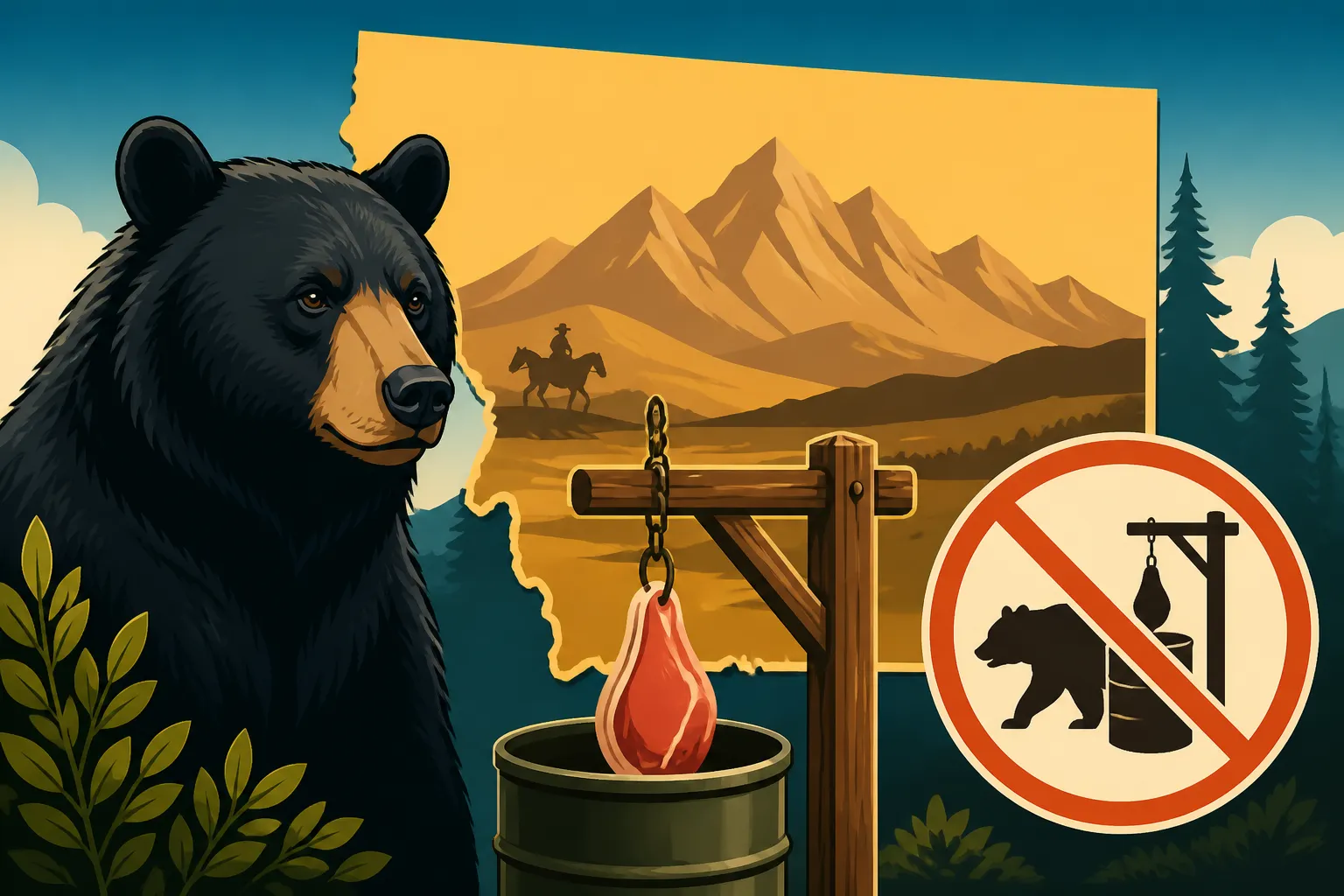
- Registration and Signage: Every single bait site must be clearly registered with the WGFD and prominently marked with a sign. This sign needs to include your name, address, and your black bear hunting license number. This allows WGFD personnel to identify the responsible party and ensure compliance. This also helps other hunters or outdoor users understand why there’s a pile of pastries in the woods.
Setting up a bait site requires careful scouting, not just for bear sign, but also for compliance with these distance rules and the overall suitability of the location. Always have a map handy and be mindful of property boundaries and public use areas.
Operational Rules and Ethical Considerations
Once your bait site is established, the work isn't over. There are ongoing responsibilities and ethical considerations that are paramount to legal and responsible bear baiting in Wyoming.
Registration, Signage, and Monitoring
As touched on earlier, the process of registering your bait site isn't a suggestion; it's a legal requirement. You need to formally register your site with the WGFD before you put out any bait. This registration typically specifies the exact location of your bait site. Once registered, you must place a legible sign at the site, clearly displaying your name, address, and your black bear hunting license number, as well as the dates the bait is active. This information helps WGFD officials monitor compliance and provides transparency to other users of public land.
Beyond registration, you have a continuous responsibility to monitor your bait site. This isn't just about checking for bear activity; it’s also about ensuring the bait remains legal, doesn't become a public nuisance, and isn't attracting non-target species. You're responsible for maintaining the site and, crucially, for removing all bait materials at the end of the season or if you decide to abandon the site. Leaving garbage or decaying food behind is illegal and reflects poorly on all hunters. This diligence is key to responsible hunting and often requires multiple trips into the woods, especially during periods when bears are actively visiting. Some hunters even use trail cameras to monitor their sites without constant physical presence, which is generally allowed under Trail Camera Rules on Wyoming Public Land. Resources like GoHunt can sometimes provide mapping tools that help track your bait sites and plan your visits.
Hunting Over Bait: Timing and Methods
When it comes to the actual hunt over bait, standard Wyoming hunting regulations still apply. This includes adherence to legal shooting hours. Generally, Legal Shooting Hours and Vehicle Rules in Wyoming specify that hunting is permitted from one-half hour before sunrise to one-half hour after sunset. You cannot hunt bears over bait (or any other method) outside of these hours. This means no late-night sits hoping for a nocturnal bear visit, even if your trail camera shows them active then.
You also need to use a legal weapon, whether that's a firearm or archery equipment. Wyoming has specific rules regarding What Wyoming Counts as a Legal Firearm for Big Game and archery equipment, including draw weight and broadhead requirements, that apply to bear hunting. Regardless of your chosen method, the principle of fair chase and a clean kill remains paramount. Baiting offers an opportunity for a controlled shot, so make the most of it by ensuring you have a clear shot and positive identification before releasing an arrow or pulling a trigger.
Avoiding Grizzly Bear Encounters and Identification
This is arguably the most critical consideration for any bear hunter in Wyoming, especially in the western parts of the state. Wyoming is home to a robust population of grizzly bears, which are federally protected. Mistakenly shooting a grizzly bear is a severe offense with extremely serious legal consequences, including hefty fines and potential jail time.
Therefore, positive identification is non-negotiable. You must be 100% certain you are looking at a black bear before you shoot. This means taking the time to observe the animal, looking for key identifying characteristics:
- Shoulder Hump: Grizzly bears typically have a prominent shoulder hump; black bears do not.
- Facial Profile: Grizzlies tend to have a "dished" or concave facial profile; black bears have a straighter, "Roman nose" profile.
- Ears: Black bears usually have larger, more prominent ears in proportion to their head; grizzly ears are often smaller and rounder.
- Claws: While hard to see in the field, grizzly claws are typically longer and straighter for digging; black bear claws are shorter and more curved for climbing.
- Size and Color: These are not reliable indicators. Black bears can be enormous, and can come in various "color phases" including cinnamon, chocolate, and even blonde, which can resemble a grizzly. Conversely, young grizzlies can be small. Do not rely on color or size alone. You can learn more about How Common Color Phase Black Bears Are and Identifying a Cinnamon Bear in the Field to avoid misidentification.
It's also essential to be aware of the geographical distribution of grizzly bears. While black bears are found across much of the forested areas of Wyoming, grizzlies are primarily concentrated in the Greater Yellowstone Ecosystem, including areas around Grand Teton National Park, the Bridger-Teton National Forest, and parts of the Shoshone and Bighorn National Forests. If you are baiting in these areas, your vigilance must be absolute. Always know your surroundings, and be prepared for a potential grizzly encounter, including understanding Food Storage Rules in Grizzly Country to minimize attractants around your camp. For a deeper dive, check out Telling a Grizzly From a Black Bear.
Post-Hunt Requirements and Best Practices
Congratulations, you've successfully harvested a black bear over your bait site. The hunt isn't truly over, though, until you've completed all post-harvest requirements and left the area better than you found it.
Carcass Care and Site Cleanup
Once a bear is down, your first priority is to properly care for the carcass. Wyoming regulations require that all edible portions of game meat be salvaged and removed from the field. This means you can't just take the hide and head and leave the rest. Failure to salvage edible meat is considered wanton waste, a serious violation. This obligation is detailed in The Bear Meat Salvage Requirement Explained.
Beyond the bear itself, you are responsible for the thorough cleanup of your bait site. This means removing all remaining bait, containers, ropes, stands, or any other materials you brought in. The goal is to leave absolutely no trace that a bait site was ever there. This is a crucial ethical responsibility that ensures the land remains pristine for other users and prevents unnecessary habituation of other wildlife to human food sources. Pack out everything you packed in, and then some, if necessary.
Reporting Harvest and Data Collection
After a successful harvest, reporting your bear to the WGFD is mandatory. This is not just a formality; it's a vital part of wildlife management. The data collected from hunter harvests helps biologists assess population health, track harvest rates, and make informed decisions about future seasons and quotas.
Typically, you'll need to report your harvest within a specific timeframe (often 72 hours) and present the hide and skull to a WGFD game warden or designated check station for sealing. This sealing process involves placing a metal tag or seal on the hide and skull, which signifies that the animal was legally harvested and allows for legal transport and taxidermy. They might also collect a tooth for aging the bear. While specific rules vary, the general process is similar to what's required for other species, such as Mountain Lion Harvest Reporting Requirements. Always double-check the current regulations for exact reporting deadlines and sealing requirements for black bears.
By following these rules and embracing the ethical responsibilities of bear baiting, you contribute to a positive public perception of hunting and help ensure healthy black bear populations for generations to come.
Wyoming Black Bear Baiting Regulations Summary
To help you keep track of the many rules, here's a quick reference table outlining the key elements of legal black bear baiting in Wyoming:
| Requirement | Detail |
|---|---|
| Permit Required | Yes, a special Black Bear Baiting Permit is needed in addition to a hunting license. |
| Designated Areas | Baiting only allowed in specific, designated black bear hunt areas. |
| Registration | All bait sites must be registered with WGFD before baiting. |
| Signage | Each site must have a sign with hunter's name, address, and license number. |
| Legal Bait Types | Sweets, grains, dog food, grease, fruits. |
| Prohibited Bait | Any part of big game animals, predatory animals, diseased animals, garbage. |
| Distance from Roads | Typically 200 yards (600 feet) from public roads/trails (check current regs). |
| Distance from Dwellings | Must be a specified distance from occupied residences (check current regs). |
| Monitoring | Hunter is responsible for regular monitoring and maintenance of the site. |
| Cleanup | All bait materials must be completely removed at the end of the season or if abandoned. |
| Grizzly ID | Absolutely critical to identify as a black bear; no shooting grizzlies. |
| Harvest Reporting | Mandatory reporting to WGFD, including hide/skull sealing. |
| Meat Salvage | All edible portions of the bear must be salvaged and removed. |
Disclaimer
Please remember that hunting regulations, including those for black bear baiting in Wyoming, can and do change. This guide is intended to provide general information and is not a substitute for reviewing the official, current regulations published by the Wyoming Game and Fish Department (WGFD). Always obtain the most up-to-date regulations directly from the WGFD website or authorized vendors before planning your hunt. Your compliance with all state and federal laws is solely your responsibility.