Wyoming Carcass Coupon and Tagging Rules
That adrenaline rush after a successful hunt is incredible, but in the moments after you've legally taken an animal, a whole new wave of questions and anxieties can hit: "Did I tag it right? What do I do with the carcass? Am I following all the rules?" These concerns are totally valid, and they're precisely why understanding Wyoming's carcass coupon and tagging rules is so incredibly important, not just for compliance, but for respecting the game we pursue. This guide is here to walk you through every critical step, from the moment your animal hits the ground to legal transport, ensuring you’re confident and compliant.
The Immediate Aftermath: Tagging Your Trophy
Imagine the scene: you've made a clean shot, and your long-awaited Wyoming buck is down. The immediate thrill is immense, but before you even think about celebrating too much, your mind needs to shift gears to compliance. The very first and most crucial step is properly tagging your animal. This isn't just a suggestion; it's a legal obligation that needs to happen immediately.
Understanding the Carcass Coupon and Tag Placement
Every big game license you purchase in Wyoming comes with a designated carcass coupon. This isn't just a piece of paper; it's the legal proof that you are the rightful owner of that animal. The coupon will have specific information printed on it, matching your license, and it's designed to be detached and securely affixed to the carcass.
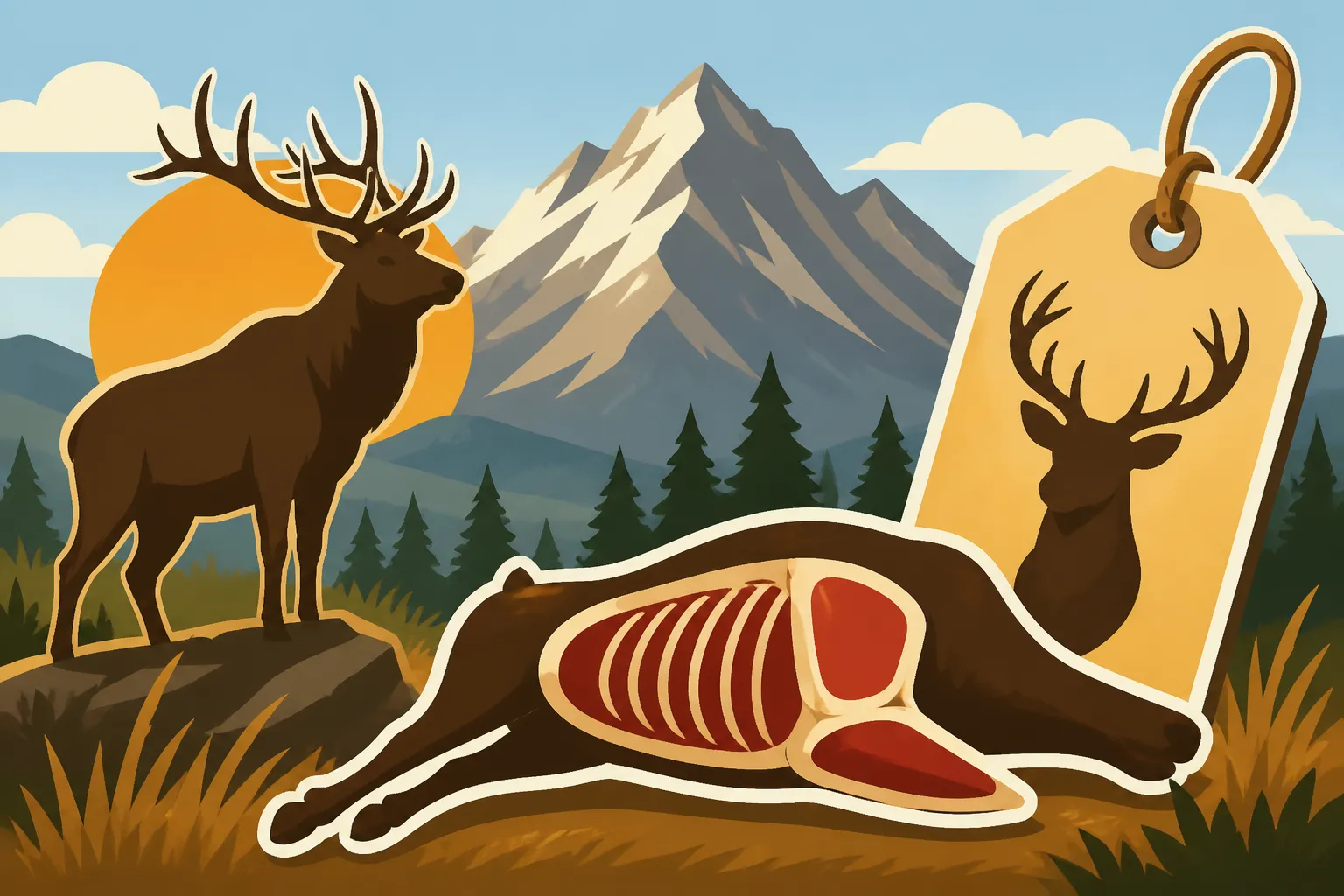
The most common method, and often the one explicitly or implicitly expected, is to attach the tag to the carcass in a way that it cannot be removed or transferred to another animal. Think about punching out the date and securely attaching it to an antler (for antlered game), ear, or leg, using the ties or notches provided. The idea is that this tag should remain with the edible portions of the animal until it's processed and ready for storage or consumption. This means if you quarter your animal in the field, each main portion needs to have part of the tag with it. For instance, if you quarter an elk, ensure the tag information stays with the largest portion, and consider marking other portions with your license number. It’s critical that the tag is legible and firmly attached, resisting accidental removal by brush, weather, or even jostling during transport.
Time is of the Essence: The "Immediately" Rule
Wyoming regulations are quite clear on this: the tag must be dated and attached "immediately" upon taking possession of the animal. But what does "immediately" truly mean when you're out in the vast, wild landscape of Wyoming? It doesn't necessarily mean the second the animal hits the dirt if doing so would compromise safety or the successful retrieval of the animal. For example, if your animal dropped in thick timber or on a steep slope, and you need to ensure the area is safe or retrieve it to a more stable location, common sense and safety should always prevail.
However, once you are at the animal and have it secure, the clock starts ticking. This isn't the time to admire your animal for an hour or wander off to find your buddies. The tag needs to be dated and attached before any significant movement of the carcass occurs and certainly before any field dressing begins. The intent of the "immediately" rule is to prevent someone from moving an untagged animal, or worse, attempting to tag an animal they didn't legally harvest. It’s about accountability and preventing poaching. To delve deeper into this specific timeframe, you might find more clarity in resources like How Soon You Must Tag a Downed Animal.
Consider a scenario where you've stalked a deer for hours, finally made the shot, and it drops in a deep ravine. Your first priority might be to carefully and safely navigate down to the animal. Once there, before you attempt to pull it out or begin any field dressing, that tag needs to be on. It's about demonstrating your legal claim to that animal as soon as reasonably possible under the circumstances.
Field Dressing, Transport, and Proof of Sex
Once your animal is legally tagged, the next steps involve preparing it for transport and ensuring you meet all regulatory requirements regarding evidence of sex and species. These steps are crucial not only for compliance but also for preserving the quality of the meat you've worked so hard to acquire.
Field Dressing and Initial Carcass Preparation
Field dressing is a critical part of the process, especially in Wyoming's often warm early seasons or remote backcountry. Proper field dressing cools the carcass rapidly, which is essential to prevent spoilage and ensure the best possible meat quality. The basic process involves removing the internal organs (viscera) as quickly as possible. This reduces heat, lightens the load for packing out, and removes sources of bacterial contamination.
When field dressing, think about how you will transport the animal. If you plan to quarter the animal and pack it out on your back, you'll want to be meticulous. Consider bringing a lightweight game saw or sturdy knife for bone-in quartering. Always use game bags—not plastic tarps or garbage bags—to protect the meat from flies, dirt, and debris while allowing it to breathe and cool. Good quality game bags are permeable and breathable, preventing the meat from sweating and spoiling. For more detailed insights on this, refer to Field Dressing and Carcass Transport Rules Explained. If you're hunting in particularly warm weather, you might even consider bringing some ice or dry ice in a cooler to rapidly cool quarters once they are off the mountain and into your vehicle.
Maintaining Evidence of Sex and Species Identification
This is an area where hunters often get tripped up, and it's absolutely vital for compliance. Wyoming law requires that certain evidence of sex and species identity remain attached to the carcass until it reaches its final destination for processing or consumption. This isn't just about showing off your bull's antlers; it's about proving to game wardens that you've harvested a legal animal for the specific license you hold.
For antlered big game, like deer, elk, and moose, the most obvious proof is often the skull plate with antlers attached, or the entire head. However, rules can vary. For example, some regulations might require that the head (with antlers) remains naturally attached to the largest portion of the carcass or at least accompanies it until it reaches the hunter's home or a commercial processor. For antlerless game, such as cow elk or doe deer, specific parts might need to be retained, often the udder, vulva, or a portion of the head showing sex characteristics. It’s always best practice to leave significant evidence. When quartering, ensure that if the head is detached, it’s clearly marked with your tag number and kept with the meat. For a definitive breakdown of these requirements, especially for various species, check out Evidence of Sex Requirements on a Carcass. Online resources like GoHunt can also be invaluable for cross-referencing these specific regulations for your chosen hunt area and species.
Transporting Your Game Home Legally
Once your animal is field dressed, tagged, and the necessary evidence of sex is preserved, you need to transport it out of the field and ultimately home. How you do this depends on whether you've quartered the animal or are taking it out whole, and whether you're staying in Wyoming or heading out of state.
Within Wyoming, as long as the carcass is tagged and the evidence of sex is present, you can transport it. If you've quartered it, ensure each major portion is in a game bag and protected. If you're transporting a whole animal, it's common courtesy and a good idea to cover it with a tarp, especially if it's visible to the public. This shows respect for the animal and avoids alarming non-hunters.
Crossing state lines with big game is where things can get a bit more complex, especially with concerns about Chronic Wasting Disease (CWD). Many states have strict regulations about what parts of an animal can be imported from CWD-positive areas (which includes much of Wyoming). Generally, you can transport:
- Deboned meat
- Clean skull plates with antlers (no brain tissue)
- Antlers without skull plates
- Hides without the head
- Teeth
- Finished taxidermy products
You generally cannot transport whole carcasses, spinal columns, or brain matter across state lines unless they are destined for a licensed taxidermist or processor in the destination state that is aware of and equipped to handle CWD regulations. Always check the regulations of any state you plan to travel through or to, before you hunt. A quick check on the Wyoming Game and Fish Department website or resources like GoHunt can often provide links to other states' CWD import regulations.
Avoiding Wanton Waste and Ethical Considerations
Harvesting an animal carries a profound responsibility. Beyond the legal tagging and transportation rules, there’s an ethical imperative to utilize the meat and prevent waste. Wyoming's wanton waste laws are strict, reflecting this deep-seated value within the hunting community.
What Constitutes Wanton Waste in Wyoming
Wyoming takes wanton waste very seriously, and for good reason. It’s illegal to abandon any edible portion of a game animal. This means you can't just take the head and leave the rest of the meat to rot in the field. The law is designed to ensure that if you take an animal, you make a reasonable effort to salvage and use its meat.
What exactly is an "edible portion"? Generally, this refers to the quarters and the backstraps, though it can extend to other parts depending on the species and situation. For example, leaving an entire hindquarter of an elk just because it's heavy would almost certainly be considered wanton waste. The law doesn't expect you to take every single scrap of meat, but it does require diligent effort to recover all major edible portions.
Hypothetically, if you shoot an elk late in the day, deep in the backcountry, and can only get out two quarters before dark, you are expected to return as soon as possible (the next morning, for instance) to retrieve the remaining edible meat. Failing to do so could lead to serious legal repercussions, including fines, loss of hunting privileges, and even jail time. To gain a full appreciation of the nuances and implications, a thorough review of Wanton Waste Rules Every Wyoming Hunter Should Know is highly recommended.
The Importance of Meat Salvage
Beyond the legal mandate, salvaging the meat is a cornerstone of ethical hunting. It honors the animal and the privilege of the hunt. Every hunter hopes for a quick, clean kill, and respecting the animal means making every effort to ensure its meat is used. This commitment to meat salvage means planning your hunt not just for the kill, but for the recovery.
This planning might involve bringing extra game bags, a large pack frame, sufficient water, and even having a retrieval plan with friends or horses if you're targeting large game like elk in rugged terrain. It also means making realistic decisions about shot placement and understanding your capabilities for packing out an animal. If you doubt your ability to retrieve all the meat from an animal in a particular spot, it might be an ethical choice to pass on that shot, even if it’s a legal one.
In cases where you have more meat than you or your family can consume, or if you simply wish to contribute, Wyoming has programs that facilitate donating game meat to those in need. Organizations and local food banks often accept properly field-dressed and processed game. Exploring options for Donating Game Meat After a Wyoming Hunt is a fantastic way to ensure no meat goes to waste and helps give back to the community. It’s a rewarding feeling to know your successful hunt is providing food for others.
Staying Informed and Prepared
The landscape of hunting regulations can shift, and being prepared means staying current with the rules and having the right gear for the moment after the shot. It’s not just about knowing how to shoot; it’s about knowing how to be a responsible and legal hunter from start to finish.
Accessing and Interpreting Current Regulations
Hunting regulations are not static; they can and do change from year to year, sometimes even within a season, based on herd management objectives, disease concerns, and legislative updates. Relying on outdated information, or simply what a buddy told you last year, is a recipe for trouble.
The absolute best source for current, official Wyoming Game and Fish Department (WGFD) regulations is always the WGFD website. They publish comprehensive regulation booklets for each species (elk, deer, antelope, etc.) annually. It’s crucial to download and thoroughly read the specific regulations for the species and hunt area you will be pursuing before you ever step foot in the field. These booklets detail everything from license types, season dates, hunt area boundaries, and, of course, the specific tagging and carcass handling rules. For general information on where to find these, consult Where the Current Wyoming Regulations Are Posted. You can also find fantastic interactive maps and digital regulation summaries through platforms like GoHunt, which often integrates WGFD data to make it more digestible and searchable for hunters. They provide a convenient way to cross-reference regulations while planning your trip.
Always pay close attention to any specific regulations pertaining to CWD management areas, as these often have additional rules for carcass transport and sampling that supersede general guidelines. A good habit is to review the regulations a few weeks before your hunt and then again just days before, to catch any last-minute updates.
Preparing for Your Hunt Beyond the Shot
Being prepared for the shot is one thing, but being prepared for everything after the shot is equally, if not more, important. Your hunting pack should contain more than just your rifle or bow and ammo.
Here’s a practical checklist of items essential for post-harvest compliance and meat care:
| Item | Purpose | Notes |
|---|---|---|
| Hunting License & Tags | Legal proof of harvest | Carry multiple copies or a waterproof holder. Your physical tag must be on your person. |
| Permanent Marker | Dating your carcass tag | A good quality, waterproof one. |
| Sharp Knife(s) | Field dressing, quartering | Bring a primary and a backup. Keep them sharp! |
| Game Bags | Protecting meat from insects, dirt, and allowing it to cool | Essential for all big game. Avoid plastic bags. |
| Gloves | Hygiene and protection during field dressing | Nitrile or latex gloves are ideal. |
| Cordage/Zip Ties | Securing carcass tag, tying off legs | Handy for various tasks, including making sure that tag doesn't come off. |
| Small Saw/Hatchet | Breaking down bone for quartering (optional, but very useful) | Especially for larger animals like elk. |
| Headlamp/Flashlight | Necessary for field dressing or tracking in low light | Don't get caught in the dark. |
| Pack Frame/Large Pack | Transporting meat out of the field | Ensure it's capable of carrying heavy, awkward loads. |
| Water & Snacks | Sustenance for yourself during the strenuous retrieval process | You'll expend a lot of energy. |
Remember, demonstrating your hunter education certification is also a key part of compliance, so ensure you have your proof of certification with you, as discussed in Carrying Proof of Certification in the Field. Being ready for these critical post-shot tasks will not only ensure you're compliant with Wyoming's regulations but will also make the entire hunting experience more rewarding and respectful of the game you've harvested.
Disclaimer
This article is for general informational purposes only and does not constitute professional advice. Laws, prices and regulations vary by location and change over time. Consult a qualified professional for guidance on your specific situation.