The Wyoming Elk Population Estimate Explained
It can be incredibly frustrating, can't it? You spend hours researching, poring over draw odds and unit breakdowns, all while trying to make sense of numbers like "population estimates" and "herd objectives" that sometimes feel disconnected from what you actually see in the field. This guide is here to pull back the curtain on how Wyoming’s elk population estimates are actually formulated, what they really mean for hunters, and how you can use this knowledge to become a more informed and successful elk hunter in the Cowboy State.
Unpacking Wyoming’s Elk Population Estimates
When you're planning a Wyoming elk hunt, whether you're dreaming of a trophy bull or simply looking for a freezer-filler cow, one of the first things you'll probably look at are the population figures. These aren't just arbitrary numbers pulled out of thin air; they're the result of painstaking work by the Wyoming Game and Fish Department (WGFD) biologists who are constantly monitoring and assessing elk herds across the state. However, understanding how these estimates are made, and what their limitations are, is crucial for any serious hunter.
The Science Behind the Numbers
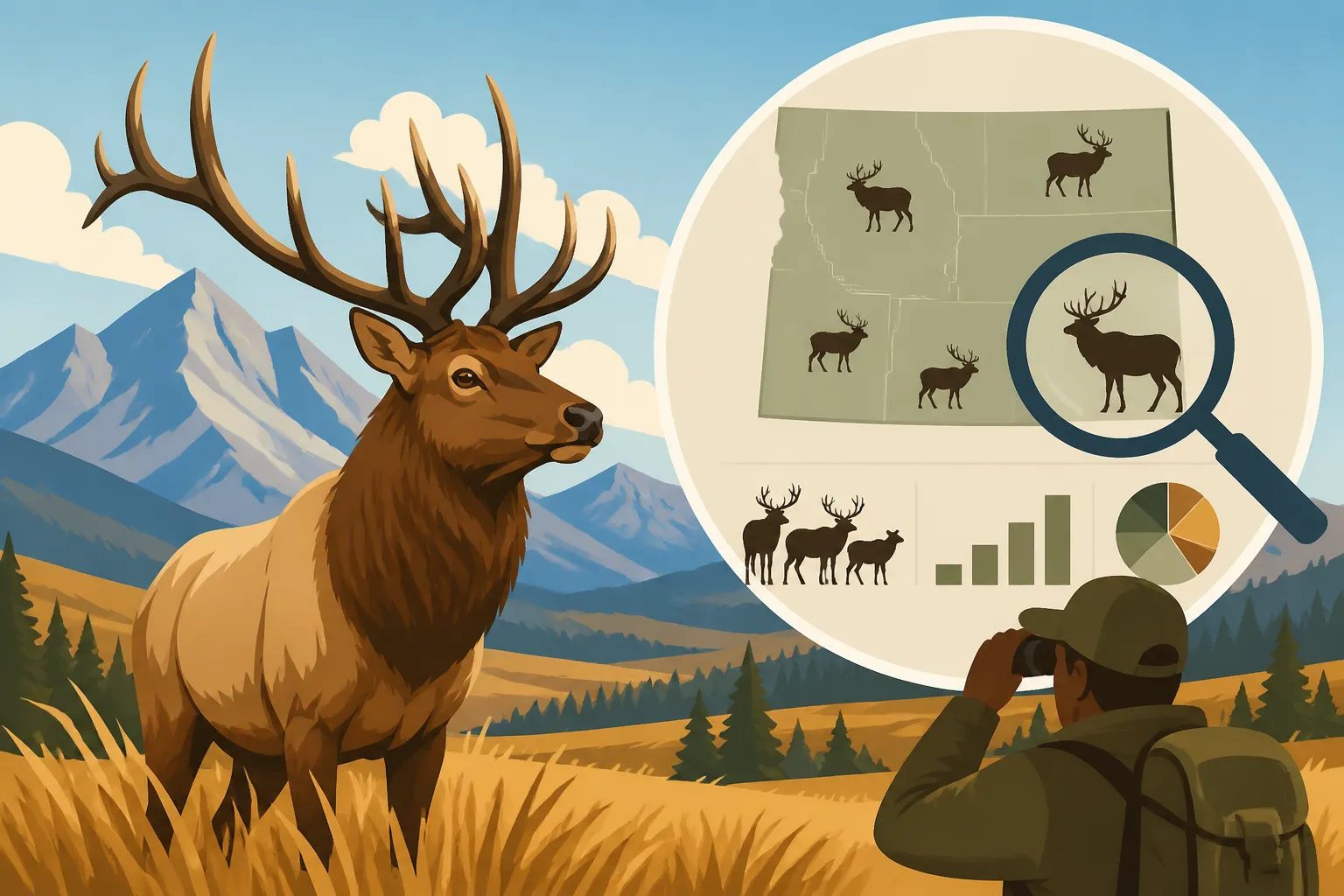
Wyoming Game and Fish uses a multi-faceted approach to estimate elk populations, combining various data sources to paint the most accurate picture possible. It's a complex dance between aerial surveys, hunter harvest data, and even ground observations. For instance, the WGFD conducts extensive aerial surveys, flying over specific herd units during late winter when elk are concentrated on winter range, making them easier to count. These flights are expensive and labor-intensive, often requiring specialized aircraft and highly skilled observers. They're not just counting every single elk; they're sampling key areas and extrapolating from those counts to estimate the total population within a given herd unit.
Beyond aerial counts, hunter harvest reports provide invaluable data. Every time a hunter checks in an elk, critical information like sex, age, and location of harvest is collected. This data, compiled over years, helps biologists understand herd dynamics, recruitment rates (how many calves are surviving and joining the breeding population), and overall herd health. Think about it: if harvest data shows a decline in older age class bulls, it might indicate issues with herd structure or hunter pressure. Additionally, biologists might use telemetry data from collared elk to understand movement patterns, survival rates, and habitat use, which further refines population models. It's a continuous process of data collection, analysis, and adjustment.
Herd Objectives Versus Actual Populations
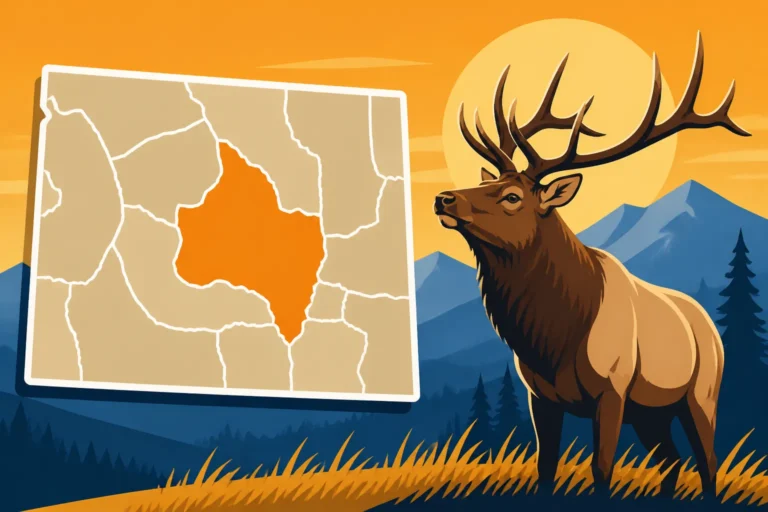
A critical concept to grasp when looking at Wyoming elk numbers is the difference between an "actual population estimate" and a "herd objective." Every one of Wyoming's distinct elk herd units, like those found in the vast Wyoming Elk Herd Units and Winter Range or the sprawling Shoshone National Forest, has a designated population objective. This objective is a management goal set by WGFD, often in conjunction with landowners and public input, representing the desired number of elk for that specific area. These objectives consider factors like available habitat, potential for disease transmission, agricultural depredation concerns, and, of course, hunter opportunity.
The "actual population estimate" is WGFD's best guess at how many elk are currently on the ground in a particular herd unit. Ideally, the actual population will be close to the objective. However, reality often diverges. If an actual population estimate is significantly above objective, WGFD might increase the number of licenses available, particularly cow elk tags, to bring the herd back into balance. Conversely, if a herd is below objective, license quotas might be reduced to allow the population to recover. This push and pull between estimates and objectives is why license types and numbers change year to year, and it’s why understanding Reading Wyoming's Type 1 Through Type 9 License Numbers is so important. As a hunter, seeing a herd consistently above objective in a specific unit might signal better draw odds for a general tag, or more available cow tags in the leftover draw. Resources like GoHunt can be invaluable for cross-referencing these objectives with historical draw odds to find potential opportunities.
Key Factors Influencing Elk Populations in Wyoming
Wyoming's elk populations are not static; they're living, breathing systems constantly influenced by a variety of environmental and biological factors. Understanding these dynamics helps explain why some areas consistently have more elk, or why population estimates fluctuate.
The Impact of Disease and Winter Severity
Diseases like Chronic Wasting Disease (CWD) and brucellosis are significant concerns for Wyoming's elk herds, and their prevalence can heavily influence population estimates and management strategies. CWD, a fatal neurological disease, is present in many areas across the state. While its direct impact on overall population numbers can be debated, it certainly adds a layer of complexity to herd health management. Hunters are often encouraged to get their elk tested for CWD, particularly in affected areas, and understanding What CWD on the Feedgrounds Means for Hunters is a crucial responsibility.
Brucellosis is another major issue, especially in elk herds that frequent the state's supplemental feedgrounds, such as those discussed in How Many Elk Feedgrounds Wyoming Still Runs. This bacterial disease can cause abortions in elk, impacting calf recruitment and overall herd growth. The interaction between elk, cattle, and brucellosis leads to complex management decisions, as detailed in discussions around Brucellosis, Cattle and Wyoming Elk.
Beyond disease, the severity of winter plays an enormous role. Harsh winters with deep snow and prolonged cold can lead to significant mortality, especially among calves and older animals. A particularly brutal winter can set a herd's population back for years, directly impacting the following year's population estimate and license allocation. Conversely, a series of mild winters can allow a herd to grow rapidly, sometimes even exceeding management objectives. These fluctuations are why you often see WGFD adjusting quotas after assessing winter impacts.
Habitat Health and Hunter Pressure
The availability and quality of habitat are fundamental to elk populations. Elk need vast landscapes with diverse forage, water sources, and cover for security and calving. As human development expands, or as wildfire patterns change, available habitat can shrink or fragment, putting pressure on elk populations. Migration corridors, for example, are vital arteries for elk moving between summer and winter ranges, and their disruption can have cascading effects on herd health. Efforts to preserve and improve habitat are ongoing, directly supporting healthy elk numbers.
Hunter pressure is another undeniable factor. While hunting is a primary management tool used to keep populations at objective, heavy pressure in certain areas can push elk into thicker cover or onto private lands, making them harder to count and harder for public land hunters to access. This doesn't necessarily mean fewer elk, but it can create the perception of fewer elk for the average hunter. WGFD aims to balance hunter opportunity with herd health, which is why you see various license types, from Bull Against Cow Elk Tags in Wyoming to specific season dates for archery or rifle, all designed to manage harvest pressure.
How Hunters Can Use Population Data
Understanding Wyoming's elk population estimates goes beyond just satisfying curiosity; it's a powerful tool that can significantly influence your hunting strategy and increase your chances of success. By digging into the data, you can make more informed decisions about where and how to hunt.
Researching Hunt Units and Draw Odds
The population estimate for a specific herd unit is directly tied to the number of licenses available for that unit. If a unit is consistently over its population objective, you're more likely to see an increase in license quotas, potentially improving your draw odds. Conversely, a unit struggling to meet its objective might have fewer tags, making it a tougher draw. This is where diligent research becomes your best friend. Utilize resources like the WGFD's online hunt planner and commercial tools such as GoHunt's Insider platform. These platforms aggregate data on draw odds, success rates, and population trends, allowing you to cross-reference the official population estimates with real-world outcomes. You can often see the specific Wyoming Elk Season Dates Are Set Hunt Area by Hunt Area and how license types (like the limited quota tags) align with management goals.
Looking at historical data, you might notice patterns. Perhaps a certain unit tends to get hit hard by a particular winter, leading to lower population estimates and reduced tag numbers for a year or two, followed by a rebound. This kind of insight can help you decide whether to apply for a coveted limited quota tag or focus on more accessible general licenses, especially if you're trying to avoid "point creep" in popular units. Remember, not all elk units are created equal; some are managed for higher trophy potential, while others focus on providing ample opportunity for general harvest, including more Where Cow Elk Tags Are Still Available.
Adjusting Your Hunting Strategy in the Field
Knowing the population dynamics of your chosen hunt unit can also help you refine your actual hunting strategy. For example, if you're in a unit with a population well above objective, you might expect to encounter more elk overall, but perhaps they are more dispersed or pressured. This could mean adjusting your calling strategy during the rut or focusing more on finding unpressured pockets of timber. If you know you're in an area that recently experienced a significant winter kill, you might adjust your expectations for bull age classes and focus more on younger animals or finding survivors.
Conversely, if you're in a unit known for its lower-density but high-quality bulls, understanding the population data reinforces the need for patience and extensive glassing, rather than simply running and gunning. The regulations, often influenced by population estimates, might also dictate specific harvest rules, such as The Spike Elk Restrictions Wyoming Applies, which guide you on what animals you can legally take. Ultimately, by connecting the big picture of population estimates with the boots-on-the-ground reality, you can hunt smarter, adapt to conditions, and improve your chances of success in Wyoming's diverse elk country.
| Wyoming Elk Population Data (Hypothetical Example) | Unit 1 (Bighorns) | Unit 2 (Red Desert) | Unit 3 (Jackson) | Unit 4 (Medicine Bow) |
|---|---|---|---|---|
| Population Objective | 5,000 | 3,000 | 12,000 | 4,000 |
| Current Population Estimate | 5,500 | 2,800 | 11,500 | 4,300 |
| Percent of Objective | 110% | 93% | 96% | 108% |
| Trend (Last 3 Years) | Stable/Increasing | Decreasing | Stable | Increasing |
| General Tags Available (Estimate) | High | Low | Moderate | Moderate/High |
| Limited Quota Tags (Estimate) | Moderate | Very Low | High | Moderate |
| Primary Disease Concern | CWD | CWD | Brucellosis | CWD |
| Key Habitat Type | Forest/Alpine | Sagebrush/Desert | Forest/Feedground | Forest/Mountains |
Please note: The numbers in this table are illustrative and do not reflect current official WGFD data for any specific unit.
Disclaimer
The information provided in this guide is for general informational purposes only and is not a substitute for the official regulations published by the Wyoming Game and Fish Department. Hunting regulations, seasons, and population estimates can change frequently. Always consult the most current Wyoming hunting regulations and official WGFD resources before planning and executing any hunt.