Where to Get an Elk Tested for CWD
It's an unfortunate reality that when you finally put boots on the ground in Wyoming's majestic elk country, the thought of Chronic Wasting Disease (CWD) can weigh heavily on your mind. You've worked hard, you've scouted, you've made a clean shot, and now, standing over that magnificent animal, you want to be sure about the health of the meat you're bringing home. This guide is all about giving you peace of mind, walking you through exactly where and how to get your elk tested for CWD in Wyoming, so you can hunt with confidence and enjoy the harvest.
Understanding Chronic Wasting Disease and Its Impact on Wyoming Elk
Before we dive into the "how-to," let's take a moment to understand what CWD is and why it's such a critical concern for hunters across Wyoming. It’s not just a technical term you hear thrown around; it’s a real challenge for our wildlife and our hunting heritage.
What is CWD and Why Should Hunters Care?
Chronic Wasting Disease is a neurological disease that affects cervids – that's deer, elk, and moose, to name a few. It's caused by abnormal proteins called prions, which slowly damage the brain and nervous system, leading to emaciation, abnormal behavior, loss of bodily functions, and ultimately, death. Unlike bacterial or viral infections, CWD is persistent in the environment and has no known cure or vaccine.
For us hunters, the concern is twofold. First, there's the very personal question of Is Elk Meat Safe If the Animal Had CWD?. While there have been no documented cases of CWD transmitting to humans, public health agencies generally recommend against consuming meat from a CWD-positive animal. This makes testing a crucial step for many families. Second, as stewards of the land and its wildlife, we care deeply about the health of the herds themselves. CWD impacts population dynamics, can spread through direct contact or contaminated environments, and presents a significant long-term management challenge for our beloved elk. Knowing where to get an animal tested and participating in that process helps the Wyoming Game and Fish Department (WGFD) track the disease and implement informed management strategies.
CWD's Presence in Wyoming and Specific Concerns
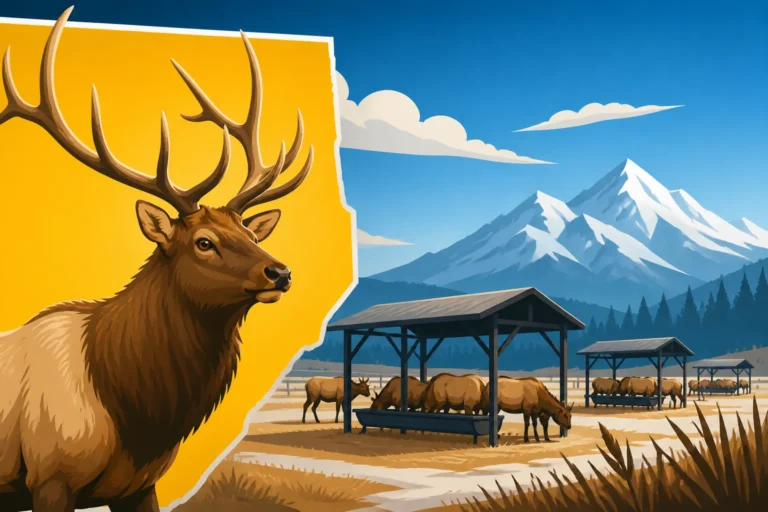
Wyoming has been grappling with CWD for decades, and unfortunately, it's pretty widespread across the state. It's not limited to one region; various elk herds have different prevalence rates. One of the most talked-about areas of concern revolves around Wyoming Elk, the Feedgrounds and the Disease Question. The winter feedgrounds in western Wyoming, while vital for sustaining elk through harsh winters, also bring large numbers of animals into close contact, which can unfortunately facilitate the spread of CWD. This is a complex issue, and it's why Game and Fish is so invested in monitoring CWD, especially in these high-density areas.
Hunters often ask, What CWD on the Feedgrounds Means for Hunters, and the answer is that it underscores the importance of testing. Even if you're not hunting near a feedground, CWD can be present in free-ranging herds. Understanding the general CWD prevalence in the specific hunt area you drew is a smart move. Resources like GoHunt can provide valuable data on CWD trends in different units, helping you plan your hunt with a clearer picture of potential risks and testing needs.
The Essential Steps for Getting Your Elk Tested in Wyoming
Okay, so you've harvested an elk, and you want to get it tested. What's next? The process is straightforward, but it does require you to take a few key steps to ensure the sample is collected correctly and submitted to the right place.
Sample Collection: How to Prepare Your Animal for Testing
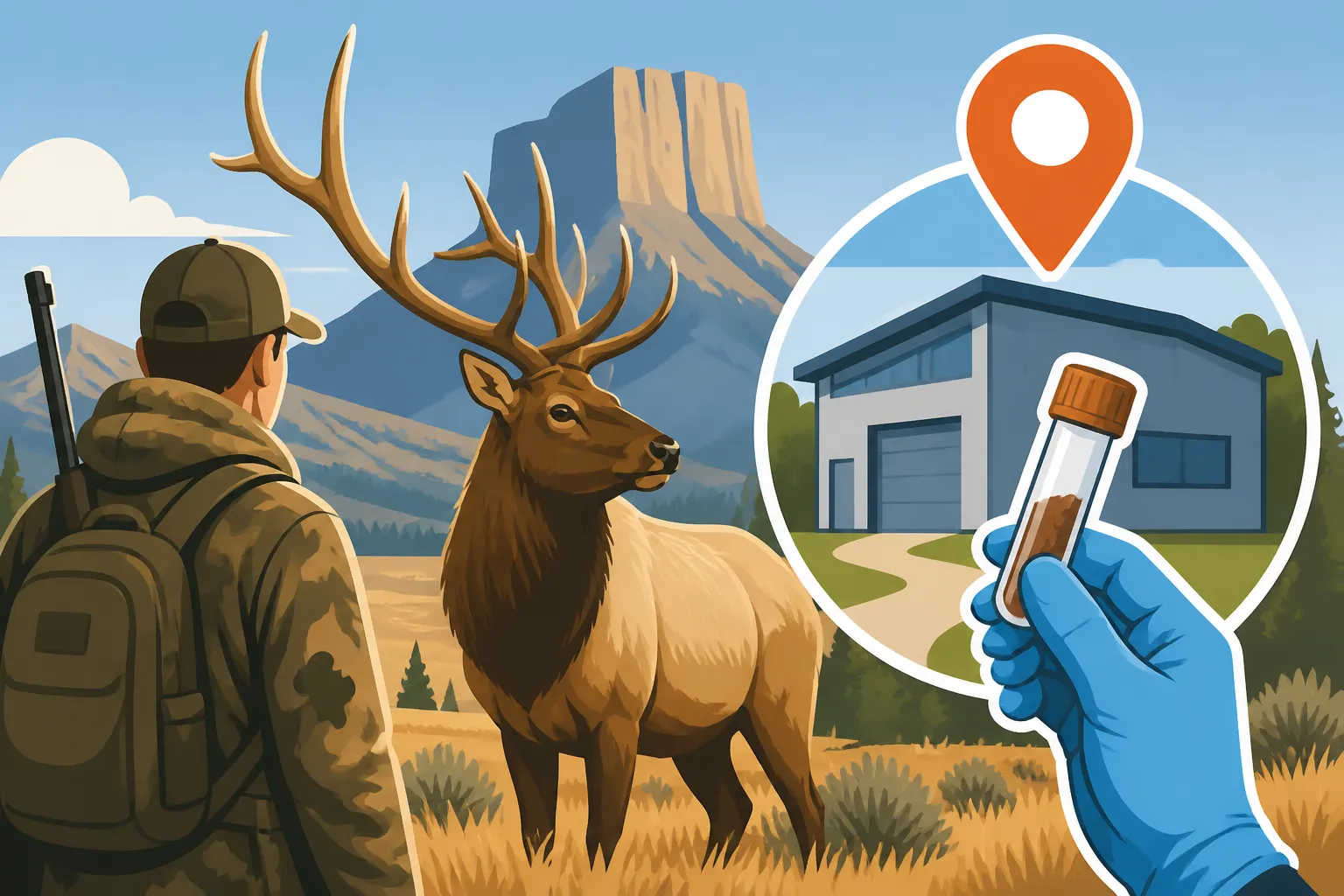
This is arguably the most critical step. The WGFD primarily tests specific lymphatic tissue and brainstem samples because these are the areas where CWD prions accumulate earliest and most consistently. You have a couple of options here, depending on your comfort level and tools:
- Self-Collection: Many experienced hunters learn to collect the retropharyngeal lymph nodes themselves. These are located in the throat area, just below the ear. It requires a bit of careful dissection, but it's very doable. You'll need to locate the nodes, which are typically small, kidney-bean-shaped structures, and remove them cleanly. For brainstem collection, specifically the obex, it's a more involved process requiring careful removal of the skullcap. If you're unsure, there are plenty of online tutorials, and the WGFD website often provides detailed instructions and diagrams. Make sure your hands and tools are clean to avoid contamination. Once collected, place the sample in a sealed plastic bag.
- Professional Assistance: If self-collection sounds daunting, don't worry! Many WGFD check stations and regional offices have staff or volunteers who can assist with sample collection. Some local meat processors are also equipped and willing to collect samples for you as part of their field dressing service. It's always a good idea to call ahead to your chosen processor to confirm they offer this service and understand their procedures and any associated fees.
Remember, proper Field Dressing and Carcass Transport Rules Explained are essential for maintaining meat quality, but they also play a role in making sample collection easier. Keeping the head and neck intact until you can get to a testing location or are ready to collect the sample yourself is often recommended.
Where to Submit Samples: Official Channels and Drop-Off Points
Once you have your sample, getting it to the WGFD for analysis is the next step. Wyoming offers several convenient options:
- WGFD Regional Offices: Every WGFD regional office across the state (like in Cody, Jackson, Green River, Casper, Laramie, Pinedale, and Sheridan) accepts CWD samples during business hours. This is often the most reliable place to go if you're near one of these larger towns. The staff there are knowledgeable and can answer any questions you might have.
- Designated CWD Hunter Check Stations: During peak hunting seasons, especially for elk, WGFD operates temporary CWD hunter check stations in various hunt areas. These stations are usually well-marked and staffed by biologists and technicians. They are fantastic resources not only for CWD submission but also for mandatory game checks and other biological data collection. Keep an eye on the WGFD website or local notices for the specific locations and operating hours of these stations, as they often pop up and close with the flow of the season.
- Self-Service Drop-Off Barrels: For hunters who are in more remote areas or prefer to submit samples outside of business hours, WGFD often provides CWD drop-off barrels. These are typically located at strategic points like popular trailheads, public land access points, or near smaller communities. Each barrel will have instructions, submission forms, and usually a sterile bag for your sample. You'll need to fill out the form completely, including your license number and hunt area, and place it with your bagged sample into the barrel. This is a great, flexible option, but ensure your sample is clearly labeled and the form is accurate.
Here’s a quick overview of typical submission points:
| Submission Method | Availability | Preparation Required for Hunter | Typical Cost |
|---|---|---|---|
| WGFD Regional Office | Business hours, year-round | Sample collected by hunter or staff assists | Free |
| Designated CWD Check Station | Peak hunt seasons, specific locations | Sample collected by hunter or staff assists | Free |
| Self-Service Drop-Off Barrel | 24/7 during designated seasons | Sample collected by hunter, form filled out | Free |
| Private Meat Processor | Varies by processor | Coordinate with processor | May charge a fee |
Remember that you’ll need to provide your license number and the hunt area where you harvested the animal. This information is crucial for the WGFD to accurately track disease prevalence and contribute to their ongoing The Wyoming Elk Population Estimate Explained and management efforts.
Navigating the Testing Process and Understanding Your Results
Once you've submitted your sample, the waiting game begins. It can feel like a long time, especially when you're eager to process and enjoy your hard-earned elk meat. However, understanding the timeline and how to access your results can help manage expectations.
The Timeline for Test Results and How You're Notified
The WGFD sends all collected samples to a state diagnostic lab for analysis. This process takes time, as the lab handles thousands of samples from deer, elk, and moose throughout the hunting season. Typically, you can expect results to take anywhere from two to four weeks, though during peak times, it might be a bit longer. It's not uncommon for hunters to submit samples in October and not hear back until November or even December.
The WGFD has a system in place to notify hunters of their results. Generally, you'll be able to check your results online through the WGFD's website using your hunt license number or a unique ID provided at the time of sample submission. This online portal is usually updated as results become available. In some cases, especially for positive results, Game and Fish may attempt to contact you directly via phone or mail. It's always a good practice to keep an eye on your email (if you provided it) and to periodically check the online portal rather than waiting for a call, especially if you're on a tight schedule for processing your meat.
Interpreting Results and Making Informed Decisions
When you finally get those results back, they'll typically be categorized as "Negative," "Positive," or occasionally "No Test" if the sample was inadequate.
- Negative Result: This is the best outcome. A negative result means CWD prions were not detected in the submitted sample. While no test is 100% foolproof, a negative result provides a high level of confidence for consumption. Most hunters proceed with processing and enjoying their harvest after receiving a negative CWD test.
- Positive Result: If your animal tests positive for CWD, the WGFD will strongly recommend against consuming the meat. This recommendation aligns with public health guidance due to the unknown potential for interspecies transmission, even if direct human cases haven't been observed. The WGFD might also provide information on proper disposal of the carcass. This can be a tough pill to swallow after a successful hunt, but it's an important part of responsible wildlife management and personal health safety. You've still done your part by contributing to surveillance efforts.
- No Test/Inconclusive: Occasionally, a sample might be deemed "no test" or "inconclusive" if the tissue was insufficient or degraded. In these rare cases, you might be offered the option to resubmit a different sample if possible, or you would need to make a personal decision regarding consumption without definitive test results.
Understanding these results helps you make informed choices about your elk meat. Your participation in testing is a valuable contribution to the ongoing health of Wyoming's wildlife and helps WGFD better understand where Which Feedgrounds Have Tested Positive for CWD or if new areas are showing increased prevalence.
Resources and Best Practices for Responsible Wyoming Hunters
Being a responsible hunter in Wyoming goes beyond just following the rules; it means actively participating in the conservation efforts that keep our wildlife populations healthy and sustainable. CWD testing is a prime example of this commitment.
Utilizing Available Tools and Information
Staying informed is one of your best defenses. The Wyoming Game and Fish Department website is the ultimate authority for all regulations, CWD information, hunt area specifics, and seasonal updates. You can find detailed maps of CWD prevalence, information on specific herd units, and updates on research being conducted. Regularly checking the WGFD site is a crucial best practice for any hunter planning a trip to the Cowboy State.
Beyond official channels, platforms like GoHunt can be invaluable for research and planning. While GoHunt doesn't conduct the actual CWD testing, it often aggregates data and provides tools that allow hunters to research CWD prevalence rates in specific hunt units, helping you make more informed decisions about where to apply for tags and where to focus your efforts. Integrating this kind of research into your e-scouting process can help you prepare for a hunt and anticipate the need for CWD testing even before you leave home. Learning how to use A Walkthrough of the Wyoming Hunt Planner can also help locate WGFD offices or check stations on your route.
Contributing to Herd Health and Management
Your decision to get your elk tested for CWD isn't just about your personal peace of mind; it's a vital contribution to the broader health of Wyoming's elk herds. Every submitted sample provides valuable data that helps wildlife managers track the disease's spread, understand its impact, and refine management strategies. This information is critical for maintaining robust elk populations for future generations.
Furthermore, being aware of and following carcass transport rules helps prevent the spread of CWD. If you harvest an animal in a CWD-positive area, Game and Fish often has regulations about how much of the carcass you can transport out of that area, typically requiring the removal of high-risk tissues like the brain and spinal cord before transport. Knowing and adhering to regulations like Wyoming Carcass Coupon and Tagging Rules and specific transport rules is paramount to being a truly ethical and responsible hunter. By taking these steps, you're not just harvesting an animal; you're actively participating in the conservation and careful stewardship that makes Wyoming such an incredible place to hunt.
Disclaimer
This article is for general informational purposes only and does not constitute professional advice. Laws, prices and regulations vary by location and change over time. Consult a qualified professional for guidance on your specific situation.