How Wyoming’s Bison Once-in-a-Lifetime Rule Works
For many serious hunters, the thought of pursuing a wild bison in Wyoming conjures images of an unparalleled adventure, a true test of skill and grit. But what often isn't clear is the strict "once-in-a-lifetime" rule that governs these highly sought-after tags, leading to a lot of confusion and dashed hopes if you don't understand the system. This guide will walk you through exactly how Wyoming's once-in-a-lifetime bison rule works, what it means for your hunting future, and how to navigate the challenging application process to increase your chances of experiencing this incredible hunt.
Understanding the "Once-in-a-Lifetime" Concept for Bison
Wyoming, like several other Western states, designates certain highly coveted big game species as "once-in-a-lifetime" opportunities. This isn't just a catchy phrase; it's a fundamental part of their wildlife management strategy designed to spread limited hunting opportunities among a wider pool of hunters over time. For species like bison, which have historically faced severe population challenges and still exist in relatively smaller, carefully managed herds, this rule helps preserve the experience for future generations while ensuring sustainable harvest.
What "Once-in-a-Lifetime" Truly Means for Hunters
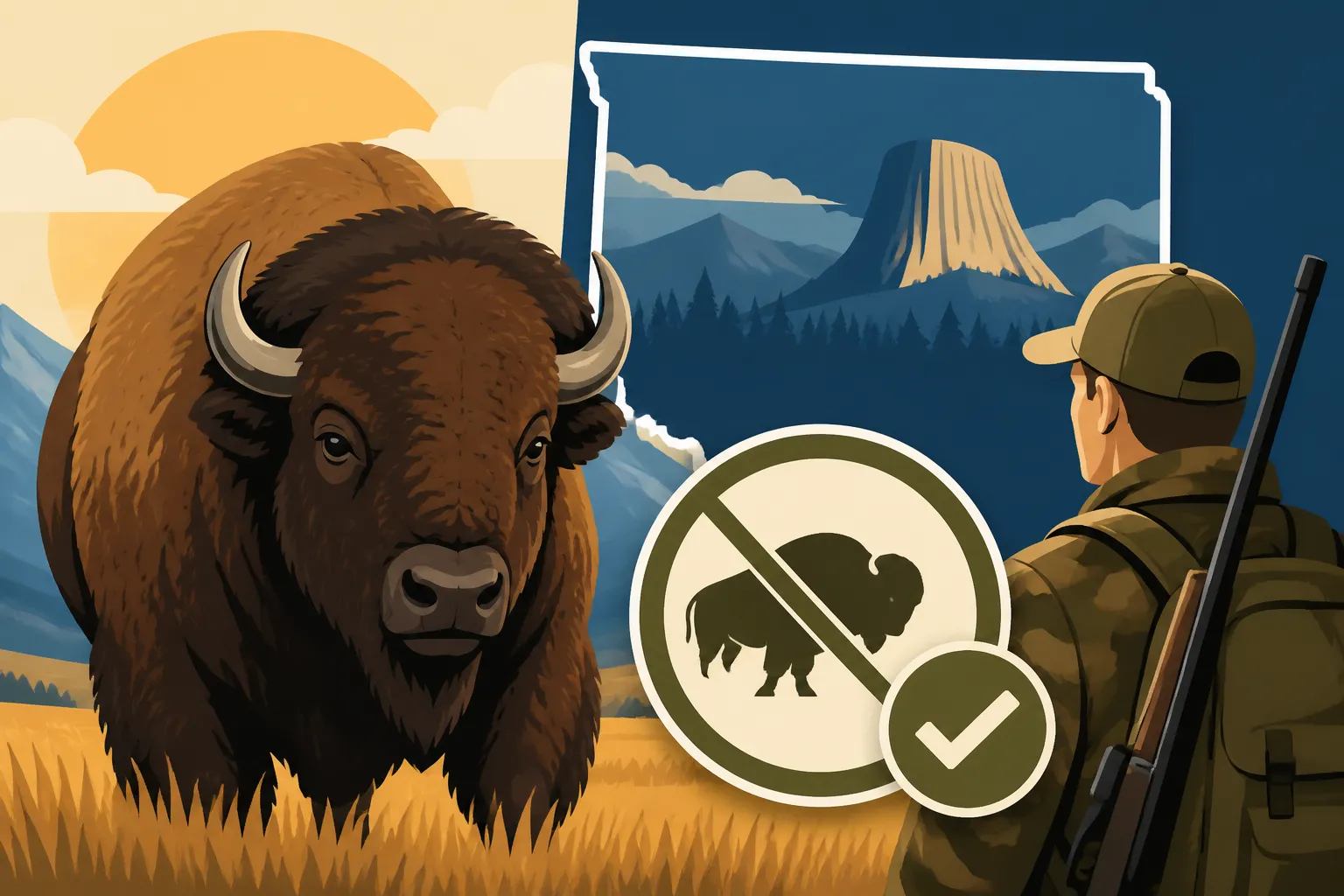
When a species is designated "once-in-a-lifetime," it literally means that if you are fortunate enough to draw and successfully harvest an animal of that species in Wyoming, you will never be eligible to apply for or receive another license for that same species in the state again. This is a big commitment, and it means every aspect of that hunt, from the application to the shot, holds immense significance. It's not just about drawing a tag; it's about making that one opportunity count. For example, if you draw a bull bison tag and fill it, your name goes into a database, and you're essentially "checked off" for bison in Wyoming forever. This system is in place for several species, primarily those with very limited populations or unique management challenges.
Species Included in Wyoming's Rule
While our focus today is on bison, it's helpful to understand that other species fall under this "once-in-a-lifetime" umbrella in Wyoming. These typically include iconic, low-population animals that represent the pinnacle of North American big game hunting. Think of the majestic bighorn sheep and the elusive mountain goat. These animals are managed with extreme precision, and the limited number of tags issued each year reflects the biological carrying capacity of their habitats and the desire to maintain truly wild populations. Understanding that these hunts share this rare status puts the bison draw into perspective—you're entering an exclusive club where the odds are long, but the reward is unforgettable. You can learn more about Wyoming's 90/10 Resident Split on Once-in-a-Lifetime Species for context on how tags are allocated.
The Logic Behind Limited Opportunities
The fundamental logic behind Wyoming's "once-in-a-lifetime" rule is rooted in conservation and equitable opportunity. With certain species, the available harvest is so small that if hunters could draw a tag every few years, only a very select few would ever get to participate. By limiting a hunter to one successful harvest in their lifetime for these species, the state aims to:
- Distribute Opportunity: Give more individual hunters a chance at these unique experiences. Imagine the frustration if the same handful of people drew bison tags year after year while thousands waited decades.
- Manage Populations Sustainably: Ensure that harvest levels remain well within the bounds of what the population can sustain without impacting long-term health or genetic diversity. Bison herds, while growing, are still a far cry from their historical numbers, and careful management is key.
- Increase the Value of the Hunt: Knowing this is your one shot adds a profound layer of respect and anticipation to the entire endeavor. It encourages thorough preparation, dedicated scouting, and a deeper appreciation for the animal and its habitat.
- Reduce Pressure on Specific Herds: By limiting individual hunter impact over time, the rule helps prevent localized over-harvesting and disturbance, especially in sensitive areas or for small, isolated herds.
It's a system designed for the long game, prioritizing the resource and the equitable experience over individual repeat opportunities.
The Wyoming Bison Lottery: Application and Odds
Applying for a Wyoming bison tag is less like a typical draw and more like entering a high-stakes lottery. Unlike some other species where preference points can significantly increase your odds over time, the bison draw operates a bit differently. This makes it a pure game of chance, rewarding persistence and a healthy dose of luck rather than years of accumulated points. Many hunters, myself included, will apply for decades hoping their number finally comes up.
Navigating the Application Process for a Bison Tag
The application process for a Wyoming bison tag follows a specific timeline, and missing a deadline means missing your shot for the entire year. Non-resident applications for bison (along with bighorn sheep, moose, and mountain goat) typically close in late April. It's a critical date to mark on your calendar. You'll need to apply through the Wyoming Game and Fish Department's online licensing system. This means setting up an account if you don't already have one, carefully selecting the correct license type and hunt area, and paying the application fee and the full license fee upfront. If you are unsuccessful in the draw, the license fee is refunded, but the application fee is not. This is a standard practice across most Western draws. Applying for a Wyoming Bison Tag by April is a crucial step to remember. It's also important to realize that the tag prices, such as Wyoming Nonresident Tags Run $326 to $1,965, are substantial, reflecting the rarity and unique nature of these hunts.
Understanding the Draw Odds and Preference System
Here's where bison diverge from elk or deer in Wyoming: there are no preference points for bison. This is a key distinction. For species like deer, elk, and antelope, you accumulate a preference point each year you apply and are unsuccessful, which increases your mathematical chance in future draws. For bison, bighorn sheep, and mountain goat, it's a random draw every single time. Every applicant, whether it's their first time or their twentieth, has an equal chance in the lottery for each specific license type and hunt area they apply for. This means pure random luck plays the biggest role.
While you don't accumulate points, resources like GoHunt offer invaluable data analysis of past draw results. They crunch the numbers from previous years, showing how many tags were offered, how many applications were received, and what the raw percentage odds were for each hunt area. While it can't predict the future, it helps you understand the historical difficulty. Even with zero preference points, you always have a chance, however slim, which is what keeps many hunters coming back year after year. Checking Draw Odds Before You Apply is always a wise strategy.
What Happens if You Draw (and if you don't)
If you're one of the incredibly lucky few to draw a Wyoming bison tag, get ready for a whirlwind of planning! You'll receive notification, often by email, and your license will be available to print from your online account. This is the moment years of dreaming, and often years of applying, culminate. Immediately, your attention needs to turn to the hunt itself. Bison hunts are physically demanding and logistically complex, often taking place in rugged terrain and potentially severe weather.
If you don't draw, which is the far more common outcome for the vast majority of applicants, your license fee will be refunded, typically within a few weeks of the draw results being posted. The application fee, as mentioned, is non-refundable. For many, not drawing means resetting for next year, analyzing the odds again, and preparing for the next application cycle. It's a test of patience and persistence, but for a true "once-in-a-lifetime" opportunity, it's often seen as a worthy endeavor. You can always check Wyoming Draw Odds Broken Down by Hunt Area to prepare for the next season.
Wyoming "Once-in-a-Lifetime" Big Game Species Overview
| Species | Preference Points? | Typical Application Period | General Hunt Season (Approx.) | Notes |
|---|---|---|---|---|
| Bison | No | March – April | October – January (variable) | Extremely limited tags, very high demand. |
| Bighorn Sheep | No | March – April | September – October | Ram tags are most coveted, ewe hunts may be available. |
| Mountain Goat | No | March – April | September – October | Smallest number of tags issued, true lottery. |
| Moose | No | March – April | September – November | Also very challenging to draw, limited numbers. |
Note: Application and season dates are general and vary by year and hunt area. Always consult current Wyoming Game and Fish regulations.
Why Bison are Different: Management and Conservation
Bison are not just another big game animal in Wyoming; they represent a powerful symbol of the American West and a success story in modern conservation. Their management reflects this unique status, differing significantly from more common species like deer or elk. Understanding these differences is crucial for any hunter hoping to pursue them.
Wyoming's Unique Bison Populations and Management Goals
Wyoming's bison populations are managed with very specific, often localized goals. Unlike elk, which are widely distributed across the state in many hunt areas, bison herds are concentrated in a few distinct regions. The most well-known bison hunting opportunities are often tied to herds that migrate out of Yellowstone National Park or reside in specific designated areas. The state's management goals often revolve around:
- Disease Management: Bison, particularly those associated with Yellowstone, are often at the center of discussions around diseases like brucellosis, which can be transmitted to cattle. This is a significant factor in how and where hunts are structured, especially for bison that move onto public or private lands outside park boundaries.
- Population Control: While iconic, bison herds can grow, and in certain areas, population reduction is necessary to prevent overgrazing, habitat degradation, or disease spread. Hunting is a primary tool for this management.
- Public Safety: Large, wild bison can pose safety concerns for humans and property, especially as they move into areas with greater human presence. Regulated hunting helps manage their numbers and distribution.
- Cultural Significance: Bison hold immense cultural and historical importance. Management plans often consider these aspects, balancing hunting with other conservation and cultural values.
For example, hunts for bison leaving Yellowstone are particularly contentious and carefully managed, with very specific rules and often immediate tag closures once quotas are met.
The Role of the Hunter in Bison Conservation
For those who view hunting as a conservation tool, drawing a bison tag is perhaps one of the clearest examples of a hunter contributing directly to wildlife management and conservation. The fees paid for licenses directly fund the Wyoming Game and Fish Department's efforts, including habitat improvement, research, and enforcement. But beyond the financial contribution, hunters play a vital role in bison management by participating in the regulated harvest.
Hunting helps maintain healthy herd sizes, reduces impacts on forage, and minimizes disease risks in certain populations. It’s not just about taking an animal; it’s about becoming an active participant in the complex ecosystem that supports these magnificent creatures. When a hunter successfully harvests a bison, they are fulfilling a critical role in the state's ongoing conservation strategy for a species that was once on the brink of extinction. Bison as a Wyoming Once-in-a-Lifetime Species highlights this profound connection.
Specific Hunt Areas and Their Challenges
Wyoming's bison hunt areas are generally very few and highly specific, often tied to geographically isolated herds or those migrating from national parks. These areas present unique challenges. For instance, hunting bison that move out of Yellowstone can involve navigating complex regulations, public land interfaces, and sometimes, quick response times. These hunts are often not about glassing a vast basin and waiting for the perfect moment; they can involve opportunistic encounters and require hunters to be ready to act decisively when a legal animal presents itself.
Other bison hunts might take place on remote public lands, requiring extensive off-road travel, horseback packing, or significant physical exertion to access areas where bison reside. The terrain can be rugged, and the weather unforgiving. Unlike Wyoming Elk Season Dates Are Set Hunt Area by Hunt Area which offers a wide array of options, bison seasons are extremely limited and geographically constrained. Platforms like GoHunt become indispensable here, providing detailed unit maps and historical harvest data that can give you a clearer picture of the specific challenges and opportunities within a given bison hunt area. Knowing the specific conditions for Wyoming's Bison Hunt Areas Are is key.
Preparing for a Wyoming Bison Hunt
Drawing a Wyoming bison tag is just the first step; the real work begins in preparing for the hunt itself. This isn't a casual outing; it's a serious endeavor that demands physical fitness, mental toughness, and the right gear. Bison are formidable animals, and success often hinges on meticulous preparation.
Physical and Mental Readiness for Bison
Bison hunts are notoriously tough, both physically and mentally. These animals are incredibly strong, durable, and can be found in challenging environments, from deep snow in winter to rugged, remote terrain. You need to be in peak physical condition to handle:
- Stamina: Long hikes, often through difficult terrain, are common. Whether you're tracking in snow or navigating dense brush, you'll be covering significant ground.
- Strength: Packing out a bison is a Herculean task. These animals are huge, and breaking them down and hauling out hundreds of pounds of meat, hide, and skull often requires multiple trips or a large, well-equipped team. This isn't like packing out a deer; it's on another level. Consider if you've done Physical Conditioning for a Mountain Hunt before, and then double it.
- Mental Fortitude: The conditions can be harsh, the stakes are high (it's a once-in-a-lifetime tag!), and the hunt itself can be grueling. You need to stay focused, determined, and patient, even when things get tough.
- Altitude Acclimation: Many potential bison areas are at higher elevations. If you're coming from sea level, give yourself a few days to acclimate before the hunt truly begins.
Being ready for this kind of challenge is not just about success; it's about safety and honoring the animal.
Essential Gear and Caliber Considerations
Given the size and resilience of bison, your gear selection is paramount. When it comes to firearms, "adequate" takes on new meaning. You need a rifle that delivers serious knockdown power.
- Caliber: Forget your deer rifle. For bison, you're looking at magnums and heavy hitters. Think along the lines of .300 Winchester Magnum, .338 Winchester Magnum, .375 H&H Magnum, or even larger. Heavy, well-constructed bullets designed for deep penetration are critical. You're not just aiming for a vital organ; you're trying to punch through thick hide, muscle, and bone.
- Optics: A reliable, durable scope with good light-gathering capabilities is essential. Shots can be at varying distances, and you need clarity in all conditions.
- Clothing: Dress in layers for all potential weather conditions, including extreme cold, snow, and wind, especially if hunting in late fall or winter. Quality waterproof and insulated outerwear is a must.
- Packing Equipment: A strong, comfortable frame pack is indispensable for meat retrieval. You'll also need quality knives, a game bag system, and perhaps even a game cart or sled depending on the terrain and snow conditions.
- Navigation & Safety: GPS, detailed maps (like those found on GoHunt, which can be invaluable for understanding public/private boundaries and terrain), a satellite communicator, and a comprehensive first-aid kit are non-negotiable.
This is a hunt where skimping on gear can lead to serious problems. For more general advice, consider Essential Gear and Caliber Considerations.
Finding the Right Support (Outfitters, Guides, Scouting)
While some highly experienced and physically capable hunters might attempt a do-it-yourself bison hunt, most benefit immensely from professional support or extensive personal scouting.
- Outfitters and Guides: Hiring a reputable outfitter can be a game-changer. They have the knowledge of the land, the bison movements, the necessary equipment (horses, camps), and the manpower to assist with packing out such a large animal. This is especially true for nonresident hunters who might not be familiar with the specific hunt areas or the unique challenges of a bison hunt. Even if you're not in a designated wilderness area, where Do You Need a Guide to Hunt Wyoming? is legally mandated for nonresidents for certain species, an outfitter can provide crucial logistical support. Remember, a guided hunt can be a significant investment, but it drastically increases your chances of success and safety, similar to What a Guided Wyoming Elk Hunt Costs.
- Extensive Scouting: If you're going DIY, plan for months of scouting, not just a few days. This means understanding the specific hunt area boundaries, typical bison movements, water sources, bedding areas, and potential access points. GoHunt, with its robust mapping features and public land overlays, is an incredible tool for this kind of remote e-scouting, helping you understand access points on BLM Holds 27,860 Square Miles of Wyoming or other public lands. Local knowledge from game wardens or other hunters can also be invaluable.
- Hunting Partners: Don't go alone. Even with an outfitter, having a reliable hunting partner or a team can make the physical demands of a bison hunt more manageable, especially when it comes to breaking down and packing out the animal. This is a team effort.
A bison hunt is a profound experience, and proper preparation ensures that your "once-in-a-lifetime" opportunity is a success story you'll cherish forever.
Disclaimer
This article is for general informational purposes only and does not constitute professional advice. Laws, prices and regulations vary by location and change over time. Consult a qualified professional for guidance on your specific situation.