Hunting Mountain Lions Behind a Pack of Hounds
Hunting a mountain lion in Wyoming isn't your average big game pursuit. It's a completely different challenge, demanding specialized skills, incredible stamina, and often, the help of a dedicated pack of hounds. Many hunters dream of the intense experience of a hounded lion hunt, but the process, from understanding the chase to navigating Wyoming's specific regulations, can feel overwhelming. This guide will walk you through what it's truly like to chase a mountain lion with dogs in Wyoming, covering everything from the ethics and regulations to what you should expect from the dogs themselves.
The Unique World of Hunting Mountain Lions with Hounds
More Than a Chase: The Art of Lion Hounding
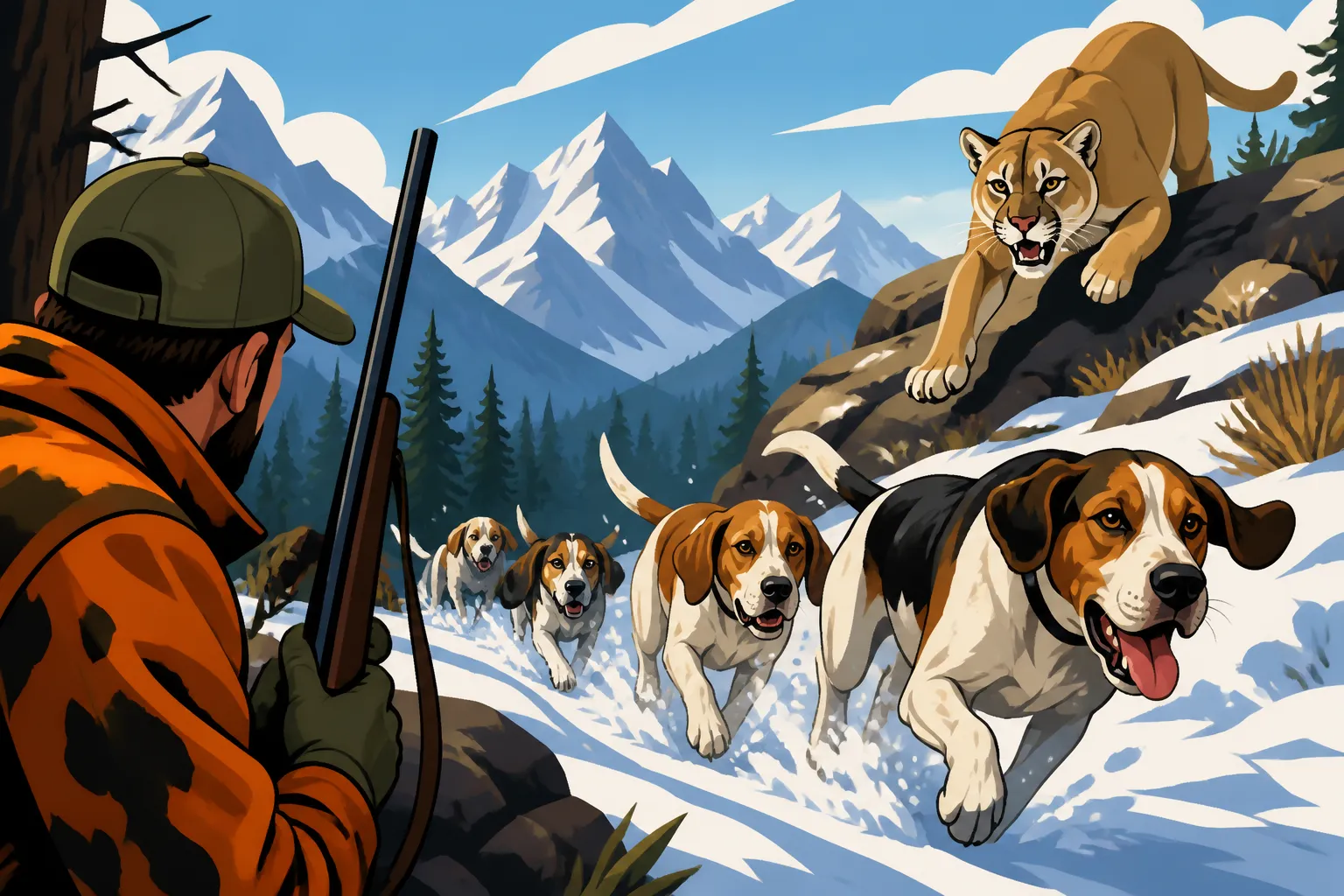
This isn't your typical spot-and-stalk or ambush hunt where you might spend days glassing a hillside or waiting patiently in a blind. Hunting mountain lions with hounds is a dynamic, high-energy pursuit that relies heavily on skilled dogs and an even more skilled handler. It's an immersive experience that plunges you directly into the primal instincts of predator and prey, following a pack of dedicated dogs across rugged Wyoming terrain. We're talking about long hours, often in cold, snowy conditions, covering significant ground on foot or by vehicle, all in pursuit of a subtle track that might lead to a magnificent tom mountain lion.
The physical demands of a hounded lion hunt are no joke. You'll often be traversing steep, broken country, climbing through thick timber, and navigating rocky canyons. It's not uncommon to hike several miles, sometimes quickly, once the dogs are on a hot trail. This type of hunting requires a different kind of mental and physical preparedness than, say, sitting a deer stand. You need to be ready for anything, from a sudden burst of speed to a careful, slow stalk up a precarious slope. The unique satisfaction comes from being an active participant in a true chase, relying on the incredible instincts of the dogs and the expertise of your guide.
The Science of the Scent and Track
A hounded mountain lion hunt truly begins long before the dogs are ever released from the box. It starts with finding fresh sign – most often, a track in fresh snow or, in drier conditions, a distinct print in dust or mud. An experienced hound handler, who is usually your outfitter or guide, is a master at reading these subtle clues. They can tell how fresh a track is, the approximate size of the lion, and even its direction of travel, all from a faint imprint that an untrained eye might completely miss. This initial phase is critical; chasing an old track is not only a waste of precious time but also of the dogs' valuable energy.
You'll spend hours covering ground, often by vehicle on remote two-tracks and forest service roads, periodically stopping to examine potential crossings. Everyone in the truck will be peering out, scanning every fresh snowfall or dusty patch of road, hoping for that tell-tale sign of a lion’s paw print. It's detective work in the wilderness, and the excitement builds with every potential track discovered. When that "good" track is finally found, the atmosphere in the vehicle shifts palpably. This meticulous approach to tracking is what sets a successful hunt apart, and it’s a testament to the experience of those who know how to read the landscape.
Navigating Wyoming's Mountain Lion Regulations
Understanding Quotas and Season Closures
Wyoming manages its mountain lion populations through a stringent quota system, which is absolutely vital for any hunter to understand. Unlike some other big game species, such as deer or elk, which have fixed season dates that run for a set period, mountain lion seasons in specific hunt areas can and do close early if the harvest quota for that area is met. This isn't a hypothetical situation; it happens every year, adding a layer of urgency and unpredictability to the hunt. You might have a hunt planned for the end of the month, only to find your preferred unit has closed a week early because enough lions have been taken.
This unique system means you need to be constantly aware of the current harvest numbers and potential closures for your chosen hunt area. It can be incredibly frustrating to have a hunt planned only to find your unit has closed, which is why working with an outfitter who stays on top of these real-time updates is often key. The Wyoming Game and Fish Department (WGFD) website provides these updates, but they can change rapidly, sometimes daily. This quota system emphasizes the importance of flexibility and quick decision-making. You might have to shift plans, hunt a different area, or even cut a trip short if the quota is reached, so be prepared for that possibility. Mountain Lion Quotas by Hunt Area is where you'll find the specific numbers for your unit. You might also want to consult Hunting a Wyoming Mountain Lion Quota That Can Close Early for more on this critical aspect of lion hunting.
Licensing, Legalities, and Post-Harvest Requirements
To hunt mountain lions in Wyoming, you'll first need a general hunting license, which is a prerequisite for any big game hunting. In addition to that, you must also purchase a specific mountain lion license. It's not like buying a fishing license at the gas station; you'll typically apply for it or purchase it through authorized vendors well in advance of your hunt. Hounds are a perfectly legal and well-established method for hunting lions in Wyoming, a tradition that dates back generations and is deeply woven into the fabric of predator management in the West. However, always ensure you adhere strictly to all legal methods and rules outlined in the current WGFD regulations.
The work isn't over once you've successfully harvested a mountain lion. Wyoming has a mandatory pelt sealing requirement, which is a critical step you absolutely cannot skip. This means you must present the hide and skull of your harvested lion to a Wyoming Game and Fish Department representative within a specified timeframe, usually 72 hours, but always check the current regulations for exact deadlines and locations. This step ensures accurate harvest data collection, which is vital for sound wildlife management, and confirms your compliance with the law. Missing this step can lead to serious legal repercussions, so make sure you understand the deadlines and locations for sealing your trophy before you even head into the field. The Wyoming Mountain Lion Pelt Sealing Requirement explains this process in detail. Additionally, it’s important to submit any required harvest reports, as this data helps biologists manage the population responsibly. Mountain Lion Harvest Reporting Requirements are equally important to understand.
The Indispensable Role of Hounds in Lion Hunting
Breeding, Training, and the Dogs' Instinct
The hounds are truly the stars of a hounded lion hunt. These aren't just pets or casual hunting companions; they are highly specialized working dogs, often breeds like Plott Hounds, Treeing Walkers, or Blueticks, chosen specifically for their incredible scenting ability, relentless stamina, and fierce prey drive. These dogs undergo extensive training from puppyhood, learning to discriminate between the subtle scent of a lion and other animal tracks, to vocalize effectively when they pick up a hot trail, and most importantly, to bay or tree the lion without getting into a direct, dangerous confrontation. The dedication an outfitter puts into training and maintaining their pack is immense, and their success hinges entirely on the health, conditioning, and skill of these remarkable animals.
Witnessing a pack of hounds work in concert is an experience in itself. Once they hit a fresh track, their excitement is palpable, their barks changing pitch as they lock onto the scent. They'll follow that track relentlessly, through thick timber, across rocky slopes, and over snowdrifts, all while communicating their progress through their unique vocalizations, a chorus that tells the handler exactly what they're doing and where they're heading. The dogs’ instinctual drive to pursue is incredible, and understanding their language and subtle cues is a critical part of the hunt for the handler. These dogs are true athletes, requiring meticulous care, specific nutrition, and regular veterinary attention to perform at their peak and endure the rigors of a demanding chase.
Selecting a Reputable Outfitter for Your Hounded Lion Hunt
Why an Experienced Outfitter is Your Best Bet
For many hunters, especially non-residents, utilizing a licensed and experienced outfitter is not just a convenience, but a near necessity for a successful mountain lion hunt with hounds. This isn't a do-it-yourself hunt for the faint of heart, or for someone without years of experience running a pack of hounds and possessing intimate knowledge of lion country. Outfitters provide the specialized dogs, the extensive knowledge of the hunt areas, the logistics for accessing rugged terrain, and the crucial expertise to interpret subtle sign and manage the dynamic chase. Trying to orchestrate a hounded hunt on your own, without a trained pack and local know-how, would be incredibly difficult and often unsuccessful, leading to immense frustration. Do You Need a Guide to Hunt Wyoming? will give you a broader understanding of guide requirements.
An outfitter also serves as your invaluable guide through the rapidly changing quota system and understands the often-nuanced details of Wyoming's regulations, which can save you a lot of headaches and potential legal issues. They handle the permits for accessing various public lands and can advise on legal private land access if needed. Ultimately, an experienced outfitter greatly increases your chances of a safe, successful, and ethical hunt, providing an unparalleled experience and the best opportunity to connect with a challenging and elusive animal. Remember, Every Wyoming Guide Works Under a Licensed Outfitter, ensuring a level of professionalism and accountability in the industry.
Vetting, Booking, and What to Expect
Choosing the right outfitter is paramount for a successful and enjoyable hounded lion hunt. Start by looking for outfitters with a proven track record specifically in mountain lion hunting with hounds. Don't be afraid to ask for a list of references from past clients whom you can contact directly to hear about their experiences. You'll want to inquire specifically about their hounds – how many dogs are in their pack, their training regimen, and their overall health and conditioning. Ask about their success rates, but also probe into their ethical hunting practices, how they ensure the safety of both hunters and dogs, and their general approach to wildlife conservation. Websites like GoHunt can be a good starting point for researching outfitters, gathering intelligence on draw odds, and looking at unit data, though always follow up with direct, in-depth conversations and reference checks. Questions to Ask a Wyoming Outfitter provides an excellent checklist of things to ask.
Booking typically happens far in advance, often before you even draw your license, especially for highly sought-after hunts. Discuss pricing, what exactly is included in the hunt package (such as meals, lodging, transportation, field care of the animal, etc.), and what isn't (like licenses, taxidermy, meat processing, or tips). Clarify their cancellation policy, especially regarding situations where you might fail to draw a tag, or if a quota closure impacts your planned hunt. A reputable outfitter will be transparent and eager to answer all your questions, helping you mentally and physically prepare for the unique demands of this truly exciting and challenging hunt. Learning How Far Ahead to Book a Wyoming Hunt can help you plan. You'll definitely want to look into Physical Conditioning for a Mountain Hunt, as these hunts are incredibly demanding. When you're ready to make a decision, refer to Vetting a Wyoming Outfitter Before You Send a Deposit for key considerations.
Here's a quick reference for common hound breeds used in mountain lion hunting:
| Breed | Key Characteristics | Scenting Ability | Stamina | Temperament |
|---|---|---|---|---|
| Plott Hound | Muscular, agile, short coat, often brindle. Known for grit. | Excellent, cold-nosed | Very High | Bold, tenacious, driven |
| Treeing Walker Coonhound | Athletic, medium build, usually tri-color. Very vocal. | Exceptional, hot-nosed | Very High | Intelligent, vocal, fast |
| Bluetick Coonhound | Stocky, dense coat, blue mottled pattern. | Excellent, methodical | High | Calm, persistent, focused |
| Redbone Coonhound | Powerful, sleek red coat. | Very Good, reliable | High | Even-tempered, focused, eager |
Disclaimer
This article is for general informational purposes only and does not constitute professional advice. Laws, prices and regulations vary by location and change over time. Consult a qualified professional for guidance on your specific situation.