Wyoming’s National Forests: Bridger-Teton, Shoshone, Bighorn, Medicine Bow
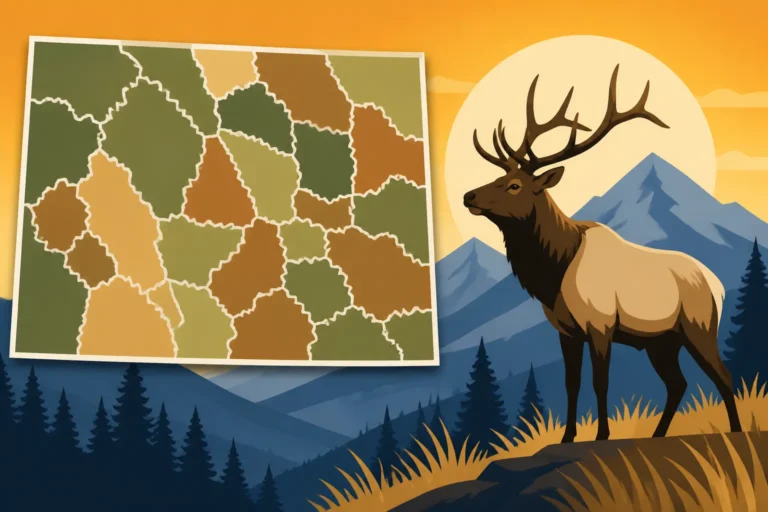
Hunting in Wyoming's vast national forests can feel like stepping into a wild, untamed dream – or, for the unprepared, a daunting nightmare. The sheer scale, rugged terrain, and remote nature of these public lands often leave new hunters, and even some seasoned folks from back east, feeling completely overwhelmed. But don't you worry. This guide is going to strip away the mystery and walk you through what to expect when you set your sights on a Wyoming national forest hunt, from the iconic Bridger-Teton to the less-talked-about, but equally rich, Medicine Bow.
The Lure and the Logistics of Wyoming's National Forests
There's something incredibly romantic about the idea of hunting in a national forest out West. You picture endless timber, crisp mountain air, and the chance to chase game through truly wild country. And while that dream is absolutely real, it comes with a dose of gritty reality and logistical challenges that you absolutely need to prepare for.
What Makes National Forests Prime Hunting Ground?
Wyoming's national forests represent some of the most spectacular and diverse ecosystems left in the Lower 48. We're talking about millions of acres managed for multiple uses, and hunting is a massive part of that. These aren't manicured parks; they're working landscapes with timber, grazing, and recreation all coexisting. For a hunter, this means vast tracts of unbroken habitat, from high alpine tundra to dense conifer forests and sagebrush-dotted foothills. This diversity translates directly into incredible opportunities for big game like elk, mule deer, moose, bighorn sheep, black bear, and even mountain lion. The sheer size alone makes them appealing. You can quite literally get lost in them, and I mean that in the best, most adventurous way possible. This isn't your small woodlot hunt; it's an experience that truly tests your mettle.
Beyond the sheer acreage, national forests often provide the critical winter and summer range that big game needs to thrive. The mosaic of meadows, timbered slopes, and riparian areas creates ideal conditions. For example, during the fall, elk will often move from high summer ranges into timbered areas that offer both feed and cover, precisely the kind of terrain you find abundantly in these forests. Mule deer also use these varied elevations, moving down from the peaks as snow begins to fall, offering excellent late-season hunting in specific units. It’s this natural, cyclical movement that makes national forest lands so productive, year after year, if you know how to read the landscape and the animals within it.
Navigating the Sheer Scale and Remote Nature
Now, for the reality check. That "vastness" I mentioned? It's a double-edged sword. While it offers incredible potential, it also demands an entirely different level of preparation. These are not places where you can just pull off the highway, walk 200 yards, and expect to find a mature bull elk. The game lives deeper, often in areas that require significant physical effort and navigational skill to reach. You might hike miles, gain thousands of feet in elevation, and still feel like you're barely scratching the surface of a unit. This is why having good maps and a GPS is absolutely non-negotiable. Forget your phone relying on cell service – it won't be there. You need reliable tools like onX Hunt on a dedicated device or a handheld GPS, coupled with paper maps, to ensure you know where you are and, more importantly, how to get back to camp.
The remote nature also means you are truly on your own. Emergency services are hours away, if they can even reach you. This demands a self-sufficient mindset. You need to pack not just for your hunt, but for unforeseen circumstances. Extra food, water purification, first-aid supplies, fire-starting tools, and an emergency shelter are critical. You also need to be proficient in reading the weather, which can change drastically and quickly in the mountains, especially during hunting season. A bluebird morning can turn into a whiteout blizzard by afternoon. Understanding these challenges isn't meant to scare you off, but rather to prepare you for the truly rewarding, but demanding, experience that awaits in Wyoming's national forests.
Bridger-Teton National Forest: A Wilderness Hunter's Dream (and Challenge)
Spanning nearly 3.4 million acres across western Wyoming, the Bridger-Teton National Forest is truly a beast of a hunting ground. It's bordered by Grand Teton and Yellowstone National Parks to the north, creating a massive, interconnected ecosystem for wildlife.
Unpacking the Bridger-Teton's Unique Character
The Bridger-Teton is defined by its rugged, high-elevation wilderness. This forest encompasses parts of the Gros Ventre, Wind River, Wyoming, and Snake River mountain ranges, with peaks soaring over 13,000 feet. The terrain is a dramatic mix of jagged peaks, deep canyons, expansive subalpine meadows, and dense conifer forests. This is classic elk country, with large herds migrating between summer and winter ranges. It's also prime habitat for mule deer, moose, and even bighorn sheep in the highest elevations. The sheer amount of designated wilderness within the Bridger-Teton, like the Teton Wilderness and the Gros Ventre Wilderness, means vast areas are free from motorized vehicle access, preserving a truly wild hunting experience. This is where you can find solitude and an authentic backcountry hunt, but it's not for the faint of heart.
The ecosystem here is incredibly rich, supporting not only game animals but also a healthy population of predators, including grizzly bears and wolves. This adds another layer of awareness and preparation to your hunt. Being bear aware isn't just a suggestion here; it's a necessity. Food storage, carrying bear spray, and knowing how to react to an encounter are vital skills. The combination of high altitude, steep terrain, and the presence of apex predators makes the Bridger-Teton a formidable, yet incredibly rewarding, hunting ground for those who seek the ultimate challenge.
Accessing This Rugged Backcountry
Accessing the Bridger-Teton often means leaving the paved roads behind and heading deep into the forest on well-maintained, but often rough, gravel or dirt roads. Major access points can be found off U.S. Highways 26, 89, and 191, particularly around Jackson, Pinedale, and Dubois. From these main arteries, a network of Forest Service roads branches out, leading to trailheads that serve as jumping-off points into the vast interior. For many, a true Bridger-Teton experience involves packing in on horseback or with llamas, as motorized access is heavily restricted, especially within wilderness areas. Outfitters specializing in pack trips are common here, making it easier for hunters to reach remote areas without having to own their own stock. Access Points Into the Bridger-Teton in Wyoming are varied, but almost all require a commitment to travel beyond the immediate road systems.
When planning your access, it's crucial to consult Forest Service maps and Motor Vehicle Use Maps (MVUMs) to understand what roads are open, what season they're open, and where motorized travel is permitted. Snow can close higher elevation roads surprisingly early in the season, sometimes even before archery season truly gets going. A good four-wheel-drive vehicle with ample clearance is highly recommended for navigating the rougher forest roads. Be prepared for washouts, downed timber, and isolated conditions. Always let someone know your travel plans, expected return, and detailed route. Cell service is spotty at best, so a satellite messenger or satellite phone is a smart investment for safety and communication in this remote country.
Key Hunting Considerations for the Bridger-Teton
For elk hunters, the Bridger-Teton is legendary. The sheer size of the elk herds and the challenging terrain make for a truly epic pursuit. The Elk Country Inside the Bridger-Teton offers incredible opportunities, but it also demands peak physical conditioning. Mule deer are also plentiful, with some exceptional trophy bucks coming out of these mountains each year, particularly in the later seasons when deer move down from higher elevations. Moose tags here are incredibly difficult to draw, but if you're lucky enough to get one, the willow-choked creek bottoms and high-country lakes of the Bridger-Teton offer prime Shiras moose habitat. Bighorn sheep hunts are another once-in-a-lifetime tag, with some of the state's most sought-after units found within this forest.
Beyond the big game, black bear hunting is popular, particularly during the spring when bears emerge from hibernation, and again in the fall as they fatten up for winter. Mountain lions also roam these mountains, though they are notoriously elusive. Remember, successful hunting in the Bridger-Teton isn't just about finding game; it's about being able to get to them, stalk them in challenging terrain, and pack out your harvest, often over many miles and significant elevation changes. This is where mental toughness, physical endurance, and solid backcountry skills truly pay off.
Shoshone National Forest: America's First and Still Wild
Nestled against the eastern boundary of Yellowstone National Park, the Shoshone National Forest holds the distinction of being America's first national forest, established in 1891. Its wild, rugged character remains largely unchanged, offering an incredible backcountry hunting experience.
Understanding the Shoshone's Diverse Terrain
The Shoshone National Forest encompasses an astounding 2.4 million acres across northwest Wyoming. Its terrain is incredibly diverse, ranging from the volcanic plateaus of the Absaroka-Beartooth Wilderness in the north to the rugged Wind River Mountains in the south. You'll find everything from vast expanses of timbered peaks and deep canyons to open sagebrush flats and high-desert plateaus. This variety of habitats supports a robust population of big game species. It’s a land shaped by glaciers, rivers, and the raw power of the elements, creating a landscape that is both breathtaking and incredibly demanding for hunters. The proximity to Yellowstone means it's also a major migratory corridor for many species, including elk and mule deer, as they move in and out of the park boundaries.
This forest is also renowned for its stunning geological features, including the unique badlands and thermal features in certain areas, though these are typically not hunting grounds. The elevation shifts dramatically, from river bottoms at around 5,000 feet to towering peaks over 13,000 feet. This creates distinct ecological zones, influencing where different species will be found throughout the season. Identifying these zones, and understanding how game animals use them, is key to a successful hunt in the Shoshone. For example, early season elk might be found in high alpine basins, while late-season mule deer could be concentrated in lower, timbered draws.
Gaining Entry to This Iconic Landscape
Access into the Shoshone National Forest is primarily via U.S. Highways 14, 16, 20, and 287, which traverse or border different sections of the forest. The communities of Cody, Lander, and Dubois serve as major gateways. Similar to the Bridger-Teton, a dense network of Forest Service roads extends into the forest, leading to numerous trailheads. However, large portions of the Shoshone are designated as wilderness, including vast areas of the Washakie, Popo Agie, and Absaroka-Beartooth Wilderness areas, restricting motorized access and requiring foot or horseback travel. Getting Into the Shoshone National Forest often requires serious planning, including considering where you can park a truck and trailer and how you'll manage your pack-in.
Many hunters utilize horse packing services or plan their own extensive pack trips to reach the more remote, less-pressured hunting grounds. This is particularly true for those pursuing elk deep in the wilderness areas. Road conditions can vary significantly depending on the time of year and recent weather. Always check with the local Forest Service district office for current conditions, road closures, and fire restrictions before you head out. Being aware of the wilderness boundary rules, especially those concerning non-resident guides, is critical when planning a hunt here. Where the Shoshone Wilderness Boundaries Sit can be confusing on paper, but a good GPS unit loaded with public land layers makes navigating these lines much easier.
Hunting Opportunities and Challenges in the Shoshone
The Shoshone offers exceptional hunting for elk, mule deer, and black bear. Its extensive timber and rugged topography provide ideal cover and forage. Elk herds are healthy, and while not all units are easy draws, perseverance can pay off with an incredible backcountry experience. Mule deer are found throughout, particularly in areas with a mix of timber and open slopes, offering both early season high-country opportunities and later season hunts in migration corridors. Black bear are also a popular target, with both spring and fall seasons, and the chance of encountering color-phase bears adds to the excitement.
Beyond these mainstays, hunters can pursue bighorn sheep and Shiras moose in specific units, though these are notoriously difficult draws requiring many years of preference points. The challenges here are similar to the Bridger-Teton: high elevation, steep terrain, unpredictable weather, and the presence of grizzly bears. Hunters need to be physically fit, highly skilled in navigation, and prepared for true wilderness conditions. Packing out a large animal from miles deep in the Shoshone is a monumental task, but the reward of a successful hunt in such an iconic landscape is something few ever forget.
Bighorn National Forest: High Country for High Hopes
The Bighorn National Forest, an island mountain range rising dramatically from the plains of north-central Wyoming, offers a distinct hunting experience compared to its western counterparts. It's a place where majestic peaks meet expansive meadows, creating fantastic habitat for a variety of game.
The Distinctive Features of the Bighorns
Unlike the vast, continuous mountain ranges of western Wyoming, the Bighorn National Forest stands somewhat isolated, covering about 1.1 million acres. This "island range" characteristic gives it a unique feel, but don't let its relative separation fool you – it's still incredibly rugged and wild. The forest boasts diverse elevations, from around 5,000 feet in the foothills up to Cloud Peak, which tops out at over 13,000 feet. This variety means you'll find everything from sagebrush and juniper lowlands to dense pine and spruce forests, and high alpine tundra. Rivers and streams, fed by mountain snowmelt, carve through the landscape, creating lush riparian zones that are magnets for wildlife.
The Bighorns are known for their expansive open parks and meadows interspersed with timber, which makes for excellent glassing opportunities, especially for mule deer and elk. The Cloud Peak Wilderness Area, a core part of the forest, offers a true backcountry experience, though it's generally more accessible than some of the western wilderness areas due to its somewhat smaller scale. This combination of timber, open country, and water sources makes it a highly productive environment for big game, and a favorite among many Wyoming hunters.
Unlocking Access to the Bighorn's Rich Habitat
Access to the Bighorn National Forest is generally quite good, with several major highways cutting through or bordering the forest, including U.S. Highways 14, 14A, and 16. These scenic byways provide incredible access to a myriad of Forest Service roads that spiderweb into the interior. Towns like Sheridan, Buffalo, Lovell, and Greybull serve as excellent staging points for hunters. The road system within the Bighorns is extensive, allowing many hunters to reach areas fairly deep into the forest with vehicles, though a good 4×4 is still highly recommended for exploring side roads and less-maintained routes. Access Into the Bighorn National Forest is often less challenging than the Bridger-Teton or Shoshone, making it a good option for those seeking a more vehicle-friendly approach to public land hunting.
However, don't mistake good road access for an easy hunt. While roads get you into the forest, the best hunting often requires leaving the truck behind and hiking into roadless areas or the Cloud Peak Wilderness. As always, consult MVUMs to understand where motorized travel is permitted, as some roads are seasonally closed or restricted to specific uses. Snow can be a significant factor in the Bighorns, with higher elevations closing down well before the end of many rifle seasons, so monitoring weather and road conditions is essential for planning a successful hunt.
Pursuing Game in the Bighorn Mountains
The Bighorn National Forest is a highly regarded destination for both elk and mule deer hunting. The combination of timber, meadows, and varied terrain creates excellent habitat. Wyoming's Bighorn National Forest Elk and Deer populations are robust, and while draw odds can be challenging for prime units, the forest consistently produces quality animals. Elk often utilize the timbered slopes and drainages, while mule deer frequent the transition zones between timber and open sage. Hunters here often rely on a combination of glassing expansive meadows and still-hunting timbered pockets.
Moose tags are also available in some Bighorn units, though they are incredibly rare draws. Black bear are common, especially in areas with dense timber and berry patches. While bighorn sheep do inhabit this range (hence the name!), draw odds for these tags are exceptionally low. The Bighorns offer a wide range of hunting experiences, from day hunts close to vehicle access to multi-day backpack trips into the Cloud Peak Wilderness. The key to success here, as with all national forests, is thorough scouting, understanding game movements, and adapting to the dynamic mountain environment.
Medicine Bow-Routt National Forests: Southern Wyoming's Gateway
The Medicine Bow-Routt National Forests stretch across southern Wyoming and into northern Colorado. For Wyoming hunters, the focus is on the Medicine Bow portion, which offers a distinctly different, yet equally rewarding, hunting experience.
Exploring the Medicine Bow's Landscape
The Medicine Bow National Forest in Wyoming covers about 1.1 million acres, primarily in the southeastern part of the state. It encompasses several mountain ranges, including the Snowy Range and the Sierra Madre. The landscape here often feels a bit "softer" than the jagged peaks of the western ranges, with more rounded mountains, extensive lodgepole pine forests, and lush meadows. Elevations generally range from 7,000 to over 12,000 feet, with the highest points in the Snowy Range. This forest is characterized by its numerous lakes and streams, which are popular for fishing and provide critical water sources for wildlife.
Its proximity to the Colorado border and major population centers in both states means it can see more recreational pressure than some of the more remote western forests. However, there's still plenty of wild country to be found for those willing to get off the beaten path. The timbered ridges and deep canyons provide excellent cover, while the interspersed meadows offer crucial foraging grounds for elk and deer. The Medicine Bow is a beautiful forest, offering a more accessible mountain hunting experience for many.
Accessing the Medicine Bow's Hunting Units
Access to the Medicine Bow National Forest is relatively straightforward, thanks to major highways like I-80, U.S. 287, and Wyoming 130 and 230. These roads provide direct routes into the forest, with towns like Laramie, Encampment, and Saratoga serving as convenient supply points. A dense network of Forest Service roads branches off these main arteries, allowing hunters to reach many areas by vehicle. While some roads are rough, many are well-maintained gravel, making access less challenging than in some of the state's more remote national forests. Getting Into the Medicine Bow National Forest is often a matter of picking a trailhead off a forest road and heading in.
The seasonal closure of higher elevation roads, particularly Wyoming Highway 130 (Snowy Range Road) and Wyoming 230, due to snow is a critical factor for late-season hunters. Always check road conditions with the Forest Service or Wyoming Department of Transportation before planning a trip into the high country late in the fall. While much of the Medicine Bow is accessible, significant portions are designated as roadless areas or wilderness, offering opportunities for longer backpack hunts away from vehicle traffic. As with all national forests, having up-to-date MVUMs is crucial for understanding where you can drive and where you need to go on foot or horseback.
What to Hunt in the Medicine Bow
The Medicine Bow National Forest is a popular destination for elk and mule deer. Elk herds are healthy, though often spread out, requiring hunters to cover ground and be persistent. Medicine Bow Country in Southern Wyoming offers great potential for both resident and non-resident hunters willing to put in the effort. Mule deer populations are strong, and the forest's mix of timber and open areas provides ideal habitat for both early-season archery hunts and later rifle seasons. Black bear hunting is also a viable option, particularly in the dense timbered areas.
While not as renowned for the "once-in-a-lifetime" species like moose or bighorn sheep as the western forests, the Medicine Bow still offers a fantastic general season hunting experience for elk and deer. Its accessibility makes it a great choice for hunters looking for a quality public land hunt without having to navigate extreme remoteness. The challenges include understanding the checkerboard land ownership in some areas, which can complicate navigation, and managing recreational pressure, especially on weekends during opening weeks. Effective e-scouting with tools like GoHunt to identify remote pockets and understanding game movements away from roads will greatly increase your odds of success here.
Essential Tools and Tactics for National Forest Hunting
No matter which Wyoming national forest you choose, success often comes down to preparation and the right tools. These aren't just suggestions; they are necessities for a safe and effective hunt in truly wild country.
Mapping and Navigation is Your Lifeline
I cannot stress this enough: your mapping and navigation strategy is your absolute lifeline in Wyoming's national forests. Cell phone service is unreliable at best, and often non-existent in the remote areas where game thrives. You must have robust, redundant navigation tools. My personal go-to is a premium subscription to onX Hunt. It's a game-changer for identifying public vs. private land boundaries, understanding road networks, and marking waypoints for everything from water sources to game sign. Downloading offline maps is essential. But here's the kicker: technology fails. Batteries die, devices get wet, screens crack. So, always carry a physical map (Forest Service, USGS topo) and a compass, and know how to use them. Take the time to orient your paper map with your GPS and the terrain. It might seem old-school, but it's saved more than a few hunters from a long, cold night.
Beyond the actual maps, understanding how to read the terrain is vital. Contours on a topo map might look like abstract lines, but they represent elevation, draws, ridges, and saddles – all key features where game moves and beds. Learning to visualize the landscape from a map and then matching it to what you see in the field is a skill that takes practice but pays dividends. Knowing where the darkest timber is, where the north-facing slopes offer cooler bedding, or where a hidden spring might be, are all things you can discern from a good map before you ever set foot in the woods.
Physical Preparation and Backcountry Skills
Wyoming national forests are not flat. Even the "flatter" ones have significant elevation gains. Hunting here requires a high level of physical fitness. You'll be hiking for miles, often at high altitudes, carrying a heavy pack, and potentially packing out hundreds of pounds of meat. Don't underestimate the physical demands. Start your training months in advance. Hiking with a weighted pack, stair climbing, and general cardiovascular fitness are essential. Physical Conditioning for a Mountain Hunt isn't a luxury; it's a requirement for both success and safety. The better shape you're in, the further you can go, the more comfortable you'll be, and the better you'll recover each day.
Beyond physical fitness, developing strong backcountry skills is crucial. This includes everything from proper gear selection (layering for variable weather, sturdy boots, reliable rain gear) to wilderness first aid, fire starting, and even basic survival skills. Knowing how to purify water, set up a comfortable camp, and handle extreme weather changes can be the difference between a memorable hunt and a dangerous situation. Having a plan for packing out meat, whether with game bags and a frame pack, or utilizing horses, is also part of being prepared. These skills build confidence, allowing you to venture deeper and stay longer in the remote country where truly big animals often hide.
Understanding Forest Service Regulations
Each national forest, and often specific districts within them, will have its own set of rules and regulations in addition to state hunting laws. These often pertain to camping, campfires, food storage (especially in grizzly country), and, most importantly, motorized vehicle use. MVUMs are your guide to where you can and cannot drive, park, or use ATVs/UTVs. Ignoring these rules can lead to hefty fines, or worse, cause irreparable damage to fragile ecosystems. Motorized Limits Inside Wyoming Wilderness are particularly strict, often prohibiting any wheeled vehicles or even chainsaws.
Beyond vehicle use, understand the rules for dispersed camping. While generally allowed, there are often restrictions on how close you can camp to water sources, roads, or trailheads, and how long you can stay in one spot. Fire restrictions are also common, especially during dry periods, and you need to know if campfires are prohibited or limited to established rings. Always practice Leave No Trace principles. Pack out everything you pack in, and leave your campsite cleaner than you found it. Respecting the land and its rules ensures these incredible hunting opportunities remain for future generations.
| National Forest | Key Species | Primary Access Routes | Unique Challenge | Notable Feature |
|---|---|---|---|---|
| Bridger-Teton | Elk, Mule Deer, Moose, Bighorn Sheep, Black Bear | US-26, 89, 191 | Extreme remoteness, high altitude, Grizzlies | Vast Wilderness Areas |
| Shoshone | Elk, Mule Deer, Black Bear, Moose, Bighorn Sheep | US-14, 16, 20, 287 | Yellowstone proximity, diverse ecosystems | America's First NF |
| Bighorn | Elk, Mule Deer, Black Bear | US-14, 14A, 16 | Island range, varied terrain | Expansive open parks |
| Medicine Bow | Elk, Mule Deer, Black Bear | I-80, US-287, WY-130, 230 | Seasonal road closures, some recreational pressure | More rounded mountains, many lakes |
Planning Your National Forest Hunt: Permits, Seasons, and Expectations
The actual hunt itself is only one part of the equation. A successful Wyoming national forest hunt starts months, sometimes even years, before you ever step foot on the mountain. It's about diligent planning, understanding the regulations, and setting realistic expectations.
Deciphering Hunt Area and Season Dates
Wyoming's hunting regulations can be complex, especially when it comes to specific hunt areas and their corresponding season dates. Each major game species has a general season, but then these are broken down into countless hunt areas, each with its own specific start and end dates, weapon types allowed, and even species limits (e.g., antlered elk only, antlerless only). Wyoming Elk Season Dates Are Set Hunt Area by Hunt Area, and these vary wildly depending on whether it's an archery-only season, a rifle season, or a special management season.
It's absolutely essential to pore over the annual Wyoming Game and Fish Department regulations. Do not assume anything. What applies in one unit just across the road might not apply in another. Pay close attention to weapon restrictions (archery, rifle, muzzleloader), legal shooting hours, and any specific access rules for a given area. Many areas have archery-only periods followed by rifle seasons, and knowing these transitions is key to planning your trip and understanding what other hunters you might encounter. Utilize tools like GoHunt's research features to break down unit-specific information, season dates, and drawing odds, which can save you countless hours of cross-referencing PDFs.
Drawing Licenses and Managing Preference Points
For many popular national forest units, especially for elk and trophy mule deer, you're not just buying a tag over the counter. You're entering a draw system, and for non-residents, this often means accumulating preference points over several years. Wyoming uses a preference point system for many species, where a portion of tags are allocated based on points, and another portion are drawn randomly. How Wyoming Splits Every Draw 75 Percent Points and 25 Percent Random means that even with max points, you're never guaranteed a tag, but your odds are certainly better.
Understanding Wyoming Nonresident Tags Run $326 to $1,965 (and sometimes even more for special licenses) and the application deadlines is critical. Elk applications, for example, often close in early February, while deer and antelope close later. Missing a deadline means missing out on a year of hunting or point accumulation. Research the draw odds for specific units you're interested in. What takes 10 points for one trophy elk unit in the Bridger-Teton might only take 3 points for a general season elk tag in a less pressured area of the Bighorns. Patience, smart planning, and a bit of luck are all part of the game when it comes to drawing a coveted Wyoming license.
Embracing the True Wyoming Experience
Ultimately, hunting Wyoming's national forests is about more than just filling a tag. It's about immersing yourself in some of the most stunning, wild country left in the world. It's about the challenge, the solitude, and the connection to the land and its wildlife. Be prepared for early mornings, late nights, long hikes, and often, no game at all. The mountains will test you, both physically and mentally. You'll encounter unpredictable weather, rough trails, and possibly even other hunters.
Embrace the journey. Learn from every missed opportunity and every small success. A Planning a DIY Public Land Hunt in Wyoming in these national forests demands resilience and a realistic outlook. Success is often measured not just in antlers or meat, but in the memories made, the skills honed, and the sheer joy of spending time in a truly wild place. Whether you're chasing elk in the Bridger-Teton, mule deer in the Bighorns, or black bear in the Shoshone, the experience of hunting Wyoming's national forests is one that will stay with you long after you've left the mountains.
Disclaimer
This article is for general informational purposes only and does not constitute professional advice. Laws, prices and regulations vary by location and change over time. Consult a qualified professional for guidance on your specific situation.