Taxidermy Referrals Your Outfitter Can Make
You’ve just experienced the hunt of a lifetime in Wyoming. Whether it was a majestic bull elk in the Bighorns or a magnificent mule deer in the Red Desert, that feeling of accomplishment as you stand over your trophy is unparalleled. But then, as the initial rush wears off, a practical question sets in: how do you properly preserve this incredible memory? For many, especially non-resident hunters, the logistics of taxidermy can quickly become a stressful afterthought. This guide will help you understand how your outfitter can be an invaluable resource for securing trustworthy taxidermy referrals in Wyoming and what you need to consider for your prized trophy.
Why an Outfitter's Taxidermy Referral Matters
After the shot, the immediate concerns are often field dressing, tagging, and meat care. But just as important is the proper handling of the hide, skull, and antlers if you plan on taxidermy. This is where a good outfitter shines, providing more than just guiding services; they offer essential post-hunt support, including connections to reputable taxidermists.
The Value of Local Knowledge
Think about it: your outfitter lives and breathes Wyoming hunting. They know the terrain, the game, and crucially, the local network of services that support hunters. They've likely seen hundreds, if not thousands, of animals come through their camps over the years, and they've dealt with countless hides and sets of antlers. This experience makes their recommendations for taxidermists incredibly valuable.
A local outfitter can steer you towards taxidermists who understand the specific needs of Wyoming game, whether it's the thick cape of a late-season elk or the delicate hide of a pronghorn. They know who does quality work, who is reliable with turnaround times, and perhaps most importantly, who will handle your trophy with the respect it deserves. When you're standing in an unfamiliar state, perhaps thousands of miles from home, this kind of trusted, on-the-ground referral is priceless. It removes a huge layer of guesswork and potential anxiety, ensuring your investment of time and money in a Wyoming hunt culminates in a beautifully preserved memory.
Streamlining the Logistics After the Shot
One of the biggest headaches for non-resident hunters is the logistics of getting their capes, skulls, and antlers prepared and shipped. You've got meat to process, travel arrangements to make, and often a limited window of time before heading home. An outfitter's referral often comes with the added benefit of streamlined logistics.
Many outfitters have established relationships with taxidermists who can pick up your trophy directly from camp or a local processing facility. This can save you a significant amount of time and effort, preventing the need for you to personally transport delicate or bulky items across the state. This convenience is a huge advantage, especially after a physically demanding hunt. It means you can focus on getting your meat handled and making your way home, confident that your trophy is in capable hands. Before you even book your trip, when you are going through the process of Vetting a Wyoming Outfitter Before You Send a Deposit, it's smart to ask about their post-hunt services, including taxidermy referrals and how they manage the hand-off.
What to Expect from an Outfitter's Referral Process
When an outfitter recommends a taxidermist, it’s usually more than just a name and number. They often facilitate the initial contact and might even help with the first steps of getting your trophy secured. It's a service that adds real value to your overall hunting experience.
Understanding the Relationship Between Outfitters and Taxidermists
Outfitters and taxidermists in hunting communities often have a symbiotic relationship. Outfitters provide a steady stream of business, and in return, taxidermists offer reliable, quality service that reflects well on the outfitter. This mutual respect and understanding usually translate into a smoother experience for you, the hunter.
These aren't just random referrals; they are often based on years of collaboration and trust. Your outfitter isn't going to recommend someone who delivers shoddy work, as that would directly reflect poorly on their own reputation. They rely on these relationships to ensure their clients leave happy, not just with the hunt itself, but with the entire experience, from shot to display. This ingrained network means you’re likely getting a referral to someone who has proven their worth over many hunting seasons. Many outfitters even have their own personal trophies done by the taxidermists they recommend, offering you a direct example of their quality. Platforms like BookYourHunt allow you to research outfitters, and it’s always a good idea to check if they highlight their post-hunt services, including taxidermy connections, in their profiles.
The Information You'll Need to Provide
While your outfitter might initiate the referral, the ultimate responsibility for communicating your desires and ensuring proper care falls to you. Be prepared to provide specific information to the taxidermist.
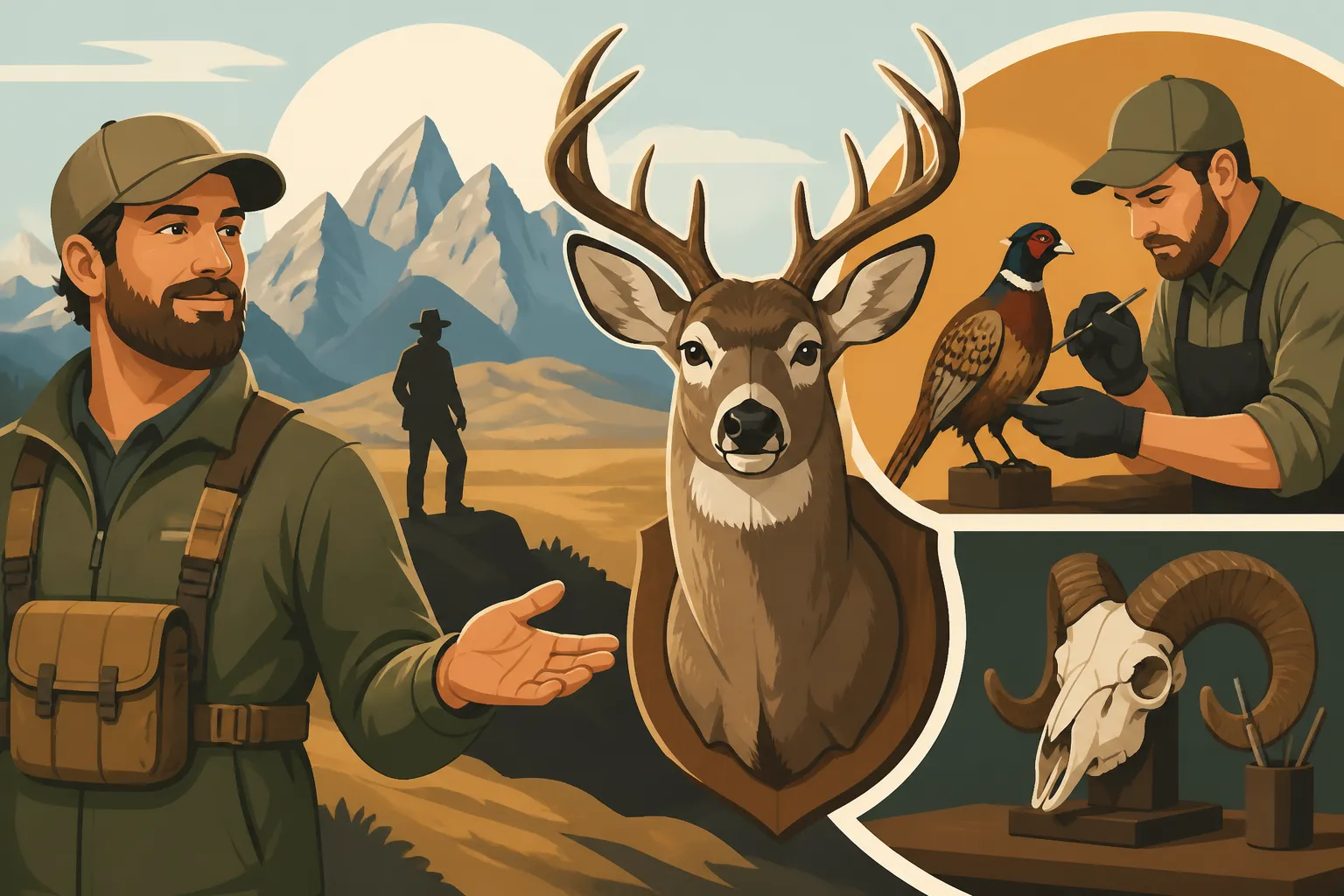
This includes details about the species, the type of mount you envision (e.g., shoulder mount, full body, European skull mount), and any special requests. You'll also need to discuss payment terms, expected turnaround times, and shipping arrangements back to your home state. Remember, clear communication upfront prevents misunderstandings later on. Don't assume the outfitter has conveyed all your specific wishes; always follow up directly with the taxidermist. It’s also wise to inquire about Shipping Capes and Antlers Home After a Hunt early in the process, as proper preparation is crucial for legal and safe transport. Make sure you understand the requirements for Field Dressing and Carcass Transport Rules Explained to ensure your cape is ready for the taxidermist.
Evaluating a Referred Taxidermist
Receiving a referral from your outfitter is a fantastic start, but it's still your responsibility to do your due diligence. After all, this is your trophy, a once-in-a-lifetime memory for many, and you want it handled perfectly.
Questions to Ask Beyond the Referral
Even with a strong referral, you should approach the taxidermist with a list of informed questions. This isn't about distrusting your outfitter; it's about ensuring your specific vision for your trophy aligns with the taxidermist's capabilities and processes.
Ask to see examples of their work, preferably on the same species you harvested. Inquire about their tanning methods – do they do it in-house or send it out? What kind of forms do they use, and do they offer custom poses? Get a clear understanding of their pricing, including any additional fees for special requests or shipping. Discuss their estimated turnaround time and how they communicate updates. Don't be shy; a reputable taxidermist will welcome your questions and be transparent about their process. This conversation is crucial in setting expectations and ensuring you’re happy with the final product. It’s similar to how you’d ask Questions to Ask a Wyoming Outfitter before booking your hunt; you need to be just as thorough here.
Red Flags and How to Avoid Them
While most outfitters will only refer quality professionals, it’s always good to be aware of potential red flags. Your trophy is too important to cut corners.
Be wary of taxidermists who offer unusually low prices that seem too good to be true. Quality taxidermy is a skilled art form, and it commands a fair price. Lack of clear communication, an unwillingness to show past work, or a vague timeline for completion are all reasons to pause. Another concern could be a taxidermist who seems rushed or dismissive of your specific requests. Your trophy should be treated with care and attention, not just another piece on an assembly line. While rare, if you encounter a situation that feels off, it’s okay to politely decline and seek another option. Even if you've put a lot of research into your hunt, perhaps using tools from GoHunt, remember that the post-hunt care is equally important to the success of your overall experience.
Alternative Options for Your Trophy
While using an outfitter's referred taxidermist in Wyoming is often the most convenient and reliable option, it's not your only choice. Knowing your alternatives can help you make an informed decision based on your budget, timeline, and personal preferences.
Doing It Yourself: The Pros and Cons of Field Prep
For some hunters, especially those with experience, the idea of doing their own field preparation for taxidermy is appealing. This involves caping the animal correctly, salting the hide, and cleaning the skull for transport.
The biggest pro here is cost savings, as you're not paying for the initial prep work. It also gives you complete control over this crucial first step. However, the cons are significant. Improper field prep can ruin a cape, making it impossible to mount or requiring expensive repair work. It demands specific knowledge and tools, especially for intricate areas like the eyes, ears, and nose. For a nonresident, the additional challenge of properly preparing and preserving a hide for a long journey home adds another layer of complexity. If you're considering this, make sure you thoroughly understand the process and have all the necessary supplies. For a large animal like an elk, the sheer size and weight of the cape can be overwhelming. Proper care includes understanding Wyoming’s Evidence of Sex Requirements on a Carcass and general rules for animal handling.
Shipping Your Trophy Home for Local Taxidermy
Many hunters prefer to use a taxidermist in their home state, someone they've worked with before or who comes highly recommended by their local hunting community. This offers familiarity and the convenience of closer communication throughout the mounting process.
To do this, your outfitter or a local game processor will need to properly cape, skull, and salt the hide for shipment. This usually involves freezing the cape and antlers (or skull plate) and then shipping them via a specialized freight service or even as oversized luggage, depending on the airline and size. The pros are using a trusted taxidermist and avoiding the complexities of long-distance communication with a new artist. The cons include the cost and logistical challenges of shipping a large, frozen animal part. You'll need to research reputable shipping companies that handle biological specimens and ensure all packaging and documentation meet regulations. For specific species like a Hunting a Wyoming Mountain Lion Quota That Can Close Early, the processing and shipping might have additional requirements, so always check with your chosen taxidermist and the Wyoming Game and Fish Department.
Here's a quick comparison to help you weigh your options:
| Feature | Outfitter-Referred Wyoming Taxidermist | Home State Taxidermist (after Wyoming hunt) |
|---|---|---|
| Convenience | High – often includes pickup from camp/processor, fewer personal logistics | Moderate – requires proper field prep and arranging specialized shipping |
| Local Expertise | High – experienced with Wyoming species, conditions, and regulations | Varies – may not have as much specific experience with Western game |
| Cost | Standard taxidermy rates + potential shipping from Wyoming to home | Standard taxidermy rates + cost of shipping cape/antlers from Wyoming |
| Communication | Potentially longer distance, but outfitter might assist | Easier, in-person communication with local professional |
| Turnaround | Varies by taxidermist, similar to industry norms | Varies by taxidermist, similar to industry norms |
| Risk of Damage | Lower during initial handling due to experienced local pros | Higher if field prep or shipping is done improperly |
Ultimately, the choice of taxidermist is a personal one. Your outfitter can lay out the best local options and streamline the initial steps, but by asking the right questions and understanding your alternatives, you can ensure your hard-earned Wyoming trophy becomes a lasting, beautiful tribute to your hunt. Remember, the journey doesn't end when the animal is on the ground; proper care ensures your memory lasts a lifetime.
Disclaimer
This article is for general informational purposes only and does not constitute professional advice. Laws, prices and regulations vary by location and change over time. Consult a qualified professional for guidance on your specific situation.