Trophy Bull Hunts at the Top End
Chasing a trophy bull elk in Wyoming isn't just a hunt; for many, it's the culmination of years of dreaming, saving, and strategic planning. The challenges are immense, from navigating complex draw odds to the sheer physical demands of mountainous terrain, and all too often, hunters underestimate the investment of time, effort, and money required to truly pursue a top-end bull. This guide dives deep into what it truly means to embark on a trophy bull hunt at the highest level in Wyoming, exploring everything from the unique aspects of these premium experiences to the costs involved, so you can go into it with your eyes wide open.
Understanding "Trophy Bull Hunts at the Top End"
When we talk about "trophy bull hunts" in Wyoming, we're not just discussing a general elk hunt. We're talking about a specialized pursuit aimed at mature, high-scoring animals, often in specific units known for producing exceptional genetics and age class. This isn't your average public land outing; these experiences are curated, intense, and often come with a price tag that reflects the immense effort and expertise required.
What Defines a "Trophy" Bull in Wyoming?
The term "trophy" can be subjective, but in the context of a top-end hunt, it typically refers to a bull that meets or exceeds certain antler score benchmarks, often those recognized by organizations like Boone and Crockett or Pope and Young for archery. For many, it's about pursuing a bull in the 350-inch class or larger, a truly exceptional animal that represents the pinnacle of the species. These are bulls that have survived numerous seasons, evaded countless hunters, and grown magnificent racks.
Beyond a mere tape measure, a trophy bull also implies a certain age class. We’re talking about animals that are often 6.5 years old or older, with fully mature antlers that reflect their genetic potential and a lifetime of nutrition and survival. Such bulls are often found in specific, limited-quota hunt areas, where management strategies prioritize antler growth and herd health. The challenge isn't just finding an elk; it's finding that particular, elusive monarch of the mountains.
However, it's also important to remember that a "trophy" can be deeply personal. For some, it might be about the unique character of the antlers, a particularly challenging stalk, or the sheer experience of hunting a specific, legendary area. A top-end outfitter understands this nuance, often working with clients to define their specific goals, whether it’s a Boone and Crockett qualifier or simply the biggest bull they’ve ever had the chance to pursue.
Why the Price Tag Climbs So High
The financial investment required for a top-end trophy bull hunt in Wyoming is significant, and there are several compelling reasons for this. Firstly, these hunts often take place in very limited-quota units, which means the outfitter has secured exclusive access to private land within these units or has dedicated years to mastering the public land nuances of a specific area. These are not "opportunity" hunts; they are precision operations.
Secondly, the resources dedicated to scouting and guiding are extensive. Top-tier outfitters often employ year-round scout teams, utilizing advanced optics, trail cameras, and even drone technology (where legal and ethical for scouting) to locate and monitor specific mature bulls before the season even begins. The guides assigned to these hunts are often seasoned veterans with decades of experience in the specific hunt unit, possessing an encyclopedic knowledge of elk behavior, terrain, and weather patterns.
Finally, the success rates for truly mature bulls, even with expert guidance, are never 100%. The higher price reflects the outfitter's commitment to maximizing those odds through longer hunt durations, increased effort, top-tier equipment, and a higher guide-to-hunter ratio—sometimes even one-on-one guiding. It's an investment in increased opportunity and a more focused pursuit, as well as the outfitter's reputation for consistently putting clients on high-quality animals.
The Experience Beyond the Kill
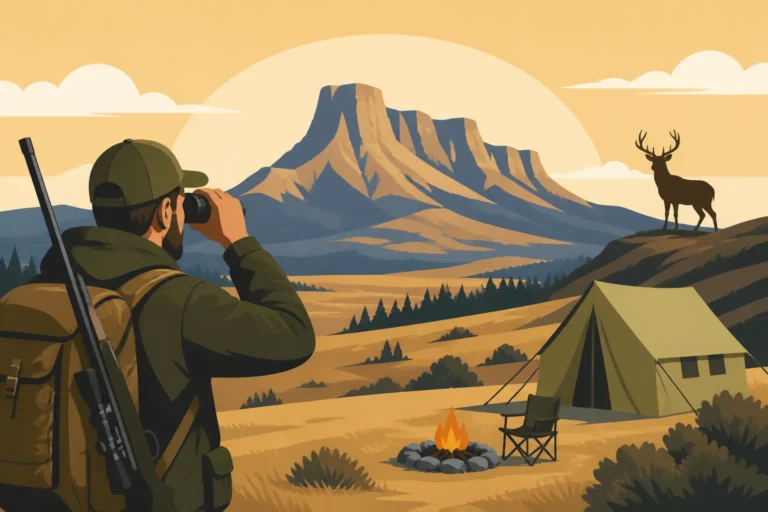
A trophy bull hunt at the top end is about far more than just pulling the trigger or releasing an arrow. It's an immersive, comprehensive experience designed to offer unparalleled comfort, service, and strategic hunting. These hunts frequently include luxury accommodations, whether that's a beautifully appointed ranch house, a well-outfitted base camp, or even a remote, comfortable wall tent camp deep in the wilderness. Meals are often gourmet, prepared by skilled camp cooks who understand the need for hearty, delicious food after long days in the field.
The outfitter also focuses on the overall journey, not just the moment of truth. This can include personalized service from the moment you arrive, professional photography or videography to capture your adventure, and meticulous trophy care once an animal is down. For many, the value lies in the freedom from logistical worries, allowing them to fully focus on the hunt itself, the stunning Wyoming landscape, and the camaraderie with their guides and fellow hunters. It’s about building memories, pushing personal limits, and connecting with the wild on an entirely different level.
Deciphering High-End Outfitter Packages
When you're looking at "Trophy Bull Hunts at the Top End," the packages offered by outfitters can vary widely, but they generally share a common theme: comprehensive service and an uncompromising commitment to the hunt. Understanding what these packages entail, and what they typically don't include, is crucial for managing your expectations and budget.
What a Top-Tier Package Typically Includes
A top-tier outfitter package for a trophy bull hunt usually covers a substantial range of services and amenities. You can often expect to find:
- Dedicated, Experienced Guides: This often means a 1:1 or 1:2 guide-to-hunter ratio, ensuring personalized attention and maximizing hunting efficiency. These guides are experts in the specific unit, often with years, if not decades, of experience.
- Horses and Pack String: For mountain hunts, horses are frequently used for daily transportation to and from prime hunting grounds, as well as for packing out meat and trophies. This saves hunters from grueling hikes and allows access to more remote areas.
- Comfortable Camp or Lodge: Depending on the hunt, accommodations can range from luxurious lodges with private rooms and hot showers to meticulously maintained wall tent camps with comfortable cots, heating, and dedicated dining areas.
- Gourmet Meals and Drinks: Expect high-quality, chef-prepared meals, snacks, and non-alcoholic beverages. Dietary restrictions are often accommodated with prior notice.
- Field Transportation: This covers everything from driving to trailheads to transporting harvested game back to the processing facility.
- Trophy Care: Guides will typically field dress, quarter, and pack out your animal, and often assist with preparing the cape for taxidermy and getting the antlers ready for transport.
- Pre-Season Scouting: Many top outfitters conduct extensive pre-season scouting to locate and monitor trophy bulls, increasing your chances once you arrive.
- Pre-Hunt Information Packet: This will often include detailed gear lists, travel instructions, and physical conditioning recommendations.
It's vital, however, to clarify what is not included. Generally, your hunting license and tag fees, preference point costs, application fees, meat processing, taxidermy, shipping of meat and trophies, personal hunting gear (weapons, optics, clothing), travel to and from the region, gratuities for guides and camp staff, and any pre/post-hunt lodging outside the outfitter's services are all separate expenses. Be sure to check the outfitter's contract or website for a full breakdown. Don't forget to factor in the cost of your Wyoming Nonresident Elk License Price and any special tag costs when budgeting.
The Role of Specialized Guides and Scout Teams
The quality of the guide is paramount on a high-end hunt. These aren't just folks who know how to track; they are intimately familiar with the specific hunt unit, its topography, game trails, water sources, and the unique habits of the elk residing there. Many top outfitters invest heavily in their guiding staff, often employing career guides who have spent years learning every nuance of the land.
Furthermore, many top-end operations utilize dedicated scout teams who spend months, sometimes even year-round, tracking and patterning trophy bulls. They'll use high-power optics to glass distant basins, set up trail cameras in key pinch points, and meticulously map out elk movements between feeding, bedding, and watering areas. This extensive pre-season work means that when you arrive, the outfitter isn't just starting from scratch; they often have specific animals located and a strategic plan already in motion. This level of preparation is a significant factor in the higher cost but also a key differentiator in success rates for truly exceptional bulls. These guides also excel at reading wind, understanding terrain that can hide an approach, and knowing How Close a Bowhunter Really Needs to Get.
Exclusive Access and Private Land Opportunities
One of the most significant advantages, and often a key driver of the "top end" price, is access to private land. While Wyoming boasts vast amounts of public land, trophy elk often seek refuge and better forage on large private ranches, especially during hunting season. Top-tier outfitters frequently secure exclusive hunting leases or negotiate trespass fees with landowners, providing hunters with access to areas that hold undisturbed, mature bulls. This means less hunting pressure and a higher likelihood of encountering truly large animals.
This private land access can bypass some of the challenges inherent in hunting crowded public ground, allowing for more strategic hunting, better game management, and a more controlled environment. The fees associated with these leases are substantial for the outfitter and are naturally passed on to the client as part of the premium package. Understanding the importance of this private land access is crucial, and it's something worth discussing with any potential outfitter. For more on this, you might explore Wyoming Landowner Tags and Getting on Private Ground.
The Application and Booking Process for Premium Hunts
Securing a high-end trophy bull hunt in Wyoming involves more than just picking up the phone and writing a check. It's a strategic dance between navigating the state's complex draw system and timing your outfitter booking. Without a clear plan, you might find yourself with a top-notch outfitter but no tag, or a tag in hand but no premium hunt booked.
Navigating Wyoming's Limited Quota Draws
Wyoming's elk draw is notoriously competitive, especially for the limited-quota units known for producing giant bulls. Non-residents must navigate a preference point system, and for the top units, accumulating several points over many years is often the only realistic path to drawing a tag. This means planning your hunt often begins years before you ever set foot in Wyoming, as you diligently purchase preference points each year. Understanding How Wyoming Splits Every Draw 75 Percent Points and 25 Percent Random is crucial here, as it illustrates how a portion of tags are still allocated randomly, even for those without maximum points.
Many top-end outfitters operate in these hard-to-draw units, and they often advise clients on draw strategies, including which units to apply for and whether to use the regular or "special" draw. The "special" draw offers slightly better odds at a significantly higher license fee, making it a common choice for those pursuing a premium experience. Tools like GoHunt provide invaluable data for analyzing draw odds and making informed application decisions. Your outfitter might even provide advice on specific Wyoming's Elk Units, E1 Through E10 that align with your trophy goals and point level.
When and How to Book a Top-End Outfitter
Because the number of high-quality, limited-quota tags is so scarce and the demand for top-end outfitters is so high, booking your hunt needs to happen far in advance—often a year, two, or even more before your target hunt season. Reputable outfitters with a proven track record of consistently putting clients on trophy bulls fill their schedules quickly. You'll typically need to place a significant deposit to secure your spot, often a percentage of the total hunt cost.
It’s not uncommon to book an outfitter before you even draw your tag. In this scenario, the outfitter will have a clear cancellation or refund policy if you are unsuccessful in the draw. Always review these terms meticulously before committing. This upfront booking ensures that once you do draw that coveted tag, you have a top-tier operation ready to take you into the field. If you're planning your trip, consider reading Book Your Wyoming Hunt Before the Draw Runs for more insights on this critical timing.
Vetting the Outfitter: Beyond the Brochure
Given the significant investment, thoroughly vetting any outfitter is non-negotiable. Don't rely solely on glossy brochures or website testimonials. Start by confirming their licensing and good standing with the Wyoming Board of Outfitters and Professional Guides. Every legitimate outfitter will have a license number you can verify. You can learn more about this by checking out Looking Up a License in the Wyoming Outfitter Board.
Next, ask for a comprehensive list of references—and call them. Speak with past clients about their experiences, focusing on aspects like guide professionalism, camp quality, adherence to fair chase principles, and overall satisfaction, not just success rates. Inquire about the outfitter's success rates for trophy bulls specifically, as well as their policies regarding wounded animals, safety, and emergencies. A transparent outfitter will be happy to provide this information. For a deeper dive into this, see Vetting a Wyoming Outfitter Before You Send a Deposit and Questions Worth Asking Before You Book. Resources like BookYourHunt can sometimes offer verified reviews and details to aid your research, but direct communication with the outfitter and their references remains paramount.
Realistic Expectations and Preparation
Even with a top-end outfitter, a trophy bull hunt in Wyoming is not a guaranteed cakewalk. It's a demanding adventure that requires significant personal preparation and a realistic understanding of what the experience entails. Setting proper expectations will ensure you can fully appreciate the journey, regardless of the outcome.
Physical Demands and Mental Toughness
Wyoming elk country is rugged, vast, and unforgiving. Even on a horseback hunt, you will be spending long hours in the saddle, climbing steep inclines, and likely making strenuous hikes at high altitudes. The air is thin, and the terrain can be challenging. A trophy bull often lives in the toughest, most remote pockets of the mountains, meaning your physical conditioning needs to be top-notch. You'll be climbing, descending, packing gear, and potentially hauling heavy meat out of difficult areas.
Beyond physical fitness, mental toughness is crucial. Elk hunting can involve early mornings, late nights, inclement weather (rain, snow, wind, intense sun), and long periods of glassing without seeing much game. There can be days of hard hunting without opportunities, requiring patience and perseverance. Being mentally prepared for the grind and for the unpredictable nature of wild animals is just as important as your physical readiness. A well-prepared hunter will read Physical Conditioning for a Mountain Hunt and take its advice seriously.
Gear, Optics, and Weapon Considerations
Your gear selection is paramount on a high-end hunt. Quality optics are not just a luxury; they are a necessity for glassing vast expanses of country to locate elusive bulls. This means top-tier binoculars (often 10x or 12x power), a high-quality spotting scope (20-60x or 25-75x), and a sturdy tripod. Consider reading Optics Power for Wyoming's Long Sightlines for more detail. Your clothing system needs to be adaptable to rapidly changing mountain weather, offering layers for warmth, breathability, and protection from rain and wind. Investing in good quality, broken-in boots is critical, as you'll be covering many miles on foot.
For rifle hunters, a reliable, accurate rifle chambered in a cartridge suitable for elk (e.g., .300 Win Mag, 7mm Rem Mag, .30-06, .28 Nosler) is essential, capable of making ethical shots at longer ranges often encountered in open country. Practice shooting from various field positions, not just a bench. Bowhunters need a dependable setup, with a bow tuned for accuracy and broadheads that meet Wyoming's legal requirements for penetration and cutting diameter. Understanding Arrow Weight That Gets Through an Elk is important for ensuring lethality. Discuss your weapon choice and proficiency with your outfitter; they can offer invaluable advice based on the terrain and typical shot distances in their specific unit.
Understanding "Success" on a Trophy Hunt
While the goal of a trophy bull hunt is undoubtedly to harvest a magnificent animal, it’s vital to broaden your definition of "success." Even with the best outfitter and extensive preparation, elk are wild animals, and there are no guarantees. Weather can turn, elk can move unexpectedly, or a shot opportunity simply might not materialize.
True success on a top-end hunt encompasses the entire experience: the effort put into preparation, the beauty of the Wyoming wilderness, the challenges overcome, the skills honed, and the memories made with your guides and hunting partners. It’s about the fair chase, the thrill of the pursuit, and the profound connection to nature. If you go into the hunt with a mindset that values the experience as much as, or even more than, the kill, you will never be disappointed, regardless of whether you punch your tag.
Costs Beyond the Outfitter's Invoice
While the outfitter's fee is the most significant single expense for a trophy bull hunt, it's far from the only cost. Many hunters underestimate the myriad of additional expenses that quickly add up, turning an already substantial investment into an even larger one. Ignoring these can lead to unpleasant surprises and budget shortfalls.
License, Application, and Preference Point Fees
Before you even step foot in camp, you'll incur costs related to obtaining your hunting license and tag. For non-residents, these fees are substantial. A Wyoming non-resident elk license alone can be quite expensive, and often there's an option for a "special" license draw that costs even more but offers slightly better draw odds for those coveted tags. On top of the license itself, you'll pay an application fee per species.
Then there are preference points. For the best trophy units, accumulating preference points over several years is almost mandatory for non-residents. Each point also carries a fee. If you're unsuccessful in the draw for a tag but still want to build points, you'll pay for the point each year. These costs, while individual, add up quickly when considering a multi-year strategy to draw a premium tag. For an updated breakdown, be sure to check the Wyoming Nonresident Elk License Price directly from the state's Game and Fish Department.
Travel, Logistics, and Gratuities
Getting to Wyoming, and then to your outfitter's meeting point, involves its own set of expenses. This includes round-trip airfare, often to airports like Casper, Jackson, or Cody, followed by ground transportation. You might need to rent a vehicle, especially if you plan any sightseeing before or after your hunt, or if the outfitter does not provide airport pickup. There can also be overnight stays in hotels on either end of your journey, depending on flight schedules.
Another significant, often overlooked, cost is gratuities. It is customary to tip your guides and camp staff for their hard work, dedication, and service. A typical tip for a guide on a fully guided, successful trophy hunt can range anywhere from 10-20% of the hunt cost, and camp staff often receive a separate, smaller gratuity. This is a vital part of the hunting culture and a way to show appreciation for the often physically demanding and long hours these individuals put in to make your hunt a success. Factor this into your budget as a significant and expected expense.
Post-Hunt Expenses: Processing, Taxidermy, Shipping
Once you've harvested a trophy bull, the costs don't end there. You'll need to consider meat processing. Unless the outfitter explicitly includes it (which is rare), you'll pay a local butcher to process your elk meat into steaks, roasts, and ground meat, then package it for transport. This can be a few hundred dollars or more, depending on the services.
If you plan to have your trophy mounted, taxidermy is a substantial expense. A shoulder mount for a bull elk can run into the thousands of dollars. You'll also need to factor in the cost of shipping your meat and your trophy (capes and antlers) back home, which can be considerable, especially for heavy meat coolers and large antlers. Some outfitters might have preferred local taxidermists or shippers they work with, but the costs are almost always borne by the hunter. Be sure to investigate Meat Processing and Shipping Costs After a Hunt to get a realistic picture of these final but essential expenditures.
| Expense Category | Typical Inclusion in Top-End Package | Additional Hunter Costs (Examples) |
|---|---|---|
| Outfitter Fee | Yes | |
| Licenses & Tags | No | Non-resident elk license, application fees, preference points |
| Travel (Air/Ground) | Sometimes (airport transfer) | Airfare, rental car, fuel, pre/post-hunt lodging |
| Guide & Camp Staff Gratuities | No | 10-20% of hunt cost for guides, cash tips for cooks/camp staff |
| Meat Processing | No | Butchering, packaging, dry ice |
| Taxidermy | No | Shoulder mount, European mount, expediting fees |
| Trophy & Meat Shipping | No | Freight for antlers/cape, insulated coolers for meat, shipping fees |
| Personal Gear | No | Rifle/bow, ammunition, optics, clothing, boots, backpack, sleeping bag |
| Hunting Insurance | No | Trip cancellation insurance, emergency evacuation coverage |
| Pre-Hunt Prep | No | Physical training, shooting practice, gear upgrades |
Disclaimer
This article is for general informational purposes only and does not constitute professional advice. Laws, prices and regulations vary by location and change over time. Consult a qualified professional for guidance on your specific situation.