The Rules Inside Absaroka-Beartooth Wilderness
Stepping into the Absaroka-Beartooth Wilderness for a hunt is a dream for many, but it’s also a serious undertaking. The sheer vastness and rugged beauty of this country are captivating, yet they demand immense respect and preparation. Many hunters feel overwhelmed by the unique rules and challenges of hunting without modern conveniences. This guide walks you through essential regulations and practical considerations you need to know before you set foot in the Absaroka-Beartooth, helping you plan a safe and legal hunt.
Understanding the Absaroka-Beartooth Wilderness
The Absaroka-Beartooth Wilderness isn't just a big chunk of wild land; it's a designated wilderness area, which comes with a very specific set of regulations designed to preserve its untamed character. This distinction is crucial for hunters, as it dictates everything from how you travel to whether you need a guide. Ignoring these rules isn't just frowned upon; it can lead to serious legal trouble and impact your hunting future.
Where the Wilderness Lies and What It Encompasses
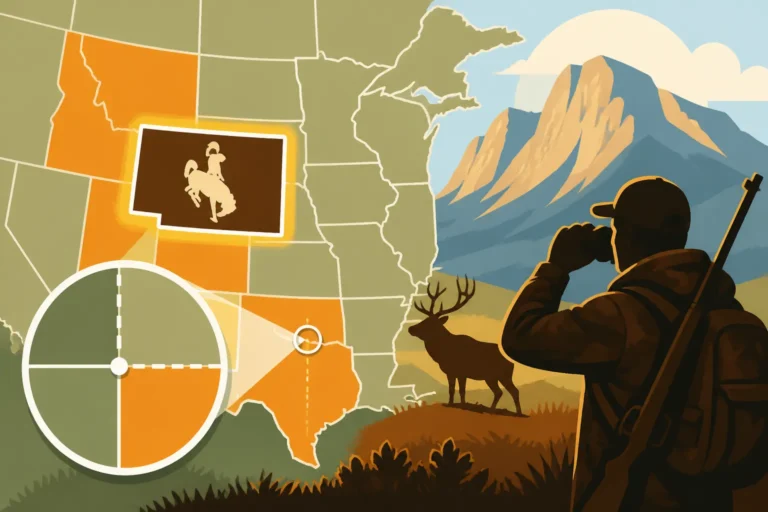
The Absaroka-Beartooth Wilderness spans a truly impressive landscape, stretching across parts of both Montana and Wyoming, encompassing over 944,000 acres of rugged mountains, high plateaus, and deep river valleys. In Wyoming, it primarily lies within the Shoshone National Forest, bordering Yellowstone National Park. This isn't your average public land with roads winding through it or easy access points. We're talking about a vast expanse of granite peaks, alpine lakes, thick timber, and endless drainages that can swallow you whole if you're not prepared. For hunters, understanding its sheer scale and remoteness is the first step toward respecting its unique challenges. When you're looking at a map, you'll see it tucked away in the northwest corner of Wyoming, a truly wild place that feels a world away from paved roads and cell service. It's a land where grizzlies roam freely, and elk seek refuge in the deepest timber, demanding a level of self-sufficiency that many modern hunters rarely encounter. Getting Into the Absaroka Range can be a journey in itself, often requiring long drives and then even longer hikes.
Why the Absaroka-Beartooth is Different
The key to understanding the Absaroka-Beartooth lies in its designation under the 1964 Wilderness Act. This act ensures that these lands remain "an area where the earth and its community of life are untrammeled by man, where man himself is a visitor who does not remain." What this means for hunters is a strict prohibition on motorized vehicles and mechanized equipment. Forget your ATVs, your e-bikes, even mountain bikes. Your feet, or the hooves of a horse or mule, are your only modes of transportation once you step beyond the wilderness boundary. This isn't just an inconvenience; it's a fundamental shift in how you plan and execute a hunt. It preserves the solitude and wildness that draws many to these areas, but it also ups the ante significantly regarding physical fitness, navigation skills, and overall self-reliance. You're not just hunting for an animal; you're immersing yourself in an experience that few places on earth can still offer. For many, it's a chance to truly disconnect and test their mettle against nature on its own terms, a world away from the easy access of some other hunting grounds.
Navigating the Core Rules for Hunters
Hunting in a designated wilderness area like the Absaroka-Beartooth means adhering to a more stringent set of regulations than you might find elsewhere. These rules are in place to preserve the wilderness character, ensure public safety, and protect both the wildlife and the environment from excessive human impact. It's not about making things harder; it's about maintaining a truly wild experience for everyone.
No Wheels Allowed: Motorized and Mechanized Travel
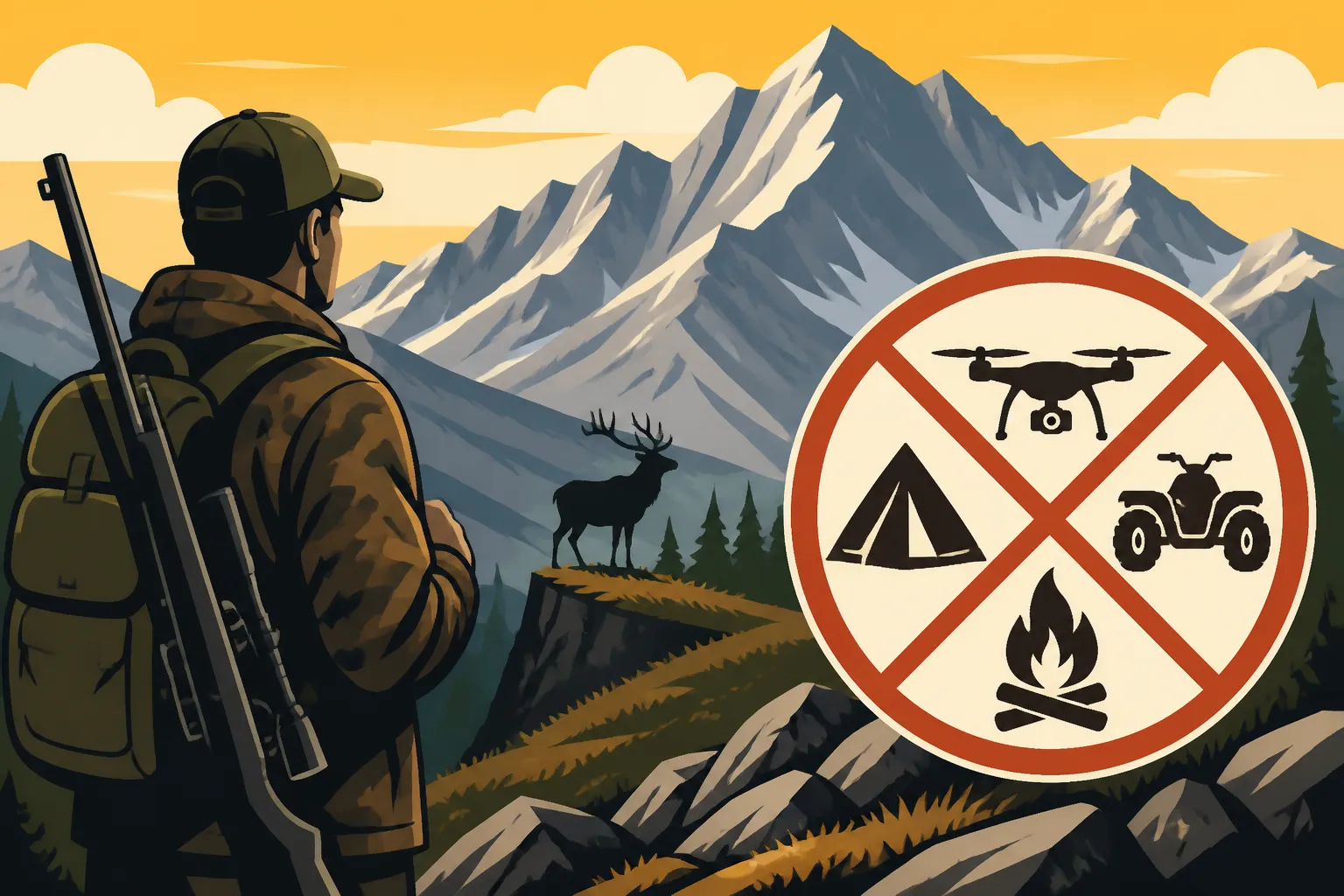
This is perhaps the most fundamental rule of wilderness hunting: if it has a motor or relies on mechanical propulsion, it's not allowed beyond the wilderness boundary. This means no ATVs, no dirt bikes, no e-bikes, and even no traditional mountain bikes. The idea is to keep the wilderness free from the noise, exhaust, and trails created by such equipment. You might think, "Well, that's obvious for ATVs," but many hunters are surprised to learn that their favorite backcountry mountain bike is also prohibited. Motorized Limits Inside Wyoming Wilderness are strictly enforced. Your options for travel are limited to foot traffic or approved pack animals like horses or mules. This limitation profoundly impacts how you plan your hunt. Accessing remote areas requires either a very long hike, or the use of pack stock to get you and your gear deep into the country. This isn't just about getting there; it's about getting an animal out. If you're fortunate enough to harvest an elk several miles from the boundary, you'll be quartering it and packing it out on your back, piece by agonizing piece, or relying on your string of pack animals. It demands a level of physical endurance and logistical planning that's often overlooked by those accustomed to easier access.
Outfitters, Guides, and Solo Hunters
For nonresident hunters, the Absaroka-Beartooth Wilderness presents an additional layer of regulation: the wilderness guide law. If you're a nonresident hunting elk, deer, or bighorn sheep within a designated wilderness area, you are legally required to employ a licensed Wyoming outfitter or guide. This rule is a common source of frustration for out-of-state hunters who prefer a DIY approach, but it's firmly in place. Wilderness Rules Every Wyoming Nonresident Should Know are critical. The only exception for nonresidents is if you're hunting with a Wyoming resident who holds a valid license and completes a special affidavit, agreeing to accompany and supervise you. This resident essentially acts as your personal, unpaid guide. The regulations state that Wyoming Requires One Guide for Every Two Nonresident Hunters, meaning a single resident guide can take up to two nonresidents. It's essential to understand that this resident cannot receive any payment or compensation for their guiding services beyond basic shared expenses. For residents, the guide requirement does not apply; they can hunt solo or with other residents without the need for a professional outfitter. This guide law exists to ensure that hunters in these remote and challenging areas have adequate support and expertise, ostensibly for safety and resource protection, but it undeniably adds significant cost and complexity for nonresident hunters.
Camping and Campfire Regulations
When you're deep in the Absaroka-Beartooth, you're not just a hunter; you're a temporary guest in a fragile ecosystem. This means adhering to strict Leave No Trace principles, which are often codified into specific camping and campfire regulations. Finding a suitable campsite means looking for previously used spots, at least 200 feet from water sources and trails, to minimize impact. Don't go setting up camp right on the edge of a pristine alpine lake, no matter how tempting the view might be.
Food storage is another major concern, especially since the Absaroka-Beartooth is grizzly country. All food, garbage, and anything scented (like toiletries) must be stored in bear-resistant containers, hung from a tree with specific techniques, or kept within a properly electrified fence. Failure to properly store food not only endangers you but can habituate bears to human food, leading to dangerous encounters and, often, the bear's eventual demise. This isn't a suggestion; it's a non-negotiable safety and ethical rule. Bear Safety Practices in an Outfitter Camp are paramount and apply to all hunters.
Campfires, while a cherished part of the backcountry experience, are often subject to restrictions. Always check current fire danger levels and specific forest regulations before heading out. During dry periods, total fire bans are common, meaning only stoves are permitted. Even when fires are allowed, they should be small, contained to existing fire rings if possible, and completely extinguished before you leave. Use only dead and downed wood, and never cut live trees. The goal is to leave your campsite as if you were never there.
Planning Your Hunt in Absaroka-Beartooth
A successful hunt in the Absaroka-Beartooth Wilderness hinges almost entirely on meticulous planning and preparation. This isn't a place you can just "wing it." The consequences of being unprepared can range from a miserable trip to a life-threatening situation.
Mapping and Navigation Challenges
In the vastness of the Absaroka-Beartooth, relying solely on your phone or a single GPS unit is a recipe for trouble. Batteries die, signals get lost, and electronics fail. While apps like onX Hunt are incredibly useful for initial E-Scouting a Unit Before the Season Opens and navigating during the approach, they should never be your sole navigation tool once you're deep in the wilderness. The digital maps are fantastic for understanding land ownership and identifying terrain features from afar, but they require a power source and a clear satellite signal, both of which can be intermittent in deep canyons or during inclement weather.
The absolute minimum requirement is a physical map and a compass, and knowing how to use them. Print out topographic maps of your entire hunt area, waterproof them, and know your waypoints. Many seasoned wilderness hunters carry multiple GPS devices and spare batteries, alongside their paper maps. Topographical features can be much harder to interpret on a small screen in the field, especially when the weather rolls in or visibility drops. The ability to read a contour line and orient yourself with a compass is a non-negotiable skill for anyone venturing into this kind of country. Services like GoHunt can also provide valuable information on unit specifics and draw odds, helping you choose the right area, but once you're out there, it's analog skills that often save the day.
Physical Demands and Preparation
Hunting the Absaroka-Beartooth Wilderness is a serious physical challenge. We're talking about elevations that can easily exceed 9,000 to 10,000 feet, combined with steep climbs, thick timber, and often, significant snow in the later seasons. Physical Conditioning for a Mountain Hunt isn't just a suggestion; it's a prerequisite. Many hunters underestimate the impact of altitude, which can leave even fit individuals gasping for air and severely diminish their energy levels. You need to be able to hike for miles with a heavy pack, day after day, and then have the strength and stamina to pack out a quartered animal.
Start training months in advance. Focus on cardiovascular endurance, leg strength, and carrying weight. Mimic hunting conditions by hiking with a loaded pack on varied terrain. If you live at a lower elevation, consider arriving a few days early to acclimatize to the altitude. Dehydration and exhaustion are real threats in this environment, and poor physical conditioning can quickly turn a dream hunt into a nightmare. Don't forget that if you're using pack stock, you'll still be hiking alongside them, often over very rough trails.
Essential Gear and Supplies
The gear you bring to the Absaroka-Beartooth needs to be robust, reliable, and appropriate for extreme mountain conditions. This isn't a place for cheap, flimsy equipment. Think durable layers of clothing that can handle sudden shifts in weather, from warm sun to driving snow. High-quality rain gear is non-negotiable.
Here's a quick rundown of critical items:
| Category | Essential Items | Notes |
|---|---|---|
| Navigation | Topographic maps, compass, reliable GPS with spare batteries, onX Hunt access |
Know how to use all of them. |
| Shelter | Lightweight tent/shelter, sleeping bag rated for cold, sleeping pad | Expect freezing temperatures at night, even in early season. |
| Clothing | Layered system (base, mid, outer), waterproof outer shell, warm hat, gloves | Synthetic or wool are best; avoid cotton. |
| Food & Water | High-calorie, lightweight food, water filter/purifier, purification tablets | Plan for extra days. Always filter water. |
| Safety | First-aid kit, emergency fire starter, headlamp with spare batteries, knife | Whistle, signaling mirror. |
| Bear Safety | Bear spray, proper food storage (bear canister/bag/fence) | Learn how to use bear spray effectively. |
| Communication | Satellite messenger/phone | Cell service is almost non-existent. Satellite Communication From a Hunting Camp is vital. |
| Hunting Specific | Optics (binoculars, spotting scope), rifle/bow, ammunition/arrows, calls | Game bags for meat, rope for hanging meat, appropriate broadheads or bullets. |
This list is just a starting point. Every item needs to be thought through, considering its weight, durability, and necessity. Remember, everything you bring in, you pack out.
Game Management and Ethical Considerations
Hunting in a wilderness area demands a heightened sense of responsibility. Not only are you bound by state and federal regulations, but you also carry an ethical obligation to preserve the wildness of the landscape and the integrity of the hunt for future generations.
Specific Hunting Regulations Within the Wilderness
While the general Wyoming hunting regulations apply statewide, some specific nuances might be in play for the Absaroka-Beartooth. Always consult the current Wyoming Game and Fish Department regulations booklet for the specific hunt area you'll be in. Pay close attention to season dates, license types (Type 1, 2, 6, etc.), and any antler point restrictions or quotas that might apply to elk or deer. Some hunt areas may be archery-only or have specific weapon restrictions. For example, some units might be general elk licenses, while others require limited quota tags. Knowing which species are prevalent in your chosen area, like moose or bighorn sheep, is also important, as these are very difficult to draw and have incredibly specific rules. Ensure you understand Wyoming Hunt Areas That Limit Your Weapon Choice if you have a particular preference for your hunting method.
It's also crucial to remember that the Absaroka-Beartooth borders Yellowstone National Park. Hunting within the park boundaries is strictly prohibited, and pursuing wounded game into the park is a serious federal offense. Know your boundaries precisely.
Minimizing Impact and Practicing Wilderness Ethics
The "Leave No Trace" principles are not just suggestions in the wilderness; they are essential practices for preserving its wild character. This means:
- Pack It In, Pack It Out: Everything you bring into the wilderness, including trash, spent shell casings, and even fruit peels, must leave with you. This also applies to field dressing waste. While some gut piles are natural, large amounts of discarded meat or bones left near trails or campsites are not appropriate. Field Dressing and Carcass Transport Rules Explained are designed to minimize impact and prevent issues.
- Dispose of Waste Properly: Human waste should be buried in catholes 6-8 inches deep and at least 200 feet from water, trails, and campsites. Pack out toilet paper.
- Respect Wildlife: Observe animals from a distance. Never feed wildlife. Give bears and other large predators a wide berth. Remember you are in their home.
- Respect Other Users: The wilderness is for everyone seeking solitude. Keep noise levels down. Yield to hikers and equestrians on trails.
- Carcass Disposal: After harvesting an animal, ensure the carcass or remaining parts are moved away from trails, campsites, and water sources. Spread out the remains to aid decomposition and prevent concentrated attractants for scavengers, which could pose a risk to other users.
Wildlife Interactions: Bear and Predator Awareness
The Absaroka-Beartooth Wilderness is prime habitat for grizzly bears and black bears, as well as mountain lions and wolves. Encounters are possible, and being prepared is not just smart, it's critical for your safety. Always carry bear spray, know how to use it, and have it readily accessible. Make noise while hiking, especially in dense cover, to avoid surprising a bear. Be extra vigilant at dawn and dusk.
When dealing with a downed animal, be aware that the scent of blood can attract predators. Work quickly and efficiently, quartering the animal and getting the meat cooled and hung as soon as possible. Some hunters choose to hang meat away from their main camp to mitigate risk. Understanding the behavior of these animals and practicing sound safety measures will allow you to share the wilderness responsibly.
Disclaimer
This article is for general informational purposes only and does not constitute professional advice. Laws, prices and regulations vary by location and change over time. Consult a qualified professional for guidance on your specific situation.