Species Covered by the Wyoming Guide Law
Hunting in Wyoming is an experience unlike any other, offering vast public lands and incredible opportunities. But if you're a nonresident eyeing those iconic big game species, navigating the ins and outs of guide requirements can feel like trying to read a topo map in the dark. This guide is here to shed light on exactly which species trigger Wyoming's guide law, helping you plan your adventure with confidence and stay within the rules.
Understanding Wyoming's Nonresident Guide Law
Wyoming has a unique set of regulations when it comes to nonresidents hunting certain big game animals, especially within designated wilderness areas. It's a rule that often catches new visitors off guard, but it's fundamentally about managing access, ensuring safety in challenging terrain, and protecting those pristine wilderness experiences for everyone. This law doesn't apply to every hunt or every animal, which is where much of the confusion often arises.
The 'Why' Behind the Rule
The primary purpose of Wyoming's guide law for nonresidents in wilderness areas boils down to a few key factors: safety, conservation, and local economic support. Wilderness areas are, by their very nature, remote, rugged, and unforgiving. They demand a high level of backcountry skill, knowledge of the terrain, and the ability to handle unexpected emergencies. The state wants to ensure that hunters venturing into these areas are adequately prepared and supported, whether that's through a professional outfitter or an experienced resident. It's also about preserving the quality of the wilderness experience itself, ensuring that hunting activities are conducted responsibly. This helps minimize impacts and maintains the delicate balance of these special places.
What it Means for Nonresidents
For nonresidents, this law means you can't simply pack your bags and head into a wilderness area to hunt certain species solo. You have two main options: either hire a licensed Wyoming outfitter and their professional guide, or be accompanied by a qualified Wyoming resident who is acting as your personal guide. The crucial point here is that this resident guide cannot be compensated for their services in any way, shape, or form. They are essentially acting as a volunteer, a friend helping a friend. This distinction is vital, as any form of payment or exchange for guiding services would require that individual to be a licensed professional. Understanding Do Nonresidents Need a Guide to Hunt Wyoming? is the first step in planning.
Big Game Species Covered by the Guide Law
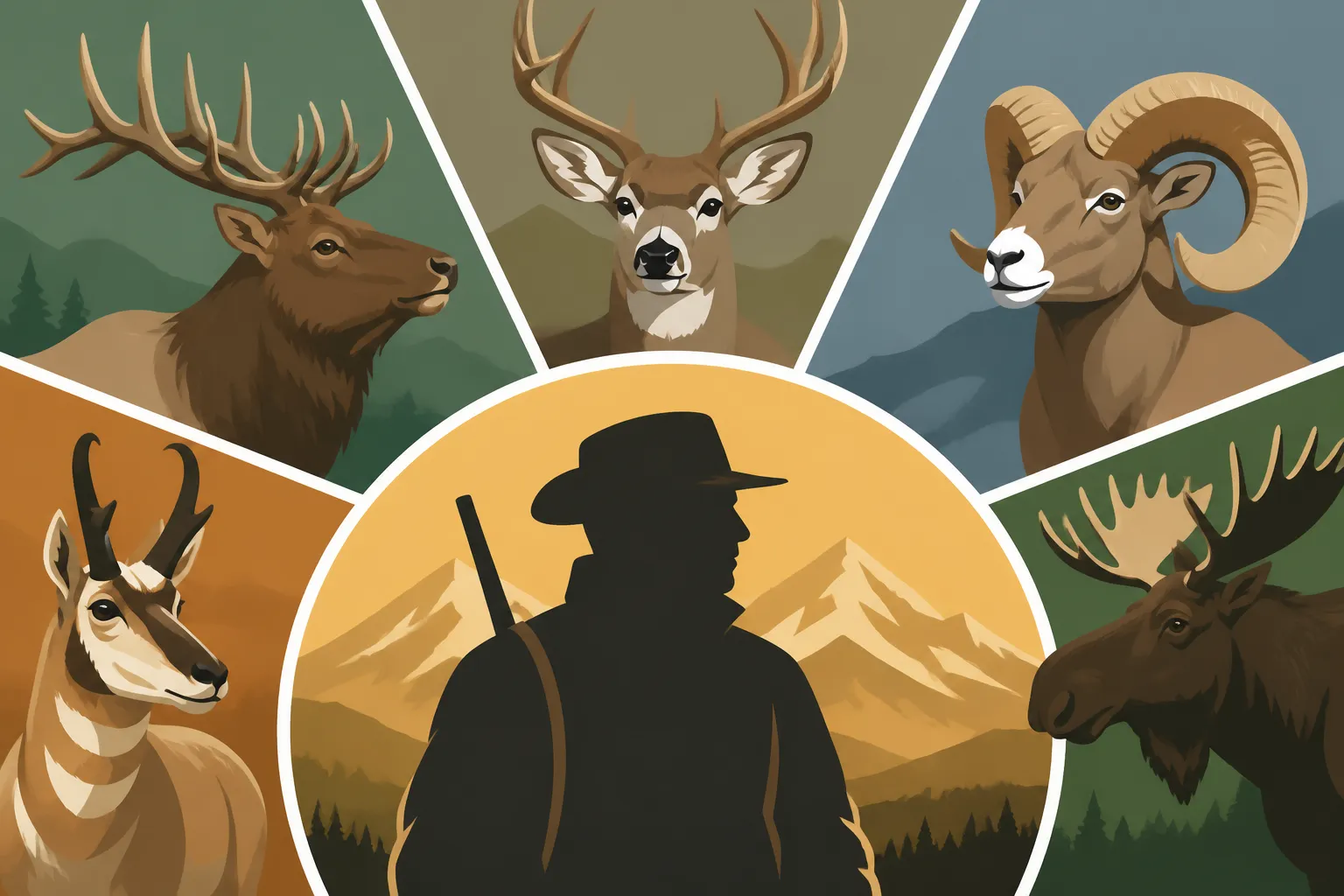
Not every big game animal in Wyoming falls under the nonresident guide law for wilderness areas. The law specifically targets those species that are often pursued in the most remote and challenging wilderness environments, where the risks are highest and the hunting pressure needs careful management. Knowing which animals are on this list is absolutely critical for any nonresident planning a hunt in Wyoming's backcountry.
Elk in the High Country
Elk are perhaps the most iconic species that trigger Wyoming's guide law in wilderness areas. Many of Wyoming's premier elk hunting opportunities exist deep within its designated wilderness, like parts of the Bridger-Teton, Shoshone, and Bighorn National Forests. The rugged mountains, dense timber, and vast expanses of these areas demand serious preparation and expertise. If you've drawn one of those coveted bull elk tags for a hunt area that extends into a wilderness boundary, you'll need to secure an outfitter or recruit a resident guide. This ensures that you have the necessary support for navigating the terrain, handling game, and staying safe in grizzly country. Elk hunting in these areas is often a multi-day pack-in affair, far from roads and services, making a guide's experience invaluable. For an idea of the terrain, explore Elk Hunting the Wind River Wilderness.
Sheep and Goat Specifics
Bighorn sheep and mountain goats are also explicitly covered by the nonresident guide law when hunting in designated wilderness areas. These hunts are already incredibly demanding, requiring exceptional physical fitness, specialized gear, and often occurring in extremely steep, high-altitude environments. Bighorn sheep tags are notoriously difficult to draw, representing a once-in-a-lifetime opportunity for many. Given the extreme conditions and the unique challenges of pursuing these animals, the guide requirement helps ensure that hunters are not only safe but also have the best chance of a successful and ethical hunt. The state aims to protect both the hunters and these incredibly valuable, sensitive populations. The odds of drawing these tags are low, and the hunts themselves are physically grueling, so having a professional guide who knows the terrain and the animals can make all the difference. Knowing Does the Guide Rule Cover Bighorn Sheep? is important for these rare tags.
Moose in Remote Zones
While moose populations are not as widespread as elk, and tags are exceptionally hard to come by, Shiras moose hunting in Wyoming's wilderness areas also falls under the nonresident guide law. Moose often inhabit incredibly dense timber, wet bottoms, and areas that can be very difficult to access. Pursuing a bull moose in a designated wilderness requires navigating thick cover and often rugged, marshy terrain. The guide law applies here to ensure nonresidents are accompanied by someone with the local knowledge and backcountry skills to safely and effectively hunt these magnificent animals in their remote habitats. With such limited tags and the unique challenges of moose hunting, the guide requirement again supports safety and ethical hunting practices within these pristine environments.
The Nuance of Hunt Areas and Wilderness Designations
The key to understanding Wyoming's nonresident guide law isn't just which species, but where you're hunting them. The law is directly tied to designated wilderness areas. This distinction is critical because many hunt areas in Wyoming encompass both wilderness and non-wilderness public lands, as well as private ground. Misinterpreting these boundaries can lead to significant legal trouble and a ruined hunt.
Defining Wilderness: Where the Rule Applies
Wyoming's guide law explicitly states that nonresidents must have a guide when hunting the covered big game species in a designated wilderness area. This isn't just any remote or rugged public land; these are specific areas formally designated by Congress under the Wilderness Act. Think of places like the Bridger-Teton Wilderness, the Popo Agie Wilderness, or the Cloud Peak Wilderness. These areas are managed to preserve their wild, untrammeled character, meaning no motorized vehicles, no mechanized equipment, and a focus on primitive recreation. Before you ever put in for a tag, you need to pore over maps like those found on the Bureau of Land Management (BLM) or Forest Service websites, or even a tool like GoHunt, to identify the exact boundaries of any wilderness areas within your chosen hunt unit. Wyoming Wilderness Areas and the Guide Rule explains this in detail. If your hunt area touches a wilderness boundary and you plan to pursue elk, sheep, goat, or moose within that boundary, the guide law applies.
When the Rule Applies: Beyond the Boundary
It's important to understand that the guide law applies only when you are actively hunting the specified species within the designated wilderness boundary. If your hunt area contains wilderness, but you choose to hunt outside those boundaries on general forest service land, BLM land, or state land, the guide law does not apply for these species. For example, if you draw an elk tag for a unit that has a wilderness component, but you opt to hunt elk on the accessible national forest lands that are not wilderness, you are not required to have a guide. This means detailed E-Scouting a Unit Before the Season Opens is crucial for identifying these different land designations and planning your approach. The lines on the map are not just suggestions; they are hard legal boundaries that dictate your requirements. Always confirm your exact location and the associated regulations before you venture out.
Exceptions and Special Considerations
While the guide law might seem restrictive, Wyoming does provide pathways for nonresidents to hunt in wilderness areas without hiring a professional outfitter. These exceptions are important for those with local connections or specific land access, allowing for a broader range of hunting experiences. It's all about understanding the rules and ensuring you meet the strict criteria for these alternatives.
Resident Friend as a Guide: The Unpaid Companion
The most common exception to hiring a professional outfitter is if you are accompanied by a Wyoming resident who acts as your personal guide. This resident friend must meet several criteria: they must be at least 18 years old, possess a valid Wyoming hunting license, and be capable of providing guidance and assistance during the hunt. Crucially, they cannot receive any form of compensation for their services. This means no money, no gifts, no trade of services, and no "paying them back" after the hunt. They are simply a friend helping a friend. Before you head out, your resident guide must also complete and sign an affidavit provided by the Wyoming Game and Fish Department, attesting to these conditions. This affidavit must be carried by both the nonresident hunter and the resident guide during the hunt. Understanding Can a Resident Friend Guide You Legally? is paramount for this arrangement.
Landowner Exemption: Hunting on Deeded Ground
Another important exception involves hunting on privately owned deeded land. If a nonresident is hunting the specified big game species on private land within a designated wilderness area, and that land is owned by them, their spouse, parent, grandparent, or child, then the guide requirement is waived. This exemption acknowledges the rights of landowners to manage hunting on their own property. However, this is a very specific exemption and does not extend to hunting on leased land, or land where only a trespass fee has been paid. It applies strictly to hunting on deeded land by immediate family members. Always consult the official Wyoming Game and Fish regulations to ensure you meet all criteria for this or any other exemption. The Landowner Exemption From Wyoming's Guide Rule offers more insights into this specific situation.
Why Other Species Aren't Included
You might be wondering why popular species like deer and antelope aren't subject to the same guide requirements in wilderness areas as elk or bighorn sheep. The distinction often comes down to their typical habitat, the nature of the hunt, and the general management objectives for each species. It’s not an arbitrary choice, but a reflection of the unique challenges and traditions associated with hunting each animal in Wyoming.
Deer and Antelope: Different Terrains, Different Rules
Mule deer and whitetail deer, while offering fantastic hunting in Wyoming, are generally pursued in environments that are less consistently associated with designated wilderness areas. While some deer habitat can be rugged, much of it is found on national forests outside of wilderness boundaries, on BLM lands, or even in agricultural areas. The same goes for pronghorn antelope, which are primarily hunted on the open plains and sagebrush country, a landscape rarely found within designated wilderness. Because these hunts typically don't involve the extreme remoteness, multi-day pack-ins, or high-altitude dangers inherent in a wilderness elk or sheep hunt, the state hasn't deemed it necessary to impose the same guide requirement on nonresidents. You can freely hunt deer and antelope on accessible public lands without a guide, provided you have all the proper licenses and adhere to specific hunt area regulations. Planning a self-guided hunt for these species is a common and rewarding endeavor for many nonresidents.
Bear and Lion: Quotas and Specialized Hunting
Black bear and mountain lion also fall outside the nonresident wilderness guide law, though their hunting methods and regulations are highly specialized. Black bear hunting often involves baiting or spot-and-stalk tactics in specific areas, many of which are not within designated wilderness. Mountain lion hunting, while potentially very challenging, frequently involves the use of hounds, which adds a layer of complexity and specialized knowledge not directly addressed by the general wilderness guide rule for nonresidents. Both species are managed with specific quotas and regulations that ensure responsible harvesting without the additional blanket requirement of a guide in wilderness areas. This doesn't mean these hunts are easy or don't benefit from experienced assistance, but the legal requirement for a guide simply isn't in place for nonresidents targeting these predators in wilderness settings. The Wyoming Mountain Lion Pelt Sealing Requirement highlights some of the unique regulations for these hunts.
Planning Your Guided or Self-Guided Wyoming Adventure
Successfully navigating Wyoming's hunting regulations, especially the guide law, requires careful planning and access to reliable information. Whether you decide to hire an outfitter or pursue a self-guided hunt where permissible, using the right resources is key to a rewarding and legal experience. Don't leave your trip to chance; invest time in research.
Finding a Reputable Outfitter: Your Wilderness Partner
If your dream hunt involves elk, bighorn sheep, moose, or mountain goat in one of Wyoming's spectacular wilderness areas, and you're a nonresident without a local friend, then hiring a licensed outfitter is your path forward. This decision should never be rushed. Start by researching outfitters who specialize in your target species and hunt area. Look for professionals who have current licenses with the Wyoming Board of Outfitters and Professional Guides. Websites like BookYourHunt can be excellent starting points for discovering reputable outfitters and reading reviews from past clients. Don't hesitate to ask for references, check their success rates, and clarify what is included in their fees and what isn't. A good outfitter will provide a clear contract, a detailed gear list, and transparent communication. Remember, they are your partners in a potentially challenging and dangerous environment, so choose wisely. For more in-depth vetting, check out Vetting a Wyoming Outfitter Before You Send a Deposit.
Utilizing Planning Tools and Resources
Even if you're planning a self-guided hunt for species not covered by the guide law, or if you're exploring areas outside of wilderness boundaries, modern planning tools are invaluable. Platforms like GoHunt offer detailed draw odds, unit analyses, and mapping features that can help you understand public land access, wilderness boundaries, and potential hunting hotspots. The Wyoming Game and Fish Department's website is also an essential resource, providing current regulations, hunt area maps, and information on special access programs. Always ensure you are working with the most up-to-date regulations, as rules can change from year to year. Taking the time to study maps, research game migration patterns, and understand land ownership will significantly improve your chances of a successful and compliant hunt. For any hunting trip, having a clear understanding of Wyoming's Four Application Deadlines, February Through June is critical to secure your tags in the first place.
Here’s a quick overview of Wyoming’s nonresident guide law for specific big game species in designated wilderness areas:
| Species | Guide Required in Designated Wilderness? | Notes |
|---|---|---|
| Elk | Yes | Most iconic species, often found in remote, rugged wilderness. |
| Bighorn Sheep | Yes | Extremely challenging hunts at high altitudes, sensitive populations. |
| Moose | Yes | Found in dense, remote timber and wet areas within wilderness. |
| Mountain Goat | Yes | Pure lottery tag, extremely difficult terrain, requires specialized skills. |
| Mule Deer | No | Primarily hunted outside designated wilderness on various public and private lands. |
| Whitetail Deer | No | Found mostly in river bottoms and agricultural areas, not typically wilderness. |
| Pronghorn Antelope | No | Hunted on open plains and sagebrush flats, landscapes generally not found in wilderness. |
| Black Bear | No | Often hunted via baiting or spot-and-stalk; specific regulations apply, but not the wilderness guide law. |
| Mountain Lion | No | Specialized hunting, often with hounds; specific quotas and rules, but no general wilderness guide requirement. |
Remember, this table summarizes the wilderness guide requirement for nonresidents. General hunting on public lands outside of designated wilderness areas for any species does not typically require a guide for nonresidents, though having local knowledge or a companion is always a good idea for safety and success.
Disclaimer
This article is for general informational purposes only and does not constitute professional advice. Laws, prices and regulations vary by location and change over time. Consult a qualified professional for guidance on your specific situation.