What Outfitter Prices Leave Out
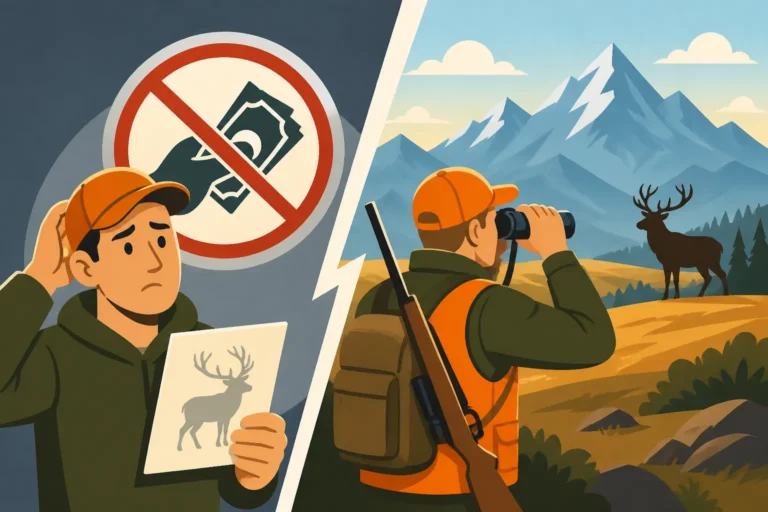
Oh, the allure of a guided hunt! You see those beautiful photos, read glowing testimonials, and then you spot the price tag for a week-long elk hunt in Wyoming. It looks steep, sure, but you tell yourself it's "all-inclusive," right? You start calculating the budget, getting excited, only to find that the sticker price is just the beginning. It's a frustrating reality many hunters face: believing they've got the full picture, only to be nickel-and-dimed by a string of necessary expenses that were never explicitly mentioned. This guide is here to pull back the curtain on what outfitter prices don't always cover, helping you budget accurately and avoid those unpleasant surprises.
The Sticker Shock of "All-Inclusive" – What It Doesn't Mean
When you look at a hunt package, often labeled as "all-inclusive," it's easy to assume that means everything is covered. But in the world of guided hunting, especially for big game in a state like Wyoming, "all-inclusive" rarely lives up to its name. It almost always means the outfitter's services – the guide, the camp, the food, perhaps some transportation during the hunt – are included. What it doesn't include are all those governmental fees and personal necessities that add up faster than a herd of pronghorn on the open plains.
Licensing and Application Fees
Let's start with the most fundamental cost, one that virtually no outfitter includes in their base price: your hunting license and application fees. You might see a package for a "Wyoming elk hunt," but that doesn't mean the outfitter is footing the bill for your actual tag. These are separate expenses you'll incur long before you ever set foot in their camp.
For non-residents, these tag prices are substantial. We're talking about figures that can range into the hundreds or even well over a thousand dollars, depending on the species and type of license (general, limited quota, special draw, etc.). For example, a non-resident elk license is a significant investment on its own, and that's before you even think about a deer or antelope tag. On top of the license itself, you’ll also have an application fee for each species you apply for, typically a smaller, non-refundable charge that covers the administrative costs of the draw. If you're building preference points to improve your odds in future draws, you'll also pay for those points annually, whether you draw a tag that year or not. These costs accumulate quickly, and they're entirely separate from the outfitter's fee. Remember, the outfitter provides the service of guiding; you still need the right to hunt, which comes from the state. You can often check draw odds and licensing costs on resources like GoHunt to get a clearer picture of what you'll be spending well in advance of your hunt.
Conservation Stamps and Habitat Fees
Beyond the primary hunting license, Wyoming, like many states, requires additional stamps or fees that contribute to wildlife conservation and habitat management. These are mandatory purchases, but they're almost never lumped into your outfitter's advertised price. It's another small, but essential, layer of cost that can surprise you if you haven't researched thoroughly.
The most common of these is the Conservation Stamp. Every hunter, regardless of residency or the type of license they hold, must purchase one before heading afield. It’s a relatively small fee, but it’s non-negotiable and adds to your total budget. In some cases, there might be other minor habitat or access fees tied to specific license types or hunt areas, though the Conservation Stamp is the most universal. These funds are vital for maintaining the health of Wyoming's wildlife populations and the lands they inhabit, directly benefiting the hunting experiences we all cherish. Always factor these in when you're tallying up your expenses, as they're part of your commitment to responsible hunting.
Getting There and Getting Your Game Home
You've secured your tag, paid your outfitter, and now the excitement is building! But how are you getting to that remote trailhead, and what happens once you've successfully harvested an animal? These logistical elements represent a huge chunk of your "unlisted" expenses, often overlooked until the last minute, leading to frantic calculations and unforeseen bills.
Travel Costs to the Outfitter's Base Camp
Reaching your outfitter's rendezvous point or base camp in Wyoming can be a journey in itself, and all the expenses associated with that travel are squarely on your shoulders. Wyoming is a big state, and many of its best hunting grounds are in remote areas, far from major airports.
If you're flying, you'll need to factor in airfare to an airport like Casper, Jackson Hole, or even a larger hub city like Denver, followed by ground transportation. That often means renting a vehicle, which incurs daily rates, insurance, and the ever-present cost of fuel, especially when traversing hundreds of miles of open country to reach your destination. If you're driving your own vehicle, think about the gas, wear and tear, and potential overnight stays on the road. You might also need a hotel room the night before your hunt begins, particularly if you're flying in late or have an early morning meet-up with your guide. Similarly, after a physically demanding week, you might want to spend a night in town before beginning your journey home, giving you a chance to clean up and relax before hitting the road or catching a flight. These travel logistics aren't just about money; they require significant planning. Airport Transfers From Casper for Wyoming Hunts is a great resource to help you plan your arrival.
Meat Processing, Taxidermy, and Shipping
This is where many hunters face a massive shock, especially after the elation of a successful hunt. You’ve downed a magnificent elk, deer, or antelope, and now you have hundreds of pounds of meat and potentially a trophy of a lifetime. The outfitter might assist with field dressing and packing out the animal, but that’s usually where their responsibility ends. The costs of turning that animal into freezer-ready meat and a wall-worthy trophy fall entirely on you.
Expect to pay a local butcher a significant fee for processing, cutting, and wrapping your game meat. This can vary widely based on the animal size and the services requested, but it’s almost always several hundred dollars for an elk. If you plan to mount the animal, you'll need to pay for caping services to prepare the hide and head, and then for either shipping the cape and antlers to your home taxidermist or leaving them with a local one. Shipping frozen meat can be incredibly expensive, requiring specialized coolers and expedited freight services. Antlers and capes also require proper crating and shipping, which can easily run into hundreds of dollars. Trying to figure out all these logistics and costs after your animal is on the ground is stressful; better to research and budget for Meat Processing and Shipping Costs After a Hunt well in advance. And don't forget the state's Evidence of Sex Requirements on a Carcass and The Meat Salvage Requirements for Big Game you'll need to follow.
Gratuities and "Hidden" Camp Expenses
Beyond the official costs, there are customary expectations and personal expenses that, while not explicitly part of the outfitter's contract, are very much part of the overall financial picture of a guided hunt. Ignoring these can lead to awkward situations or simply an incomplete budgeting picture.
Tipping Your Guide and Camp Staff
This is perhaps the biggest "hidden" cost on a guided hunt, and it's absolutely crucial to understand. Tipping your guide and the entire camp staff (cooks, wranglers, camp jacks) is customary and expected. These dedicated individuals work incredibly hard, often from before dawn until well after dark, in physically demanding conditions, to make your hunt successful and comfortable. Their wages are often supplemented by tips, and a significant portion of their income comes from your generosity.
Typical tipping rates vary but usually range from 10-20% of the hunt's base price for the guide, with additional smaller amounts for other camp staff. For a $5,000 elk hunt, a 15% tip is $750, a substantial sum that needs to be factored into your budget. This isn't just about being polite; it's a way of acknowledging the intense effort, expertise, and dedication these professionals put into your experience. It's often best to carry cash for tips, as not all outfitters can process electronic payments for gratuities. Plan for this expense as if it were mandatory, because culturally, it largely is. Think about what How Much to Tip a Hunting Guide means for your specific hunt package.
Personal Gear, Rentals, and Unexpected Needs
Your outfitter will almost certainly provide a gear list, and following it is critical for your comfort and safety. However, acquiring all that specialized gear can be a significant upfront investment if you don't already own it. We're talking about high-quality waterproof and windproof outerwear, sturdy hiking boots broken in for miles, layers of technical clothing, a good backpack, a quality sleeping bag rated for cold nights, and essential optics like binoculars and a spotting scope.
Some outfitters might offer rentals for certain items like sleeping bags or perhaps a pack for day hunts, but this will be an extra charge. Beyond the big-ticket items, consider the smaller necessities: headlamps and extra batteries, a good knife, personal toiletries, any medications, and specific snacks or comfort foods you might want beyond what the camp provides. There might also be unexpected needs during the hunt, like needing to replace a lost item or purchasing something from a nearby town if available. Budgeting for these smaller, personal expenditures ensures you're comfortable and prepared for anything the backcountry throws your way. The Gear List Your Outfitter Will Send is a starting point, but consider all the associated costs.
The "Add-Ons" You Might Not Expect
Sometimes, the outfitter's base price is exactly that: a base. Any deviation from the most basic package, or a particularly successful outcome, can trigger additional charges that might seem surprising if you haven't gone over the contract with a fine-tooth comb. These can significantly inflate your final bill.
Trophy Fees for Specific Animals
This is a point of contention for many hunters, but it's a very real practice with some outfitters: the "trophy fee." While not universally applied, some outfitters will charge an additional fee if you harvest an animal that meets certain trophy criteria – perhaps a bull elk over a specific antler score, a buck with a certain number of points, or even just a mature animal of a desirable class.
The rationale is that these animals are harder to find, require more effort from the guides, and hold higher value. However, if not clearly communicated and understood before the hunt, it can lead to a very uncomfortable situation. Imagine successfully taking the bull of a lifetime, only to find you owe another several thousand dollars that weren't in your initial budget. Always clarify with your outfitter if and when trophy fees apply, how they are calculated (e.g., by Boone & Crockett score, gross score, specific antler configuration), and ensure it's in writing. This prevents any surprises when you're celebrating your success back at camp. Make sure you understand How Outfitter Trophy Fees Actually Work before you sign anything.
Combination Hunt Fees and Species Upgrades
Many hunters dream of a "combo hunt," taking both an elk and a mule deer, or perhaps an antelope and a deer, on the same trip. While some outfitters offer specific combo packages, a standard single-species hunt often doesn't allow for the pursuit of other animals without an additional charge.
If you initially booked an elk-only hunt but decide halfway through you'd like to try for a mule deer (assuming you have the correct license, of course), the outfitter might charge a substantial "upgrade" fee for the additional guiding effort and time. Even if you've drawn multiple tags, their basic package might only cover guiding for one species. Similarly, if there are different license types (e.g., cow elk vs. bull elk tags), upgrading from a cow hunt to a bull hunt might incur a fee, even if you already hold a bull tag. These fees are typically for the additional guide effort, scouting, and logistical planning involved in pursuing multiple species or a more challenging quarry. It's vital to discuss your full hunting aspirations with your outfitter well in advance and understand what each package or add-on truly entails before committing. You might find some outfitters offer Combination Elk and Deer Hunts in Wyoming as a dedicated package.
The Often Overlooked Pre-Hunt Preparations
The costs associated with a guided hunt aren't just monetary; they're also an investment of time, effort, and personal resources long before you even leave home. These "costs" are crucial for maximizing your chances of success and ensuring an ethical, enjoyable experience, but they seldom appear on an outfitter's invoice.
Physical Conditioning and Training
Hunting in Wyoming, especially for elk or sheep in mountainous terrain, is not a sedentary sport. It demands significant physical fitness. Many hunters underestimate the grueling nature of walking miles each day at altitude, often up steep inclines, carrying heavy packs, and potentially packing out hundreds of pounds of meat. Neglecting physical preparation can not only jeopardize your success but also your safety and enjoyment.
The "cost" here isn't a direct payment to an outfitter, but it's an investment in yourself. This can mean gym memberships, purchasing specialized training gear, hiring a personal trainer, or simply dedicating hours each week to hiking with a weighted pack, running, and strength training. This investment in your body is just as critical as the money spent on your rifle or bow. If you arrive unprepared, you'll struggle to keep up, potentially limiting the guide's ability to put you on game, and certainly making the experience far less enjoyable. Consider this a vital part of your overall hunt budget and preparation. Getting in shape to handle Preparing for Altitude on a Wyoming Hunt is paramount.
Practice Ammunition and Range Time
Another significant, yet often unitemized, "cost" is the investment in becoming proficient with your weapon. Whether you're hunting with a rifle, muzzleloader, or bow, ethical hunting demands that you can make a clean, humane shot when the opportunity arises. This doesn't happen magically; it requires practice, practice, and more practice.
The cost of ammunition, especially for centerfire rifle cartridges, can add up quickly. A few boxes for sighting in your rifle and practicing at various distances – from close quarters to potential long-range shots often encountered in Wyoming's open country – can easily be a couple of hundred dollars or more. For bowhunters, the cost of arrows, broadheads, and time on the range, along with potential coaching, is also a substantial investment. This isn't just about punching paper; it's about building confidence and muscle memory for real-world hunting scenarios. No outfitter wants to put a client on a trophy animal only for them to miss due to lack of practice. Your guide's expertise gets you to the animal; your proficiency with your weapon seals the deal. This is a non-negotiable part of your overall investment in a successful and ethical hunt. Consider Realistic Archery Practice Distance for Big Game or Rifle Zero Distance for Open Country Shooting as part of your preparation.
What's Really Included: A Comparison
To help clarify what you might expect versus what you'll actually pay, here's a general comparison. Remember, every outfitter is different, so always get a detailed written contract.
| Category | Advertised Outfitter Price (Typical Inclusions) | Real All-In Cost (Common Exclusions) | Estimated % of Outfitter Price (Additional) |
|---|---|---|---|
| Guiding Services | Yes | 0% | |
| Lodging (Camp/Tent) | Yes | Pre/Post-hunt hotels in town | 5-10% |
| Meals (in camp) | Yes | Snacks, drinks, special dietary items you bring | 2-5% |
| In-hunt Transportation | Yes (horses, vehicles, walking) | Travel to/from rendezvous point (flights, rental car, fuel) | 10-25% |
| Game Retrieval | Yes (to camp/vehicle) | Meat processing, taxidermy, shipping | 15-30% |
| Hunting License/Tags | No | Mandatory purchase (Elk, Deer, Antelope, etc.), application fees, preference points | 20-50% |
| Conservation/Habitat Stamps | No | Required annual purchases | 1-2% |
| Gratuities | No | Tips for guides, cooks, wranglers, camp staff | 10-20% |
| Personal Gear | No | Boots, clothing, optics, backpack, sleeping bag, personal items (rentals if available) | Highly variable (0-20% if already owned) |
| Pre-hunt Training | No | Gym memberships, practice ammo, range fees | 5-10% |
| Trophy Fees | No (unless explicitly stated) | Additional charge for specific size/quality of animal, if applicable | 0-50% (if triggered) |
| Combination/Upgrade Fees | No (unless specific combo package) | Cost for adding another species, upgrading license type, or extended hunt days | 0-25% (if chosen) |
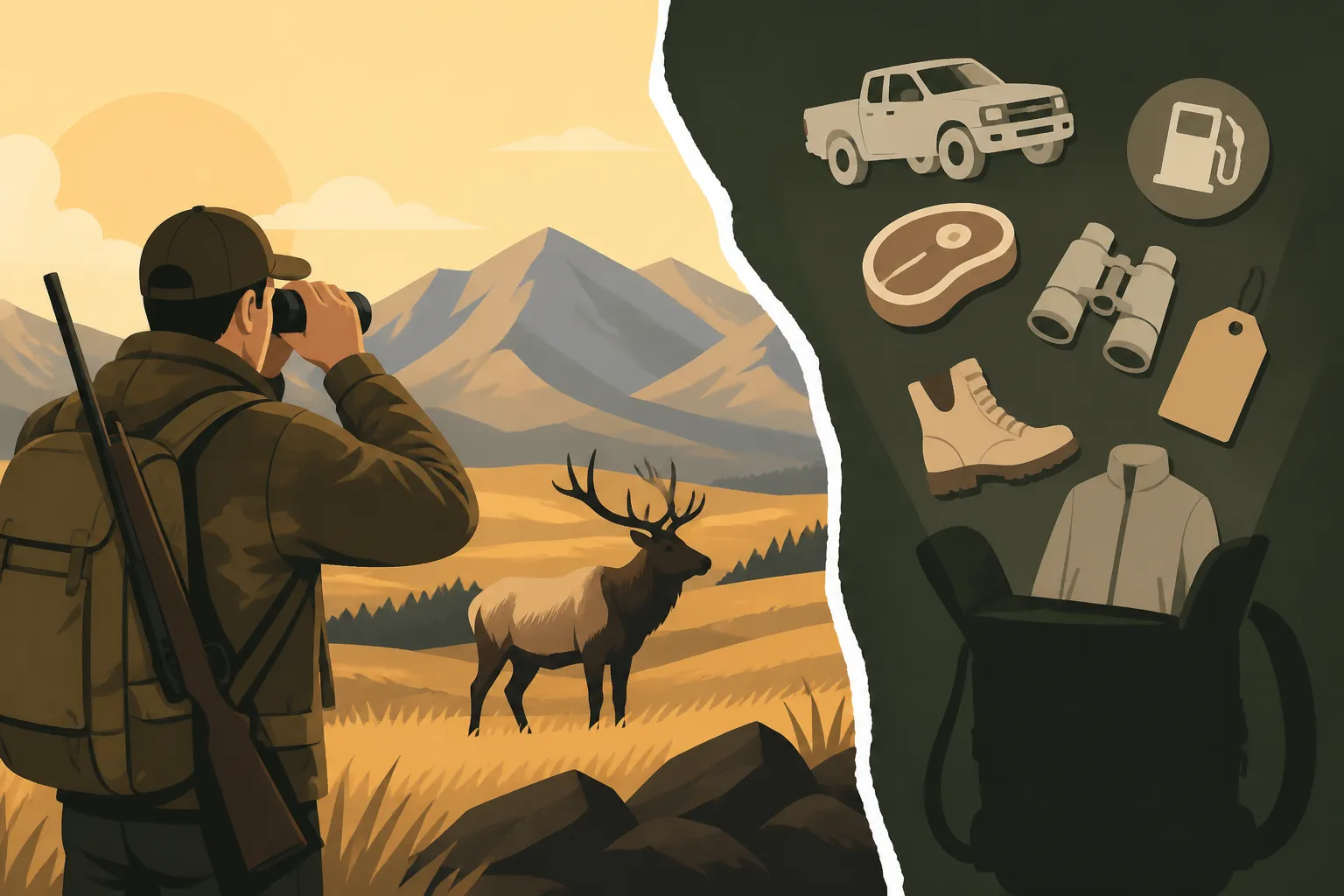
This table makes it clear that while the outfitter's price covers a large part of the experience, the actual "all-in" cost can be significantly higher, sometimes 50% or even 100% more than the initial quoted price. It's crucial to understand these distinctions when planning your dream Wyoming hunt.
The Bottom Line: Ask Questions and Budget Thoroughly
The key to avoiding financial surprises on a guided Wyoming hunt is simple: ask detailed questions and then budget even more thoroughly than you think you need to. Don't be shy about clarifying what's included and what's not. A reputable outfitter will appreciate your diligence and provide clear answers. You can often find a lot of these details, or at least the right questions to ask, by researching through platforms like BookYourHunt or GoHunt, which often list outfitter services and inclusions in detail.
When you're speaking with an outfitter, make sure you cover every single point discussed here. Ask about average license costs for non-residents for your chosen species, mandatory conservation stamps, and any other state fees. Inquire about the nearest airport and recommended ground transportation. Get details on their process for meat and trophy handling and if they have recommended processors or shippers, along with estimated costs. Don't forget to ask about their tipping policy or expectations for guides and staff. And, critically, confirm whether there are any trophy fees or additional charges for combination hunts or specific animals.
Finally, once you have all the information, create a realistic budget that includes the outfitter's fee plus all these extra expenses. Then, add a contingency fund – at least 10-15% of your total estimated cost – for unexpected situations. Wyoming's backcountry is wild and unpredictable, and having a buffer will save you a lot of stress if something unforeseen pops up. Planning for What Outfitter Prices Leave Out will ensure your focus remains on the incredible hunting experience, not on surprise bills. By being proactive and informed, you can truly enjoy your Wyoming adventure without any financial heartburn.
Disclaimer
This article is for general informational purposes only and does not constitute professional advice. Laws, prices and regulations vary by location and change over time. Consult a qualified professional for guidance on your specific situation.