Wyoming Landowner Tags Through Outfitters
For many hunters, the thought of drawing a coveted Wyoming big game tag can feel like winning the lottery, especially for nonresidents navigating complex draw odds. But what if there was another path to secure a quality hunt on prime ground, often bypassing the steepest competition? This guide will dive deep into the world of Wyoming landowner tags and how working with an outfitter can open doors to experiences many only dream of, offering exclusive access and expert guidance without the years of waiting for points to accumulate.
Understanding Wyoming Landowner Tags
Let's be honest, the idea of a "landowner tag" can sound a little mysterious, almost like a secret handshake in the hunting world. But it's a very real, and completely legal, system in Wyoming designed to benefit both landowners and hunters. It's not a shortcut for everyone, but it offers incredible opportunities for those willing to understand its nuances.
What Exactly Is a Landowner Tag?
At its core, a landowner tag in Wyoming is a hunting license that is issued to eligible private landowners. The primary purpose behind this system is two-fold: to incentivize landowners to manage wildlife on their property and to help the state meet specific population objectives for various game species. Think of it this way: if a rancher has a significant population of deer or antelope on their property, the state allows them a certain number of tags for those animals. This encourages the rancher to maintain habitat and allows for controlled harvest, which benefits the overall herd health and prevents overpopulation that could lead to property damage or disease spread. These aren't just generic tags; they're tied to specific hunt areas and species, just like any other license. They allow the landowner, or someone designated by them, to hunt on that specific private property.
It’s crucial to understand that these tags are not a blanket pass to hunt anywhere. They are designated for the private lands owned by the applicant. This means the hunt is contained, managed, and tailored to the specific wildlife situation on that property. For hunters, this translates to potentially less pressure from other hunters and often higher quality animals due to dedicated management efforts. If you're looking for detailed information on who qualifies, check out Wyoming Landowner License Eligibility Rules.
Eligibility and Allocation for Landowners
So, who qualifies for these tags? It's not just any small plot of land. To be eligible for landowner licenses, a property typically needs to meet certain criteria set by the Wyoming Game and Fish Department (WGFD). These requirements usually involve a minimum acreage, often several hundred acres, that provides substantial habitat for the big game species in question. The land must also be used for agricultural purposes, like ranching or farming, and it needs to support a reasonable population of the target species. The idea is that the landowner is actively contributing to wildlife habitat and management, not just owning a piece of land.
The allocation process isn't random either. Landowners apply for these tags, and the WGFD determines how many they receive based on factors like property size, historical game numbers, and herd management objectives for that specific area. For instance, a ranch with thousands of acres of prime mule deer habitat might receive more tags than a smaller parcel with less robust game numbers. It's a structured system that aims to be fair while achieving conservation goals. These tags are a valuable commodity for landowners, allowing them to monetize their wildlife resources, which further incentivizes good land stewardship. For more specifics on the requirements, a good resource is What Wyoming Requires for a Landowner Tag.
Distinction from Public Land Draw Tags
This is a really important point that often causes confusion. Landowner tags are fundamentally different from the tags acquired through the public land draw system. When you apply for a regular Wyoming big game license, you're entering a lottery system, often accumulating preference points over years, to draw a tag that allows you to hunt on public land (and private land with permission) within a designated hunt area. This is a highly competitive process, especially for trophy units and nonresident hunters.
Landowner tags, by contrast, bypass much of that public draw competition. They are issued directly to landowners for hunting on their property. This means that if you secure a landowner tag, either directly from a landowner or through an outfitter, you're not competing in the same draw pool as thousands of other applicants. The tag is already "allocated" to the private land, offering a more direct route to a hunting opportunity. While the cost of a landowner tag itself might be similar to a regular nonresident tag (often through what's called a "Special" license draw or direct purchase from a landowner if they have excess), the access it provides is what truly sets it apart. You're paying for the privilege of hunting private ground that might otherwise be inaccessible, rather than just the license itself. This distinction is vital when weighing your options for a Wyoming hunt. To understand the different license types, you might want to read Wyoming General Licenses Against Limited Quota: Two Different Games.
Why Consider an Outfitter for a Landowner Tag Hunt?
So, you understand what a landowner tag is, and you're thinking, "Great, how do I get one?" This is where outfitters become incredibly valuable. For many nonresident hunters, or even residents unfamiliar with the private land landscape, trying to navigate the landowner tag system directly can be a frustrating, time-consuming, and often fruitless endeavor. Outfitters act as your bridge to these exclusive opportunities.
Access to Exclusive Private Property
Let's face it: getting access to prime private hunting ground in Wyoming is tough. Landowners are often inundated with requests, and many have long-standing relationships with specific outfitters. Trying to cold-call or email ranchers across the state is typically a low-percentage game. This is where a reputable outfitter truly shines. They spend years, sometimes decades, cultivating relationships with landowners, securing exclusive hunting leases on vast tracts of private land. These leases are the outfitter's bread and butter, ensuring they have consistent access to high-quality hunting ground year after year.
When you book a landowner tag hunt through an outfitter, you're not just buying a tag; you're gaining entry to these exclusive properties. This means you'll likely be hunting on land that sees very limited pressure, often managed for trophy potential, and where game populations can thrive due to controlled access and supplementary feeding (where legal and applicable). It's the difference between hoping to stumble upon a good buck on crowded public land and stepping onto a ranch where the outfitter knows exactly where the animals feed, bed, and travel.
Simplified Tag Acquisition and Logistics
The process of acquiring a landowner tag can be complex, especially for nonresidents. It often involves specific application deadlines, understanding eligibility, and navigating the Wyoming Game and Fish website. Many outfitters simplify this entire process. When you book a hunt, they often act as an intermediary, either helping you directly apply for the necessary landowner license (sometimes called a "Special Landowner License" if available, or they guide you to buy a regular tag that can be used on their property if they have the landowner permission for that unit) or, in some cases, offering a "guaranteed tag" package where the tag is already secured for you. This takes a huge burden off your shoulders, freeing you from the stress of deadlines and paperwork.
Beyond the tag itself, outfitters handle nearly all the logistics of the hunt. This includes everything from field transportation (often on their private ranch roads), to lodging, meals, and even field dressing and initial caping of your animal. Imagine flying into Wyoming, getting picked up, taken to a comfortable camp, and having all your hunting needs met. This level of service is a major draw for hunters who want to maximize their time in the field without worrying about the minutiae of trip planning. It's a comprehensive package that lets you focus purely on the hunt.
Enhanced Hunting Experience and Expertise
Beyond access and logistics, an outfitter brings unparalleled expertise to your hunt. These are individuals who live and breathe hunting in Wyoming. They know the terrain, the local game patterns, the effects of weather, and how to read sign. Their guides spend countless hours scouting the private land you'll be hunting, identifying prime areas, and locating specific animals. This intimate knowledge significantly increases your chances of success, especially on species like mule deer or elk that can be notoriously elusive.
They also provide invaluable guidance in the field. From judging animals to making ethical shots, an experienced guide offers mentorship that can be transformative for hunters of all skill levels. For example, if you're stalking a big mule deer buck on open sagebrush, your guide might know the exact cutbank or fold in the terrain to use for cover, significantly improving your approach. This isn't just about bagging an animal; it's about learning, growing as a hunter, and experiencing the landscape with someone who truly understands it. It’s an immersive experience that often leads to unforgettable memories, far beyond the harvest itself.
How Landowner Tags and Outfitters Work Together
The synergy between landowner tags and outfitters is what makes this hunting opportunity so compelling. It's not a transactional exchange of a tag for money; it's a carefully orchestrated process that benefits the landowner, the outfitter, and ultimately, you, the hunter.
The Outfitter's Role in Securing and Managing Access
Outfitters are the lynchpin in this system. They typically establish long-term relationships with private landowners, often leasing exclusive hunting rights for their properties. This isn't just a handshake deal; it involves formal agreements that might span years, outlining everything from season dates to the number of hunters allowed and the specific species to be hunted. The outfitter often pays the landowner a substantial fee for this access, which helps the landowner offset costs and provides a reliable income stream. This is why you'll see premium pricing on these hunts – you're paying for the outfitter's investment in securing and maintaining that exclusive access.
Once the access is secured, the outfitter then works with the landowner to manage the allocated tags. In some scenarios, the landowner might receive a certain number of actual landowner tags from the state, which they then make available to the outfitter for their clients. In other cases, particularly in areas with general tags, the outfitter simply provides guided hunts on the private land, and the hunter still needs to draw or purchase a regular license for that hunt area. The outfitter's expertise extends to understanding these regulatory nuances, ensuring that every hunt is conducted legally and ethically. They are constantly monitoring game populations on the leased land, strategizing with the landowner to maintain a healthy herd, and setting realistic expectations for hunters.
Booking Process and Timelines
Booking a landowner tag hunt through an outfitter isn't a last-minute decision; it requires planning, often well in advance. Many top outfitters book out a year or more, especially for prime elk or mule deer hunts. The process typically starts with contacting an outfitter, discussing available dates, species, and the type of hunt you're looking for (e.g., fully guided, specific weapon type). Platforms like BookYourHunt can be excellent starting points for researching outfitters and reading reviews from past clients. Once you've found a suitable outfitter, you'll usually secure your spot with a deposit. This deposit can be a significant portion of the total hunt cost, so make sure you understand the cancellation policy.
A critical aspect of the timeline involves the tag itself. If it's a true landowner tag, the outfitter will guide you on the specific application process and deadlines, or confirm that a tag is already secured for you. If it's a hunt on private land but requires you to draw a regular license, the outfitter will often advise you on how many preference points are typically needed for that unit and species, helping you decide if it's a realistic draw for you. It's not uncommon for hunters to book a hunt, pay a deposit, and then still have to successfully draw a public tag in the state's lottery system. Always clarify this arrangement before committing, especially regarding refunds if you fail to draw. This is why many outfitters encourage clients to Book Your Wyoming Hunt Before the Draw Runs.
Hunt Planning and In-Field Logistics
Once your hunt is booked and your tag secured, the real planning begins. The outfitter will provide you with a detailed gear list, recommendations for physical conditioning (especially for mountain hunts), and often suggestions for travel and accommodation before and after the hunt. This pre-hunt communication is vital for setting expectations and ensuring you're prepared for the specifics of a Wyoming hunt, which can be physically demanding. Physical Conditioning for a Mountain Hunt is a good read.
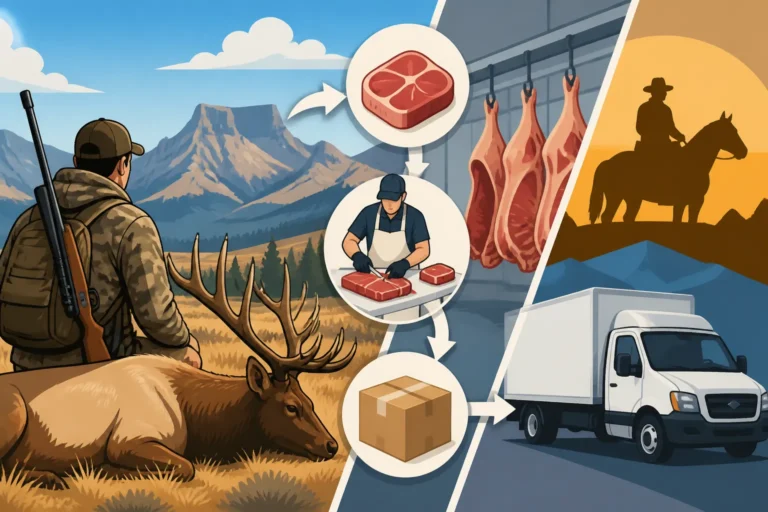
In the field, the outfitter manages all the logistical complexities. This includes everything from the moment you arrive at camp to the final goodbyes. They provide transport to and from hunting areas, often using specialized vehicles designed for rugged terrain. Guides lead the hunts, providing expert tracking, spotting, and stalking advice. They manage safety protocols, communicate with other guides, and ensure you have food, water, and appropriate gear for the day's conditions. After a successful harvest, they handle field dressing, packing out the animal, and often assist with arrangements for meat processing and taxidermy. This comprehensive support allows you to focus solely on the experience of hunting and enjoying the majestic Wyoming landscape. It's a truly all-encompassing service designed to maximize your success and enjoyment.
Finding the Right Outfitter for Your Landowner Tag Hunt
Choosing an outfitter is arguably one of the most critical decisions you'll make when planning a landowner tag hunt. This person or company will be responsible for a significant investment of your time and money, and their expertise will largely define your hunting experience. Don't rush this step!
Researching and Vetting Outfitters
The internet has made initial research easier than ever, but it also means wading through a lot of information. Start by looking for outfitters who specifically advertise landowner tag hunts or private land access in Wyoming. Websites like BookYourHunt and GoHunt often feature reputable outfitters and provide platforms for reviews. However, don't stop there. Always cross-reference information. Check the Wyoming Board of Outfitters and Professional Guides (WOBPG) website. This is paramount! The WOBPG is the regulatory body for outfitters in Wyoming, and you can verify if an outfitter is currently licensed, and sometimes even see if there's a history of complaints. Think of it like checking a contractor's license before they work on your home. Looking Up a License in the Wyoming Outfitter Board is an excellent resource for this.
Beyond licensing, look for outfitters with a proven track record. How long have they been in business? Do they specialize in the species you're interested in? Read reviews and testimonials, but be discerning. Look for detailed accounts, not just five-star ratings. Are people praising the guides, the quality of the animals, the camp experience, or just the fact that they shot something? Pay attention to consistency in reviews over several years. This deep dive into research will help you narrow down your choices and build confidence in your potential outfitter. Checking out Vetting a Wyoming Outfitter Before You Send a Deposit can give you even more pointers.
Asking the Right Questions
Once you have a shortlist of potential outfitters, it's time to pick up the phone and have a conversation. This is your chance to get answers to specific questions and, just as importantly, to gauge the outfitter's communication style and personality. Here's a table of essential questions to ask:
| Category | Key Questions to Ask |
|---|---|
| Land & Access | Is this a true landowner tag, or do I need to draw a regular tag? How many acres is the private land we'll be hunting? |
| How many hunters will be on the property during my hunt? Are there any public land parcels nearby that might increase pressure? | |
| Hunt Specifics | What is your typical success rate for this species and hunt type? What's your opportunity rate? |
| What's the guide-to-hunter ratio? What level of physical fitness is required? | |
| What weapons are allowed (e.g., archery, rifle, muzzleloader)? What is your trophy size expectation/management philosophy? | |
| Logistics | What is included in the hunt price (food, lodging, transportation, field care)? What additional costs should I expect? |
| What are the accommodations like? What about meals? | |
| How do you handle meat processing and taxidermy? Is airport pickup included? | |
| References | Can you provide a list of 3-5 references from hunters in the past 1-2 years? |
| Contract | Can you send me a sample contract to review? What are your cancellation and refund policies? |
Don't be afraid to ask tough questions. A professional outfitter will appreciate your diligence and provide clear, honest answers. If an outfitter is evasive, vague, or pressures you to book immediately, consider it a red flag. Pay close attention to how they describe their average hunter's experience and success. Be wary of anyone guaranteeing a "trophy" animal, as hunting inherently involves unpredictability. Instead, listen for discussions about "opportunity rates" – how often hunters had a legitimate chance at a desired animal. For more tips on this, see Questions Worth Asking Before You Book.
Understanding Contracts and Deposits
Once you've chosen an outfitter, you'll typically be sent a contract and asked for a deposit. This contract is legally binding, so read every single word carefully. It should clearly outline the services provided, hunt dates, total cost, payment schedule, and, most importantly, the cancellation and refund policy. What happens if you can't make the hunt? What if they cancel? What if you fail to draw a public tag if that's part of the arrangement? These details are critical.
Deposits are almost universally required to secure your spot, and they can be a substantial amount. Understand if the deposit is refundable under any circumstances. Many outfitters have strict non-refundable deposit policies, especially if the cancellation is close to the hunt date, as they will have turned away other clients. Some might offer to roll your deposit over to the following year if a legitimate emergency arises, but don't assume this. Also, be clear on when the remaining balance is due – usually 30-90 days before the hunt. Protect yourself by having everything in writing and ensuring you're comfortable with the terms before you sign and send any money. If you want to dive deeper into this, check out Reading the Cancellation and Refund Terms.
Understanding Costs and Expectations for Landowner Tag Hunts
Let's address the elephant in the room: landowner tag hunts through an outfitter are not cheap. They represent a significant financial investment, but for many, the value derived from exclusive access, expert guidance, and a high-quality hunting experience makes it entirely worthwhile. Setting realistic expectations about both cost and potential outcomes is key to a satisfying hunt.
Pricing Structures and What's Included
The cost of a guided landowner tag hunt in Wyoming can vary wildly, generally ranging from several thousand dollars to upwards of fifteen thousand or more, depending on the species, the duration of the hunt, the luxury of the accommodations, and the reputation of the outfitter. Elk hunts, especially for trophy bulls, are typically at the higher end, while antelope or cow elk hunts might be more accessible. The Average Cost of a Guided Wyoming Elk Hunt can give you a baseline, but remember, landowner tags often add a premium.
A "fully guided" package usually includes:
- Guide Services: One-on-one or one-on-two guide ratio.
- Lodging: From rustic wall tents to comfortable cabins or even lodge-style accommodations.
- Meals: Often home-cooked, substantial meals throughout your stay.
- In-Field Transportation: Getting you to and from hunting areas on the private property.
- Field Care of Animal: Initial field dressing and packing out your harvest.
- Landowner Access Fees: The cost the outfitter pays the landowner for access.
What is almost never included, and where many hunters get surprised by additional costs, are things like your actual Wyoming hunting license (which you purchase separately, though the outfitter may facilitate the specific landowner tag), the Conservation Stamp, travel to and from Wyoming, meat processing and taxidermy, shipping of meat or trophies, personal gear, and, of course, tips for your guides and camp staff. Always get a clear breakdown of what's included and what's extra to avoid surprises. Understanding What Outfitter Prices Almost Never Include can save you some heartache.
The Value Proposition of a Premium Hunt
So, why pay a premium for a landowner tag hunt? It boils down to a few core benefits that often aren't available through public land, do-it-yourself hunts:
- Exclusive Access: This is perhaps the biggest draw. You're hunting on private land that is often well-managed, has limited hunting pressure, and therefore tends to hold higher densities of quality animals. This alone can drastically increase your odds of success and the quality of the animals you encounter.
- Time Efficiency: For busy individuals or nonresidents with limited vacation time, a guided hunt streamlines the entire experience. You don't spend weeks e-scouting, worrying about logistics, or navigating unfamiliar terrain. The outfitter handles it all, allowing you to maximize your precious hunting days.
- Expertise and Safety: You benefit from years of the outfitter's and guide's experience. They know the animals, the land, and the safest ways to hunt it. This drastically reduces the learning curve and potential for dangerous situations in unfamiliar wilderness.
- High Probability of Success: While no ethical outfitter can guarantee a kill, a quality landowner hunt on managed private ground significantly increases your opportunity to harvest a good animal. For many, the peace of mind that comes with knowing they're on prime ground with expert help is worth the investment. It’s an investment in an experience, not just a chance at a tag.
Realistic Success Rates and Trophy Expectations
Managing your expectations is crucial for a satisfying hunt. While landowner tag hunts generally boast higher success rates than unguided public land hunts, they are still hunting. Weather, animal behavior, and plain old luck still play a role. A reputable outfitter will provide you with realistic success rates, often distinguishing between "opportunity rate" (how many hunters had a legitimate shot at an animal) and "kill rate" (how many hunters harvested an animal). For instance, an outfitter might claim a 90% opportunity rate for mule deer, but an 80% kill rate, acknowledging that not every opportunity results in a harvest.
As for trophy expectations, always have an honest conversation with your outfitter. If you're dead set on a Boone and Crockett class animal, be prepared for a longer, potentially more expensive hunt, and understand that even then, it's never guaranteed. Many outfitters manage their private lands for a healthy age class of animals, producing mature, quality bucks and bulls, even if they aren't record book entries every time. Be clear about your personal goals – is it primarily about the experience, harvesting any legal animal, or holding out for a true trophy? Communicating this openly with your outfitter will help them tailor the hunt to your preferences and ensure you leave satisfied, regardless of the score of your animal.
Important Considerations and Potential Pitfalls
While landowner tag hunts through an outfitter offer incredible advantages, it's not a foolproof system. Being aware of potential downsides and exercising due diligence is paramount to a successful and ethical experience.
Avoiding Scams and Misunderstandings
Unfortunately, the hunting industry, like any other, can have its share of unscrupulous operators. The excitement of a "guaranteed tag" or a "trophy hunt" can sometimes cloud judgment. The most common red flags to watch out for include:
- Unlicensed Outfitters: Never, ever book with an outfitter who isn't properly licensed by the Wyoming Board of Outfitters and Professional Guides. This is non-negotiable. If they can't provide a license number or you can't verify it, walk away.
- Exaggerated Claims: Be wary of outfitters who guarantee a kill or promise specific trophy sizes that seem too good to be true. Ethical hunting involves uncertainty, and reputable outfitters speak in terms of opportunity, not guarantees.
- Lack of References: If an outfitter is unwilling or unable to provide a list of recent client references, that's a major red flag.
- Pressure Tactics: Anyone trying to rush you into signing a contract or paying a deposit without answering your questions fully is suspect.
- Vague Contracts: A legitimate outfitter will have a clear, detailed contract. If the terms are ambiguous or important details are missing, proceed with extreme caution.
Your best defense against scams is thorough research, asking probing questions, and relying on official channels like the WOBPG. Also, be careful with third-party booking agents. While many are reputable, always verify the outfitter directly. For information on how to check an outfitter's history, look up Checking an Outfitter's Complaint History Before Booking.
Ethical Hunting Practices on Private Land
Just because you're on private land with an outfitter doesn't mean ethical hunting practices go out the window. In fact, it often means an even higher standard of conduct. A good outfitter will enforce strict fair chase principles. This means no shooting from vehicles (unless specifically allowed for certain mobility-impaired hunters and legally defined in specific scenarios), no spotlighting, and ensuring humane kills. The goal is still to pursue animals fairly and respect them.
Outfitters often have specific rules regarding shot distance, animal identification, and even recovery efforts. They might have trophy management goals that encourage hunters to pass on younger animals or only harvest specific types of animals (e.g., mature bulls, management cows). It's your responsibility as the hunter to understand and adhere to these guidelines. Remember, you are a guest on private property, and your actions reflect not only on you but on the outfitter and the entire hunting community. Maintaining a high ethical standard helps ensure these private land opportunities continue for future generations.
The Importance of a Written Agreement
We touched on contracts earlier, but it's worth reiterating the critical importance of a comprehensive written agreement. This document protects both you and the outfitter. It should detail:
- Exact hunt dates and duration.
- Species being hunted.
- Specific services included (guides, lodging, meals, transportation, field care).
- Total cost and a clear breakdown of what's not included.
- Payment schedule and methods.
- Cancellation and refund policies, including what happens if you don't draw a required tag (if applicable).
- Liability waivers and safety protocols.
- Rules and regulations specific to the outfitter's operation (e.g., minimum shot distances, tracking policies).
Do not rely on verbal agreements or vague email exchanges for anything significant. If it's not in the contract, it essentially doesn't exist. If you have any doubts or don't understand a clause, ask the outfitter for clarification, and if necessary, consult with an attorney. This isn't about distrust; it's about good business practice and ensuring a smooth, transparent, and enjoyable experience for everyone involved. For complex situations, consider carefully reading Contract Clauses Worth Reading Closely.
Working with a reputable outfitter to secure a landowner tag hunt in Wyoming can be an incredible way to experience world-class big game hunting on exclusive private property. By understanding the system, asking the right questions, and setting realistic expectations, you can embark on an adventure that many hunters only dream of.
Disclaimer
This article is for general informational purposes only and does not constitute professional advice. Laws, prices and regulations vary by location and change over time. Consult a qualified professional for guidance on your specific situation.