What a Guided Cow Elk Hunt Costs
Hunting for cow elk in Wyoming can be an incredible experience, offering a chance to fill your freezer with delicious meat and immerse yourself in some truly wild country. But let's be honest, the idea of a "guided hunt" can sometimes conjure up visions of astronomical costs that feel out of reach for the average person. It's tough to know what's a fair price, what's a luxury, and what's absolutely essential. This guide aims to pull back the curtain on the typical costs associated with a guided cow elk hunt in Wyoming, helping you understand the numbers and budget wisely for your adventure.
Understanding the Base Price of a Guided Cow Elk Hunt
When you start dreaming about a guided hunt, the first question is always about the dollar amount. Guided cow elk hunts in Wyoming generally represent a more accessible entry point into the world of guided big game hunting compared to, say, a trophy bull elk hunt. This isn't just about the animal itself, but about the specific goals of the hunt.
Why Cow Elk Hunts are Often More Affordable
Cow elk hunts often have a different purpose than their bull-hunting counterparts. For many outfitters and wildlife managers, cow tags are a tool for herd management, helping to keep populations in balance with the available habitat. This often means more tags are available, and the draw odds for obtaining a cow elk tag can be significantly better. For hunters, it’s primarily about securing high-quality meat, and the focus isn't on a trophy set of antlers.
Because the pressure to locate and harvest a mature bull isn't there, the guiding intensity can sometimes be different. While every guided hunt demands hard work from the outfitter and guides, the "trophy" premium isn't built into the cow elk hunt price. It allows outfitters to offer a fantastic experience that caters to meat hunters or those looking for their first Western elk hunt without the top-tier pricing associated with seeking out a Boone and Crockett bull. You're still getting the full experience of a guided hunt, just with a different objective.
Typical Price Ranges You Might Encounter
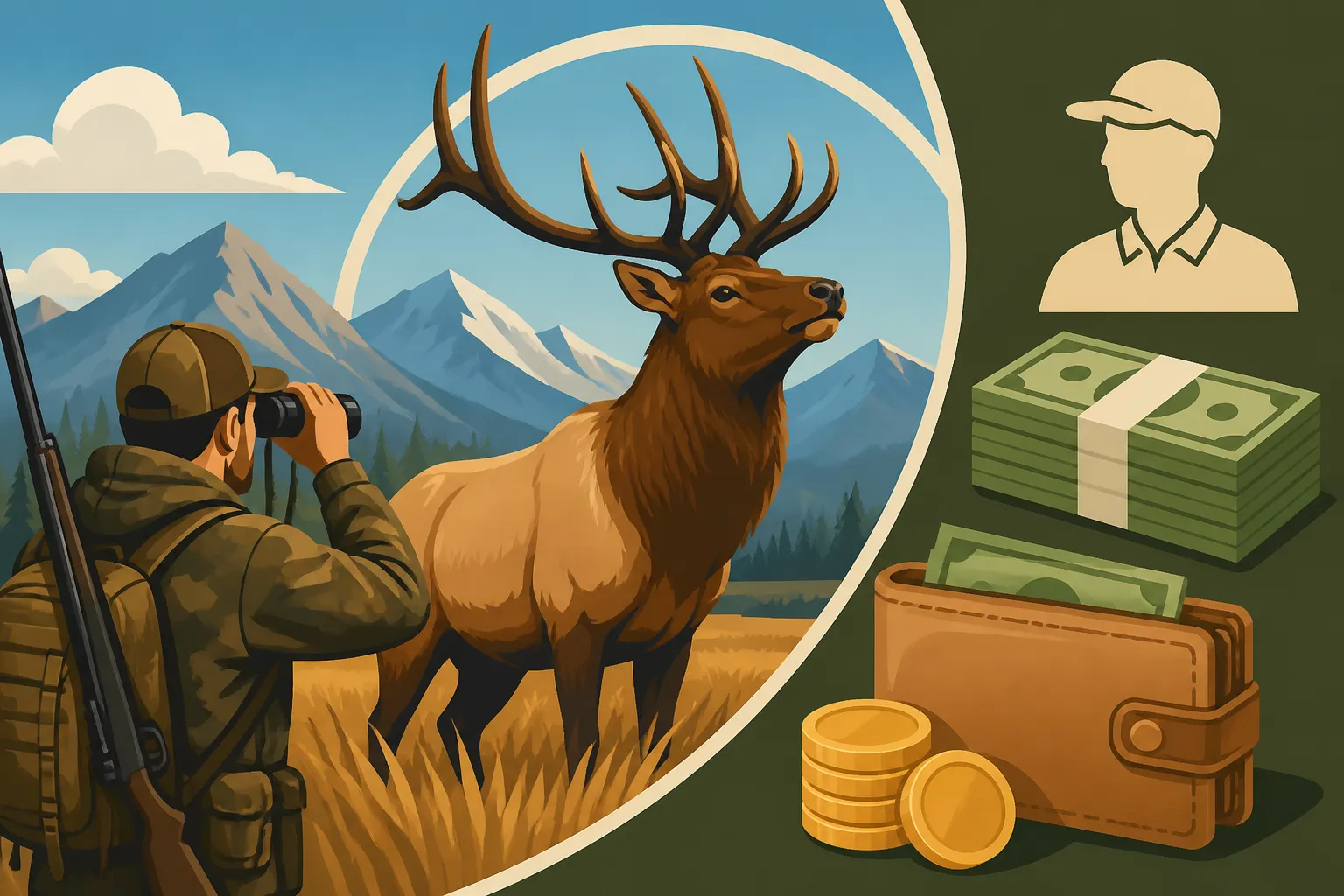
It’s tricky to put an exact figure on a guided cow elk hunt because prices fluctuate based on so many variables, and you should always check an outfitter's current pricing on their website or by calling them directly. However, to give you a realistic idea, a guided cow elk hunt in Wyoming typically falls into a range that is considerably less than a guided bull hunt.
You might find guided cow elk hunts that start on the lower end, especially if they are shorter duration, involve more hunters per guide, or are conducted from a more rustic camp. On the higher end, you'll see prices that reflect longer hunts, one-on-one guiding, or more luxurious accommodations. When comparing options, you'll quickly notice that these hunts are generally positioned as a more economical way to experience a full-service guided elk hunt. Don't be shy about asking potential outfitters for a clear breakdown of their pricing and what specifically is included for that cost.
Initial Factors Influencing Outfitter Quotes
The first quote you get from an outfitter isn't just pulled out of thin air; it's a reflection of several key operational factors. The most significant of these is usually the duration of the hunt. A three-day hunt will naturally cost less than a five-day hunt, simply because it involves fewer days of guide wages, camp supplies, and logistical support.
Another major component is the guide-to-hunter ratio. Wyoming has specific regulations here; for instance, Wyoming Requires One Guide for Every Two Nonresident Hunters in certain scenarios. A hunt where one guide is dedicated to a single hunter (1:1 ratio) will always be more expensive than a hunt where one guide is shared between two or more hunters (2:1 or even 3:1 ratio). This is because the personalized attention and exclusive focus come at a premium. Finally, the style of camp plays a role. Is it a comfortable lodge with full amenities, a rustic wall tent camp in the backcountry, or a more mobile spike camp? Each involves different levels of investment and effort from the outfitter, which is reflected in the initial price.
What's Typically Included (and Not Included) in a Guided Cow Elk Hunt
One of the biggest pitfalls when budgeting for a guided hunt is assuming everything is covered in the base price. While outfitters aim to provide a comprehensive experience, there are always components that fall outside the initial quote. Understanding these inclusions and exclusions upfront is crucial for avoiding unpleasant surprises.
Standard Inclusions: Lodging, Meals, Guiding
Generally speaking, a guided cow elk hunt will cover the core elements of the expedition. Guiding services are obviously paramount – this includes your professional guide leading the way, knowing the terrain and elk habits, calling, tracking, and assisting with field dressing your animal. They are your eyes and ears in the field, making the hunt far more efficient and often more successful than if you were going it alone.
Lodging is another standard inclusion, though the type can vary wildly. Some outfitters operate out of comfortable lodges or ranch houses, offering private rooms and hot showers. Others specialize in classic canvas wall tents set up in remote camps, complete with wood stoves and cot beds. Both offer an authentic experience, but the level of comfort differs. You might even find spike camps, which are lighter, more mobile setups further into the backcountry.
Lastly, meals are almost always provided during the hunt itself. This typically includes a hearty breakfast to start the day, a packed lunch to take into the field, and a hot, delicious dinner back at camp. Good outfitters understand that properly fueled hunters are happy and effective hunters, so you can usually expect nourishing, home-style cooking.
Common Exclusions: Licenses, Travel, Processing
Here's where many hunters get caught off guard. Virtually no outfitter includes the cost of your hunting licenses and tags in their base price. As a nonresident, you'll need to purchase your Wyoming Nonresident Elk License Price separately, along with a conservation stamp. These costs are significant and must be factored into your overall budget.
Travel expenses are also almost universally excluded. This covers your transportation to and from Wyoming, as well as getting to the outfitter's base camp or meeting point. Many hunters fly into larger airports like Casper or Jackson and then rent a car, or they drive their own vehicle. Don't forget potential hotel stays before and after your hunt. Once the hunt is over, the work isn't done. Meat processing and taxidermy are additional costs. Your guide will assist with field dressing, but taking the animal to a butcher and then paying for the cuts, wrapping, and potentially shipping it home, is on you. If you somehow managed to get a cow with an impressive European skull mount, that’s also extra.
Finally, and perhaps most importantly for many outfitters and guides, gratuities are never included in the upfront price. Tipping your guide is customary in the hunting industry, and it's a way to acknowledge their hard work, expertise, and dedication. This can be a substantial amount, so plan for it.
Gear, Optics, and Personal Expenses
While your outfitter will provide the core services, you are responsible for your personal hunting gear. This includes your weapon (rifle, bow, or muzzleloader), ammunition, hunting clothing appropriate for Wyoming's variable weather, and personal items. While guides often carry high-end spotting scopes and binoculars to help locate animals, you'll want your own reliable binoculars and rangefinder. Optics Power for Wyoming's Long Sightlines can be a real game-changer.
Other personal expenses might include snacks, beverages, or special dietary items you prefer beyond what the outfitter provides. Don't forget any emergency communication devices like a satellite phone or a Garmin inReach, especially if you're heading into remote areas. Satellite Communication From a Hunting Camp can be literally life-saving. Think about anything that makes your personal comfort and safety a priority.
Factors That Can Shift the Price Tag
Beyond the basic inclusions and exclusions, several key elements can significantly impact the final cost of your guided cow elk hunt. These are often choices you, as the hunter, can make to align the experience with your budget and preferences.
Camp Style and Comfort Level
The type of camp you choose is a major cost driver. An outfitter offering hunts from a well-appointed lodge with modern amenities, hot running water, and perhaps even cell service will command a higher price. This is because the infrastructure, maintenance, and staffing costs for such a setup are considerable. You're paying for comfort and convenience.
In contrast, a hunt based out of a wall tent camp, while incredibly authentic and immersive, will typically be more budget-friendly. These camps require more rugged logistics to set up and maintain but offer a more traditional backcountry experience. Even further down the price scale might be a true spike camp or bivouac hunt, where the focus is on extreme mobility and minimalist living, often utilizing horses or mules to pack deep into the wilderness. Horseback and Pack String Outfitters in Wyoming can significantly increase logistical costs. The trade-off is often a lower price point, but a higher demand for your physical endurance and tolerance for rustic conditions.
Hunt Duration and Guide-to-Hunter Ratio
As we touched on earlier, the length of your hunt directly correlates with its cost. More days in the field mean more expenses for the outfitter, including guide wages, food, fuel, and horse feed if applicable. Opting for a shorter, three or four-day hunt can noticeably reduce the overall price compared to a five or seven-day expedition.
The guide-to-hunter ratio is equally critical. A 1:1 ratio (one guide per hunter) provides the most personalized experience, with the guide's full attention focused solely on your success and safety. This level of service comes at a premium. If you're willing to share a guide with another hunter (a 2:1 ratio), you can often split the guiding cost, making the hunt more affordable for each individual. Many outfitters offer 2:1 as their standard pricing, with 1:1 as an upgrade. When booking, always clarify this ratio and how it affects the price.
Location and Reputation of the Outfitter
Wyoming is a vast state with diverse landscapes and varying levels of hunting pressure. The specific hunt area or unit an outfitter operates in can influence their pricing. Some units are known for easier access, higher elk densities, or have a history of excellent success rates on cow elk, which might allow outfitters to price their hunts competitively. Other areas, particularly those that are remote, difficult to access, or require special permits (such as operating on national forest or BLM land), might entail higher logistical costs for the outfitter, which are passed on to the hunter.
Furthermore, an outfitter's reputation and track record play a role. A long-established outfitter with a consistent history of satisfied clients, high success rates, and a well-maintained operation will often command higher prices than a newer, less-proven outfit. You're not just paying for a hunt; you're paying for their expertise, experience, and the peace of mind that comes with booking with a reputable company. It’s worth doing your homework and checking references, perhaps even seeing if there's any public complaint history with the Checking an Outfitter's Complaint History Before Booking.
Hidden Costs and Unexpected Fees
While less common on cow elk hunts than trophy hunts, it’s always wise to ask about any potential "hidden" costs or unexpected fees. For example, some outfitters might charge extra for a significantly long pack-out if your animal goes down in a particularly remote or rugged location. While most will assist with basic field dressing and retrieval, extensive packing services or using specialized equipment might sometimes incur an additional fee, so clarify this upfront.
Another less likely, but still possible, fee could be a fuel surcharge if gas prices skyrocket, though most reputable outfitters bake this into their initial quote. Trophy fees, which are common on bull hunts where a certain antler score might trigger an extra payment, are almost never applied to cow elk hunts, given the meat-focused objective. However, always confirm this point in your contract.
Maximizing Value and Booking Your Hunt
Booking a guided cow elk hunt is a significant investment, both in time and money. To ensure you get the best value and the experience you're hoping for, a thoughtful approach to research and booking is essential.
Researching Outfitters and Comparing Quotes
The internet is a powerful tool for initial research. Websites like BookYourHunt and GoHunt offer platforms where many outfitters list their services, often with reviews and photos. These resources can give you a starting point for comparing different operations and what they offer. Don't stop there, though. Once you've identified a few promising outfitters, reach out directly. Questions to Ask a Wyoming Outfitter should be comprehensive.
When comparing quotes, ask for a detailed breakdown of what's included and, just as importantly, what isn't. Some outfitters might have a slightly higher base price but include more services, making their overall cost similar or even better than a cheaper base price with many add-ons. Look for transparency in their pricing structure. Reading reviews and contacting past clients can also give you invaluable insight into the actual hunting experience and any unexpected costs they encountered.
Considering Draw Odds and License Strategy
One of the great advantages of hunting cow elk in Wyoming is that the license draw can be more favorable compared to bull tags. This means you might not need years and years of preference points to draw a tag, especially for specific types of cow elk licenses (e.g., Type 6 or Type 8 antlerless tags). Researching Where Cow Elk Tags Are Still Available and the draw odds for specific units where outfitters operate is a smart move.
Some outfitters also have access to private land or offer "landowner tags." While these can sometimes mean a higher price for the tag itself, they bypass the draw system, essentially guaranteeing you a license. This can be a huge benefit for nonresidents who are new to the Wyoming draw system or have limited preference points. Understand how Wyoming Landowner Tags and Getting on Private Ground work and if it's an option your chosen outfitter utilizes.
Booking Timelines and Deposit Policies
It's generally a good rule of thumb to Book Your Wyoming Hunt Before the Draw Runs, especially for popular outfitters. Many outfitters operate on a first-come, first-served basis, and their availability can fill up quickly, sometimes a year or more in advance. You'll typically be required to put down a deposit to secure your spot. This deposit is usually a percentage of the total hunt cost.
It’s absolutely critical to understand the outfitter's deposit and cancellation policy. What happens if you apply for the tag in the Wyoming draw and are unsuccessful? Whether You Get a Refund If You Fail to Draw is a key question. Some outfitters will offer a full refund, others might defer your deposit to the following year, while some might retain a portion as a processing fee. Make sure these terms are clearly outlined in writing before you send any money.
Asking the Right Questions
Before committing, arm yourself with a list of questions. Don't be afraid to ask for specifics. Beyond the price and inclusions, ask about:
- Average success rates on cow elk for their specific hunts.
- The physical demands of the hunt – will you be hiking steep terrain, or is it a more vehicle-based hunt?
- What happens if an animal is wounded and not recovered?
- Their experience level and that of their guides.
- The typical group size in camp.
- Emergency protocols and first aid capabilities.
- The best time of year to schedule a cow elk hunt in their area for optimal success or weather conditions.
- References from past clients.
A good outfitter will be happy to answer all your questions thoroughly and transparently. Their willingness to communicate openly is often a good indicator of the quality of the experience they provide. Investing time in this upfront communication can save you money, frustration, and disappointment down the road.
Disclaimer
This article is for general informational purposes only and does not constitute professional advice. Laws, prices and regulations vary by location and change over time. Consult a qualified professional for guidance on your specific situation.