Are Licenses Included in Outfitter Prices?
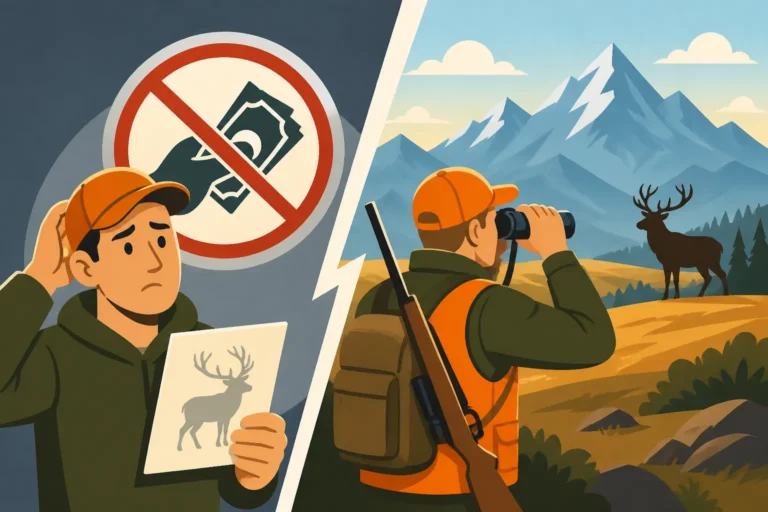
One of the most common questions and sources of confusion for hunters planning a trip to Wyoming, especially if it's their first time or they're booking with an outfitter, is about the true cost. Many folks assume that when they book a guided hunt, everything from start to finish—including those critical hunting licenses—is just part of the package price. It’s a completely understandable assumption, after all, you’re paying a professional for their expertise and services. But in Wyoming, and indeed most Western states, this simply isn't the case. This guide is going to walk you through exactly why your outfitter’s price usually doesn't include your hunting licenses, what those actual costs are, and how you can plan your budget accordingly so there are no nasty surprises down the road.
The Common Misconception: Why Licenses Aren't Usually Included
It's easy to look at a five-figure price tag for a dream elk hunt and think, "Surely everything is covered!" The reality is a little more complex, and understanding the distinct roles played by the outfitter, the state game and fish department, and you, the hunter, is key to avoiding sticker shock.
Understanding the Outfitter's Role
Think of your outfitter as your logistical expert, your wilderness guide, and your camp manager all rolled into one. Their expertise lies in knowing the terrain, understanding animal behavior, setting up comfortable camps, providing delicious meals, packing in and out, and physically guiding you to opportunities. They are selling a service: the experience of a hunt and the professional assistance to maximize your chances of success. This often includes things like What a Fully Guided Wyoming Elk Hunt Includes, transportation once you're in the field, horses and pack stock, and all the gear needed for a remote camp.
However, an outfitter is not a retail store for government-issued permits. They aren't licensed to sell you a hunting tag any more than your rafting guide is licensed to sell you a fishing license on the river. The services they provide are distinctly separate from the state's regulatory function of managing wildlife populations and issuing licenses to individual hunters. Their prices reflect the considerable effort, equipment, and knowledge required to operate a safe and effective hunt in challenging terrain.
The Legal and Financial Separation
There are very specific legal and financial reasons why hunting licenses and application fees are almost universally separate from an outfitter's price. Firstly, hunting licenses in Wyoming are considered personal permits. They are issued directly by the Wyoming Game and Fish Department (WGFD) to the individual hunter. This ensures accountability; you, as the hunter, are responsible for knowing and abiding by the regulations that come with that license. An outfitter cannot legally purchase a license on your behalf and then simply transfer it to you. It's a direct transaction between you and the state.
Secondly, the cost of licenses can vary wildly depending on whether you're a resident or a nonresident, the species you're hunting, and even the specific type of license (e.g., bull elk vs. cow elk, general vs. limited quota). For nonresidents, these costs can be substantial. For example, a nonresident elk license is a significant investment. If outfitters tried to roll these fluctuating, often high costs into their base price, their packages would become incredibly complex to price and manage, not to mention a potential legal quagmire regarding tax liabilities and sales.
Thirdly, many of Wyoming’s most sought-after big game tags are allocated through a draw system. This means there's no guarantee you'll even get a license when you apply. An outfitter can’t charge you for a license that hasn't been successfully drawn yet. Instead, they typically book clients who intend to apply for a tag, often with a contingency plan or deposit structure in case the draw is unsuccessful. This separation allows the outfitter to manage their operations independently of the uncertain outcome of the draw, while still providing guidance on Checking Draw Odds Before You Apply and How Many Points It Takes to Draw Wyoming Elk.
The Real Costs You'll Face Beyond the Outfitter Fee
Since licenses aren't typically bundled, it's crucial to understand what you will be paying for directly to the state, and how those costs fit into your overall hunting budget.
License and Application Fees
When planning a Wyoming hunt, you'll encounter a few different types of fees, and it's important to differentiate between them. The primary cost will be the actual big game license for the species you intend to hunt. For nonresidents, these tags are significantly more expensive than for residents, reflecting the state’s management philosophy. For example, you might be looking at a Wyoming Nonresident Elk License Price or What a Nonresident Deer License Costs in Wyoming. These are the big-ticket items.
Beyond the species-specific tag, almost every hunter in Wyoming needs to purchase a Conservation Stamp. This is a separate, annual fee that contributes directly to habitat programs and conservation efforts across the state. It’s a mandatory purchase for most licensed hunters and anglers. Additionally, if you're applying for draw tags, there will be a non-refundable application fee per species you apply for. This small fee covers the administrative costs of processing your application, regardless of whether you draw a tag or not. Many hunters also choose to purchase preference points, which are annual fees that increase your odds in future draws but are not a license themselves. For instance, What a Wyoming Elk Preference Point Costs can add up over the years. These points are a separate investment to improve your chances in competitive draws like How Wyoming Splits Every Draw 75 Percent Points and 25 Percent Random.
The Draw System and Tag Acquisition
Wyoming employs a preference point and random draw system for most of its coveted big game species, especially for nonresidents. This means you don't just walk into a store and buy your elk or deer tag over the counter in most cases. You must apply during specific application windows, which occur well in advance of the hunting season. For elk, nonresidents typically need to apply by early February. Deer and antelope applications close around June 1st. Wyoming Nonresident Elk Applications Close in Early February and When Wyoming Deer Applications Close for the Year are critical dates to mark on your calendar.
The outfitter will often advise you on which units or tag types to apply for, based on their experience and the quality of hunting they offer. They might suggest certain Wyoming Elk Hunt Unit Boundaries or Best Units to Draw for a Mature Mule Deer that align with your hunting goals. However, the act of applying, paying the fees, and ensuring your application is correct falls squarely on your shoulders. You’ll need to set up an account with the WGFD's online licensing system.
If you don't draw a tag, the hunt you booked with your outfitter might need to be rescheduled or canceled, depending on their booking policies. This is why many outfitters require a deposit that might be partially refundable or transferable if you're unsuccessful in the draw. Some hunters mitigate this risk by booking with outfitters who operate on private land where landowner tags might be available, though these usually come with their own set of specific rules and often a higher cost. For competitive tags, especially for species like moose or bighorn sheep, the wait times can be significant, even with maximum points. Moose Draw Odds by Hunt District and Bighorn Sheep Random Draw Odds Explained highlight just how tough some of these draws can be.
How to Budget Accurately for Your Wyoming Hunt
Planning a Wyoming hunt, especially a guided one, requires careful financial planning. The outfitter fee is just one piece of the puzzle.
Asking the Right Questions Upfront
When you're researching outfitters, whether through platforms like BookYourHunt or directly contacting them, it’s absolutely critical to ask for a comprehensive breakdown of all expected costs. Don't be shy! A reputable outfitter will appreciate your thoroughness and be transparent about their pricing structure. Here are some questions to ask:
- "Does your hunt price include my Wyoming hunting license, conservation stamp, or application fees?" (The answer will almost certainly be "no," but it confirms expectations.)
- "What are the estimated nonresident license and application fees I should budget for for the species I want to hunt?" They might not have the exact, current numbers down to the penny, but they can give you a very close estimate.
- "What happens to my deposit if I don't draw a tag?" Understand their cancellation and refund policy if the draw doesn't go your way. Whether You Get a Refund If You Fail to Draw is a crucial detail to clarify.
- "Are there any other fees not included in the base price, such as trophy fees, meat processing, taxidermy, or gratuities for the guides?" How Outfitter Trophy Fees Actually Work and How Much to Tip a Hunting Guide are important considerations.
- "What transportation costs should I expect to get to and from the nearest major airport or meeting point?"
- "What gear will I need to provide, and what does the outfitter supply?" This impacts your personal gear budget. The Gear List Your Outfitter Will Send is something you should definitely review well in advance.
Getting these answers in writing, perhaps in their contract or a detailed email, is always a good practice.
Creating a Comprehensive Hunt Budget
To ensure you don’t overspend or run into unexpected costs, create a detailed budget well in advance of your hunt. This isn't just about the outfitter's bill.
Here’s a checklist of potential expenses:
- Outfitter Fee: This is the base cost for the guided service.
- Licenses & Permits:
- Species-specific tag (elk, deer, antelope, etc.)
- Conservation Stamp
- Application Fees (non-refundable)
- Preference Points (if you choose to buy them)
- Travel Costs:
- Airfare to Wyoming (e.g., to Casper, Jackson, or Cody)
- Rental car (if not met by the outfitter)
- Fuel costs
- Overnight lodging before/after the hunt (if needed)
- Gear & Equipment:
- Specialized hunting clothing (layers, rain gear)
- Hunting boots
- Optics (binoculars, spotting scope) – unless provided by the outfitter or guide. Optics Power for Wyoming's Long Sightlines is a common consideration.
- Weapon and ammunition
- Backpack, sleeping bag, personal items
- Physical Conditioning for a Mountain Hunt might also involve gym memberships or specific training gear.
- Post-Harvest Costs:
- Meat processing and packaging
- Shipping meat home (if applicable)
- Taxidermy (if taking a trophy)
- Shipping antlers/cape home
- Gratuities: It's customary to tip your guides and camp staff.
- Miscellaneous: Emergency fund, souvenirs, unexpected expenses.
Using a spreadsheet to track these categories and actual costs can be incredibly helpful. Websites like GoHunt offer detailed information on tag costs and draw odds, which can be invaluable when building your budget and application strategy.
Finding Current License Information and Applying
Taking personal responsibility for your license acquisition is non-negotiable for a successful Wyoming hunt.
Where to Find Official Wyoming License Details
The single most reliable source for current license prices, application deadlines, and regulations is the official website of the Wyoming Game and Fish Department (WGFD). They update their regulations annually, and these often become available a few months before the application periods open. Do not rely solely on information from forums, social media, or even well-meaning friends, as rules and prices can change.
You'll find detailed breakdowns of:
- Wyoming Nonresident Elk License Price
- What a Nonresident Deer License Costs in Wyoming
- Wyoming Nonresident Antelope Tag Price Explained
- The Wyoming Conservation Stamp and What It Costs
- Specific application windows and deadlines for each species.
It’s a good idea to bookmark their licensing page and check it regularly in the months leading up to the application period you're interested in. Outfitters can give you general guidance, but the ultimate source is always the state agency.
The Application Process: Your Responsibility
As mentioned, applying for your license is your responsibility. Here’s a general overview of what that usually entails:
- Create an Account: If you don't already have one, you'll need to create an account on the WGFD's online licensing system. This is where all your applications, preference points, and license history will be managed. Setting Up a Wyoming ELS Account is your first step.
- Research Draw Odds and Units: Consult resources like GoHunt or the WGFD's past draw statistics to understand the odds of drawing in specific hunt areas for the species you desire. Your outfitter can advise you on Wyoming Draw Odds Broken Down by Hunt Area.
- Apply Online: During the official application periods (e.g., The Wyoming Nonresident Elk Application Deadline in February, When Wyoming Deer Applications Close for the Year in June), you'll log into your account and submit applications for the species you want. You'll specify your hunt area choices and pay the application fees and the full license fee (which is typically refunded if you're unsuccessful).
- Purchase Preference Points (Optional): If you're playing the long game for a highly desirable tag, you can buy preference points without applying for a tag during a specific point-only window, usually in the summer/fall. When the Wyoming Point-Only Window Opens is an important date for this strategy.
- Check Draw Results: After the draw period closes and processing is complete, results will be posted online. When Wyoming Elk Draw Results Are Posted is a day many hunters eagerly await. If successful, your license will be mailed or available for print. If unsuccessful, you'll typically receive a preference point for that species. Do Unsuccessful Applicants Get a Point Automatically? covers this common outcome.
- Print/Carry License: Once you have your license, ensure you carry it legally while hunting. Carrying Proof of Certification in the Field is essential.
Missing a deadline or making an error on your application can cost you a year, or even more if you're building preference points. So, take your time, double-check everything, and if in doubt, contact the WGFD directly for clarification. This diligence will help ensure your guided Wyoming hunt starts off on the right foot, with all your legal ducks in a row.
Table: Typical Guided Hunt Cost Breakdown
To help visualize the separation of costs, here’s a simplified table:
| Category | Usually Included in Outfitter Price | Usually Not Included in Outfitter Price (Your Responsibility) | Notes |
|---|---|---|---|
| Guiding Services | Yes | No | Professional guiding, field assistance, scouting. |
| Lodging/Camp | Yes (during the hunt) | No (before/after hunt) | Tent camps, lodge accommodations, wilderness spike camps. Excludes pre/post-hunt hotel stays. |
| Meals | Yes (during the hunt) | No (travel meals, personal snacks) | Cooked meals, packed lunches in the field. |
| In-Field Transport | Yes | No (travel to meeting point) | Horses, ATVs (where legal), 4×4 vehicles for accessing hunting areas from camp. |
| Hunting License | No | Yes | Mandatory for the specific game species you intend to hunt. Purchased from WGFD. |
| Conservation Stamp | No | Yes | Mandatory annual stamp for most hunters, purchased from WGFD. |
| Application Fees | No | Yes | Non-refundable fees for applying in the draw, paid to WGFD. |
| Preference Points | No | Yes | Optional, purchased from WGFD to improve future draw odds. |
| Personal Gear | No | Yes | Your rifle/bow, ammunition, clothing, boots, backpack, optics, sleeping bag, personal items. |
| Gratuities (Tips) | No | Yes | Customary for guides and camp staff. |
| Trophy Fees | Sometimes (check contract) | Often Yes | Extra charges for harvesting a particularly large or specific animal (more common on private land hunts). Always clarify. |
| Meat Processing | No | Yes | Costs for butchering, packaging, and freezing game meat. |
| Taxidermy | No | Yes | If you wish to preserve a trophy. |
| Travel Expenses | No | Yes | Flights, rental cars, fuel, commercial shuttles to reach the outfitter's meeting point. |
| Emergency Fund | No | Yes | Highly recommended for unforeseen circumstances or delays. |
This table clearly illustrates that while an outfitter handles the core hunting experience, a significant portion of the overall cost and responsibility for legal compliance, like securing your license, rests firmly with you, the hunter. Being informed and prepared for these separate expenses is crucial for a smooth and enjoyable Wyoming hunting adventure.
Disclaimer
This article is for general informational purposes only and does not constitute professional advice. Laws, prices and regulations vary by location and change over time. Consult a qualified professional for guidance on your specific situation.