Which Outfitter Reviews Are Worth Trusting
Finding the right outfitter for a Wyoming hunt can feel like a daunting task, and when you finally start sifting through countless reviews online, it's easy to get overwhelmed and wonder which ones actually hold any weight. You want to make an informed decision, especially when investing a significant amount of time and money into a dream hunt, but navigating the wild world of internet feedback can feel like trying to track a grey ghost in a blizzard. This guide will help you understand how to critically evaluate outfitter reviews, identify reliable sources, and ultimately use them as a tool to book the hunt of a lifetime, not a bust.
The Wild West of Online Reviews: Why Trust is a Challenge
It's no secret that the internet is a double-edged sword when it comes to information. On one hand, you have access to a vast ocean of experiences and opinions, giving you insights you never would have had just a couple of decades ago. On the other hand, anyone can post anything, and distinguishing genuine, helpful feedback from paid promotions, disgruntled one-offs, or even outright fake reviews becomes a full-time job. When it comes to booking a Wyoming hunting trip, where the stakes are high and expectations even higher, this challenge is amplified. You’re not just buying a product; you’re investing in an experience, a memory, and often a significant financial outlay.
The Allure of Five-Star Gloss: What Looks Good Isn't Always Real
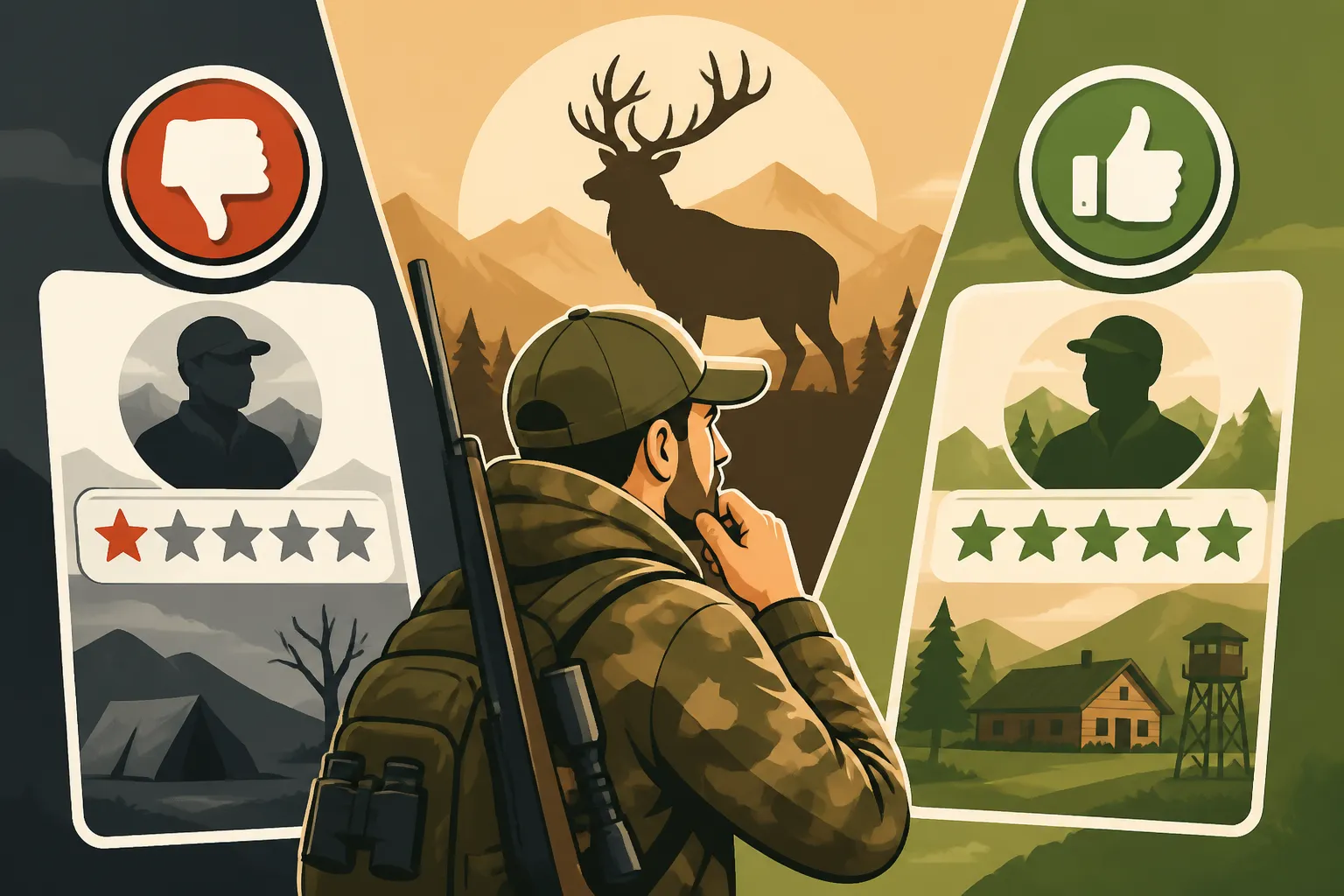
We all gravitate towards those sparkling five-star reviews. They paint a picture of perfection: successful hunts, incredible guides, delicious food, and comfortable camps. It's human nature to want that ideal scenario. However, sometimes, those glowing reports are too good to be true. Some outfitters might incentivize clients to leave positive reviews, offering discounts on future hunts or merchandise. Others might have friends or family members bolster their ratings, especially on newer businesses or social media pages. While most outfitters are honest, the temptation to polish one's online presence is strong in a competitive industry.
Think about it from a hunter's perspective: you've just come off an incredible hunt, maybe bagged a trophy animal you've dreamed of for years. You're high on adrenaline and satisfaction. You're predisposed to leave a glowing review, perhaps even overlooking minor hiccups. Conversely, a hunter who had an unsuccessful trip, even if it was due to weather, their own shooting, or just plain bad luck, might be inclined to leave a scathing review, blaming the outfitter unfairly. The emotional investment in a hunt can skew perceptions, making objective truth harder to find in short, star-based ratings.
Sorting Through the Noise: Identifying the Red Flags
When you’re scrolling through pages of reviews, keep an eye out for certain signals that might indicate a review isn't entirely trustworthy. A review that is excessively generic, using vague terms like "great hunt" or "amazing time" without any specific details about the animal, the area, the guide, or camp life, might be a red flag. Similarly, a string of five-star reviews all posted within a very short timeframe, especially if they use similar phrasing or sound like they were written by the same person, should make you pause.
On the flip side, extremely negative reviews, especially if they are highly emotional or personally attack individuals, also warrant a closer look. While legitimate complaints exist, sometimes a hunter simply had unrealistic expectations or circumstances beyond the outfitter's control led to a less-than-ideal trip. It’s crucial to read between the lines and look for patterns rather than reacting to a single outlier, positive or negative. A truly authentic review will usually have a balanced tone, even if it's overall positive, perhaps mentioning a minor challenge alongside overwhelming success.
Digging Deeper: Where to Find Reliable Feedback
So, if online reviews can be a minefield, where do you turn for genuinely useful information? The key is to diversify your sources and prioritize feedback that comes from verified hunters or official channels. Don't rely on just one website or a single glowing testimonial. Your research should be a comprehensive effort, much like scouting a new hunting unit before you even set foot in it. A diligent approach now can save you a lot of disappointment and money down the line.
Official Channels: The Wyoming Board of Outfitters and Professional Guides
Perhaps the most authoritative source for an outfitter's track record isn't a "review" in the traditional sense, but rather official documentation. In Wyoming, all outfitters and guides are regulated by the Wyoming Board of Outfitters and Professional Guides. This board ensures that operators meet certain standards, hold proper licenses, and maintain necessary insurance and bonds. While they don't host customer reviews, they do handle complaints.
Before you book with any outfitter, it is absolutely paramount to Verifying a Wyoming Outfitter's License Number through this board. You can also Checking an Outfitter's Complaint History Before Booking. A formal complaint, especially if it led to disciplinary action, is a far more significant piece of information than a negative Google review. It indicates a serious breach of professional conduct, not just a bad experience. This kind of due diligence provides a foundational layer of trust that no five-star review on a private website can match. This board's role is not to recommend outfitters but to ensure they operate legally and ethically within the state's guidelines.
Hunter-Specific Forums and Communities: The Peer-to-Peer Network
Beyond official government channels, some of the most candid and honest feedback often comes from dedicated hunting forums and online communities. These are places where real hunters, often veterans of many trips, share their experiences, both good and bad, without commercial incentive. Websites like Rokslide, HuntTalk, and other big-game specific forums often have threads dedicated to outfitter reviews or general discussions about specific regions like Wyoming.
When you're sifting through these forums, look for consistent themes. If multiple independent hunters mention similar positive experiences with a particular guide, or if recurring issues come up, those are strong indicators. Pay attention to how questions are answered about specific outfitters – are people quick to recommend, or do they offer caveats? You can also often directly message other members for more in-depth, one-on-one conversations about their experiences. This peer-to-peer network is invaluable for unfiltered information, but remember that individual experiences can still vary greatly, and personalities play a big role. Just because one hunter didn't get along with a guide doesn't mean you won't.
Booking Agents and Hunt Planners: Another Layer of Vetting
Many hunters, especially those new to booking guided trips out West, turn to hunt booking agents or online platforms that specialize in connecting hunters with outfitters. Companies like BookYourHunt aim to streamline this process by vetting outfitters themselves and often providing a more curated selection of reviewed operations. Similarly, tools offered by services like GoHunt might help you plan your application strategy and then potentially connect you with outfitters in areas that align with your draw odds.
These platforms often have their own internal review systems, which can be useful because they usually come from verified clients who booked through their service. The agents themselves often have long-standing relationships with various outfitters and can provide personalized recommendations based on your desired species, budget, and hunting style. They act as an intermediary, adding a layer of accountability that might be missing if you book directly through a small outfitter's independent website. However, always remember that booking agents earn a commission, so while they want you to have a good experience, there's still a financial incentive involved in their recommendations. Use them as a starting point and a resource, but don't let them be your only source of information.
Beyond the Stars: What to Look For in a Review
Once you've identified some potentially reliable sources, the next step is to actually read the reviews critically. Don't just glance at the star rating. The real gold is in the narrative, the details, and the underlying tone. A single sentence review, even if it's five stars, tells you almost nothing useful. You need to understand what contributed to that rating.
Specificity and Detail: The Hallmarks of Authenticity
A truly helpful review will be rich in detail. It won't just say "great guide"; it will say "Our guide, Mark, was incredibly knowledgeable about elk behavior, and his ability to read wind on an open-country stalk was impressive, especially when we were trying to close on antelope." It will mention specific aspects of the hunt: the quality of the camp, the food, the physical demands, the type of terrain hunted, the communication before and during the trip, and the overall atmosphere.
Look for descriptions of daily activities, how problems were handled, and specific instances of exemplary service or, conversely, areas for improvement. Did the review mention Physical Conditioning for a Mountain Hunt and how the outfitter prepared them? Did they talk about Preparing for Altitude on a Wyoming Hunt? The more specific details a review contains, the more likely it is to be a genuine account from someone who actually participated in the hunt. Generic reviews often lack this depth because the reviewer doesn't have actual experiences to draw upon.
Consistency Across Platforms: A Broader Picture
One of the most powerful tools in your review-vetting arsenal is cross-referencing. If an outfitter has consistently positive or negative feedback across multiple, independent platforms – their own website, a booking agent's site, several hunting forums, and social media – that consistency lends significant credibility. It's much harder to manipulate reviews across a wide array of unconnected platforms.
If you see vastly different accounts, or if an outfitter has glowing reviews on their own site but a string of complaints on a public forum, that's a major red flag. This kind of inconsistency suggests that some reviews might be curated or fabricated. The goal is to build a holistic picture. Outfitter Success Rates in Wyoming are often a point of discussion in reviews; see if the claims align with what you're reading elsewhere or what the outfitter states themselves. A truly reputable outfitter will generally have a transparent and consistent reputation across the board.
| Source Type | Pros | Cons | What to Look For |
|---|---|---|---|
| Outfitter's Website | Easy access, often detailed descriptions | Highly curated, biased, potential for fake testimonials | Full names, specific dates, varied photos, genuine voice |
| Third-Party Booking Sites | Aggregated data, some vetting, verified bookings | Reviews can be incentivized, may lack granular detail | Verified client tags, specific hunt details, consistency across listings |
| Hunter Forums/Communities | Unfiltered, peer-to-peer insights, honest feedback | Can be anecdotal, highly subjective, personal biases | Multiple members discussing same outfitter, detailed narratives, consistent themes |
| Official Gov. Boards | Verifiable license status, formal complaint history | Not "reviews," only disciplinary actions | License validity, any formal complaints or enforcement actions |
| Social Media Pages | Current photos/videos, direct interaction | Highly visual, comments can be superficial/emotional | Engagement with real hunters, responses to questions, consistent activity |
What Reviews Often Miss: The Unwritten Truths
Even the most detailed reviews can't tell you everything. Many reviews focus on the "trophy" aspect of the hunt, but what about the less glamorous, yet equally important, details? Things like The Logistics of a Horseback Drop Camp if you’re doing a wilderness hunt, or What Outfitter Prices Almost Never Include when it comes to taxes, licenses, and meat processing. These are the practical considerations that can make or break your experience, and they aren't always highlighted in a glowing success story.
Reviews also rarely cover the subjective fit between you and the outfitter. A highly successful, no-nonsense outfitter might be perfect for one hunter but a poor fit for another who prefers a more relaxed, conversational style. The best reviews might hint at the outfitter's personality or the camp atmosphere, but personal preferences are ultimately something you need to assess yourself through direct communication. This is where Questions to Ask a Wyoming Outfitter come into play, going beyond what you read online to gauge personal compatibility.
Connecting the Dots: Using Reviews as Part of Your Research
Ultimately, reviews are just one piece of a much larger puzzle. Think of them as initial reconnaissance, pointing you in certain directions and highlighting potential strengths or weaknesses. They should inform your deeper dive, not replace it. Your goal is to gather enough information from various sources to feel confident in your decision.
Cross-Referencing: Don't Rely on a Single Source
Never, ever make a booking decision based on a single source of reviews. Combine your findings from outfitter websites, third-party booking platforms, hunter forums, and the Wyoming Board of Outfitters and Professional Guides. If you're looking at an outfitter through, say, BookYourHunt, take the time to also search for them on general hunting forums and check their licensing status independently.
Furthermore, look at Red Flags When Booking a Wyoming Outfitter that might come up in multiple reviews. Are there consistent complaints about communication, equipment, or guide professionalism? Conversely, if several independent reviews mention the guide's exceptional ability to find game or their dedication to client success, these are strong positive indicators. The more independent verification you can find for any claim, positive or negative, the more reliable that information becomes.
Direct Communication: The Ultimate Vetting Tool
After you've done your initial research and narrowed down your choices, the single most important step is direct communication with the outfitter. This is your chance to ask all the specific questions that reviews might not cover. You'll want to inquire about availability, specific hunt dates, what's included in the price, and detailed logistics. Asking about Reading the Cancellation and Refund Terms is crucial, especially if you're Booking Before You Draw a Wyoming Tag and there's a chance you won't get a license.
During these conversations, pay attention to how the outfitter communicates. Are they prompt, clear, and patient with your questions? Do they sound knowledgeable and honest? Do they ask you questions about your experience, expectations, and physical abilities? An outfitter who is genuinely interested in ensuring you have a successful and enjoyable trip will want to understand your needs and limitations. This direct interaction allows you to gauge their professionalism, personality, and overall suitability as your partner in the field – something no written review can fully convey.
Don't be afraid to ask for references, too. While outfitters will naturally provide references who had positive experiences, contacting past clients allows you to have a personal conversation and ask very specific questions about their hunt, which can sometimes reveal nuances not found in public reviews. It’s an old-school method, but often the most effective for truly vetting an outfitter.
Disclaimer
This article is for general informational purposes only and does not constitute professional advice. Laws, prices and regulations vary by location and change over time. Consult a qualified professional for guidance on your specific situation.