How Trespass Fee Arrangements Usually Work
For many hunters dreaming of a Wyoming adventure, the vast open spaces are appealing, but the reality of finding accessible, unpressured game can be a frustrating challenge. While public land offers incredible opportunities, gaining access to private ranches often unlocks a different caliber of hunting experience. This guide will walk you through how trespass fee arrangements work, helping you understand this unique pathway to prime hunting grounds.
Understanding Trespass Fee Basics in Wyoming Hunting
The idea of hunting private land without a full-blown, expensive outfitter can be really attractive, and that's exactly where trespass fee arrangements come into play for many hunters in Wyoming. It's a way to open up those gates, literally, to ground that might hold some incredible animals, without necessarily paying for all the bells and whistles of a fully guided hunt.
What Exactly is a Trespass Fee?
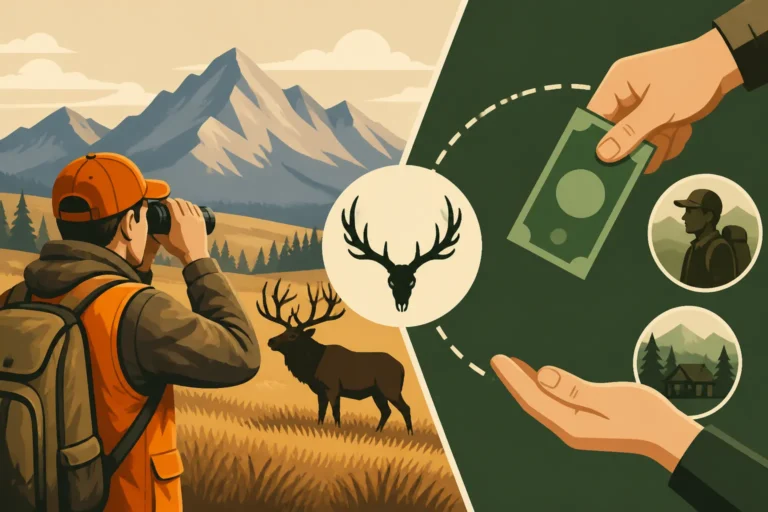
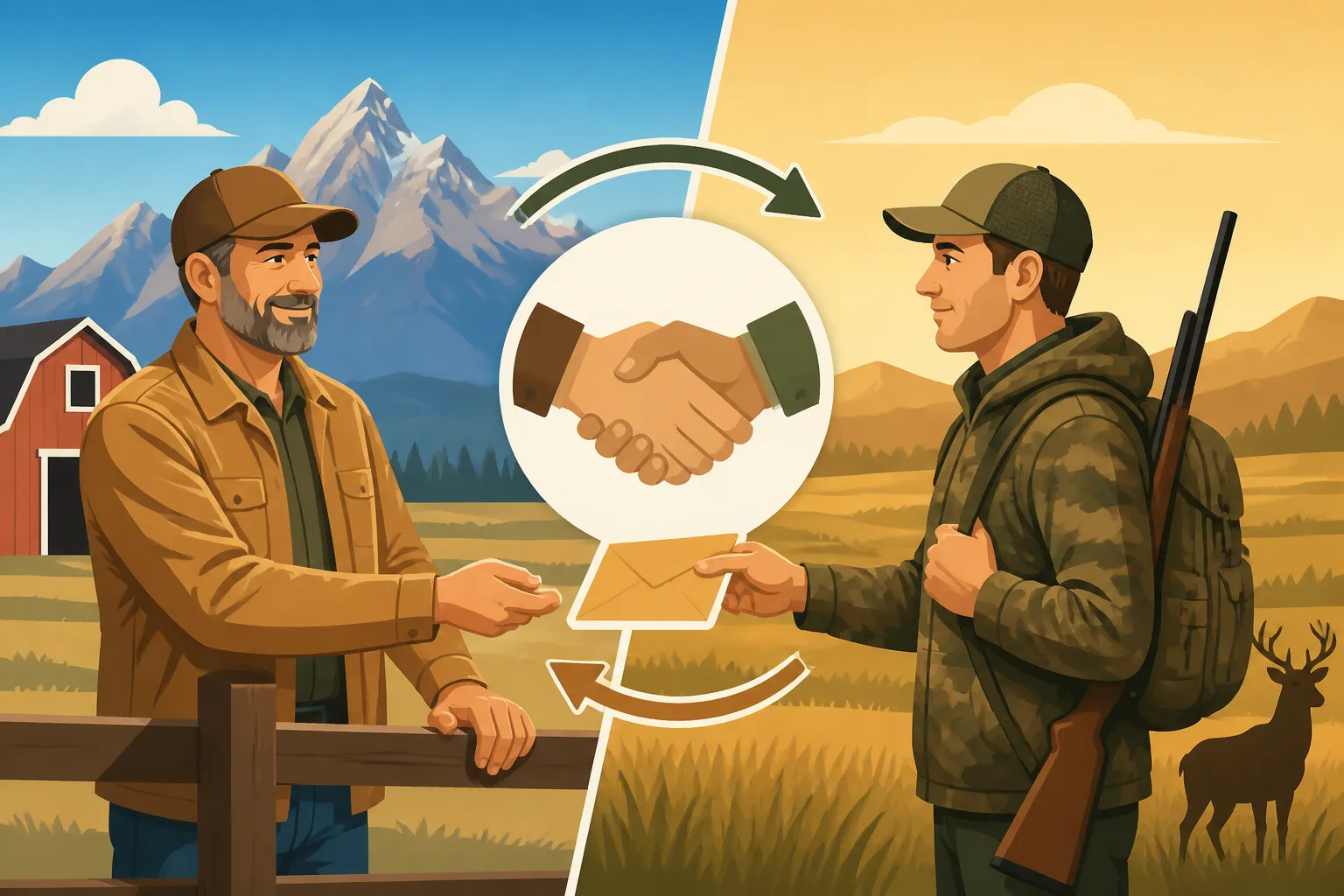
At its core, a trespass fee is simply a payment made to a private landowner for the privilege of accessing their property to hunt. Think of it less as buying a hunt package and more as purchasing an access permit for a set period. You're not hiring a guide, getting meals, or having horses packed in; you're just paying for the right to be on that specific piece of land with your weapon during a designated season. For many hunters, especially those who prefer a more self-sufficient approach but still crave the advantages of private ground, this can be an ideal solution. It acknowledges the landowner's ownership and the value of their property, while offering the hunter a chance at animals that might be less pressured than those on readily accessible public lands.
The concept arises from the fact that much of Wyoming's prime hunting habitat, especially for species like deer and antelope, is privately owned. Wyoming's Mule Deer Have Rebounded in many areas, but finding them on public ground that isn't pounded by other hunters can be a tough ask. These fees help landowners manage their property, control who is on their land, and also benefit from the game animals their property supports. It's a mutual agreement that can be a win-win: the landowner gets compensation, and the hunter gets an exclusive hunting experience. It's crucial to understand that with a trespass fee, you're usually responsible for everything else – your own scouting, tracking, game retrieval, and camp setup.
The Legal Framework and Agreements
When you enter into a trespass fee arrangement, you're essentially forming a contract with the landowner. This isn't something governed by the Wyoming Game and Fish Department directly in terms of pricing or specific services, as it's a private agreement. However, all hunting activities on that land must still adhere to state regulations regarding seasons, bag limits, weapon types, and licensing. For instance, you still need the correct Wyoming nonresident deer license for the unit you'll be hunting, and your broadheads must pass The Minimum Cutting Width a Broadhead Must Make if you're archery hunting. The private land access simply means you have legal permission to be there.
It is absolutely vital to get any trespass fee agreement in writing. A simple handshake might feel good, but it won't hold up if there's a misunderstanding or dispute. This written agreement should clearly outline the dates you're allowed to hunt, the specific areas of the property you can access (some landowners might have specific pastures or sections they want off-limits), the species you're allowed to pursue, and any specific rules or restrictions the landowner has. These could include vehicle use limitations, gate protocols, no-go zones around livestock, or requirements for reporting harvested animals. Having everything in black and white protects both you and the landowner. Without it, you could face awkward situations or even accusations of actual trespassing, even if you paid.
The Benefits and Drawbacks of Trespass Fee Hunts
Like any hunting option, choosing a trespass fee arrangement comes with its own set of pros and cons. Understanding these can help you decide if this type of hunt is the right fit for your next Wyoming adventure.
Why Hunters Seek Out Trespass Fee Opportunities
One of the biggest draws of a trespass fee hunt is the potential for reduced hunting pressure. On public land, especially during rifle season, it can feel like you're constantly bumping into other hunters. Private land, by its nature, limits the number of people accessing it, which often translates to more relaxed animals and a more solitary hunting experience. This can be especially valuable for targeting mature bucks or bulls that tend to become nocturnal quickly under heavy pressure.
Another significant benefit is access to prime habitat. Many private ranches in Wyoming encompass incredible wildlife habitat, including key migratory corridors, winter ranges, and fertile river bottoms. These lands often have better forage and water sources, leading to healthier and larger animals. While you're not guaranteed a trophy, the potential for encountering higher quality game often increases when you have exclusive access to well-managed private property. For example, some of the best Late Season Whitetail Dates in Wyoming often coincide with opportunities on private ground along river systems.
Finally, trespass fees offer a flexible middle ground between a full DIY public land hunt and an all-inclusive guided trip. You get the autonomy and challenge of a self-guided hunt, but with the advantage of private land. This can save you money compared to a guided hunt while still providing a distinct edge over purely public land endeavors. It's perfect for hunters who enjoy the planning and execution of their own hunt but recognize the value of exclusive access.
Challenges and Considerations for Hunters
While appealing, trespass fee hunts aren't without their challenges. The most obvious one is cost. While often less expensive than a fully guided hunt, these fees can still be substantial, especially for prime property or highly sought-after tags like elk. You're paying for access, but all other expenses – licenses, travel, food, lodging, and gear – are still on your dime. It's essential to budget carefully and understand the full financial commitment.
Another significant consideration is the lack of guide services. Remember, you're paying for access, not expertise. You are entirely responsible for your own scouting, navigation, game recovery, and decision-making in the field. This means you need to be proficient in reading maps, using GPS or apps like GoHunt (which offers excellent mapping tools for scouting boundaries and terrain), tracking, and field dressing. If you're new to Western hunting or prefer having someone else handle logistics, a trespass fee hunt might be a steep learning curve. Success often hinges on your own effort and skill, and there's no guide to fall back on if you get turned around or make a mistake.
Finally, there's the "what you see is what you get" aspect. Unless otherwise agreed upon, the landowner's responsibility typically ends at granting you access. They aren't obligated to ensure you see game, help you recover a downed animal, or provide amenities. Communication is key here: always clarify what, if any, support the landowner might offer. For instance, will they assist with a tractor for a heavy elk recovery if you need it, or are you entirely on your own? Clarifying these details upfront can prevent significant headaches and disappointment later.
Landowner Perspectives on Offering Access
From a landowner's point of view, offering trespass fee arrangements is usually a strategic decision driven by several factors, not just supplemental income. Of course, the financial benefit is significant. Owning and maintaining large tracts of land is expensive, and trespass fees can help offset property taxes, fence repairs, and general operating costs of the ranch. This direct revenue stream makes wildlife a valuable asset on their property, encouraging good habitat management.
Beyond the money, these arrangements allow landowners to have control over who is on their property. Unlike public land, where anyone with a license can roam, trespass fee systems mean the landowner can vet hunters, set clear expectations, and limit the total number of individuals, which helps prevent over-harvesting, damage, or unwanted activities. This controlled access can also be crucial for wildlife management; by dictating how many hunters come and which species or types of animals they can pursue, landowners can help maintain healthy game populations. For example, they might only allow antlerless deer hunts to reduce herd numbers or restrict buck hunting to promote older age classes.
Finally, for some landowners, it's about game management and mitigating issues. They might have too many deer or antelope impacting their grazing land, and allowing hunters in specific seasons can help manage these populations. By offering controlled hunting access, they can address these concerns in an organized manner while also generating revenue, rather than having uncontrolled poaching or simply dealing with overpopulated herds on their own.
How to Find and Vet Trespass Fee Arrangements
Finding the right trespass fee arrangement requires research and due diligence. You want to ensure you're getting access to quality land and that the agreement aligns with your hunting goals.
Researching Available Opportunities
The world of trespass fee hunting isn't always widely advertised, but opportunities certainly exist if you know where to look. One common method is networking and direct outreach. If you know people who have hunted in Wyoming, ask around. Word-of-mouth can lead to valuable connections. Sometimes, simply identifying areas of high private land ownership in units you're interested in (using tools like GoHunt's mapping layers) and then contacting landowners directly can yield results. It might take many calls or letters, but persistence can pay off.
Online forums and hunting classifieds are another avenue. Many dedicated Western hunting forums have sections where landowners or individuals looking to connect with them post opportunities. Similarly, some agricultural or ranching community websites might have classifieds that mention hunting access. You might also find that some outfitters, though they primarily offer guided hunts, sometimes have relationships with landowners and can facilitate "access-only" or "trespass-only" arrangements on certain properties. Services like BookYourHunt primarily list guided hunts, but sometimes discussions or detailed listings there might point to outfitters who also offer access-only arrangements if you dig into their specific offerings.
Key Questions to Ask Before Committing
Once you've found a potential trespass fee opportunity, don't rush into it. A thorough conversation with the landowner is critical. Here are some essential questions to ask:
- What are the exact boundaries of the huntable property? Get it clearly marked on a map.
- Which species are included in the fee, and for what dates?
- What are the landowner's specific rules for vehicle access, camp locations, and game retrieval? Are ATVs allowed? Can you drive off-road to pick up an animal?
- What is the maximum number of hunters allowed on the property at one time? You don't want to show up to find 20 other people you weren't expecting.
- Have previous hunters had success? While not a guarantee, it can give you an idea of the game potential.
- Are there any specific amenities or services included? This could be access to water, a designated camping spot, or even a basic cabin.
- What is the payment structure and cancellation policy? Will you get a refund if you don't draw your tag? Whether You Get a Refund If You Fail to Draw is a crucial question.
- Will the landowner provide any assistance if needed (e.g., in an emergency, or with heavy game recovery)?
- Can you scout the property beforehand? Some landowners might allow this; others might only grant access the day your hunt begins.
- Are there any restrictions on broadheads for archery, or specific calibers for rifle hunting? While unusual, a landowner might have personal preferences beyond state law. What Wyoming Counts as a Legal Firearm for Big Game will apply, but additional landowner rules might exist.
The Role of Outfitter-Facilitated Trespass Fees
It might seem counterintuitive, but some outfitters, especially those who lease a lot of private ground, will offer trespass fee-only arrangements. They've already done the legwork of securing leases with landowners, and sometimes they have more access than they can fill with fully guided clients. In these cases, an outfitter might sell you the access to a specific portion of their leased ground for a set fee.
This can be a great option because the outfitter has typically already established the rules and boundaries with the landowner. They might also provide a base camp or some logistical support that a direct landowner arrangement wouldn't. For instance, they might offer basic lodging or a place to hang your meat, but you're still doing all the hunting yourself. Always be clear about what you're getting. Is it just access, or are there any basic services included? Platforms like BookYourHunt often feature outfitters, and while you're usually looking at guided packages, a direct inquiry to an outfitter you find there might reveal if they offer trespass-only options as well. It's a way to leverage their established relationships without the full guided price tag.
Managing Expectations and Maximizing Your Trespass Fee Hunt
A trespass fee hunt can be an incredibly rewarding experience, but a lot of its success hinges on your preparation and approach. It's not a guaranteed trophy, but it is a unique opportunity.
Preparing for a Self-Guided Hunt on Private Land
Since you're paying for access, and essentially acting as your own guide, preparation is paramount. Start with intensive e-scouting long before your hunt. Use satellite imagery, topographic maps, and public land mapping apps to study the terrain, identify potential bedding areas, water sources, and travel corridors within the specific boundaries you'll be hunting. Look for draws, ridges, and pinch points that could funnel game. This is where tools from companies like GoHunt can really shine, allowing you to mark waypoints, measure distances, and understand the property layout from home. E-Scouting a Unit Before the Season Opens is just as important, if not more, on private land where you have exclusive access.
Physical conditioning is another huge factor. Even if you have vehicle access, you'll likely be doing a lot of walking, glassing, and potentially packing out an animal in challenging terrain. Physical Conditioning for a Mountain Hunt isn't just for elk; it applies to any big game in Wyoming's expansive landscapes. Ensure your gear is in top shape, including optics, navigation tools, and a reliable rifle or bow. Practice your shooting at realistic distances, as even on private land, you might get a long shot opportunity. Realistic Archery Practice Distance for Big Game for example, is often longer than what many practice at home.
Respecting Property and Landowner Rules
This might sound obvious, but it's crucial: treat the landowner's property with the utmost respect. This isn't just good manners; it's essential for maintaining a positive relationship and potentially securing future access. Adhere strictly to all agreed-upon rules regarding gates, fences, vehicle use, and sensitive areas. Leave no trash, pack out everything you pack in, and avoid disturbing livestock. If you come across a closed gate, close it. If it's open, leave it open. Common sense and courtesy go a long way.
Communication during and after the hunt is also important. Keep the landowner informed if you've harvested an animal, or if you notice any issues on their property (like a downed fence). A simple "thank you" goes a long way. Remember, you are a guest on their land. Your behavior reflects not just on you, but on all hunters seeking similar opportunities. By being a responsible and respectful hunter, you not only increase your chances of being invited back but also contribute positively to the reputation of hunters in general.
Comparing Hunting Access Options
To put trespass fee arrangements into perspective, let's look at how they stack up against other common hunting access methods in Wyoming:
| Feature | Public Land DIY Hunt | Trespass Fee Arrangement | Fully Guided Hunt |
|---|---|---|---|
| Access Cost | Minimal (licenses, stamps, application fees) | Moderate to High (access fee + licenses/stamps) | Very High (all-inclusive package) |
| Hunting Pressure | High in accessible areas, lower in remote wilderness | Low to moderate (controlled by landowner/outfitter) | Very Low (exclusive access to private or remote areas) |
| Guide Service | None (you're on your own) | None (you're on your own) | Full service (expert guide, logistics, camp, etc.) |
| Flexibility/Autonomy | Very High (complete freedom to hunt as you wish) | High (freedom within landowner's rules) | Low (follows outfitter's schedule and plan) |
| Scouting Required | Extensive e-scouting and boots-on-the-ground | Extensive e-scouting and pre-hunt intel | Minimal (guide does most or all scouting) |
| Game Recovery | Entirely your responsibility | Entirely your responsibility (unless negotiated) | Typically assisted by guide and outfitter |
| Success Potential | Varies widely based on skill, pressure, unit | Often higher due to less pressure and prime habitat | Generally highest due to expertise and exclusive access |
| Target Audience | Experienced, self-sufficient, budget-conscious | Experienced, self-sufficient, values private access | Less experienced, seeking convenience, trophy focused |
Disclaimer
This article is for general informational purposes only and does not constitute professional advice. Laws, prices and regulations vary by location and change over time. Consult a qualified professional for guidance on your specific situation.