The Lodging Standards Outfitters Are Held To
One of the biggest unknowns for hunters booking a guided trip to Wyoming, especially if it’s their first time out West, is what to expect when it comes to lodging. We all see those glossy brochures with beautiful lodges, but then there's the reality of a remote tent camp. This guide aims to pull back the curtain on the various lodging standards outfitters are generally held to, what you can realistically expect, and what questions you should absolutely ask before you send that deposit.
The Regulatory Framework for Outfitter Lodging in Wyoming
It’s easy to assume that because you're paying a significant sum for a guided hunt, the lodging will be akin to a hotel. The truth is, it’s a bit more nuanced in Wyoming, especially when you consider the vast, wild landscapes involved. The state's regulations focus more on overall client safety and operational integrity than on thread count or spa services.
What the Wyoming Board of Outfitters Oversees
The Wyoming Board of Outfitters and Professional Guides (WBO&PG) is the body responsible for licensing and regulating outfitters in the state. Their primary focus is on ensuring that outfitters operate safely, ethically, and responsibly. While they don't audit the luxury level of a camp, they are very concerned with client welfare. This means basic standards for health, safety, and operational capacity are paramount. An outfitter failing to provide safe, habitable lodging that meets basic health standards would definitely fall under the Board's purview if a complaint were filed. It’s less about comfort and more about competence and compliance with general business practices and safety. You can always check an outfitter's standing with the Board, which is a crucial first step in your vetting process. Understanding The Wyoming Board of Outfitters and What It Regulates can give you a clearer picture of their scope.
When issues arise, they typically center on negligence, false advertising, or a blatant disregard for safety. If an outfitter promises a heated cabin with running water and you arrive to a leaky canvas tent with a broken cot, that's a problem the Board would likely investigate. However, if they promise a "comfortable camp" and you find it rustic but clean and safe, that's generally within expectations for a hunting operation, especially in remote areas.
General Expectations Versus Specific Regulations
Unlike hotels, there isn't a "star rating" system for hunting camps in Wyoming. The regulations are more about broad strokes of safety and fair dealing. For instance, outfitters must have adequate provisions for food, water, and shelter for their clients, and they must have emergency communication plans in place. Beyond that, the specifics of your lodging—be it a rustic cabin or a full-service lodge—are largely a matter of what the outfitter advertises and what's explicitly detailed in your contract.
Think of it this way: a remote wilderness outfitter is not expected to provide daily maid service or Wi-Fi. What is expected is a shelter that protects you from the elements, a reasonably clean place to sleep, access to potable water, and safe food handling practices. These general expectations become the "standards" by which a client can evaluate their experience. It’s truly up to you, the hunter, to understand the type of hunt you're booking and align your expectations accordingly. Resources like BookYourHunt or GoHunt often provide details and photos of specific outfitter camps, helping you gauge what's realistic.
Types of Outfitter Lodging in Wyoming
Wyoming offers an incredible diversity of hunting experiences, and with that comes a wide spectrum of lodging options. From truly remote tent camps to more civilized lodges, your accommodation will depend heavily on the type of hunt you've booked and the terrain you'll be covering.
Backcountry and Wilderness Spike Camps
This is where the adventure truly begins for many. If you're heading deep into areas like the Teton Wilderness or the Bridger-Teton National Forest for an elk hunt, you're likely looking at a backcountry or wilderness spike camp. These camps are often composed of wall tents, dome tents, or sometimes very primitive cabins that are only accessible by horseback or extensive hiking.
-
Realistic Conditions: Expect basic amenities. You'll likely sleep on a cot with a sleeping bag (often your own, check the gear list!). Heat might come from a wood stove in a wall tent, requiring someone to keep it stoked. There will be no running water, so washing is done with a basin and a heated pot of water. Outhouses or designated latrine areas are the norm. Power is typically non-existent unless a small, portable generator is brought along for charging essentials, and even that is rare in true spike camps. This type of lodging is functional – designed to be warm, dry, and provide a base of operations for challenging hunts. It's truly about facilitating access to game in remote areas. This is where you might be operating under Wyoming Wilderness Areas and the Guide Rule, which often dictates even more primitive setups. These remote camps are the backbone of many Wilderness Pack Trips Built for Hunters.
-
Why Hunters Choose Them: While they lack luxury, these camps offer unparalleled access to prime hunting grounds far from roads and other hunters. They embody the rugged spirit of Western hunting and can provide an incredibly immersive experience. The focus here is entirely on the hunt, not the amenities.
Lodge and Cabin-Based Operations
On the other end of the spectrum, many Wyoming outfitters operate out of comfortable lodges or permanent cabins. These are typically found on private ranches or closer to accessible public lands, offering a "hunt by day, return to comfort by night" experience.
-
Amenities: Here, you can expect much more. Running water, flush toilets, hot showers, and electricity are usually standard. You might have private or semi-private rooms, a communal dining area where hearty meals are served, and even a common lounge area with a fireplace. Wi-Fi or satellite internet might be available, though often limited. These operations are often what people picture when they think of a classic Western hunting experience with a degree of comfort. This kind of setup often defines What a Guided Wyoming Elk Hunt Includes for many hunters.
-
Location Trade-offs: The trade-off for this comfort is often proximity to roads and other development. While the hunting can still be excellent, it might involve longer drives to prime spots or hunting in areas with more pressure compared to deep wilderness camps. However, for those who value a good night's sleep in a real bed and a hot shower after a long day, these lodges are an excellent choice.
Hybrid and Drop Camp Scenarios
Wyoming also offers some in-between options that blend elements of both remote and comfortable lodging.
-
Drop Camps: These are a fantastic option for experienced hunters who want a wilderness experience without the full cost of a guided hunt. With a drop camp, an outfitter packs you and your gear (including your food) into a pre-set camp, usually consisting of sturdy wall tents with cots and a stove. The outfitter then leaves you to hunt on your own and returns on a predetermined date to pack you out. This offers the remote access of a spike camp with the benefit of not having to haul all your own gear in. Wyoming Drop Camp Hunts Explained thoroughly details these arrangements. You're responsible for your own cooking, game retrieval, and daily hunting decisions, but the camp itself is already set up. When considering a drop camp, it's vital to understand What a Wyoming Drop Camp Actually Includes to avoid any surprises.
-
Semi-Guided Hunts: Some outfitters offer semi-guided options where you might stay in a more comfortable base camp or lodge, but the "guiding" aspect is more about advice, direction, and perhaps retrieval assistance rather than direct, day-to-day guiding in the field. Lodging for these hunts often falls somewhere between the rustic and the luxurious, providing a good balance for many hunters.
Essential Lodging Standards and Client Expectations
Regardless of the type of lodging you choose, there are fundamental standards that should always be met, and realistic expectations you should bring with you. It's vital to have an open conversation with your outfitter to understand precisely what they provide.
Health, Safety, and Sanitation
These are non-negotiable standards for any reputable outfitter. While the level of comfort may vary wildly, the commitment to your well-being should not.
- Cleanliness: Regardless of whether it's a tent or a lodge, the sleeping areas should be clean and well-maintained. Beds or cots should be sturdy and sanitary. While a wilderness camp won't have pristine white sheets, it should be free of excessive dirt, pests, and odors.
- Water and Waste: Access to potable water is critical. This could be bottled water, filtered water from a natural source, or treated tap water. Waste management, including human waste, is also paramount, especially in backcountry settings to prevent environmental contamination and disease. Proper designated latrines are a must.
- Food Storage and Preparation: Food should be stored safely to prevent spoilage and, crucially in Wyoming, to deter wildlife, especially bears. Bear Safety Practices in an Outfitter Camp and Food Storage Rules in Grizzly Country are not just suggestions; they are critical for your safety and the safety of the animals. Outfitter staff should practice basic hygiene in food preparation.
- Emergency Preparedness: All camps, especially remote ones, should have a clear emergency plan, including first-aid supplies and reliable communication methods like satellite phones or inReach devices. Your guide should always have a way to contact help if needed.
Comfort Level and "Roughing It" Realities
This is where expectations often diverge from reality. It’s easy to romanticize a wilderness hunt, but it’s important to remember that it’s often physically demanding, and the lodging is a means to an end.
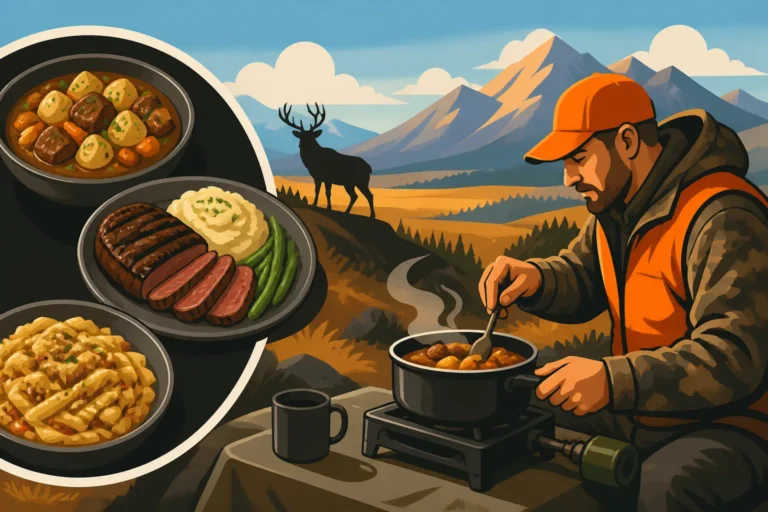
- It's a Hunting Camp, Not a Resort: A warm, dry place to sleep and a hot meal at the end of the day are often the peak of luxury in a remote hunting camp. Don't expect plush mattresses, fancy meals, or endless hot water. Pack accordingly, assuming you might be Physical Conditioning for a Mountain Hunt and need serious recovery. Your outfitter might serve amazing food, but it's typically hearty and functional, not gourmet dining. For a better idea, consider What Meals Look Like on a Guided Hunt might entail.
- Adaptability is Key: If you're mentally prepared to "rough it" a bit, any pleasant surprises will be genuinely appreciated. If you go in expecting resort-level amenities in a wall tent, you're setting yourself up for disappointment. Even in lodges, amenities might be simpler than what you're used to at home.
- Research with Brands: This is where platforms like GoHunt and BookYourHunt really shine. They often feature detailed outfitter profiles, client testimonials, and even photos of camps. Use these resources to get a visual and descriptive sense of the accommodations before you commit. Reading reviews from past clients can give you an unfiltered look at the actual camp conditions.
What to Ask Your Outfitter About Lodging
Clear communication is your best friend when booking a hunt. Don't be afraid to ask specific questions about lodging. Reputable outfitters will be transparent and happy to answer them. These questions should be part of your broader inquiry, as detailed in Questions Worth Asking Before You Book.
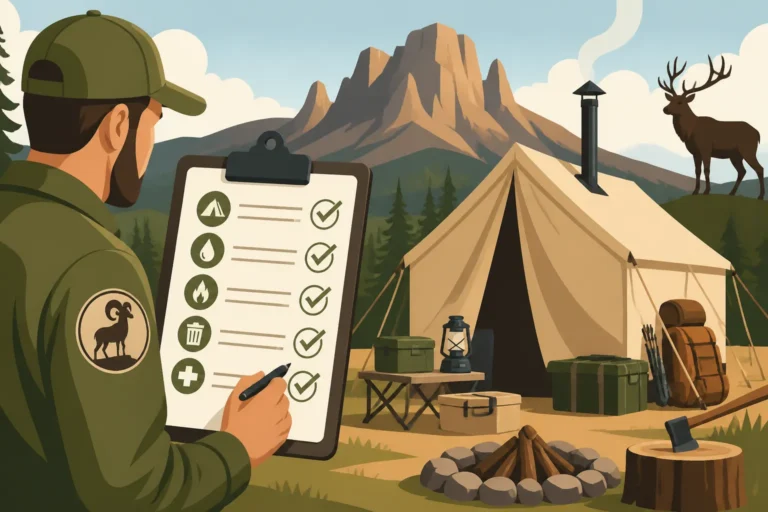
Here’s a checklist of questions you should consider:
- What type of lodging will we be using? (Tent, cabin, lodge, combination?)
- What are the sleeping arrangements? (Private room, shared room, cots in a wall tent?)
- What kind of heating is available? (Wood stove, propane heater, central heating?)
- Is there running water and flush toilets? (If not, describe the bathing and latrine facilities.)
- Is electricity or generator power available? (For charging devices, lighting?)
- Will there be cell service or other communication options? (Satellite phone, inReach? This is vital for safety, check Satellite Communication From a Hunting Camp.)
- What kind of food service is provided? (Cooked meals, self-serve, packed lunches?)
- What bedding and towels are provided, or do I need to bring my own?
- Are there any specific gear requirements for the camp environment? (Heavy-duty sleeping bag, camp shoes?)
By asking these questions, you ensure that your expectations align with what the outfitter provides, leading to a much more enjoyable and successful hunt.
Here’s a quick comparison of typical lodging types:
| Lodging Type | Location & Access | Typical Amenities | Comfort Level | Best For |
|---|---|---|---|---|
| Wilderness Spike Camp | Remote backcountry, horse/hike access only | Basic tent, cot, wood stove, limited water, latrine | Basic | Rugged hunters seeking deep wilderness access, immersive experience |
| Drop Camp | Remote backcountry, outfitter packs in, self-sufficient | Wall tent, cots, stove, sometimes cooking gear | Rustic | Experienced DIY hunters wanting remote access without packing in |
| Permanent Base Camp | Accessible backcountry, drive/ATV access | Wall tents or rustic cabins, communal dining, outhouse | Moderate | Hunters wanting a rustic experience with some amenities, group feel |
| Lodge/Ranch House | Private land or accessible public, road access | Private rooms, running water, flush toilets, hot showers, electricity, full meals | High | Hunters prioritizing comfort, less strenuous physical demands |
Ultimately, the "standards" of outfitter lodging in Wyoming are a blend of regulatory minimums for safety and the advertised experience. Your job as a hunter is to thoroughly research, ask probing questions, and understand that a true Western hunting adventure often comes with a certain level of ruggedness. Embrace it, prepare for it, and you'll have an unforgettable trip!
Disclaimer
This article is for general informational purposes only and does not constitute professional advice. Laws, prices and regulations vary by location and change over time. Consult a qualified professional for guidance on your specific situation.