Two-Hunter Calling Setups That Actually Work on Bulls
There's nothing quite like the sound of a bull elk bugle cutting through the crisp Wyoming air, and there are few things more frustrating than working a hot bull by yourself, only to have him hang up just out of bow range. That's a common scenario for solo hunters, but a two-hunter calling setup can dramatically increase your odds of luring those wary bulls closer. This guide will walk you through proven strategies for successful two-person elk calling in Wyoming, helping you turn those hang-ups into shot opportunities.
The Undeniable Advantages of a Two-Person Calling Team
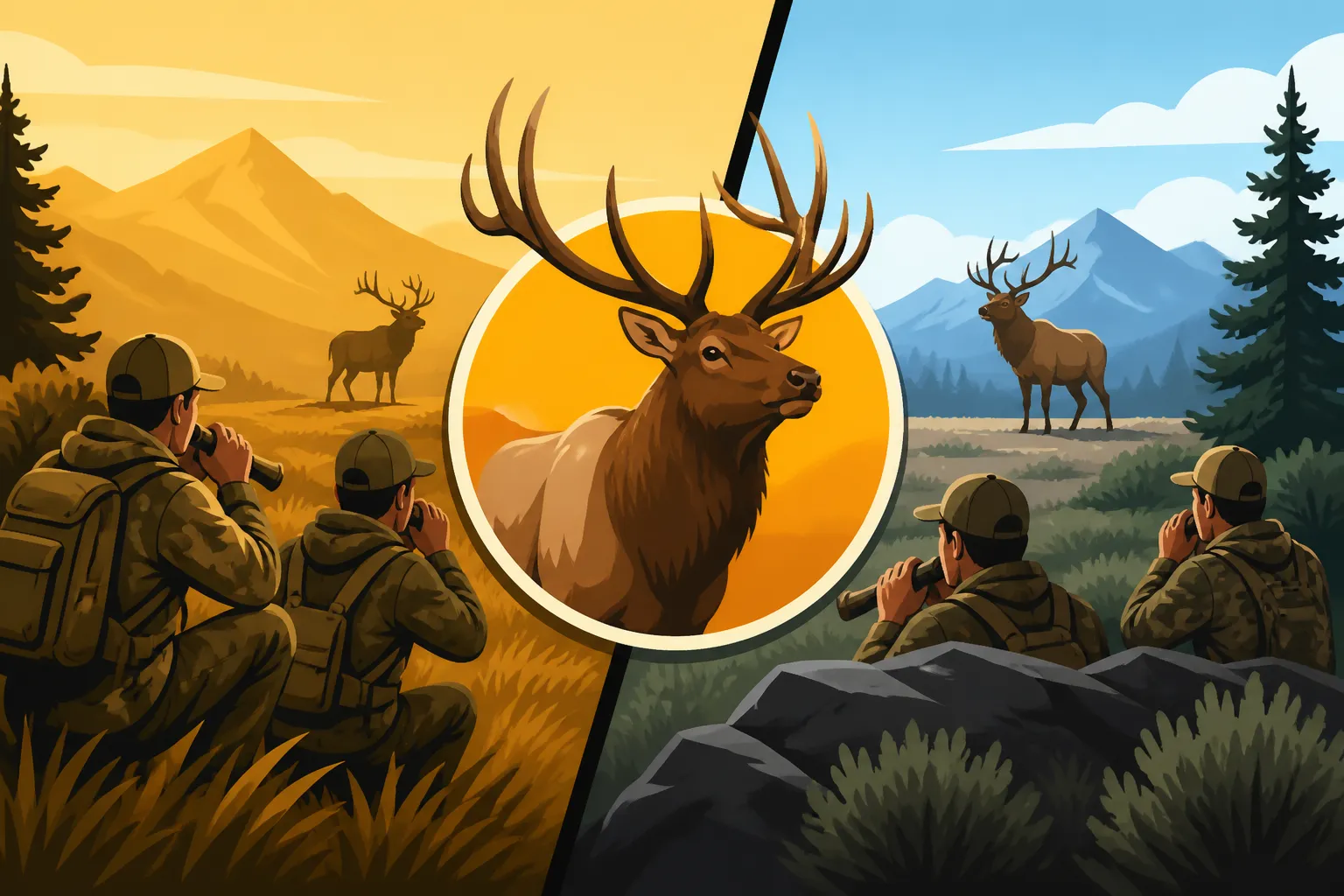
Hunting elk, especially during the rut, is often depicted as a solo endeavor in many stories, but the reality on the ground, particularly in challenging environments like Wyoming's vast public lands, is that a well-coordinated two-person team holds a significant advantage. It's not just about making more noise; it's about creating a dynamic, deceptive scenario that solo hunters simply can't replicate.
Why Two Callers Beat One
Imagine trying to convince a mature bull that a herd of elk is gathered in front of him when you're just one person, frantically switching between a cow call and a bugle. It's tough, and often unconvincing. With two hunters, you can create a far more realistic soundscape. One person can focus on subtle cow chirps and mews, mimicking a contented herd, while the other can interject with satellite bull bugles, herd bull challenges, or even the raking of a tree, all without missing a beat. This rich tapestry of sound paints a vivid picture for the approaching bull, drawing him in with the illusion of competition and opportunity. It also allows for a greater volume and variety of calls, which can be crucial when trying to get a response from a bull on heavily pressured public land. The ability to create dynamic call and response patterns, mimicking a natural social interaction, makes your setup much more compelling than a single, static caller.
Separating Caller and Shooter for Better Shots
This is arguably the most significant tactical advantage of a two-hunter setup. When you're calling solo, you're forced to be both the attractive nuisance and the one trying to get a shot. The bull's laser focus will be on the source of the calls, which puts him directly looking at you. This makes drawing a bow or settling a rifle scope incredibly difficult without being busted. With a dedicated caller and a dedicated shooter, you can separate these roles. The caller positions themselves slightly behind and to the side of the shooter, drawing the bull's attention away from the shooting lane. This allows the shooter to remain still, undetected, and focused solely on making a clean shot when the bull commits. It's a game-changer, especially for archery hunting where How Close a Bowhunter Really Needs to Get is paramount, often demanding precise movements at the last second. The bull often funnels directly towards the sound, exposing vitals to the shooter who has wisely positioned themselves slightly off-axis from the primary source of the sound.
Adapting to the Bull's Approach
Elk, especially old, wise bulls, rarely walk in on a string exactly as you expect them to. They circle, they scent check, they pause, they try to get downwind. A two-person team is far more adaptable to these common elk behaviors. If a bull starts to circle downwind, the caller can subtly shift their position or alter their calling to keep the bull's attention, or even mimic a departing cow to pull him back. Meanwhile, the shooter can adjust their stance or seek new cover without drawing attention. This fluid adaptability means you're not locked into a static position, increasing your chances of maintaining the tactical advantage. You can also react to a bull that hangs up, perhaps by having the caller move slightly away, pretending to be a cow leaving the scene, often triggering the bull to commit. Utilizing mapping tools like those found on GoHunt can be incredibly helpful during pre-scouting to identify multiple potential approach routes and setup positions, allowing your team to plan for these adaptive maneuvers before the hunt even begins.
Essential Gear and Communication for Duo Calling
Success with a two-hunter calling setup hinges not just on strategy, but on meticulous preparation and flawless communication in the field. This isn't a casual stroll in the woods; it's a coordinated tactical operation that requires understanding your gear and each other.
Choosing the Right Calls and Calling Sequences
Every elk hunter has their preferred calls, and in a two-person team, variety is your friend. It's beneficial for one caller to specialize in cow and calf sounds, focusing on realistic mews, chirps, and estrous calls that convey a sense of contentment or allure. The other caller can then primarily handle bugles – anything from soft grunts to aggressive challenge bugles, and even the subtle sounds of raking branches with an antler or stick. Diaphragm calls are fantastic for their hands-free operation and versatility, allowing for seamless transitions between sounds. For cow calls, a good open-reed call can add a different tone. When it comes to sequencing, think about building a narrative: start with soft cow talk to pique interest, then maybe a locator bugle or a subtle grunt. Once a bull responds, you can escalate or de-escalate based on his aggression. Remember, the goal is to sound like a small herd, not a cacophony. Practice your sequences together, understanding who makes what sound and when, to create a believable symphony of elk. Knowing Bugle and Cow Call Timing Through the Rut is critical to making your calling sequences sound authentic and enticing.
Non-Verbal Communication and Hand Signals
In the heat of the moment, shouting across the sagebrush isn't an option. Effective non-verbal communication is paramount. Before you ever hit the field, establish a clear set of hand signals and silent cues. Simple signals for "stop," "slow down," "bull coming," "shoot," "wait," or "which way?" can save your hunt. For example, a raised fist might mean "stop," an open palm facing forward could mean "slowly," and tapping your ear might signal "listen closely." Discuss things like the direction of the bull's approach, how far out he sounds, and his perceived aggression. You might have a specific signal for the shooter to prepare for a shot, or for the caller to ease up on the volume. Having a predetermined plan for how you’ll communicate without making a sound ensures that you can adjust on the fly without alerting a wary bull. This silent language needs to be rehearsed, becoming second nature, so it flows effortlessly when the adrenaline is pumping.
Safety First: Field of Fire and Awareness
Hunting with another person, especially with bows or firearms, means an increased responsibility for safety. Before you set up for a call, both hunters must clearly understand each other's field of fire. The shooter needs to know where the caller is at all times, and the caller needs to be aware of where the shooter is aiming and what's behind the target. Never, under any circumstances, allow the caller to be in front of the shooter. The caller should always be positioned behind and slightly to the side, ensuring they are out of the shooter's line of sight to the approaching animal. This isn't just about the shot itself, but also about the potential for ricochets or a bull charging past the shooter. Wear blaze orange if required for rifle seasons, even if primarily archery hunting, especially in dense timber. Constant situational awareness of your partner's position, the bull's location, and the terrain around you is non-negotiable. Familiarize yourselves with the legal requirements for Blaze Orange Rules While Decoying in Wyoming to ensure you're always compliant and visible to other hunters, even if the regulations for elk don't always demand it.
Proven Two-Hunter Calling Strategies for Wyoming Elk
With your gear sorted and communication locked down, it's time to dive into the tactical setups that can make all the difference when a bull starts to respond. The key is to understand how a bull will typically react to calls and use your two-person team to exploit that behavior.
The "Caller Behind the Shooter" Setup
This is perhaps the most common and often most effective two-hunter setup, especially in open to moderately timbered country found across much of Wyoming. The concept is simple: the shooter positions themselves in a good shooting lane, often kneeling or behind some natural cover, facing the anticipated direction of the bull's approach. The caller then sets up 20-40 yards directly behind the shooter, perhaps slightly to one side, using their own cover. The caller makes the primary sounds, drawing the bull's attention past the shooter. As the bull comes in, his focus will be on the sounds coming from behind the shooter. This allows the shooter to remain undetected, draw their bow, or raise their rifle as the bull passes or commits, presenting a broadside or quartering-away shot.
Let's imagine you're hunting a ridge line overlooking a draws in the Bighorn National Forest. You've located a bull with a locator bugle, and he's heading your way. The shooter (let's call them Alex) finds a small stand of pines, offering a clear view down the draw. The caller (Beth) then backs up 30 yards, finding a thicker patch of timber. Beth starts with soft cow mews. The bull responds, closing the distance. Beth then adds a subtle grunt. The bull is looking right at Beth's position, completely unaware of Alex. Alex has plenty of time to get ready, ensuring a calm shot. This setup works beautifully for both archery and rifle hunting, as it naturally funnels the animal past the shooter. Remember to consider the wind and place the caller slightly upwind if possible, making the bull approach into the wind towards the caller, thereby putting the shooter even further out of his detection zone.
The "Flanking Caller" or "Circle" Strategy
This strategy is a bit more advanced but incredibly potent, especially for bulls that are call-shy or tend to hang up just out of range. It involves one hunter (the primary caller) staying put, drawing the bull's attention, while the second hunter (the shooter, who may also make some quiet cow calls) attempts to circle and get into a shooting position on the bull's flank. This works best when you have a good understanding of the Terrain That Hides an Approach, such as draws, ridges, or thick timber.
Consider a scenario in the sagebrush flats of Carbon County, where a bull is bugling back but refusing to commit closer than 200 yards. The primary caller (Chris) stays in place, continuing to bugle and cow call, keeping the bull engaged. The shooter (Dave) then uses the topography – perhaps a dry wash or a low ridge – to circle around, trying to get downwind and into a position where he can intercept the bull. Dave might make very soft cow mews as he moves, giving the impression that a cow is circling to check the bull. The bull's attention is torn between the loud calls from Chris and the softer, closer sounds from Dave. This can frustrate the bull into moving, or simply draw his attention just enough for Dave to close the distance for a shot. This tactic requires excellent communication and a precise understanding of the wind. Using a GPS mapping app like GoHunt on your phone to track each other's positions and navigate the terrain silently is invaluable here.
Adapting to Different Terrain and Bull Personalities
No two elk encounters are exactly alike, and successful duo calling demands flexibility. In thick timber, where visibility is limited, the "caller behind the shooter" distance might need to shrink to 10-15 yards to ensure safety and maintain communication. In wide-open basins, the caller might need to be further back (50-70 yards) to allow the shooter to remain completely concealed while the bull covers significant ground.
Furthermore, bulls have personalities. Some are aggressive and will charge in at the first challenge, while others are more cautious and require subtle coaxing. You'll need to develop a shared understanding of how to read the bull's intent. If he's screaming back and raking trees, an aggressive challenge from the caller might be appropriate. If he's quietly approaching, only responding with soft grunts, subtle cow calls might be more effective. Sometimes, the best strategy is to become quiet, letting the bull's curiosity get the better of him. This is often the case when you're Calling Elk on Pressured Wyoming Public Land, where bulls have heard every trick in the book. A well-placed pause, especially with two hunters in position, can sometimes be the most compelling call of all.
Here’s a quick overview of these setups:
| Setup Type | Description | Ideal Scenario | Pros | Cons |
|---|---|---|---|---|
| Caller Behind Shooter | Caller 20-40 yards behind shooter, drawing attention past the shooting lane. | Moderate timber, mixed terrain, straightforward approaches. | Simple, highly effective, draws bull's focus away from shooter. | Requires careful backstop awareness for caller; less adaptable if bull circles widely. |
| Flanking/Circle Caller | Primary caller holds bull's attention while shooter circles downwind to an intercept position. | Open country, call-shy bulls, bulls hanging up, good cover for movement. | Extremely effective for wary bulls; allows for aggressive positioning. | Requires excellent silent communication, map reading, and understanding of wind direction. Can be slow. |
Fine-Tuning Your Duo Calling for Success
Getting a bull to respond is one thing; getting him into range for a clean shot is another. This requires a nuanced approach, understanding the subtle cues the bull gives, and consistent practice with your partner.
Reading the Bull's Intent and Adjusting Calls
Elk communicate a lot through their vocalizations and body language. An aggressive, roaring bugle with chuckles often means a bull is coming in hot, ready to fight. In this scenario, your caller might need to match his intensity, perhaps with a challenge bugle followed by aggressive raking sounds, while the shooter remains stone still. On the other hand, a soft, searching bugle, or a cow call answered by a distant grunt, might indicate a more cautious bull. Here, the caller should switch to softer, more seductive cow mews and chirps, slowly drawing him in without spooking him.
Pay attention to more than just sound. Is the bull raking trees? He’s likely showing dominance and is committed. Is he circling downwind and going silent? He’s scent-checking, and the shooter needs to be ready for him to appear, while the caller might offer soft calls to keep him interested but not alert him to their exact position. This ability to instantly read the situation and adjust your calling strategy as a team is developed through experience, but also through conscious effort and discussion during practice sessions. This adaptability is key to success when you are trying to bring in bulls, whether it's by understanding How to Bugle a Wyoming Bull Into Bow Range or by simply using quiet cow calls.
Practice Makes Perfect: Rehearsing Scenarios
You wouldn't expect a championship football team to perform flawlessly without practice, and the same goes for a two-person elk calling team. Before you even step foot in a Wyoming elk unit, spend time together practicing your calling sequences and your non-verbal communication. Practice in different environments if possible – open fields, sparse timber, dense woods – to simulate real-world conditions. Rehearse various scenarios: what happens if the bull comes in silent? What if he circles hard downwind? What if he charges?
This isn't just about making sounds; it's about movement, positioning, and silent communication. Practice the shooter drawing their bow or raising their rifle while the caller is actively calling. Work on hand signals for specific situations. The more you practice, the more intuitive your partnership will become, turning two individuals into a seamless, highly effective hunting unit. Consider mapping tools like GoHunt during your practice sessions to visualize terrain and movement patterns, further enhancing your strategic planning for real-world scenarios.
When to Push and When to Back Off
One of the hardest lessons in elk hunting is knowing when to push a bull and when to back off. An overly aggressive calling sequence on a shy bull can send him running. Too little enthusiasm on an aggressive bull might make him lose interest. With two hunters, you have more options. If a bull is hanging up, perhaps the caller can slowly move away, mimicking a departing cow, while the shooter remains ready. This "disappearing cow" trick often makes a hesitant bull think he's losing an opportunity and causes him to commit.
Conversely, if a bull is coming in hot and fast, and you're worried he might bust you, sometimes going completely silent is the best move. Let his curiosity bring him the last few yards. Knowing when to put on the gas and when to hit the brakes is an art, not a science, but having a partner to discuss and decide with in real-time gives you a significant advantage over a solo hunter. This collaborative decision-making, understanding when to escalate the calls or go silent, often depends on subtle cues, much like reading Fresh Elk Sign in Dark Timber might tell you where a bull is heading.
Ultimately, hunting Wyoming elk with a partner using these calling strategies isn't just about bagging an animal; it's about the shared experience, the intense teamwork, and the satisfaction of working together to outsmart one of the most magnificent game animals on the continent. Good luck out there, and remember, stay safe and have fun!
Disclaimer
Please be aware that hunting regulations, seasons, and requirements can change. Always consult the latest Wyoming Game and Fish Department regulations before planning or undertaking any hunting activity. This guide provides general information and should not be considered a substitute for official legal guidance or professional instruction.