Wyoming Antelope Archery Opens Before Rifle
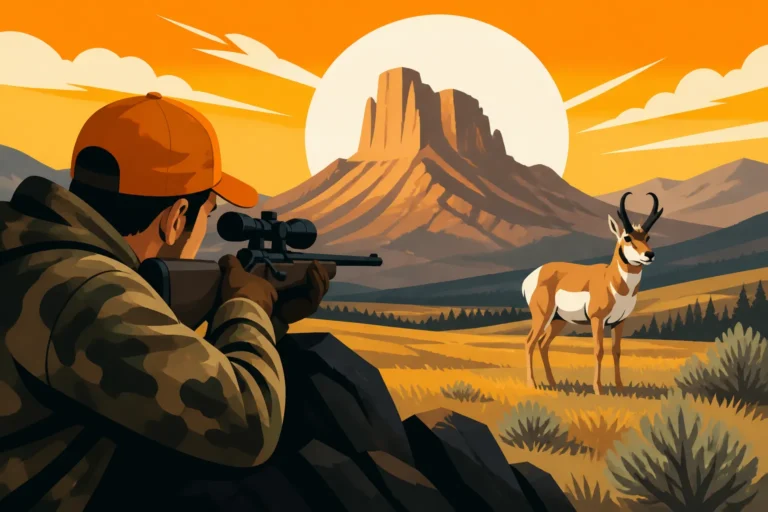
There's nothing quite like the anticipation of a Wyoming antelope hunt, but for many bowhunters, the standard rifle seasons can feel a little too late, or worse, too crowded. That burning desire to get out there earlier, to challenge yourself with a bow before the plains fill up with rifle hunters, is a very real frustration. This comprehensive guide is here to unravel the specifics of why Wyoming’s antelope archery season kicks off before rifle season, what it means for you, and how to make the most of this unique opportunity.
Understanding Wyoming's Antelope Season Structure
Wyoming's approach to hunting seasons, especially for antelope, is designed to offer a variety of experiences while managing herd populations effectively. The early archery season isn't just a happy accident; it's a deliberate choice rooted in wildlife management principles and the inherent challenges of bowhunting.
The Rationale Behind Archery-First Seasons
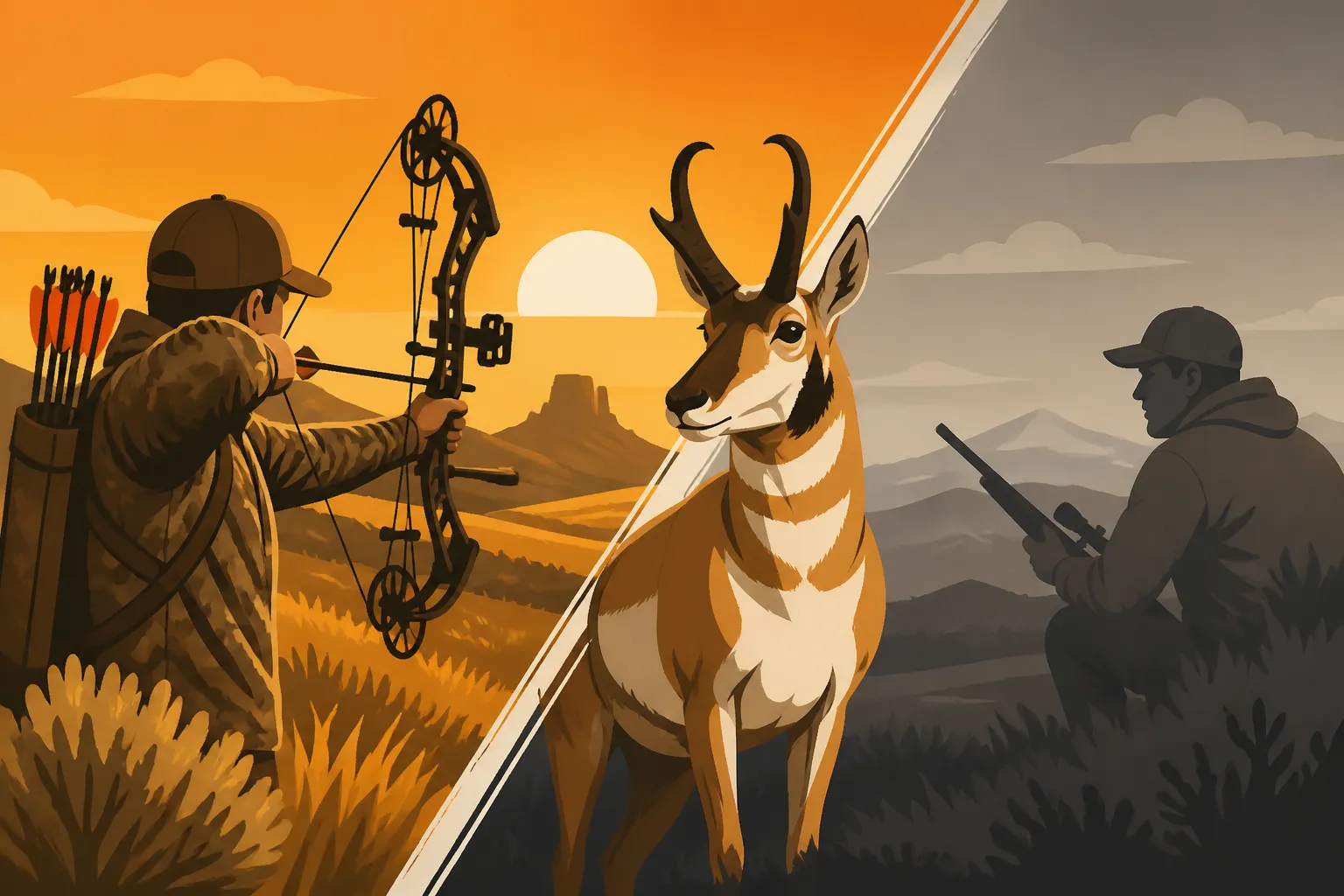
The primary reason Wyoming opens its antelope archery season ahead of the general rifle season is to provide a unique opportunity for archers while minimizing conflict and maximizing success rates for both groups of hunters. Let's be honest, bowhunting for antelope on Wyoming's vast, open sagebrush plains is incredibly challenging. Antelope have some of the keenest eyesight in the animal kingdom, often compared to an 8x binocular, and they are notoriously skittish.
An early archery season gives bowhunters a chance to pursue these animals when they are generally less pressured. The antelope haven't yet been educated by weeks of vehicle traffic and hunting activity. This earlier window allows archers to capitalize on predictable summer patterns, like congregating around water sources or feeding in specific areas, before the landscape becomes a much busier place. It's a way to give archers a fair shake at an animal that requires extreme stealth, patience, and often, specialized tactics. Without this head start, many archers would find it almost impossible to get within their effective bow range once the rifle season commences and the antelope become even warier. It's a testament to the state's recognition of the unique demands and spirit of archery hunting.
General vs. Limited Quota Antelope Licenses and Archery
When it comes to antelope licenses in Wyoming, you'll encounter two main types: general and limited quota. Understanding the difference is crucial for any hunter, especially bowhunters eyeing that early season.
General Licenses: These are typically available in certain hunt areas, and while they don't require you to draw a specific hunt area, they are usually "limited" in number or have certain restrictions. If you purchase a general license, you'll generally find that the archery season dates apply across the board for that license type within its designated areas. However, for antelope, most of Wyoming's units are limited quota.
Limited Quota Licenses: This is where the majority of Wyoming's antelope hunting happens. These licenses are specific to particular hunt areas (e.g., Area 78, Area 87) and are allocated through a draw system. For these limited quota tags, the archery season dates are clearly outlined within the hunt area regulations. Crucially, in Wyoming, if you draw a limited quota antelope license for a specific hunt area, that license is typically valid for both the archery and rifle seasons within that area. There aren't usually separate "archery-only" tags for antelope, unlike some other states or species. Your drawn tag simply allows you to hunt during the archery portion of the season with archery equipment, and then transition to rifle if you choose, once that season opens for your specific area.
This means if you're holding a coveted limited quota antelope tag, you get the benefit of that earlier archery opener. However, it's vital to meticulously check the specific regulations for your drawn hunt area, as opening and closing dates can vary considerably from one area to another. Don't assume anything – always verify your dates in the official Wyoming Game and Fish Department regulations.
Key Dates and Deadlines for Antelope Archery
The early archery season for antelope is one of the most exciting times to be in the field in Wyoming. Knowing exactly when to be ready and when the seasons transition is paramount for success.
When Antelope Archery Season Typically Opens
For most of Wyoming's antelope hunt areas, the archery season reliably opens in the middle of August. While specific dates can shift slightly year to year based on the Wyoming Game and Fish Department's regulation setting process, you can generally mark your calendar for around August 15th. This mid-August start gives archers a solid two to three weeks, sometimes even more, of archery-only hunting before the first rifle seasons typically open in late September or early October.
This early window is golden. The weather can still be warm, so hydration is key, but the antelope are often in predictable summer patterns. They're regularly visiting water sources, especially during hot, dry stretches, and they're focused on feeding and establishing their territories. This early season also predates the full intensity of the rut, which means bucks are often a bit more focused on routine than on chasing does, making them potentially more approachable for a skilled archer. It's truly a special time to pursue a trophy buck, or even just a general harvest tag, with a bow, enjoying the vast expanses of Wyoming before the landscape feels truly "hunted." Always, always double-check the current year's regulations for the precise opening date of your specific hunt area, as even a day or two can make all the difference.
The Overlap: Archery and Rifle Seasons Running Together
One common point of confusion for hunters is what happens when the rifle season opens while archery season is still active. In Wyoming, once the general rifle season opens in a specific hunt area, archers holding a valid tag for that area can continue to hunt with their bow, but with an important caveat: blaze orange requirements kick in.
This means that if you're bowhunting on, say, October 1st, and the rifle season for your antelope unit started on September 25th, you are now required to wear blaze orange. This is a critical safety measure, ensuring that all hunters in the field, regardless of their chosen weapon, are highly visible to one another. The regulations typically specify a certain amount of blaze orange to be worn on the head and torso. For instance, it might require one exterior garment of fluorescent orange (blaze orange) and a fluorescent orange hat.
So, while your archery equipment remains legal, your attire changes. This overlap period can be both challenging and rewarding. On one hand, the increased presence of rifle hunters can make antelope even more wary and push them into thicker cover or onto private lands. On the other hand, it means you have an extended opportunity to fill your tag, using your bow if you prefer, even as other hunters are using firearms. Many archers choose to hunt only during the archery-only window to avoid the added pressure, but the option to continue into the overlap period is there, as long as you adhere to all safety regulations, particularly concerning blaze orange. Remember, safety first!
| Feature | Antelope Archery Season | Antelope Rifle Season |
|---|---|---|
| Typical Start Date | Mid-August | Late September/Early October |
| Season Length | Archery-only window (2-3 weeks), then overlaps with rifle | Varies by hunt area, typically 2-4 weeks |
| Weapon | Vertical bow (compound, recurve, longbow) or crossbow (with disability permit) | Centerfire rifle, shotgun (limited), handgun, muzzleloader |
| Pace of Hunt | Slower, more strategic, requires extreme stealth and patience | Faster, covers more ground, longer shooting distances |
| Hunter Pressure | Generally lower during archery-only window | Higher once rifle season opens |
| Blaze Orange | Not required during archery-only window | Required once rifle season opens (including archers in overlap) |
| Average Shot Range | 20-60 yards | 100-400+ yards |
| Challenge Level | Very High | Moderate to High |
| Best Tactics | Stalking, decoys, ground blinds at waterholes | Spot and stalk, long-range shooting |
Gear and Preparation for an Archery Antelope Hunt
Successfully taking an antelope with a bow is a monumental feat, and it hinges almost entirely on your gear and how well you prepare. This isn't a casual hunt; it requires precision, durability, and a deep understanding of your equipment.
Bow and Broadhead Requirements for Wyoming Antelope
When you're gearing up for a Wyoming antelope hunt with a bow, understanding the legal requirements is the first step. Wyoming has specific regulations to ensure ethical and humane harvests, and these apply directly to your setup.
First, let's talk about draw weight. For deer, antelope, and sheep, Wyoming sets a minimum draw weight of 40 pounds. This is a crucial threshold to meet, not just for legality, but for ensuring sufficient kinetic energy and momentum to pass through an antelope and make a quick, clean kill. While 40 pounds is the minimum, most experienced hunters will tell you that more is better, especially for the flatter trajectories and deeper penetration needed for an animal as tough as an antelope. You can learn more about the specifics in guides like Wyoming's 40-Pound Minimum for Deer, Antelope and Sheep. It’s about more than just pulling the bow back; it's about delivering enough power at typical hunting distances.
Next, broadheads. This is where a lot of debate and personal preference comes into play, but again, legal minimums must be met. Wyoming requires broadheads to have a minimum cutting width of 7/8 inches. This means if you're using an expandable broadhead, it needs to open up to at least that width. Fixed blade broadheads must also meet this minimum. It’s important to inspect your broadheads carefully, and if you’re unsure, a simple 7/8-inch ring test can quickly tell you if your chosen head passes muster. Understanding the implications of various designs is crucial, as some broadheads might fail Broadheads That Fail the 7/8-Inch Ring Test. Personally, I prefer a quality fixed-blade broadhead for antelope, as they offer reliability and excellent penetration, especially if you happen to hit bone. However, many hunters find great success with well-designed expandable heads, provided they meet the cutting diameter and are known for reliable deployment. Whichever you choose, ensure they are razor-sharp and tuned perfectly with your arrows. Practice with your chosen broadheads before the hunt; they can fly differently than field points!
Camouflage, Decoys, and Optics for Open Country
The open country of Wyoming means you're almost always exposed, making camouflage and optics incredibly important. Your clothing isn't just about blending in; it's about breaking up your outline against the expansive backdrop.
When it comes to camouflage, patterns that mimic the sagebrush, dry grasses, and rocky terrain are ideal. Brands like Sitka, KUIU, and Kryptek offer patterns specifically designed for western landscapes. Don't underestimate the power of simply breaking up your silhouette. A good set of camo, combined with slow, deliberate movement (or no movement at all), is your first line of defense against an antelope's incredible vision.
Decoys are an antelope bowhunter's best friend. There are two main types: stalking decoys and ground blind decoys. Stalking decoys, often shaped like a pronghorn buck, allow you to literally "walk" behind them, slowly closing the distance on unsuspecting antelope. They exploit the antelope's curiosity and territorial nature. These work best with a partner, where one person holds the decoy and the other prepares for the shot. Ground blind decoys, on the other hand, are set up in conjunction with a blind, typically near a waterhole or travel corridor. The decoy serves to draw antelope into range while you remain hidden. Learning The Decoy Distance That Actually Pulls Antelope Bucks is crucial; too close, and they might spook; too far, and they might not commit.
Optics are non-negotiable. You’ll be spending a lot of time glassing vast areas. High-quality binoculars (10×42 or 12×50 are popular choices) are essential for scanning the landscape and locating animals from a distance. Even more crucial is a spotting scope (15-45x or 20-60x range) on a sturdy tripod. This allows you to scrutinize bucks from miles away, evaluating their size, judging their horns, and planning your stalk without disturbing them. Good glass reduces wasted effort and prevents you from putting pressure on animals that aren't what you're looking for. A dedicated guide to Optics Power for Wyoming's Long Sightlines can provide even deeper insights into selecting the right glass for these open country hunts. You'll be using your binos and spotting scope constantly, from sunup to sundown, so invest in the best you can afford.
Strategies for Archery Antelope Hunting
Antelope hunting with a bow is often considered one of the toughest bowhunting challenges in North America. It demands a unique set of skills and a deep understanding of pronghorn behavior. Forget everything you know about still-hunting timber for deer; this is a completely different game.
Stalking and Using Terrain to Your Advantage
Stalking antelope in the vast, open plains of Wyoming is less like hunting and more like a tactical military operation. Their legendary eyesight means you simply cannot walk directly at them and expect to get close. The key is to use every single fold, dip, and rise in the terrain to your advantage. Even a small sagebrush bush or a subtle cutbank can provide enough cover to break up your outline and hide your approach.
Your goal is to become intimately familiar with the topography of your hunt area. Spend time glassing from elevated positions, not just to spot antelope, but to identify potential stalking routes. Look for draws, dry creek beds, eroded washouts, or even just subtle depressions in the land that will allow you to stay out of sight. Once you spot an animal you want to pursue, the first step is to plan your route meticulously. This often means taking a circuitous path, sometimes adding miles to your approach, just to stay concealed. Crawling on your hands and knees, or even on your belly, is a common tactic, especially for the last few hundred yards. Stalking Pronghorn Across Wyoming's Open Sagebrush is an art form that requires patience, physical endurance, and a willingness to get dirty.
Wind direction is your absolute best friend or your worst enemy. Antelope have an incredible sense of smell, and in the wide-open country, the wind carries your scent for miles. Always, always approach from downwind. This means if the wind shifts, your stalk might be blown, or you might have to adjust your entire approach. Learning how to read the wind on an open-country stalk, and understanding how thermals work, especially early in the morning or late in the evening, is absolutely critical. A guide like Playing Wind Direction on an Open Sagebrush Stalk can give you invaluable tips on this. Sometimes, those natural features like Using Cutbanks and Draws to Close on Antelope can also help funnel your scent away or provide a temporary barrier. Never compromise on wind; it's the fastest way to blow a stalk on a wary pronghorn.
Decoying and Blind Hunting Tactics
When stalking becomes impossible due to flat terrain or a lack of cover, or if you simply prefer a more static approach, decoying and blind hunting are powerful alternatives for archery antelope.
Decoying works on the antelope's innate curiosity and territorial nature, especially with bucks. The idea is to present a non-threatening (or even challenging, in the case of a buck decoy) visual that draws the animal closer. This tactic is often most effective during the pre-rut and early rut phases, when bucks are establishing dominance and guarding their harems. There are two main ways to deploy decoys:
Stalking Decoy (or "Pronghorn Fan"): This typically involves a life-sized silhouette of an antelope buck or doe mounted on a stick or held by a partner. The hunter hides directly behind it, slowly advancing on an antelope. The antelope often perceives the decoy as another animal moving on the horizon and, driven by curiosity or territorial aggression, will often approach to investigate. This can be a high-adrenaline method, but it requires perfect timing, wind awareness, and a fast shot once the animal is in range.
Fixed Decoy with a Blind: This involves setting up a ground blind, often near a known water source, pinch point, or feeding area, and then placing an antelope decoy (often a doe) out in front of it. The decoy serves to draw attention away from the blind and entice curious antelope to come within bow range. This is especially effective during hot, dry periods when antelope are consistently hitting waterholes. A crucial aspect is knowing The Decoy Distance That Actually Pulls Antelope Bucks – placing it too far might not draw them in, too close and they might spot the blind or become suspicious.
Blind Hunting Without Decoys: Beyond decoys, simply hunting from a ground blind can be incredibly effective, particularly when targeting water sources. Antelope need to drink, especially in Wyoming's arid environment. Identifying active waterholes and setting up a comfortable, well-camouflaged ground blind downwind of their approach can offer consistent opportunities. You might be surprised how many animals visit a waterhole throughout the day, including that trophy buck you've been after. This is a game of patience, but for some, it's the most reliable way to get an archery shot. Think about Sitting a Waterhole Blind for Pronghorn Antelope for hours on end, waiting for that perfect moment.
Understanding Antelope Behavior During Early Season
Successfully hunting antelope with a bow, especially during the early archery season, requires more than just good gear and a solid plan; it demands a deep understanding of their behavior. Antelope are creatures of habit, but those habits can shift as the season progresses.
During the mid-August to early September archery-only window, antelope are generally in their summer patterns. This means they are often focused on prime feeding areas and, critically, water sources. In Wyoming's typically dry landscape, water is gold, and antelope will visit reliable waterholes, sometimes multiple times a day, especially during the hottest parts of the day. Identifying these crucial water points through scouting or E-scouting can lead to prime ambush opportunities from a ground blind. Early season bucks might be in bachelor groups, or they might already be starting to establish territories, making them curious and sometimes aggressive towards decoys.
As the season progresses into late September and October, the antelope rut begins to kick into high gear. This is when bucks become far more active, chasing does, fighting with rival bucks, and generally being less predictable in their movements. The peak of the rut varies by region and even by year, but it's generally when you'll see the most activity. Knowing When Pronghorn Bucks Go Into Rut is key because it influences your tactics. While the rut can make bucks more visible and aggressive (great for decoying!), it also makes them incredibly erratic, covering huge distances as they herd does. This increased movement can make stalking even harder, but it also creates more opportunities if you can intercept them. Post-rut, typically later in the rifle season, antelope begin to focus heavily on feeding to put on weight for winter, and bachelor groups might reform. Their behavior is a dynamic puzzle, and the more you understand the current piece, the better your chances of success.
Drawing an Antelope Archery Tag in Wyoming
Getting a coveted Wyoming antelope tag for the early archery season often means navigating the state's draw system. While there are a few general licenses, most of the prime units are limited quota, making the application process crucial.
Application Deadlines and Preference Points
Wyoming's application system can feel a bit like a maze, especially if you're a nonresident. For antelope, the application deadline is typically June 1st. This is a hard deadline, and missing it means you're out of luck for the primary draw that year. So, mark your calendars early! It's worth noting that the Wyoming Deer and Antelope Applications Close June 1 simultaneously, so if you're planning a combo hunt, keep both in mind.
Now, about preference points. These are a critical component of Wyoming's draw system, designed to give applicants with more loyalty (i.e., those who have applied unsuccessfully for several years) a better chance at drawing a tag. For antelope, you earn a preference point each year you apply for a limited quota tag and are unsuccessful. You can also purchase a preference point directly during a specific "point-only" period (typically July through November) without applying for a tag, which is a great strategy if you know you can't hunt one year but want to build your points for the future.
These points accumulate, and the more points you have, the better your odds of drawing a tag in the more desirable, harder-to-draw units. For instance, some premium antelope units might require 5, 8, or even more preference points for a nonresident to draw. Understanding Wyoming Antelope Preference Point Price Explained can help you budget and plan your application strategy over several years. It's a long game for the best units, but worth it if you're after a truly exceptional experience.
Researching Hunt Areas and Draw Odds
The sheer number of antelope hunt areas in Wyoming can be overwhelming, making thorough research indispensable for a successful draw strategy. You need to identify units that align with your hunting goals, whether that's a high-odds "any antelope" tag or a challenging pursuit of a trophy buck.
One of the best ways to start is by diving into the Wyoming Game and Fish Department's harvest statistics and draw odds reports. These public resources show how many points it took to draw a tag in a given unit in previous years, as well as hunter success rates. You can see how Wyoming Antelope Odds With Zero Preference Points stack up against units requiring several points. This data is gold for gauging the difficulty of drawing a specific unit.
Beyond the official reports, many third-party services and online platforms specialize in breaking down western draw odds. GoHunt, for example, is an excellent resource that provides detailed draw odds, unit profiles, and filtering tools to help you identify units that match your point level and desired trophy quality. Their data science team meticulously crunches the numbers, offering insights that can greatly inform your application strategy. They can show you not just the odds, but also the percentage of public land, trophy potential, and access challenges for each unit.
When researching, also consider public land access. Some units might have fantastic antelope populations but are predominantly private land, making access difficult without an outfitter or landowner permission. Conversely, units with abundant BLM or National Grassland access, while potentially requiring more points, offer fantastic DIY opportunities. Don't forget to look at the Wyoming's Four Application Deadlines, February Through June to ensure you're applying in the correct window for your chosen species. It’s a process that requires time and careful consideration, but the reward of a drawn tag is well worth the effort.
Essential Regulations Beyond Just Season Dates
Hunting in Wyoming, like any state, comes with a set of rules that extend far beyond just knowing when the season opens and closes. These regulations are designed for safety, ethical hunting, and wildlife conservation.
Blaze Orange and Hunter Education Requirements
Safety is paramount in the field, and Wyoming has clear guidelines to ensure hunters can identify each other, especially when seasons overlap. For archery antelope hunters, the blaze orange rule is a critical one to remember.
During the archery-only portion of the season (typically mid-August through late September), hunters are generally not required to wear blaze orange. This allows archers to maximize their camouflage, which is essential for getting within bow range of keen-eyed antelope. However, as soon as any rifle season opens in your hunt area, even if you are still hunting with a bow, the blaze orange requirement kicks in. This typically means wearing at least one exterior garment (like a vest or jacket) of fluorescent orange and a fluorescent orange hat. This ensures maximum visibility to all hunters in the field, reducing the risk of accidents. It’s a smart practice, and understanding Blaze Orange Rules While Decoying in Wyoming is particularly important if you plan to use decoys in an overlap period. Your safety and the safety of others depend on it.
Hunter education is another non-negotiable requirement for many hunters in Wyoming. Anyone born on or after January 1, 1966, must possess a valid hunter education certificate to hunt in Wyoming. This applies to both residents and nonresidents. There are very few exceptions, such as those hunting on their own private land or under a mentored hunt program with a certified adult. If you fall into this category, completing a hunter education course is a fundamental step before you even think about applying for a tag. You can find more details in guides like Anyone Born After 1965 Needs Wyoming Hunter Education. Online courses are available, often followed by a field day, making it accessible for many. Always carry proof of your hunter education with you in the field, as game wardens can and will ask to see it.
Tagging, Transport, and Wanton Waste
Once you've successfully harvested an antelope, the job isn't quite done. Wyoming has strict regulations regarding the tagging, transport, and responsible use of your game. Ignoring these can lead to serious penalties, so it's vital to be informed.
Tagging: Immediately after harvesting an antelope, you must validate and attach your tag to the carcass. The specific location to attach the tag (e.g., horn, ear, leg) will be printed on the tag itself and outlined in the regulations. The tag must remain attached during transport from the field and until the meat is processed for storage. Failing to immediately tag your animal is a serious offense, so make sure your tag is easily accessible when you're in the field.
Transport: When transporting your antelope, whether whole or quartered, evidence of sex and species must remain attached to the carcass until it reaches your home, a meat processor, or a taxidermist. This usually means leaving the head or specific parts attached to certain portions of the meat. This rule helps game wardens ensure that hunters are complying with bag limits and targeting legal animals. Ensure your vehicle is properly equipped to handle the carcass, keeping it cool and clean, especially in warm early-season temperatures.
Wanton Waste: Wyoming has very clear and strict wanton waste laws. This means you are legally obligated to make every reasonable effort to retrieve all edible portions of the game you harvest. You cannot simply take the trophy (horns or cape) and leave the meat to rot in the field. All edible meat must be salvaged. For big game like antelope, this typically includes the hindquarters, loins, and backstraps. Failure to salvage edible meat is a serious violation and can result in hefty fines, loss of hunting privileges, and even jail time. It speaks to the ethical responsibility of hunters to respect the animal and the resource. Be prepared with game bags, a sharp knife, and a plan for cooling and transporting the meat, especially during the warm August and September days of early archery season. Understanding these rules ensures your hunt is not only successful but also ethical and legal.
Disclaimer
Please remember that hunting regulations in Wyoming can change. While every effort has been made to provide accurate and up-to-date information, this guide is for informational purposes only and should not be considered legal advice. Always consult the most current official Wyoming Game and Fish Department regulations before planning or undertaking any hunting activity. Your responsibility as a hunter is to know and abide by all current laws and regulations.