Hunting a Wyoming Mountain Lion Quota That Can Close Early
There’s nothing quite like the rush of planning a mountain lion hunt in Wyoming – the vast landscapes, the challenge of tracking, and the sheer wilderness experience. But then you hear those dreaded words: "the quota has been met, the season is closed." It’s a gut punch, especially after all your hard work and preparation. This guide is here to walk you through Wyoming's mountain lion quota system, explain exactly why seasons can shut down early, and arm you with the knowledge to maximize your chances of success without getting caught off guard.
Understanding Wyoming's Mountain Lion Management
Hunting mountain lions in Wyoming isn't just about heading into the woods with a tag; it's about understanding a nuanced and dynamic management system designed to maintain healthy populations while providing hunting opportunities. The Wyoming Game and Fish Department (WGFD) takes a very scientific approach, balancing predator control with conservation. This is where quotas come into play, serving as a critical tool to ensure sustainable harvest.
Quotas and Hunt Area Boundaries
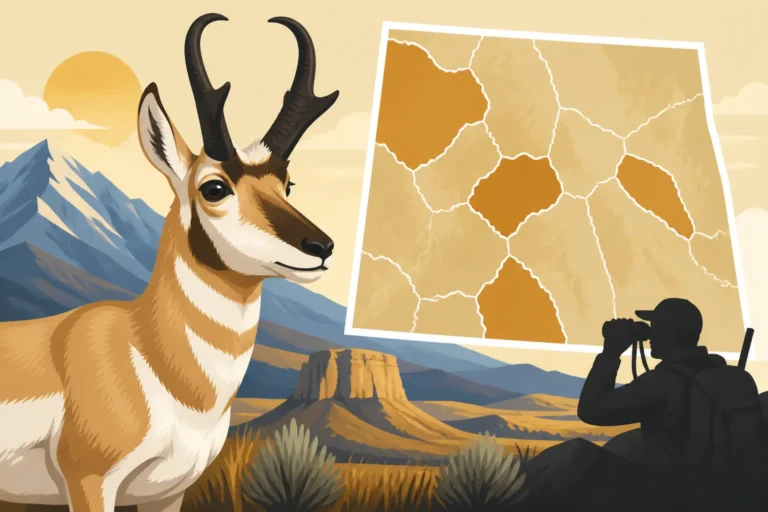
Imagine Wyoming divided into a mosaic of specific regions, each with its own unique characteristics – from the rugged Absaroka Mountains to the more accessible Bighorn National Forest. For mountain lions, the WGFD designates distinct "Hunt Areas" or "Quota Areas," and each of these areas is assigned a strict harvest limit, known as a quota. These aren't just arbitrary numbers; they are carefully determined based on extensive biological data, including population estimates, historical harvest rates, and habitat studies. The goal is to prevent overharvest in any single area, ensuring that the mountain lion population remains robust for future generations.
These quotas are dynamic, meaning they can change from year to year depending on the latest population assessments. They reflect the WGFD's commitment to adaptive management, allowing them to adjust to environmental shifts or population trends. For hunters, this means you can’t simply rely on last year’s regulations; checking the current year's quotas for your chosen area is absolutely essential. Knowing the specific boundaries of your chosen area is also crucial, as stepping even a few hundred yards into an adjacent area with a different quota could lead to serious issues, especially if that area is already closed. It’s not uncommon for these areas to be quite intricate, following natural features like ridgelines, rivers, or even roads, so precise map-reading is key. A good resource for understanding these divisions is the WGFD's official portal, where you can find detailed information on Mountain Lion Quotas by Hunt Area.
Male vs. Female Quotas and Their Impact
One of the most critical aspects of Wyoming's mountain lion quota system, and perhaps the one that most often leads to early closures, is the distinction between male and female harvest limits. While a total quota exists for each hunt area, there's almost always a sub-quota specifically for female mountain lions. This isn't just an administrative detail; it's a fundamental biological strategy. Female mountain lions are the reproductive engine of the population. Over-harvesting females directly impacts the number of kittens born and the overall health and growth potential of the cougar population in that area.
Because of the critical role females play in population sustainability, the WGFD manages their harvest very conservatively. Often, if the female quota for a given hunt area is met, the entire hunt area will close, regardless of whether the overall total quota (which includes males) has been reached. This is a swift and decisive measure to protect the reproductive capacity of the local lion population. For instance, an area might have a total quota of 10 lions, but a female quota of only 3. If three female lions are harvested, even if only five total lions have been taken, the season will close for that entire area. This means hunters need to be hyper-aware not just of the overall quota status, but specifically how many females have been harvested. It’s a game of careful monitoring, and a female being taken, especially early in the season, can quickly change the entire outlook for a hunt.
How Quotas Lead to Early Closures
The inherent nature of a quota system, combined with unpredictable variables like weather and hunter pressure, means that a mountain lion season in Wyoming can, and often does, close much earlier than the published end date. This isn't a flaw in the system; it's by design, a direct result of effective management ensuring that harvest limits are strictly adhered to. But for the hunter on the ground, it means constant vigilance and sometimes, a race against the clock.
The "First-Come, First-Served" Reality
Imagine you've been planning this hunt for months, maybe even years, meticulously scouting and preparing. You finally get to your chosen hunting ground, brimming with anticipation. But unbeknownst to you, three other hunters have been having incredible luck, and with a few successful harvests, your hunt area's quota is suddenly met. That's the stark reality of "first-come, first-served" when it comes to mountain lion quotas in Wyoming. Once the WGFD officially announces that a quota has been reached, that hunt area closes immediately. There are no grace periods, no "one last day" allowances. It's an instant shutdown, and any lion harvested after that official closure time is considered illegal.
This dynamic creates a unique sense of urgency. Hunters who arrive early in the season or are highly efficient can capitalize on fresh sign and higher lion numbers, potentially filling the quota quickly. This is especially true in areas known for good lion populations or during periods of ideal tracking conditions, like fresh snow. While frustrating for those who arrive later, it's a necessary mechanism to prevent overharvest. This instantaneous closure also means that planning a hunt based solely on the published season dates can be a recipe for disappointment. Instead, a successful mountain lion hunter knows that flexibility and constant monitoring are far more valuable than a rigid schedule. Companies like GoHunt provide valuable tools to track these quota trends, offering insights that can help hunters make informed decisions about when and where to hunt.
Factors Influencing Early Closures
Several key factors conspire to make early closures a common occurrence in Wyoming's mountain lion seasons. It's rarely just one thing, but usually a perfect storm of conditions that accelerate quota fulfillment. Understanding these factors can help you anticipate when a season might be at risk of an early shutdown.
First and foremost, population dynamics play a huge role. If a particular hunt area has seen a few mild winters, has abundant prey (like deer and elk), and has experienced good recruitment (more kittens surviving), the mountain lion population can be particularly healthy. In such areas, hunters are likely to encounter more lions, leading to quicker harvests and, consequently, faster quota fulfillment. Conversely, areas that have experienced harsh winters or disease outbreaks might see lower quotas or slower harvest rates.
Secondly, weather conditions are perhaps the most significant accelerator of mountain lion harvests. A good, consistent snowfall is a hound hunter's dream. Fresh snow makes tracking much easier, allowing hounds to pick up scent trails efficiently and pursue lions more effectively. When several feet of fresh powder blankets the landscape, hunter success rates skyrocket. You'll see a surge of hunters and outfitters head to the field, and quotas that might normally take weeks to fill can be met in just a few days. The colder temperatures that often accompany snow also tend to make lions more active, further increasing encounter rates. This is why many experienced hunters monitor weather forecasts religiously, aiming to hit the field right after a significant snow event.
Lastly, hunter effort and distribution are crucial. If a particular hunt area gains a reputation for good lion numbers or has excellent access, it can attract a disproportionate number of hunters. More hunters in the field, especially those utilizing effective methods like Hound Hunting for Mountain Lions, directly translates to more lions being harvested. Even if the individual success rate per hunter isn't exceptionally high, the sheer volume of effort can push a quota to its limit very quickly. This is where researching historical hunter numbers and success rates for specific units becomes invaluable during your pre-season planning. Areas that are less accessible or less known might offer a longer season window, even if the individual quota is smaller.
Monitoring Quotas in Real-Time
Successfully hunting mountain lions under Wyoming's quota system demands vigilance beyond just tracking lions in the field. You also need to be constantly tracking the harvest data. Missing a quota closure announcement can turn a successful hunt into a costly legal predicament. Fortunately, the Wyoming Game and Fish Department provides the tools necessary to stay informed, and savvy hunters know exactly where to look.
The Wyoming Game and Fish Department Website
When it comes to official and up-to-the-minute information on mountain lion quotas and closures, there is no substitute for the Wyoming Game and Fish Department (WGFD) website. This is the authoritative source for all regulations, harvest data, and closure announcements. Becoming familiar with its navigation is paramount for any serious mountain lion hunter.
The WGFD's website typically features a dedicated section for "Hunt Status" or "Harvest Data" where you can find real-time updates on quotas for various species, including mountain lions. You'll need to know the specific hunt area number you're interested in – these numbers are clearly defined in the hunting regulations. For each hunt area, the WGFD usually displays the total quota, the number of lions harvested to date (often broken down by male and female), and, most importantly, the status of the hunt: open, pending closure, or closed. This information is usually updated daily, sometimes even multiple times a day, especially when a quota is nearing its limit.
The key is to not just check it once, but to develop a habit of checking it constantly, perhaps even hourly, when you know a quota is getting tight. Imagine you're deep in the backcountry, chasing a track, and you've decided to dedicate a full day to it. If the quota closes while you're out there, and you harvest a lion, you could be in violation. Many hunters set up daily reminders or designate a member of their hunting party to be the "quota monitor," checking the WGFD website frequently from a cell service hotspot or satellite communicator. Relying on outdated information or hearsay is a dangerous gamble in this system. The official source is the only reliable source, and it's your responsibility as a hunter to stay informed.
Other Resources and Tools
While the WGFD website is the ultimate authority, several other resources and tools can aid hunters in staying ahead of quota closures and planning their hunts. These often aggregate or present the official data in a more user-friendly format, or offer additional layers of analysis.
One excellent example is GoHunt. They provide robust platforms that track draw odds, harvest statistics, and, crucially, real-time quota data for various Western states, including Wyoming. Their Insiders program, for instance, offers tools that compile information from state game and fish departments, making it easier to monitor quota status for specific hunt areas without having to constantly dig through official government sites. Such services can send alerts or display visual dashboards that quickly indicate when a quota is getting close to being filled, giving you a heads-up that it's time to redouble your vigilance on the WGFD site.
Beyond specialized hunting platforms, sometimes local resources can be invaluable, though always with a caveat. Outfitters who operate frequently in specific areas are often exceptionally tuned into the local hunting scene and can offer real-time insights based on their own activity and communications with other guides and wardens. However, never take anecdotal information as gospel; always cross-reference it with the official WGFD website before making critical hunting decisions. Hunter forums and social media groups can also be sources of information, but they are often filled with rumors and speculation, so they should be treated with extreme caution and never relied upon for official closure announcements. These community resources can be good for general discussion and sharing experiences, but for quota status, stick to the WGFD or highly reputable data aggregators like GoHunt.
Strategies for Hunting Under a Quota System
Hunting mountain lions in Wyoming, especially with the added layer of a dynamic quota system, requires more than just knowing how to track. It demands strategic planning, adaptability, and a keen understanding of both the regulations and the likely behaviors of other hunters. Success often comes down to playing the odds and making informed decisions before and during your hunt.
Pre-Season Planning and Research
The groundwork for a successful mountain lion hunt under a quota system begins long before you ever set foot in the field. Pre-season planning and diligent research are absolutely critical to avoid the heartbreak of an early closure. Start by thoroughly reviewing the current year's Wyoming Game and Fish Department regulations for mountain lions. Pay close attention to the specific hunt areas, their boundaries, and, most importantly, the exact quotas for both total harvest and female harvest. These numbers are non-negotiable and dictate the entire framework of your hunt.
Next, dive into historical harvest data. While the current year’s quotas are paramount, understanding past trends can offer valuable insights. Did a particular unit consistently close early in previous years? Was it due to heavy snowfall or a high concentration of hunters? Look at success rates for different hunt areas. A unit with a historically high success rate might indicate a healthy lion population, but it also signals that the quota is likely to be met quickly. Conversely, a unit with a lower success rate might offer a longer hunting window but could mean more challenging hunting. Tools like those offered by GoHunt often compile this historical data, making it easier to compare units and spot trends.
Consider the trade-offs: do you target a high-success, high-pressure unit that will likely close fast, or a lower-pressure unit with a smaller quota that might stay open longer? For instance, some of the more accessible areas around population centers or those with a history of big cats often see immediate pressure. You might find better opportunities, or at least a longer season, in more remote units, even if the quotas seem smaller. Understanding Wyoming Mountain Lion Season and Quota Closures from previous years can give you a predictive edge. Additionally, factor in your own hunting style. If you plan to go Hunting Solo Against Hiring a Guide, your ability to cover ground and track quickly will influence your choice of area. Some hunters even call local WGFD biologists or game wardens (respectfully, during office hours) to get their insights on current conditions and expected pressure in specific areas.
Timing Your Hunt for Success
Timing is everything when hunting mountain lions in Wyoming, especially when quotas are a factor. The season typically runs through much of the winter, but waiting for "perfect" conditions can be a double-edged sword. While fresh snow is undoubtedly the ideal scenario for tracking, it's also the trigger for intensified hunter effort and rapid quota fulfillment.
Many experienced mountain lion hunters advocate for hitting the field as early in the season as possible, especially if you're targeting a high-demand unit. The logic is simple: fewer hunters are typically out right at the opening, and the quota is at its maximum. While snow cover might be sporadic or non-existent in early season, making tracking harder, it means less competition and a higher chance of the quota not being met before you arrive. This often involves scouting extensively beforehand, looking for fresh sign in areas that might not yet have snow.
However, the allure of fresh snow is undeniable. If you're willing to gamble on a shorter window, timing your hunt for immediately after a significant winter storm can dramatically increase your chances of finding a lion. This is when the "first-come, first-served" reality really kicks in. You'll need to be ready to drop everything and head out, and stay incredibly tuned into the WGFD quota updates. Often, this means being prepared to hunt mid-week, when pressure is typically lower than on weekends, even during prime snow conditions. Out-of-state hunters flying in might find this strategy challenging due to travel logistics, which is why working with a local outfitter can be a huge advantage. They often have the flexibility to mobilize quickly when conditions align. It's a delicate balance between optimal tracking conditions and avoiding the rush that closes the season.
Hound Hunting for Mountain Lions
In Wyoming, using hounds is a legal and highly effective method for hunting mountain lions. In fact, it's the predominant method, and for good reason: mountain lions are incredibly elusive, masters of camouflage, and inhabit dense, rugged terrain where still-hunting them is exceedingly difficult. Hound Hunting for Mountain Lions involves a team effort, often including skilled dog handlers (the "huntsman"), a pack of trained dogs, and the hunter. The dogs are typically released on a fresh track, pursuing the lion until it either trees or bays at bay on the ground, allowing the hunter to approach for a shot.
The effectiveness of hounds means they play a significant role in how quickly quotas are filled. When prime conditions like fresh snow arrive, hound hunters can locate and tree lions with remarkable efficiency. This can lead to a rapid increase in harvest numbers in a given hunt area. For hunters considering using hounds, it's important to understand the significant specialized gear and expertise involved. Training a pack of lion hounds takes years, and understanding their behavior, scenting capabilities, and how they work a track is an art form. Most hunters pursuing lions with hounds will either own and train their own dogs (a serious commitment) or, more commonly, hire a reputable outfitter or guide who specializes in hound hunting.
Ethical considerations are also paramount. Responsible hound hunters prioritize the welfare of their dogs, the fair chase of the animal, and adherence to all regulations. This includes ensuring the dogs are well-conditioned for the rigorous demands of chasing a lion across rough country and taking measures to prevent injury to the dogs. It also means respecting private land boundaries, understanding potential conflicts with other wildlife, and knowing when to call off a chase. For non-residents, utilizing a licensed outfitter for a hound hunt is often the most practical and ethical way to experience this unique form of hunting, ensuring compliance with all state rules and benefiting from experienced dog teams.
What Happens When a Quota Closes
The moment a mountain lion quota is met and officially announced as closed by the Wyoming Game and Fish Department is a definitive one. There’s no room for misinterpretation, and the implications for hunters in the field are immediate and serious. Understanding the precise protocols for closure and what to do if you're in the middle of a hunt is absolutely vital.
Immediate Cease-and-Desist
This cannot be stressed enough: once the WGFD announces that a mountain lion quota for a specific hunt area has been met and that area is closed, all hunting activity for that species in that area must cease immediately. This isn't a suggestion; it's a legal directive. The closure is effective at the precise date and time specified in the announcement. Continuing to hunt, pursue, or harvest a mountain lion after this official closure can result in significant penalties, including fines, confiscation of equipment, loss of hunting privileges, and even jail time. Ignorance of the closure is not considered a valid defense.
This immediate cease-and-desist rule is why constant monitoring of the WGFD website is so crucial. Hunters operating in areas where the quota is nearing its limit should be checking the official harvest data multiple times a day. If you're deep in the backcountry without cell service, this presents a unique challenge, which is why many hunters utilize satellite communication devices. These devices allow for text updates or web browsing, ensuring that even in remote areas, you can receive critical information. If you're out with an outfitter, they will be responsible for staying on top of these closures and communicating them to you immediately. The responsibility, however, ultimately falls on the individual hunter to ensure they are compliant. Always double-check the time zone too; Wyoming is in the Mountain Time Zone, and official announcements will reflect this.
Retrieving Game After Closure
Imagine the scenario: you've been on a lion track all day, your hounds finally put a beautiful tom up a tree, and you make a clean, ethical shot. As you're field dressing the animal, you get a notification that the quota for your hunt area closed just minutes before your shot. This is a hunter's nightmare, but it's a possibility you need to be prepared for.
If you harvest a mountain lion legitimately before the official closure time, but the closure is announced while you're in the process of field dressing or retrieving the animal, you are generally still in compliance. The act of harvesting (i.e., the shot) is what matters for the legality of the take. However, it is absolutely paramount that you report your harvest immediately and follow all tagging and reporting requirements as quickly as possible. This often means contacting the WGFD, potentially a local game warden, to explain the situation and ensure proper documentation. Having GPS timestamps on your photos or other verifiable proof of the exact time of harvest can be invaluable in such circumstances.
The rules around Mountain Lion Harvest Reporting Requirements are stringent, and they become even more critical in the context of quota closures. You'll need to tag the animal immediately with your license tag. Within a specific timeframe (often 72 hours), you must present the hide and skull to a WGFD official for inspection and sealing. This sealing process verifies the species, sex, and hunt area, and officially closes out that harvest against the quota. If the quota has just closed, it’s even more vital to present the animal quickly to demonstrate good faith and compliance. Wardens are generally understanding of situations where a hunter harvested legally before a closure but was impacted by the timing of the announcement, but any delay or attempt to circumvent the rules will be met with serious consequences. This also highlights the importance of not being overly ambitious with long retrieves if you know a quota is on the brink of closing.
Working with Outfitters in Quota Areas
For many hunters, especially non-residents or those new to mountain lion hunting, working with an outfitter is not just a convenience but a strategic advantage in navigating Wyoming's quota system. Reputable outfitters bring a wealth of experience, local knowledge, and logistical support that can dramatically increase your chances of success and compliance.
How Outfitters Navigate Quotas
Professional outfitters in Wyoming who specialize in mountain lion hunting are inherently tuned into the quota system. It's part of their business model and their ethical responsibility to their clients. They are often the first to know about quota changes and have established routines for monitoring the WGFD website multiple times a day. Their ability to react quickly to changing conditions is one of their biggest assets.
Outfitters will typically have a deep understanding of the various hunt areas, knowing which ones typically fill up fast, which ones offer a longer season, and which might provide a better opportunity for a specific type of lion (e.g., a trophy tom versus a management animal). They use this knowledge to help clients choose the best time and place for their hunt, often advising clients to be flexible with their dates. Many outfitters specialize in early-season hunts when quotas are fresh, or they might recommend being on standby for "snow call" hunts, where clients are ready to travel on short notice when significant snow falls in a chosen unit.
Furthermore, outfitters manage client expectations. They will clearly communicate the risks of early closure and explain their contingency plans. This might include having alternative hunt areas in mind, or discussing what happens if a quota closes mid-hunt. Reputable outfitters will prioritize legal and ethical hunting above all else, ensuring that their clients are never put in a position of non-compliance due to a missed quota announcement. When you're looking for an outfitter, it's wise to engage in thorough vetting. Consider what Questions to Ask a Wyoming Outfitter before booking to ensure they have robust plans for handling quotas.
Questions to Ask Your Outfitter
When considering a Wyoming mountain lion outfitter, asking the right questions about their approach to quotas is paramount. Your investment of time and money is significant, and you want to ensure your outfitter has a clear, ethical, and effective strategy for dealing with potential early closures.
Start by asking directly: "What is your strategy for managing potential early quota closures?" A good outfitter will have a well-thought-out answer. They should explain how they monitor the WGFD website, how frequently they check for updates, and how they communicate these updates to clients in the field. Ask about their historical success rates not just in harvesting lions, but also in navigating seasons without clients being caught by unexpected closures. While you can look up their license on the Wyoming Board of Outfitters and Professional Guides, you can also consider Reading an Outfitter's References to gather insights from past clients.
Inquire about contingency plans. "What happens if the quota for our planned hunt area closes before or during our hunt?" Will they move to a different hunt area if available? Do they offer a reduced rate or credit for a future hunt if the season closes prematurely and no lion is harvested? Understanding these policies upfront will prevent misunderstandings later. Also, ask about their experience in specific quota units. An outfitter who has successfully operated in your chosen area for many years will have invaluable insight into its typical hunter pressure and closure patterns. For non-residents, understanding the logistics of working with an outfitter who may utilize public lands, requiring specific permissions such as BLM Outfitter Permits Required in Wyoming, is also good to know. Finally, don't shy away from discussing costs. While a guided mountain lion hunt might have a different price structure than, say, What a Guided Wyoming Elk Hunt Costs, ensure you understand what is and isn't included, especially regarding situations affected by quotas.
| Hunt Area (Hypothetical) | Total Quota | Female Quota | Typical Closure Tendency | Success Factors | Notes |
|---|---|---|---|---|---|
| "Roughrider" Unit 10 | 8 | 3 | Early to Mid-Season | High snow, easy access | Popular area, fills fast with good snow. |
| "Sagebrush" Unit 25 | 12 | 4 | Mid to Late Season | Moderate snow, rugged terrain | Larger area, more challenging to access, can stay open longer. |
| "Timberline" Unit 40 | 5 | 2 | Variable | Heavy snow, high elevation | Smaller quota, but often lower hunter pressure due to remoteness. |
| "Foothills" Unit 55 | 10 | 3 | Early Season | Consistent snow, good prey base | Known for healthy population, draws intense early pressure. |
Disclaimer
The information provided in this guide is for informational purposes only and is not legal advice. Hunting regulations, quotas, and laws are subject to change by the Wyoming Game and Fish Department. It is the individual hunter's responsibility to consult the most current official Wyoming hunting regulations and to comply with all applicable state and federal laws before engaging in any hunting activities.