Park and Carbon County Reputations in Wyoming
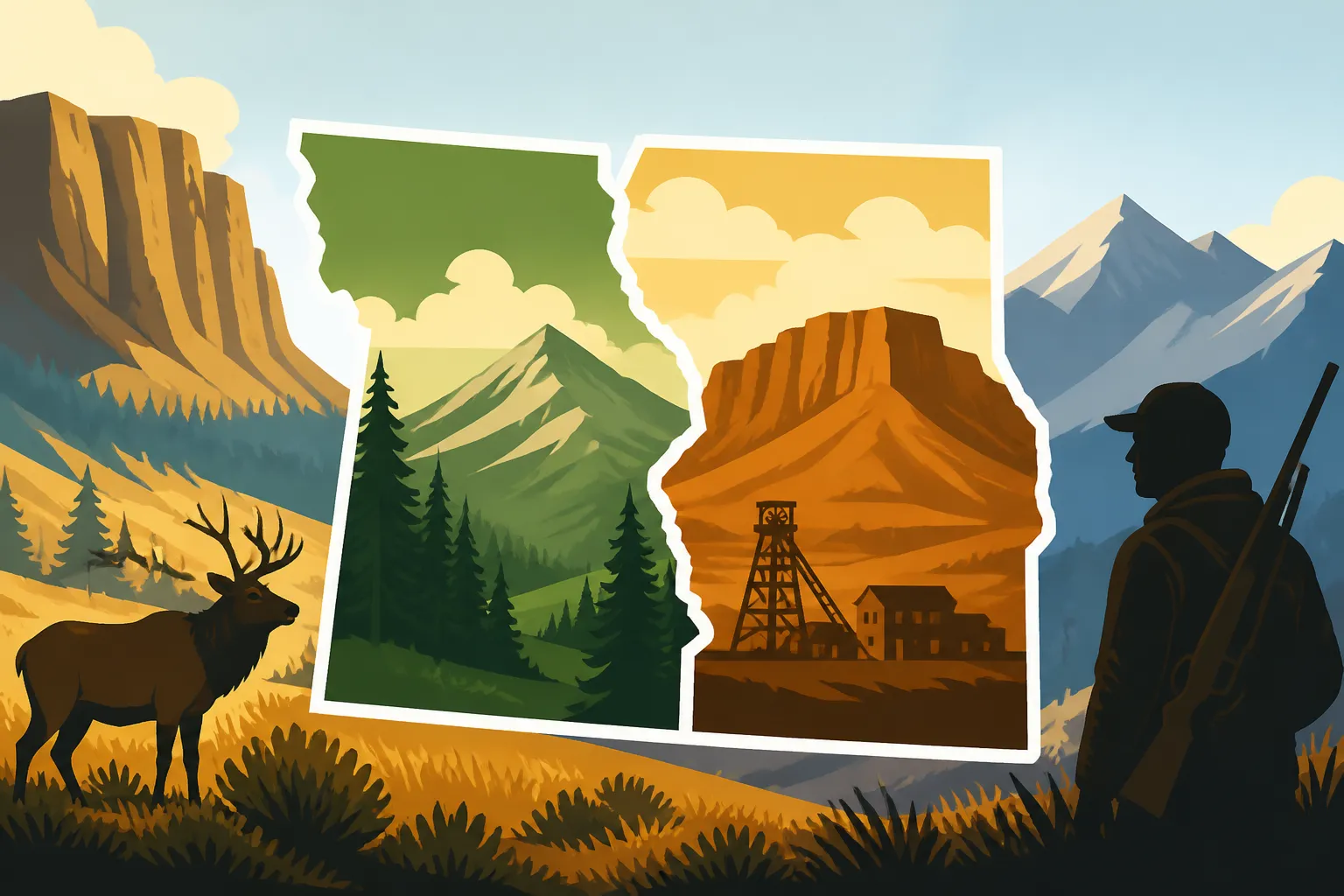
Deciding where to focus your efforts when planning a Wyoming hunt can feel like trying to find a needle in a haystack, especially with a state so vast and diverse. Every hunter hears whispers and boasts about certain areas, but separating genuine reputation from campfire lore is key to a successful trip. Today, we're diving deep into two of Wyoming's most fabled hunting grounds: Park County and Carbon County, exploring what makes them famous and what you can truly expect when you set foot in these storied landscapes.
Understanding Wyoming's Hunt Area Reputations
Wyoming is a hunting paradise, no doubt about it. But its sheer size and the incredible variety of its ecosystems mean that not all areas are created equal for every species. When you're dreaming of that trophy bull or a massive mule deer, knowing which general region holds the most promise is your first critical step.
The Challenge of Vastness
Just looking at a map of Wyoming can be daunting. You see huge swaths of public land, mountain ranges that stretch for hundreds of miles, and endless sagebrush plains. It's easy to get lost in the possibilities, or worse, to feel overwhelmed and just pick a spot at random. Without a solid understanding of where different game animals thrive and what each region offers, you might spend your precious hunting time in an area that simply doesn't align with your goals. The challenge isn't just navigating the physical terrain, but also the informational landscape, trying to figure out which corner of this enormous state is truly going to offer you the best chance.
Why Reputations Matter
Local knowledge and historical harvest data often shape the reputations of certain hunt areas. When you hear folks talking about Park County, it’s almost always in hushed tones about elk. Carbon County, on the other hand, often conjures images of immense mule deer bucks. These reputations aren't built overnight; they're the result of generations of hunters, biologists, and local residents observing game patterns, habitat quality, and past successes. Understanding these general reputations can help you narrow down your focus, especially if you're targeting a specific species. It’s a starting point, a way to cut through the noise and identify regions that historically produce the kind of hunting experience you’re after.
Beyond the Hype
While reputations provide a good foundation, it’s crucial to look beyond the mere hype. Not every part of "Elk Country" is going to be easy or productive, and a county famous for big deer might still have units that are consistently challenging to draw or hunt successfully. You need to dig into the specifics: particular hunt units, draw odds, public land access, and terrain features. Tools like onX Hunt can be incredibly valuable here, allowing you to visualize land ownership and topography, helping you understand the real-world implications of a county's reputation. Don't just take a reputation at face value; use it as a guide to delve deeper into the nitty-gritty details that will truly define your hunt.
Park County: The Elk Mecca
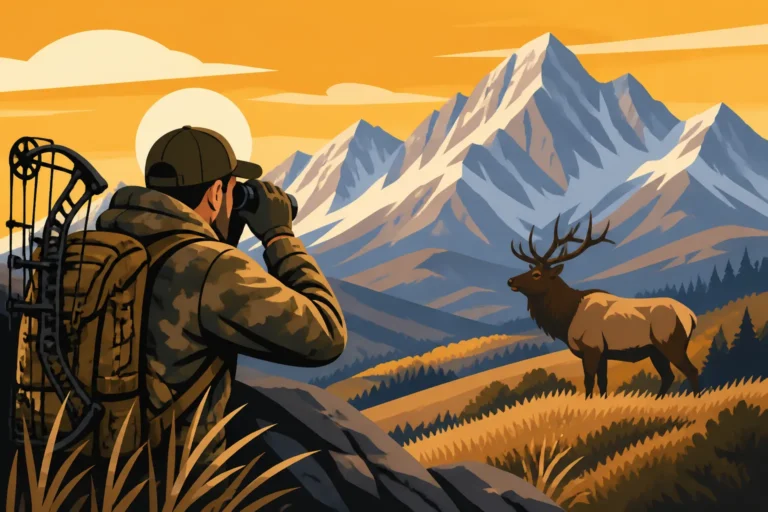
Park County, nestled in the northwest corner of Wyoming, is a name synonymous with elk hunting. Flanked by Yellowstone National Park to the west and the Shoshone National Forest wrapping around its northern and eastern borders, this county offers some of the most stunning and challenging elk hunting opportunities in the Lower 48.
Elk Abundance and Habitat
Park County boasts robust elk populations, drawing hunters from all over the world. The diverse habitat, ranging from vast wilderness areas to more accessible national forest lands, provides everything an elk needs: high-alpine summer range, dense timber for cover, and critical wintering grounds. Units like those within the Shoshone National Forest are often discussed among elk hunters for their potential. This area supports multiple elk herds, some of which are influenced by their proximity to the National Elk Refuge and the complex dynamics around Yellowstone. You'll find elk in thick timber, open parks, and high country basins. Understanding Wyoming Elk Herd Units and Winter Range is essential for anyone planning a hunt here, as specific unit boundaries and their associated management plans dictate where and when you can hunt.
Challenges and Strategies for Elk Hunters
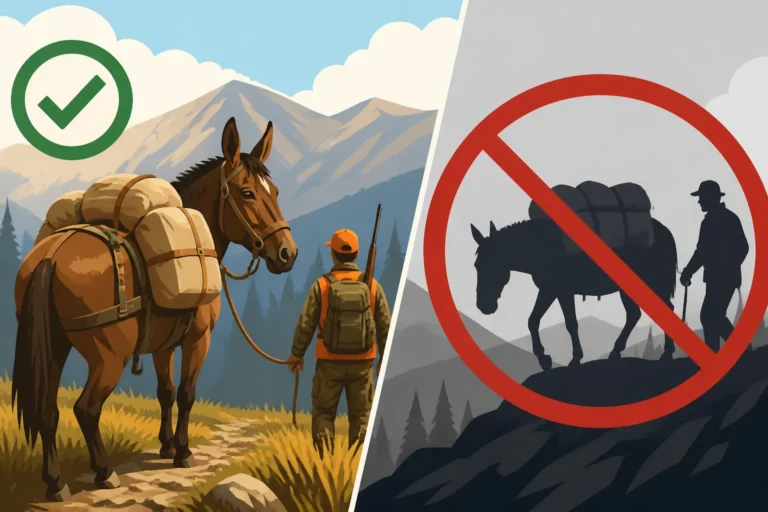
While the elk numbers are impressive, hunting in Park County is far from easy. Much of the prime elk habitat lies within true wilderness, meaning no motorized access, requiring significant physical exertion, pack animals, or both. Pressure can be intense, especially during the rifle seasons in more accessible areas. If you're planning an archery hunt, understanding Calling Elk on Pressured Wyoming Public Land becomes critical, as elk here can be notoriously call-shy. Hunters often need to be prepared for deep backcountry forays, covering miles on foot, and being self-sufficient for days. Weather is another significant factor; early snows can make high country hunting brutal, while a mild fall might keep elk scattered and high. Success here often hinges on being in excellent physical condition, having solid navigation skills, and a willingness to adapt to ever-changing conditions.
Other Game in Park County
While elk undoubtedly steal the spotlight, Park County also offers opportunities for other big game. Mule deer are present throughout the county, particularly in the lower elevations and foothills, though they often take a backseat to the elk draw. You can also find good numbers of black bears, especially during the spring and fall seasons, with the chance of encountering various color phases. Shiras moose, though tags are incredibly difficult to draw, also inhabit parts of Park County's dense timber and willow bottoms. For the truly adventurous, parts of the Absaroka-Beartooth Wilderness, which borders Park County, hold bighorn sheep and mountain goat, but these are once-in-a-lifetime tags with minuscule draw odds.
Carbon County: Home of Big Mule Deer
Moving south into central Wyoming, Carbon County stakes its claim as a premier destination for mule deer, especially trophy-class bucks. This vast county offers a stark contrast to Park County's rugged mountains, featuring expansive sagebrush plains, isolated mountain ranges, and numerous draws and coulees.
Mule Deer Quality and Habitat
Carbon County's reputation for producing big mule deer is well-deserved. The diverse landscape—from the sagebrush flats and river bottoms to the isolated mountain ranges like the Sierra Madre and Snowy Range—provides ideal habitat. These deer often benefit from good forage and less severe winters than some of the more northerly herds. The older age classes of bucks often found here contribute to the county's reputation. Hunters familiar with the area will often reference specific units and regions within Carbon County for their potential to kick out a true giant. Our article on Why Carbon County Produces Record Book Bucks delves deeper into the specific factors that make this region so productive for trophy mule deer. The terrain here allows bucks to grow old, with ample space to avoid human pressure and plenty of feed to develop impressive antlers.
Hunting Pressure and Access Considerations
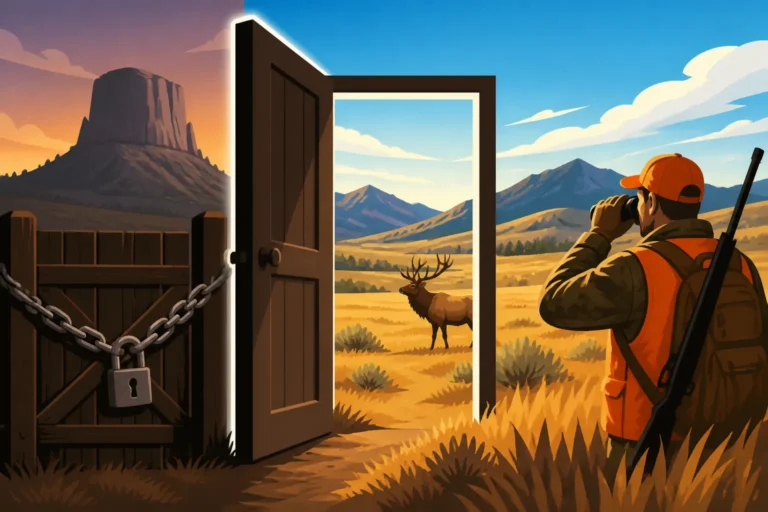
Despite its vastness, Carbon County faces its own set of challenges regarding hunting pressure and land access. A significant portion of the county features a "checkerboard" land pattern, where alternating sections of public and private land create complex access issues. Navigating Checkerboard Land and Wyoming Access is a crucial skill for any hunter heading to Carbon County, and it's where detailed mapping applications like onX Hunt become indispensable. While there's plenty of public land, finding legal access into landlocked parcels can be frustrating. Hunter Management Areas (HMAs) and Walk-In Areas (WIAs) managed by the Wyoming Game and Fish Department offer excellent opportunities, but often require advance planning and permission slips. Road hunting can be common in certain areas, pushing mature bucks into more remote or private havens. Successful hunting here often means doing your homework on land access and being willing to walk miles to get away from the crowds.
Other Opportunities in Carbon County
Beyond its mule deer fame, Carbon County provides a wealth of other hunting opportunities. Pronghorn antelope thrive across its expansive sagebrush flats, offering excellent chances for high-quality bucks. In fact, Carbon and Sweetwater County Pronghorn Gains have been notable, indicating strong populations in this region. You'll find good numbers of birds like sage grouse, and in the higher elevations of the Snowy and Sierra Madre ranges, elk can be found, though generally in lower densities and with tougher draw odds than in Park County. The varied terrain also supports black bear and mountain lion, for those seeking a more specialized hunt.
Comparing Hunting Opportunities: Park vs. Carbon
When it comes to choosing between Park and Carbon Counties, it's really a decision about your primary hunting objective and the type of experience you're seeking. Both offer incredible opportunities, but they cater to different styles and species.
Primary Species Focus
Park County is undeniably the destination for elk. If your dream is to chase bugling bulls through the high country, enduring physical challenges for that chance at a lifetime bull, Park County is likely calling your name. The sheer number of elk and the rugged wilderness environment make it an iconic elk hunting experience.
Carbon County, conversely, is where you go for big mule deer. While elk are present, the draw odds for quality elk tags are often more favorable in Park County. For mule deer, Carbon County offers a better chance at those mature, heavy-antlered bucks that thrive in its varied, often vast and open, terrain.
Terrain and Logistics
The differences in terrain between these two counties are stark. Park County is dominated by the majestic Rocky Mountains, with steep ascents, dense timber, and high-altitude hunting. Logistics often involve horses, extensive backpacking, and preparation for extreme weather. Hunters here need to be in peak Physical Conditioning for a Mountain Hunt and prepared for the effects of altitude. Our guide on Preparing for Altitude on a Wyoming Hunt is a must-read if you're considering a high-country hunt.
Carbon County, while it has its mountain ranges, is largely defined by its rolling sagebrush hills, vast plains, and more accessible, but equally challenging, hunting grounds. Logistics might involve more vehicle travel and glassing, followed by long stalks across open country. The focus shifts from vertical gain to covering horizontal distance, and stealth in open terrain.
Draw Odds and Tag Availability
Understanding the draw odds is critical for both counties. Generally, drawing a coveted elk tag in many of Park County's limited quota units can require significant preference points, especially for trophy bull tags. Some general elk tags are available, but they often come with more hunting pressure.
For mule deer, Carbon County also has its highly sought-after units that require points. However, depending on the year and the specific unit, there can be better odds for drawing a decent mule deer tag compared to the top-tier elk units in Park County. Antelope tags in Carbon County are often easier to draw, making it a good option for a combination hunt.
Here's a quick comparison of the two counties:
| Feature | Park County | Carbon County |
|---|---|---|
| Primary Draw | Elk (bulls) | Mule Deer (trophy bucks), Pronghorn |
| Terrain | Rugged mountains, dense timber, high alpine | Expansive sagebrush plains, rolling hills, isolated ranges |
| Physical Demand | Very high (mountain hunting, altitude) | High (long stalks, covering vast distances) |
| Primary Access | Wilderness areas, National Forest | BLM, State Land, National Forest, checkerboard private |
| Challenges | Physical exertion, altitude, wilderness rules, pressure | Land access (checkerboard), long range spotting & stalking, pressure |
| Draw Odds | Often high points for top elk, general tags available | High points for top deer, more accessible antelope |
Practical Considerations for Hunting These Counties
Regardless of which county you choose, a Wyoming hunt demands thorough preparation and realistic expectations. The scale of the landscape and the nature of the game require diligence in planning.
Gear and Physical Demands
For Park County, imagine steep climbs, potential snow, and packing out heavy quarters over miles of rugged terrain. You'll need durable mountaineering boots, a solid pack frame, layers of clothing, and reliable navigation tools. A good pair of trekking poles is essential. The physical demands are immense, and neglecting your fitness will severely limit your effectiveness and enjoyment.
In Carbon County, while not always as vertical, the sheer amount of ground you'll cover, often at elevation, still requires excellent conditioning. Spotting scopes, high-quality binoculars, and tripods are vital for glassing vast distances. Footwear should be comfortable for walking miles over varied, often uneven terrain. Always consider the potential for rapid weather changes across the plains and mountains.
Navigating Public vs. Private Land
Wyoming's land ownership mosaic can be complex. In both counties, understanding where you can legally hunt is paramount. Tools like onX Hunt are invaluable for clearly delineating public and private boundaries, preventing accidental trespassing, and identifying crucial access points or landlocked public parcels. Using onX Public Land Layers in Wyoming can save you a world of headache and potential legal trouble. Always cross-reference your digital maps with physical maps and, when in doubt, consult with the local Game and Fish office. Respect for private landowners is also key; always seek permission if there's any ambiguity.
Weather and Seasonal Changes
Wyoming weather is notoriously unpredictable. In Park County, you could experience all four seasons in a single day, especially in the high country. Early snowstorms can close roads and make hunting dangerous, while warm spells can make meat care challenging. Always pack for extremes and be prepared to adapt your plans.
Carbon County, though generally lower in elevation, can still experience drastic temperature swings, high winds, and sudden snowfalls, especially in its mountain ranges. The wide-open country offers little shelter from the elements. Staying updated on weather forecasts and having appropriate gear for hot sun, driving wind, and freezing temperatures is crucial for comfort and safety.
Planning Your Hunt in Park or Carbon County
Effective planning is the backbone of any successful Wyoming hunt. This includes everything from understanding the regulations to navigating the complex draw system and deciding whether to go guided or DIY.
Researching Hunt Areas and Regulations
Before you even think about applying for a tag, immerse yourself in the regulations. The Wyoming Game and Fish Department (WGFD) publishes detailed season-specific regulations that are your ultimate authority. Sites like GoHunt also offer excellent resources for researching draw odds, unit profiles, and historical harvest data, helping you make informed decisions. Pay close attention to unit boundaries, legal weapons, and season dates. Where the Current Wyoming Regulations Are Posted is the first place to look once you've decided on a species and general area. Regulations can change annually, so always ensure you are looking at the most current information.
Applying for Licenses and Preference Points
Wyoming operates on a preference point system for its limited quota draw, which means the more points you have, the better your odds of drawing a coveted tag. Non-residents often need several years' worth of points for top-tier elk and mule deer units. Understanding Wyoming's Four Application Deadlines, February Through June is critical to ensure you don't miss the window to apply for a tag or simply purchase a point if you're building for the future. The application process can be confusing, so read instructions carefully and double-check your application before submitting it. Patience is key, as drawing a dream tag can take many years.
Booking Outfitters or Planning DIY
Deciding between a guided hunt and a do-it-yourself (DIY) adventure largely depends on your experience, budget, and the specific area you plan to hunt. In Park County, for instance, hunting within designated wilderness areas typically requires a licensed outfitter for nonresidents. Our article on Wyoming's Wilderness Guide Law for Nonresidents explains this requirement in detail. An outfitter can provide invaluable expertise, equipment, and access, especially in rugged terrain.
For those planning a DIY hunt, Planning a DIY Public Land Hunt in Wyoming requires meticulous planning for logistics, gear, food, and safety. This involves everything from understanding game movements to field dressing, meat care, and emergency preparedness. Carbon County, with its more accessible public lands (though still challenging access-wise), often lends itself more to DIY opportunities for experienced hunters. Regardless of your choice, early booking for outfitters or early planning for DIY is essential, as good opportunities fill up fast.
Disclaimer
This article is for general informational purposes only and does not constitute professional advice. Laws, prices and regulations vary by location and change over time. Consult a qualified professional for guidance on your specific situation.