Getting Into Cloud Peak Wilderness
Staring at a map of Wyoming's vast Bighorn Mountains, the Cloud Peak Wilderness can look like an impenetrable fortress, a sea of green where big game supposedly roam, but getting into it feels like a puzzle. This guide cuts through the confusion, offering practical steps and insights for hunters eager to navigate and responsibly access this rugged, rewarding landscape.
Understanding Cloud Peak Wilderness: Rules and Realities
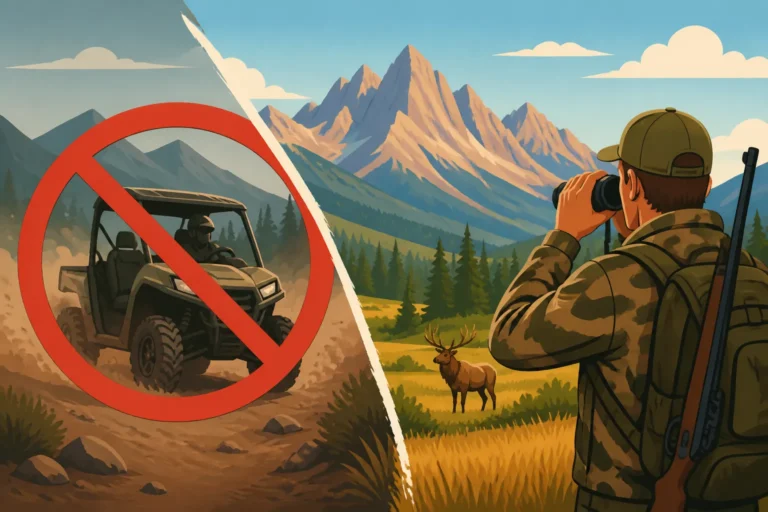
The Cloud Peak Wilderness, nestled within the sprawling Bighorn National Forest, is a gem for those seeking true backcountry hunting experiences. But unlike general national forest land, wilderness areas come with a specific set of rules designed to preserve their wild character. Ignoring these rules won't just spoil your hunt; it could land you in serious trouble. The primary distinction you need to internalize is the non-motorized rule: no ATVs, no e-bikes, no chainsaws, no vehicles of any kind once you cross that wilderness boundary. This immediately filters out a lot of hunters and leaves the area to those willing to put in the physical effort.
This isn't just about limiting noise or preserving the experience; it's a fundamental tenet of wilderness management. You'll be relying on your own two feet, or the hooves of a good pack animal, to get where you're going and to pack out whatever you harvest. This reality dictates everything from your choice of gear to your physical conditioning. It's a place where lightweight, durable equipment shines, and where a solid understanding of navigation becomes absolutely critical.
The Wilderness Ethic and Hunter Responsibility
Hunting in a designated wilderness area like Cloud Peak isn't just about pursuing game; it's about embracing a deep wilderness ethic. This means practicing Leave No Trace principles rigorously. Pack out everything you pack in, including spent shell casings, food wrappers, and even your orange peels. Bury human waste properly, away from water sources and campsites. Respect the solitude of other users and the wild nature of the area. This ethos extends to how you approach your hunt itself: making ethical shots, minimizing disturbance, and packing out your entire animal as required by wanton waste rules.
Beyond the general wilderness principles, there are specific regulations that apply to hunting within the Bighorn National Forest and, by extension, the Cloud Peak Wilderness. Always check the current Wyoming Game and Fish Department regulations for the specific hunt area you're targeting. These regulations will detail legal shooting hours, species-specific tagging requirements, and any special provisions for that particular unit. Remember, these rules are constantly updated, so what applied last year might not apply this season.
Nonresident Guide Requirements
One of the most significant rules for out-of-state hunters considering Cloud Peak Wilderness is the nonresident guide requirement. Wyoming state law dictates that nonresidents hunting bighorn sheep, mountain goat, or moose within a designated wilderness area must be accompanied by a licensed Wyoming guide or a resident companion. This is a critical detail that many nonresidents overlook, only to find themselves in a bind. Do You Need a Guide to Hunt Wyoming? goes into more detail, but for Cloud Peak, this specific wilderness rule is paramount.
If you're after elk or deer, the guide requirement doesn't apply, which opens up more self-guided opportunities. However, even for elk and deer, many hunters choose to hire a packer or an outfitter to assist with logistics, particularly packing in gear and packing out meat. This can be a huge benefit when you're many miles deep in rugged terrain and face the prospect of hauling hundreds of pounds of meat back to the trailhead.
Planning Your Entry Points: Trailheads and Access Corridors
Accessing the Cloud Peak Wilderness primarily involves utilizing designated trailheads that penetrate the Bighorn National Forest. These aren't always easy drives, often requiring high-clearance vehicles, and sometimes even 4×4, especially if recent weather has impacted the forest roads. Identifying your chosen trailhead and understanding the routes to it is your first logistical challenge. Many of these trailheads serve as entry points to multi-day excursions, so expect to share the initial miles with backpackers, anglers, and other wilderness enthusiasts before you truly get deep into prime hunting country.
Some popular entry points include those off US-16 or US-14, which traverse the Bighorn Mountains. Locations like the West Tensleep Trailhead, Lake Solitude Trailhead (though often reached from West Tensleep), or trails originating from the north near Burgess Junction offer various approaches. Each trailhead provides access to different sections of the wilderness and typically leads to varying elevations and terrain. It's crucial to match your trailhead choice with your fitness level, hunting objective, and preferred method of travel (foot or horseback).
Mapping Your Route with Digital and Physical Tools
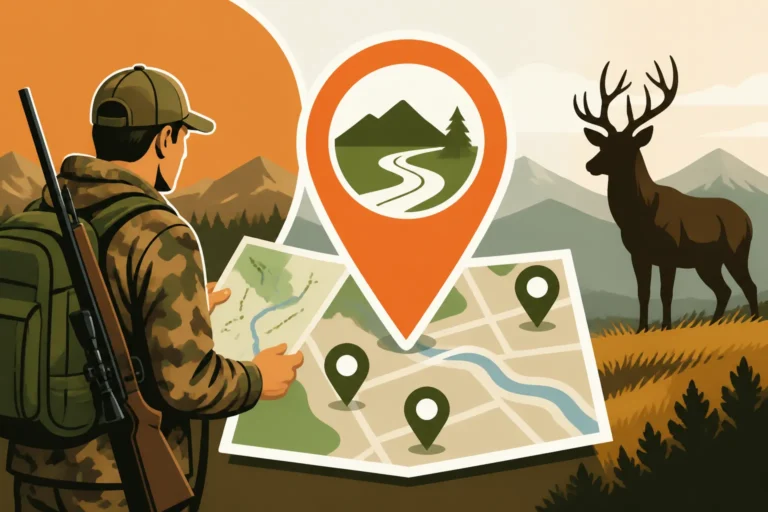
Before you even leave your driveway, you need a robust plan for navigation. This wilderness isn't the place to "wing it." Start with digital mapping tools like onX Hunt. This app allows you to download offline maps, mark potential campsites, track your route, and most importantly, clearly delineate the wilderness boundaries and public/private land ownership. You can identify trails, water sources, and key topographic features that will aid your navigation. While incredibly useful, always supplement digital tools with physical maps and a compass. Batteries die, phones break, and a paper map never loses signal.
Using a tool like onX Hunt, you can zoom in and identify not just the main trails, but also less-traveled game trails or natural corridors that might offer better access to secluded basins or timbered ridges where game might be holding. Cross-referencing these digital maps with topographic maps (e.g., USGS 7.5-minute quadrangles) helps you visualize elevation changes and potential obstacles like cliffs or dense blowdowns. This meticulous planning ensures you understand the vertical feet you'll be gaining and losing, which is a major factor in determining your daily mileage and overall physical exertion.
Horseback vs. Foot Travel Considerations
For many, the sheer size and ruggedness of Cloud Peak Wilderness make horse or mule pack strings an attractive option. A good pack animal can carry heavy loads, allowing you to bring more gear, stay longer, and recover animals more efficiently. However, using stock comes with its own set of challenges and responsibilities. You need experience handling horses in mountainous terrain, understanding their feed and water needs, and adhering to specific regulations regarding weed-free feed. How Much Riding Ability a Horseback Hunt Needs is a useful read if you're considering this option.
Conversely, going in on foot offers unmatched stealth and access to areas where horses might struggle. However, your carrying capacity is significantly limited, making lightweight gear and meticulous packing absolutely essential. You'll need to be in peak physical condition to cover ground efficiently with a heavy pack, especially if you're planning on packing out an entire animal. For self-guided backpack hunts, every ounce counts, and every piece of gear must justify its inclusion. You need to be strong enough to handle both the approach and the physically demanding pack-out, potentially over multiple trips. Physical Conditioning for a Mountain Hunt is not just a suggestion, it's a requirement.
Navigating the Wilderness: Tools and Techniques for Hunters
Once you step into the Cloud Peak Wilderness, you're responsible for your own safety and navigation. The trails can be faint, especially in less-traveled areas, and weather can change rapidly, obscuring landmarks. Having a solid understanding of how to use your maps, compass, and GPS is paramount. This isn't just about finding your way in; it's about being able to get back out safely, especially when you're disoriented or packing out meat in the dark.
Furthermore, preparation for adverse conditions is critical. You might start in sunshine and end up in a snow squall, even in early fall. Always carry extra layers, emergency shelter, a first-aid kit, and enough food and water (or filtration) for more than you expect to need. Preparing for Altitude on a Wyoming Hunt is also vital, as much of the wilderness sits at elevations where unacclimated hunters can experience severe symptoms.
Essential Navigation Gear and Skills
Your navigation toolkit should include a reliable GPS device or a smartphone with a robust mapping app like onX Hunt, a physical map of the area, and a compass. Before you go, ensure you know how to read a topographic map, understand contour lines, and can orient your map using a compass and known landmarks. Practice taking bearings and plotting your position. Don't rely solely on electronics; batteries can fail, and signals can be lost in deep canyons or dense timber.
Another critical skill is "reading" the landscape. Learn to identify natural travel corridors, water sources, and terrain features that might concentrate game. The Cloud Peak Wilderness is characterized by dramatic cirques, alpine lakes, and timbered slopes interspersed with open meadows. Understanding how elk and deer utilize these different habitats at various times of day will make you a more effective hunter.
Communication and Emergency Preparedness
Cell service is virtually non-existent in most of the Cloud Peak Wilderness. This means you need alternative communication methods for emergencies. A satellite messenger device, such as those offered by Garmin inReach or Zoleo, is highly recommended. These devices allow you to send and receive text messages, share your location, and activate an SOS function if you encounter a life-threatening situation. This peace of mind is invaluable, especially when hunting solo or with a small group. Satellite Communication From a Hunting Camp provides more insights into these crucial tools.
Beyond communication, pack a comprehensive first-aid kit tailored for wilderness conditions. This should include supplies for major trauma, splinting, and treating common backcountry ailments. Knowing basic wilderness first aid can literally save a life. Also, consider carrying bear spray, particularly in areas known for grizzly activity. While the Bighorns are generally considered black bear country, encounters can happen, and responsible hunters are always prepared. Bear Safety Practices in an Outfitter Camp offers excellent guidance on staying safe in bear country, including proper food storage techniques. Food Storage Rules in Grizzly Country is a good resource for specifics on preventing bear encounters.
Hunting Strategies Unique to Cloud Peak Wilderness
Hunting in the Cloud Peak Wilderness demands a different approach than roadside hunting or even less remote public land. The vastness, ruggedness, and limited access mean that game often behaves differently and requires more effort to locate and pursue. Success here is often directly proportional to the miles you're willing to cover and the vertical feet you're willing to climb.
This is a true backcountry experience where you'll be self-reliant for days on end. Your hunting strategy needs to encompass not just finding game, but also planning for the physical demands of packing it out. It's not uncommon to harvest an animal several miles from the nearest trail, meaning multiple trips with heavy loads over challenging terrain.
Targeting Specific Game Species
The Cloud Peak Wilderness offers opportunities for several big game species, primarily elk and mule deer, with occasional moose and bighorn sheep in specific units. For elk, focus on early season archery hunts or the rifle season, when bulls are often found in higher elevations before heavy snows push them down. Identifying bedding areas, feeding grounds, and water sources within these high-alpine basins is key. Glassing large areas from advantageous viewpoints, then making a strategic stalk, is a common and effective tactic. Wyoming's Bighorn National Forest Elk and Deer can help narrow down some of these considerations.
Mule deer in the wilderness often inhabit similar high-country terrain, favoring steep, timbered slopes and rocky bluffs. During the rut, they may be found lower, but summer and early fall will see them in secluded pockets. Look for south-facing slopes in the early mornings, and timbered north-facing slopes during the heat of the day. For bighorn sheep and moose, the draw odds are incredibly low, and if you're fortunate enough to draw one of these coveted tags, thorough pre-scouting and often a guide (due to the nonresident rule) become almost mandatory.
Backcountry Hunting Tactics
Deep wilderness hunting often involves spike camps – small, mobile camps set up away from the main trailhead to allow hunters to push further into promising areas. This reduces travel time to and from your hunting grounds each day and allows you to be in the field during prime morning and evening hours. Packing a lightweight tent, sleeping bag, and minimalist cooking gear for these spike camps is essential.
Still hunting through timber, glassing open basins for hours, and aggressive calling (especially for elk during the rut) are all effective tactics. Understanding thermals – how air moves up and down slopes with the sun – is critical for managing your scent. The wind can be notoriously fickle in mountainous terrain, and often swirls, especially in canyons and drainages. Always be mindful of wind direction and how it might carry your scent to wary animals. Reading Wind on an Open-Country Stalk is a fantastic resource for this specific skill.
Gear Table for Cloud Peak Wilderness Hunting
| Item Category | Essential Gear for Foot Hunter | Recommended Gear for Horseback Hunter | Importance Level |
|---|---|---|---|
| Navigation | Topo map, compass, GPS device, onX Hunt app (offline maps) | Topo map, compass, GPS device, onX Hunt app (offline maps) | Critical |
| Shelter & Sleep | Lightweight backpacking tent, sleeping bag (15-30F), sleeping pad | Durable wall tent or heavier backpacking tent, sleeping bag (0-15F), cot/pad | High |
| Clothing | Layered system (base, mid, outer shell), rain gear, warm hat, gloves | Layered system (base, mid, outer shell), heavy rain gear, warm hat, gloves | Critical |
| Cooking & Water | Lightweight stove, fuel, pot, water filter/purifier, collapsible water bottle | Camp stove, larger pots, water filter/purifier, large water jugs | High |
| Hunting Specific | Rifle/Bow, ammunition/arrows, binoculars, spotting scope, rangefinder, game bags, knife, headlamp | Rifle/Bow, ammunition/arrows, binoculars, spotting scope, rangefinder, game bags, knife, headlamp | Critical |
| Safety | First-aid kit, bear spray, fire starter, satellite messenger, emergency blanket, whistle | First-aid kit, bear spray, fire starter, satellite messenger, emergency blanket, whistle, hobbles for stock | Critical |
| Food | Dehydrated meals, high-energy snacks (2000-3000 calories/day) | Larger variety of non-perishable food, fresh items for early days | High |
| Miscellaneous | Repair kit, paracord, small shovel, trekking poles, sunglasses, sunscreen | Repair kit, paracord, small shovel, trekking poles, sunglasses, sunscreen, horse care items | Medium |
Disclaimer
This article is for general informational purposes only and does not constitute professional advice. Laws, prices and regulations vary by location and change over time. Consult a qualified professional for guidance on your specific situation.