Hunting the Laramie Range in Southern Wyoming
Southern Wyoming's Laramie Range offers a stunning, rugged landscape for hunters, but it comes with its own unique set of challenges that can quickly turn a dream hunt into a frustrating struggle if you're not prepared. Whether you're chasing mule deer through timbered draws or hoping to catch a glimpse of an elk in the high country, understanding this diverse terrain, its access complexities, and the behavior of its game is absolutely essential. This guide aims to shed some light on what it truly takes to successfully hunt the Laramie Range, offering realistic insights and practical advice to help you navigate this beautiful yet demanding region.
Understanding the Laramie Range Landscape and Game
The Laramie Range isn't your typical wide-open Wyoming sagebrush country, though you'll certainly find some of that on its lower flanks. As you climb into the range, it transforms into a mosaic of dense pine and aspen forests, interspersed with expansive open parks, rocky outcroppings, and steep, timbered draws. Elevations here can vary dramatically, from the rolling foothills around 7,000 feet up to peaks over 10,000 feet, creating a diverse environment for both hunters and wildlife. This varied topography is both its charm and its challenge; animals have an abundance of cover, and hunters often find themselves navigating thick timber one moment and exposed, windswept ridges the next.
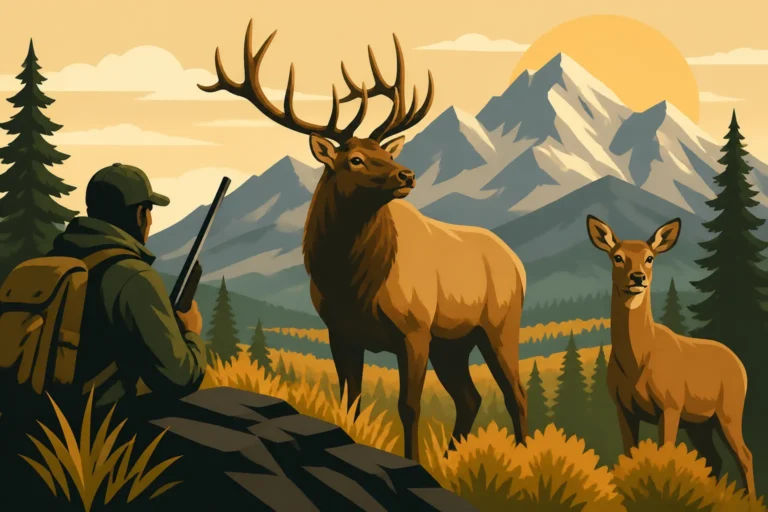
The primary big game species you'll encounter here are mule deer and elk. Mule deer thrive in the broken country, utilizing the timber for bedding and the open parks for feeding, often moving between different elevation bands as the seasons progress or hunting pressure increases. Elk, particularly in the higher, more remote reaches, are masters of the timber. They can seemingly vanish into a stand of pines, making for incredibly challenging hunts that often demand patience, stealth, and a keen understanding of their movements. On the lower, more open edges of the range, you might even find antelope, especially during migration or early seasons, but the core Laramie Range experience is definitely about timber and terrain. Black bears also roam these mountains, offering another hunting opportunity for those who draw a tag.
The scattered nature of game, combined with the often-thick cover, means that persistence is key. Unlike some western hunts where you can glass vast tracts of land and spot dozens of animals, the Laramie Range often requires you to work harder for every encounter. You might spend hours still-hunting through a dark timber patch only to bump a bedded buck, or call to an elk bugle for what feels like an eternity before realizing he’s slipped away unnoticed. The elevation can also be a significant factor, especially for hunters coming from lower altitudes, adding another layer of physical demand to an already challenging hunt.
Accessing Public Land in the Laramie Range
One of the biggest hurdles for any hunter, especially those new to southern Wyoming, is navigating the complex land ownership patterns. The Laramie Range is a patchwork of public lands—primarily National Forest (like portions of the Medicine Bow Country in Southern Wyoming), Bureau of Land Management (BLM) acreage, and State Trust Land—interspersed with significant tracts of private ground. This "checkerboard" pattern can be incredibly frustrating, as what appears to be a vast expanse of public land on a traditional map might actually be broken up by privately owned sections, creating access headaches. You might find yourself staring at an ideal-looking ridge, only to realize it's landlocked by private property. This is a common challenge across Wyoming, and the Laramie Range is no exception.
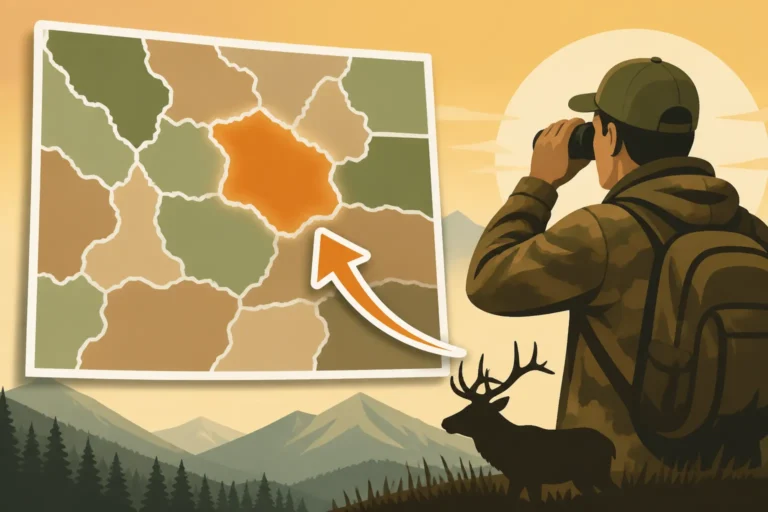
To avoid inadvertently trespassing, which is a serious offense, it's absolutely vital to utilize modern mapping tools. I can't stress this enough: invest in a reliable GPS unit with detailed land ownership overlays or a hunting app like onX Hunt. These tools are invaluable for identifying public roads, legal easements, and the precise boundaries of public and private parcels. Using onX Public Land Layers in Wyoming can save you a world of trouble and help you confidently navigate the landscape.
There are generally four legal ways to access public land in Wyoming, and all are relevant to the Laramie Range:
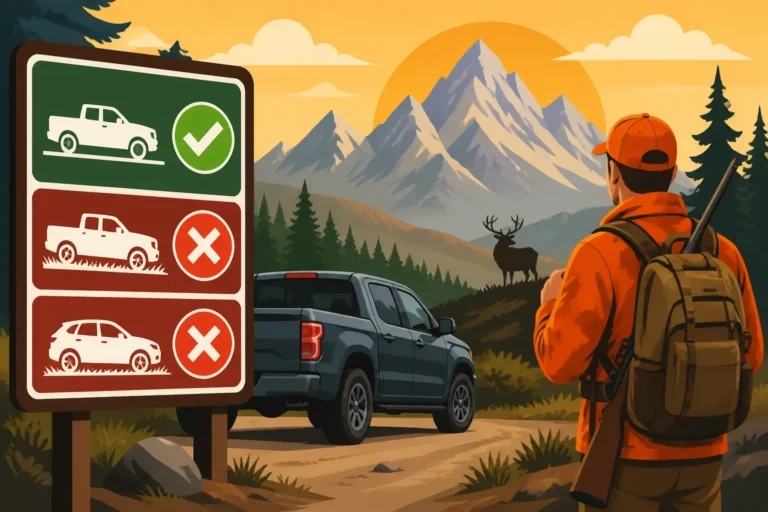
- Public Roads: Many public roads and two-track trails lead into National Forest and BLM lands. However, some roads might be closed seasonally or be rough and require a high-clearance, four-wheel-drive vehicle. Always check local road conditions and seasonal closures before heading out.
- Navigable Waterways: While less common for big game in the Laramie Range specifically, accessing public land via navigable waterways is a legal option in Wyoming.
- Adjoining Public Land: You can always walk from one parcel of public land to another, as long as you don't cross private property in between. This is where detailed maps become crucial, allowing you to string together public sections.
- Permission or Easements: Sometimes, the only way onto a promising piece of public land is by securing permission from a private landowner to cross their property. Always ask first, and respect their decision. Additionally, Wyoming's Access Yes program, through Access Yes Opens Private Wyoming Ground to Public Hunters and The Wyoming Public Land Owner Map Explained, opens thousands of acres of private land and provides access to landlocked public parcels. It’s definitely worth researching before your hunt.
It's also important to be aware of the rules regarding State Trust Land. These lands are generally open for public recreation, including hunting, but often come with specific rules, such as requiring a State Trust Land Use permit in addition to your hunting license. Always check the Wyoming Office of State Lands and Investments website for current regulations. When considering access, remember that Wyoming's National Forests: Bridger-Teton, Shoshone, Bighorn, Medicine Bow all offer differing public access experiences, with Medicine Bow being the primary Forest Service presence here.
Strategies for Hunting Mule Deer and Elk in the Laramie Range
Hunting the Laramie Range demands a strategic approach tailored to the species and the environment. This isn't a place for casual hunting; it's a grind that rewards effort, patience, and smart decision-making.
Tackling Mule Deer in the Timber and Breaks
Mule deer in the Laramie Range are masters of using the varied terrain to their advantage. They'll often bed in the thickest timber patches on north-facing slopes, especially during warmer weather or when pressured. During cooler periods, or when snow starts to fly, they might move to sunnier, south-facing slopes. Your strategy needs to involve a combination of methodical glassing and aggressive still-hunting.
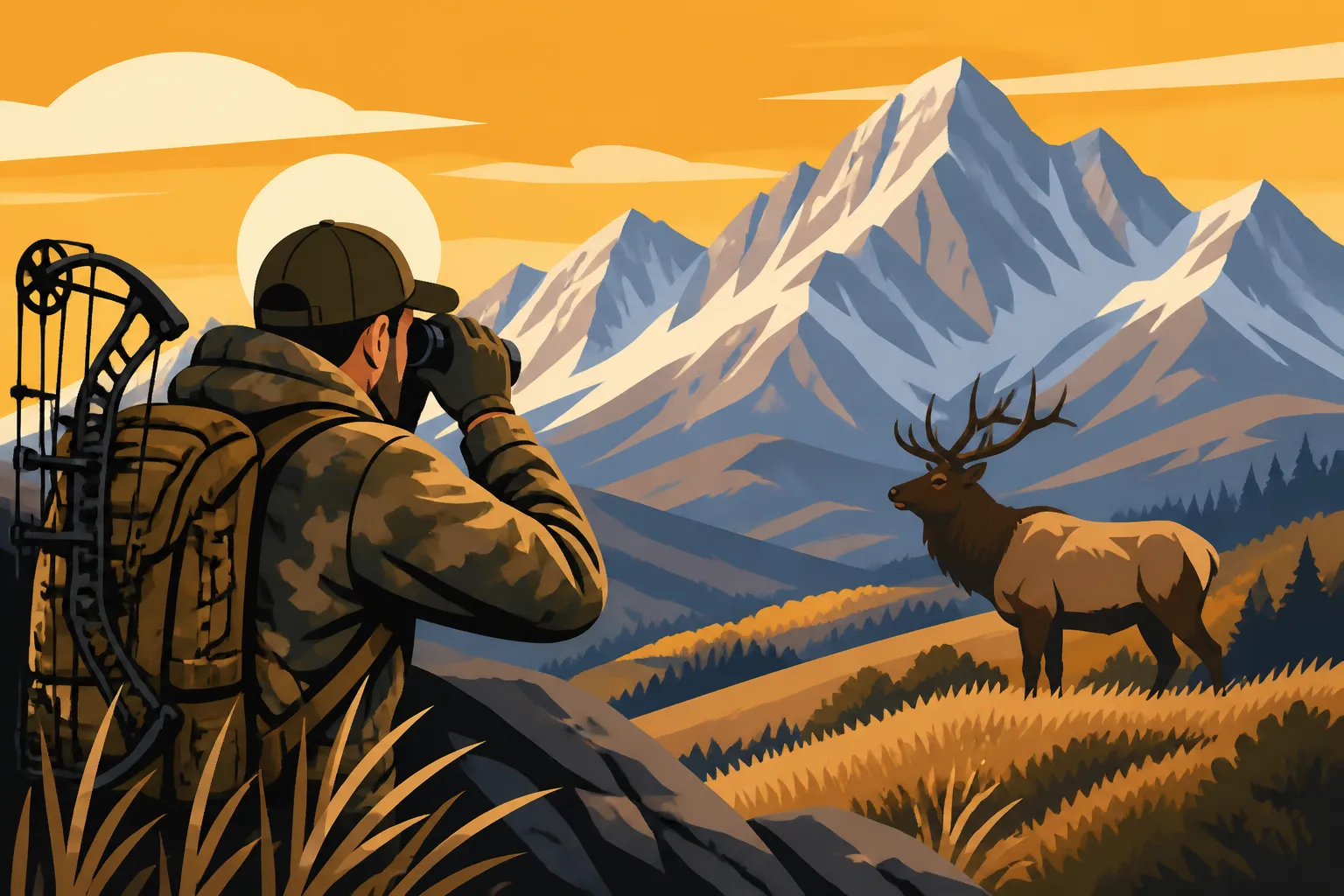
When glassing, look for openings in the timber, recent burns, or areas where the forest transitions into open parks. Early morning and late evening are crucial times, as deer move between bedding and feeding areas. Find a high vantage point, settle in, and meticulously pick apart the landscape with your binoculars and spotting scope. Glassing Wyoming Basins Before You Take a Step and understanding Optics Power for Wyoming's Long Sightlines are skills that pay dividends here. Pay special attention to shadows, horizontal lines that don't quite fit, and the flick of an ear. Deer often blend in perfectly with their surroundings, so look for a deer, not just at the trees.
Once you've identified likely bedding or feeding areas, or if glassing isn't producing, it's time to put boots on the ground. Still Hunting Timber for Bedded Mule Deer requires incredible stealth and patience. Move slowly, taking one or two steps, then stopping to scan, listening for any sound of movement. Use the wind to your advantage, always trying to keep it in your face or quartering. Look for fresh tracks, droppings, and rubbed trees. Focus on the edges of thickets, along game trails, and in the bottoms of draws where deer often travel.
Table: Laramie Range Game & Typical Habitats
| Species | Primary Habitat in Laramie Range | Challenges for Hunters |
|---|---|---|
| Mule Deer | Pine & aspen forests, rocky draws, open parks, transition zones | Dense cover, scattered populations, blending in |
| Elk | Higher elevation timber, remote drainages, secluded meadows | Extremely wary, vast range, difficult to locate |
| Antelope | Lower, open foothills, sagebrush flats | Exceptional eyesight, limited core Laramie presence |
| Black Bear | Dense timber, berry patches, rocky dens | Elusive, requires specific baiting/spot-and-stalk |
Chasing Elk in the High Country
Elk hunting in the Laramie Range is often a physical and mental test. These animals are incredibly intelligent and will use the expansive terrain to avoid pressure. Early archery seasons can be exhilarating, with bulls often vocal during the rut. If you're fortunate enough to draw an archery tag, understanding Bugle and Cow Call Timing Through the Rut is critical. Locator bugles at dawn or dusk can help you pinpoint their general location, but closing the distance on a savvy bull in thick timber is an art form.
During rifle seasons, elk will often retreat into the darkest timber, finding sanctuary in steep, north-facing canyons or remote, unpressured basins. They'll stick to dense cover during the day and move into smaller, secluded meadows or open parks to feed at night or in low light. This means covering ground, searching for fresh sign—tracks, droppings, rubs, and wallows—is paramount. If you find fresh sign, slow down and hunt that area meticulously. Elk are creatures of habit, and if they're in an area, they'll likely be there for a reason (food, water, security).
Snow can be your friend or foe. Early season snow can push elk to lower elevations, making them easier to find, but heavy snow can also make access nearly impossible. Always check weather forecasts and road conditions. Regardless of the season, E-Scouting a Unit Before the Season Opens extensively is a must. Use satellite imagery to identify potential bedding areas, travel corridors, and feeding grounds long before you ever set foot in the field. This pre-scouting, combined with some physical scouting if possible, will give you a significant advantage. Remember that elk move a lot, so you’ll want to continuously adjust your plan.
Essential Gear and Preparation for a Laramie Range Hunt
A successful hunt in the Laramie Range isn't just about finding game; it's about being prepared for the environment itself. The mountains can be unforgiving, and having the right gear and physical conditioning can make all the difference.
Physical Fitness and Layered Clothing
These mountains will test your lungs and legs. You'll be climbing steep grades, traversing uneven terrain, and potentially packing out heavy game for miles. Physical Conditioning for a Mountain Hunt isn't just a recommendation; it's a necessity. Start a fitness regimen well in advance of your hunt, focusing on cardio, strength training, and hiking with a weighted pack. You don't want to be halfway up a mountain with a bull bugling ahead, only to realize your body isn't up to the task.
Weather in the Laramie Range, especially during fall hunting seasons, can be incredibly unpredictable. You can experience all four seasons in a single day: frosty mornings, warm afternoons, afternoon thunderstorms, and even an unexpected snow squall. The key is dressing in layers. A good base layer that wicks moisture, insulating mid-layers (fleece or down), and a waterproof/windproof outer shell are non-negotiable. Don't forget a warm hat, gloves, and sturdy, broken-in hiking boots that provide ankle support.
Optics, Navigation, and Game Retrieval
High-quality optics are your eyes in this vast landscape. A good pair of 10x binoculars is essential for scanning the timber and open parks. For more detailed scrutiny of distant slopes, a spotting scope (15-45x or 20-60x) will pay for itself, allowing you to identify game and assess antler quality without spooking animals. Best Time of Day to Glass Mule Deer applies here – you'll need those optics for the low light periods.
Navigation is paramount. While paper maps and a compass are always wise backups, a reliable GPS unit or a smartphone with a mapping app like onX Hunt is indispensable. These tools provide real-time location, track your movement, and display land ownership boundaries. Always carry extra batteries or a portable charger.
Finally, consider how you'll get your animal out. If you're hunting elk or a large mule deer in rugged country, you'll need a solid plan for game retrieval. A sturdy pack frame, good game bags to keep meat clean, and a sharp knife are must-haves. Many hunters use a quartering method, packing out the animal in sections over multiple trips. If you're hunting solo, or in particularly rough terrain, consider hiring a packer with horses or mules, or at least having a hunting partner with you. A successful harvest is only half the battle; getting the meat from the mountain to your freezer is the other, often more challenging, half.
Disclaimer
This article is for general informational purposes only and does not constitute professional advice. Laws, prices and regulations vary by location and change over time. Consult a qualified professional for guidance on your specific situation.