Cost Expectations for a Guided Sheep Hunt
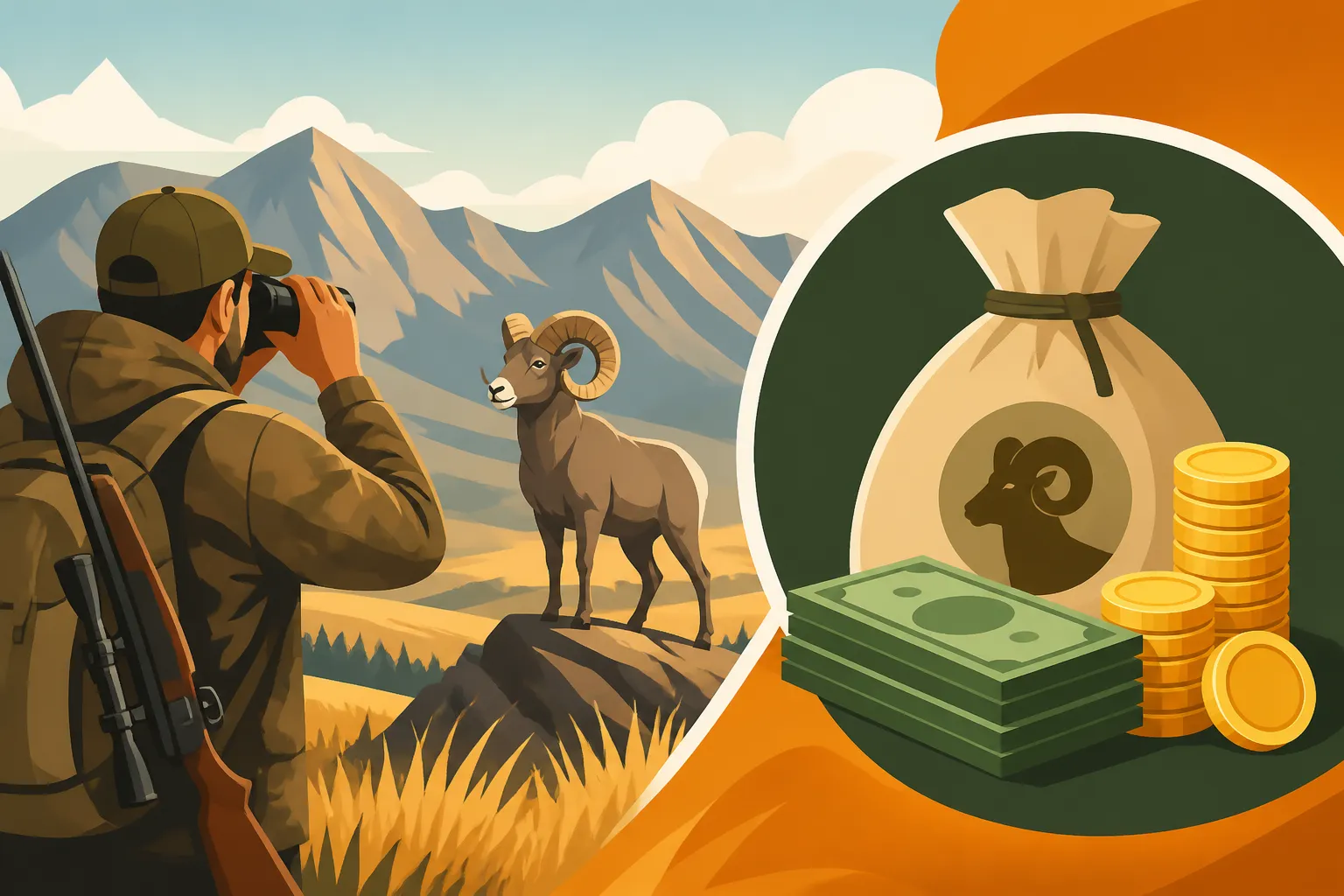
The dream of hunting bighorn sheep in Wyoming stirs a deep longing in many hunters, but the reality of pursuing one of these majestic animals often comes with a hefty price tag. For many, the first step is simply trying to wrap their heads around what a guided sheep hunt actually costs, and let me tell you, it's a conversation that can feel overwhelming before you even start looking at the numbers. This guide is here to demystify those cost expectations, giving you a realistic picture of the investment involved in chasing Wyoming bighorns.
The Sticker Shock of Wyoming Bighorn Sheep Hunts
When people first start researching a bighorn sheep hunt, the price often comes as a surprise, even to seasoned big game hunters. It’s not just a little more expensive than a guided elk hunt; it’s often in a completely different financial galaxy. This isn't just about a longer hunt or fancier meals; it's about the sheer rarity of the opportunity and the extreme logistics involved.
Why Sheep Hunts Sit in a League of Their Own
Think about it: bighorn sheep live in some of the most unforgiving, remote, and breathtakingly beautiful country on the planet. We're talking about high-altitude, rugged mountains where every step is a challenge, and the air is thin enough to make your lungs burn. The animals themselves are incredibly elusive, wary, and often found in low densities. This isn't a whitetail hunt from a treestand in a woodlot; this is an expedition.
The tags for bighorn sheep are among the most coveted and difficult to draw in Wyoming, especially for non-residents. We're talking about Bighorn Sheep Random Draw Odds Explained that can be incredibly slim, making every tag drawn a true lottery win. This rarity alone drives up the value of any available hunting opportunity, whether it's through the draw or an outfitter. Outfitters who specialize in sheep often spend months, sometimes years, scouting these remote areas, learning the habits of specific rams, and building the infrastructure to get hunters into and out of these extreme environments safely and effectively. It’s specialized work, requiring specialized knowledge and equipment, which naturally commands a higher price.
Breaking Down the Core Financial Outlays
When you start to add up the various components, you'll see why the overall cost is so significant. The actual license or tag fee from the state is just one piece of the puzzle. While it’s certainly not insignificant for non-residents (think in the range of what a premium elk license costs – see Wyoming Nonresident Tags Run $326 to $1,965 for general context), it's often a fraction of the total expedition cost.
The largest chunk of your investment will undoubtedly go to the outfitter. This fee covers their expertise, the guides, horses, specialized equipment, food, fuel, and all the myriad details that make a hunt in the high country possible. Beyond that, you'll need to factor in travel to and from Wyoming, often involving flights and potentially a rental vehicle. Then there's the gear—and for sheep hunting, this isn't gear you skimp on. High-quality boots, optics, clothing layers, and a reliable rifle are absolute necessities. Finally, consider the costs after the shot: meat processing, taxidermy, and potentially shipping your trophy home. These "after the hunt" expenses can easily add thousands more to your budget. It's a significant financial commitment, but for many, the chance to chase a bighorn in the rugged Wyoming mountains is truly a once-in-a-lifetime endeavor, similar to the multi-decade wait for a Shiras Moose: A Wyoming Tag Measured in Decades.
Understanding the Components of an Outfitter's Price Tag
When you look at the price for a guided sheep hunt, it’s not just a random number an outfitter pulls out of thin air. It’s a reflection of immense effort, specialized skills, and extensive resources. Understanding these components can help you appreciate the value, even as you confront the cost.
The Expertise and Experience You're Paying For
A top-tier sheep guide isn't just someone who knows how to walk in the mountains. They are masters of their craft, possessing an intimate knowledge of specific hunt districts, the terrain, and the often-unpredictable habits of bighorn sheep. They've spent countless hours, often over many seasons, glassing ridgelines, identifying escape routes, and understanding how sheep react to pressure or weather changes. This isn't something you learn overnight; it's a deep, accumulated wisdom forged through years of challenging hunts.
You're paying for their ability to read sign, to locate rams in seemingly impossible terrain, and to execute a stalk that often demands extreme physical prowess and mental fortitude. They know the subtle nuances of Reading Wind on an Open-Country Stalk in high elevations, how to navigate treacherous rockslides, and when to push hard versus when to pull back. In Wyoming, non-residents hunting in designated wilderness areas often require a licensed guide, and the state specifies Wyoming Requires One Guide for Every Two Nonresident Hunters, which directly impacts staffing needs and, therefore, cost. This requirement ensures safety and compliance, but it also adds to the operational expenses for outfitters operating in areas like the Wind River or Teton Wilderness.
Logistics and Support: Beyond the Guide's Knowledge
Getting into and out of prime sheep country is a logistical puzzle that most hunters simply couldn't manage on their own, especially in a limited timeframe. This is where a significant portion of the outfitter’s fee comes into play. Many sheep hunts involve extensive use of pack strings—horses and mules—to carry gear, food, water, and eventually, the animal out of the mountains. This means the outfitter needs to maintain a herd of reliable animals, hire experienced wranglers, and manage all the logistics of getting these animals, and all the supplies, deep into the backcountry. You can learn more about this specialized service in Pack String Outfitters Working in Wyoming.
Beyond the animals, there's the entire camp infrastructure. This could be a base camp set up by vehicle, but more often for sheep, it involves spike camps established far from any road. This means durable tents, cooking equipment, food that can sustain you in physically demanding conditions, and safety measures like satellite communication devices. Think about the fuel needed for generators (if used), the propane for heaters and stoves, and the sheer effort of hauling every single item in and out. It’s an enormous undertaking, designed to keep you comfortable and safe in an otherwise inhospitable environment, and these elements are critical to a successful and enjoyable hunt.
The Value of Private Land Access and Unique Opportunities
While many dream of a public land sheep hunt, some outfitters have established relationships with private landowners whose properties either hold huntable sheep populations or provide crucial access points to prime public land. Acquiring and maintaining these access agreements is another part of the outfitter's business model, and that value is reflected in the hunt price. Getting a Wyoming Landowner Tag Through an Outfitter can be a way to secure a hunting opportunity, though it generally comes at a premium.
This private land access can offer a few advantages: sometimes, it means less hunting pressure, potentially higher success rates due to more contained animal populations, or simply a less arduous journey to reach the sheep’s habitat. These unique opportunities can command an even higher fee, as they offer something truly distinct from the competitive public draw. It’s a way for outfitters to provide high-demand hunts when public land tags are scarce.
What's Typically Included (and Not Included) in a Sheep Hunt Package
Understanding what your outfitter’s fee covers, and equally important, what it doesn’t, is crucial for accurate budgeting. This conversation should happen early and clearly with any outfitter you consider.
The Standard Package Inclusions
Most guided sheep hunt packages will include the core elements that make the hunt possible once you arrive at the designated meeting point. This almost always means the services of a professional guide, ensuring you have experienced assistance in finding and harvesting a ram. All meals while you are in camp or actively hunting are typically covered, which for a high-country sheep hunt, will likely be hearty, filling, and designed to fuel demanding days. Your lodging, whether it’s a comfortable wall tent, a more rustic spike camp, or even a basic cabin, is also part of the package.
Furthermore, outfitters will usually handle the field care of your meat and trophy once an animal is down. This means quartering the animal, caping for taxidermy, and ensuring the meat is cooled properly for transport. Transportation during the actual hunt, often via horseback or 4×4 vehicles (where allowed), is also standard. These inclusions allow you to focus on the hunt itself, rather than worrying about the day-to-day logistics of survival in the wilderness.
Common Exclusions and Hidden Costs to Budget For
Now for the often-overlooked part: what’s not included. This is where many hunters get caught off guard, so let’s be realistic. First and foremost, your hunting license and tag fees are almost never part of the outfitter's price. You'll pay these directly to Wyoming Game and Fish.
Your travel to and from Wyoming, including airfare, rental cars, and any pre- or post-hunt hotel stays, will be your responsibility. High-quality hunting gear, as mentioned before, is a significant personal expense. Don't forget specialty optics like a powerful spotting scope and tripod, which are invaluable for sheep hunting.
After the successful hunt, expect costs for professional meat processing and taxidermy. If you plan to ship your meat or trophy, factor in those shipping fees. Perhaps the most significant "hidden" cost, but one that is absolutely expected, is the tip for your guide and camp staff. This is a crucial part of their income, and a generous tip for a good experience is customary. A good rule of thumb is 10-20% of the hunt cost, but it's always worth discussing expectations with the outfitter beforehand. How Much to Tip a Hunting Guide can provide more detailed guidance on this.
Finally, always have a contingency budget for unforeseen circumstances. Weather delays could mean extra nights in a hotel, or unexpected gear failures could require last-minute purchases. Being prepared for these eventualities will save you stress down the line.
The Spectrum of "Guided" Options: Full Service vs. Drop Camp
Not all guided hunts are created equal, and the level of service directly impacts the price.
- Fully Guided: This is the premium experience, where the outfitter and guide handle virtually everything from the moment you arrive at the trailhead. They lead the entire hunt, cook all meals, set up and take down camp, and provide comprehensive support throughout. This offers the highest chance of success and the most comfortable, least strenuous experience, and thus, it comes with the highest price tag.
- Drop Camps: For the more self-sufficient hunter looking to cut costs while still benefiting from logistical support, a drop camp is an appealing option. With a drop camp, the outfitter packs you and your gear into a pre-established camp (or simply drops off camp supplies) in a promising hunting area, then leaves you to hunt on your own. They typically return on a pre-arranged date to pack you and any harvested game out. This means you do your own cooking, navigate independently, and handle all the day-to-day camp chores. It requires more personal hunting skill and backcountry experience but significantly reduces the overall cost. You can learn more about this option in Wyoming Drop Camp Hunts Explained.
- Semi-Guided: Some outfitters offer semi-guided options, which are a hybrid between fully guided and drop camps. This might mean the outfitter provides a camp, some scouting information, and perhaps an initial ride into an area, but you hunt independently or with less direct guide involvement. These options can offer a middle-ground in terms of cost and independence.
The choice between these options depends on your budget, your hunting style, and your experience level in extreme backcountry conditions.
Navigating the Market and Planning Your Investment
Committing to a guided sheep hunt is a huge decision, both financially and emotionally. It requires diligent research and careful planning. You're not just booking a trip; you're investing in an experience of a lifetime.
Researching Outfitters and Comparing Quotes
The first step in planning your hunt is to thoroughly research potential outfitters. Don't just pick the first name you see. Start by looking at reputable online platforms like BookYourHunt or GoHunt. These sites often list multiple outfitters, provide details on their offerings, and sometimes include client reviews. This can give you a good starting point for comparison.
Once you have a few outfitters in mind, reach out to them directly. This is where you need to ask a lot of detailed questions. Inquire about their experience specifically with bighorn sheep in the hunt district you're interested in. Ask about their typical success rates for sheep, but also clarify what "success" means to them (harvest opportunity vs. actual harvest). Get a clear breakdown of everything included in their package and, crucially, a list of all potential extra costs. Always ask for recent client references—and make sure to call them! Their experiences will be invaluable. Check out Vetting a Wyoming Outfitter Before You Send a Deposit for a comprehensive list of questions to ask.
It's tempting to focus solely on the price tag, but remember that the cheapest option might not always be the best value, especially for a hunt as demanding as sheep. Consider the outfitter's reputation, their safety record, and the quality of their equipment and staff.
The Non-Resident Draw Challenge and Outfitter Strategies
For many non-resident hunters, drawing a bighorn sheep tag in Wyoming is an extremely long shot. As we touched on earlier, Wyoming Bighorn Sheep Random Odds Sit Under One Percent, making it one of the toughest draws in the West. This reality shapes how many non-residents approach a sheep hunt.
Outfitters often play a crucial role here. Some outfitters may have private land access that allows for sheep hunting opportunities outside of the general public draw, or they may operate under specific allocations that can significantly increase a client's chances of getting a tag. They might also assist clients in navigating the complex application process, advising on which units to apply for based on their historical success and knowledge of herd dynamics. While no outfitter can guarantee you'll draw a public land tag, their expertise can be a major asset in maximizing your odds or in finding alternative routes to a hunt. Be sure to discuss their approach to tag acquisition and how they handle it for their non-resident clients.
When to Book and Payment Considerations
Sheep hunts, particularly fully guided ones, are often booked years in advance. Because of the limited number of tags and the sheer demand for this experience, outfitters' calendars fill up quickly. If you're serious about a sheep hunt, start planning and contacting outfitters at least 1-3 years out, sometimes even longer if you're aiming for a very specific unit or guide. The general advice to Book Your Wyoming Hunt Before the Draw Runs applies especially to sheep, as outfitters need to plan their seasons and resources.
When you do book, you’ll typically be asked for a deposit. This deposit can range from 25% to 50% of the total hunt cost and is usually non-refundable, especially as the hunt date approaches. Understand the payment schedule: when are subsequent payments due, and what is the final payment deadline?
Crucially, review the outfitter's cancellation and refund policy very carefully. What happens if you have to cancel? What if the outfitter has to cancel due to unforeseen circumstances (e.g., wildfires, guide illness)? What if you fail to draw a tag? Some outfitters offer a rollover option for your deposit if you don't draw, while others might retain it. Travel insurance, particularly hunt-specific travel insurance, can be a wise investment to protect your financial commitment against unexpected events. Don't hesitate to ask for a written contract and review every clause before signing.
Disclaimer
This article is for general informational purposes only and does not constitute professional advice. Laws, prices and regulations vary by location and change over time. Consult a qualified professional for guidance on your specific situation.