Drop Camp Against Semi-Guided Hunts
Embarking on a Wyoming hunting adventure is the dream for so many of us, but when it comes to booking that trip, the options can quickly feel overwhelming. You've heard about "drop camps" and "semi-guided hunts," and maybe you're scratching your head, wondering what the real difference is and which one actually fits your style and budget. It's a common dilemma, and one that can make or break your experience out West. This guide is here to untangle the jargon, lay out the realities of both choices, and help you figure out which path leads to your ideal Wyoming hunt.
Understanding Drop Camp Hunts in Wyoming
A drop camp hunt is often seen as the ultimate independent adventure for a hunter who wants to go deep into the backcountry without packing in all their gear themselves. It's a fantastic option for those who crave solitude and the challenge of a true DIY hunt, but with a critical assist from an outfitter.
What a Drop Camp Entails
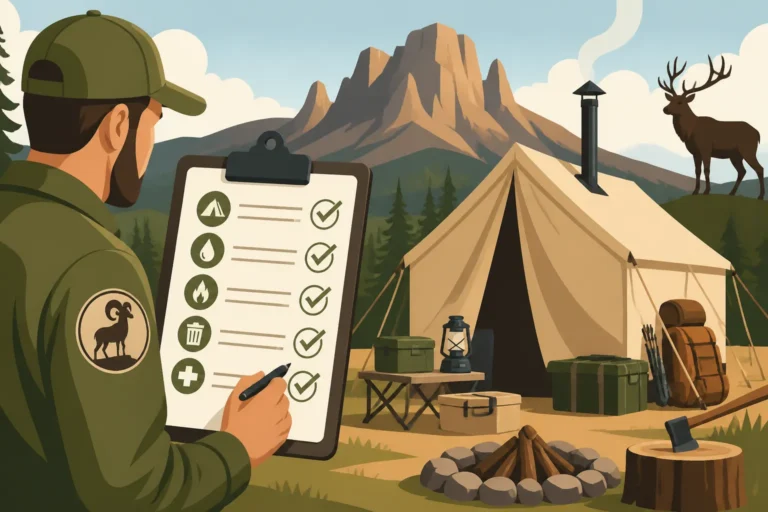
Imagine this: you meet your outfitter at a trailhead, often somewhere like the Bridger-Teton National Forest or the Shoshone. You've got your personal gear, rifle or bow, and food. The outfitter, using horses or mules, packs you and your equipment, sometimes including an already set-up camp, several miles into the wilderness. They "drop" you off, usually with a tent, cooking stove, cots, and basic amenities, and then they leave. You're on your own for the duration of your hunt. At a pre-arranged time and location, they return to pack out you, your camp, and hopefully, your game.
This isn't a simple car camp. We're talking about legitimate backcountry access, often in areas that would be incredibly difficult, if not impossible, to reach on your own without extensive packing experience and stock. The outfitter is your transportation, your beast of burden, and your lifeline to the front country. Once they leave, however, the hunting, the navigation, the cooking, and all the day-to-day camp chores fall squarely on your shoulders. It's a significant commitment to self-reliance, giving you the freedom to hunt exactly how and where you want within your chosen area. The exact inclusions can vary wildly between outfitters, so always get a detailed list.
The Advantages of a Drop Camp
One of the biggest draws of a drop camp is the cost. While certainly not cheap, they are generally much more affordable than a fully guided hunt. You're paying for transportation, equipment setup, and game retrieval, not for a guide to be with you every minute of every day. This makes a deep wilderness experience accessible to more hunters who might not have the budget for a traditional guided trip. For example, sites like BookYourHunt often list drop camp options that are a fraction of the price of a full-service experience.
Beyond cost, the independence is unparalleled. You wake up when you want, scout the ridges that call to you, and make all your own hunting decisions. There's no pressure to keep up with a guide or conform to their schedule. This is your hunt, your way. For experienced hunters who pride themselves on their tracking, calling, and navigation skills, a drop camp offers the perfect canvas to test those abilities in a wild, remote setting. It truly feels like an earned experience when you're responsible for everything from locating game to field dressing and quartering your trophy.
Finally, drop camps get you into prime, often less-pressured areas. If you're looking to hunt elk far from the roads and ATV trails, or chase Wyoming Elk, the Feedgrounds and the Disease Question in their natural mountain habitat, a drop camp is often the ticket. The physical and mental challenge of navigating and hunting deep in the wilderness is a huge part of the appeal for many. It's an opportunity to truly disconnect and immerse yourself in the wild.
The Challenges and Considerations of a Drop Camp
While the independence is a huge pro, it's also the biggest challenge. With a drop camp, you are the guide. This means you need to possess strong navigation skills, including map and compass proficiency, as GPS devices can fail. You'll need to know how to set up an effective camp, cook in backcountry conditions, and manage all your gear. Crucially, you're responsible for all hunting decisions, from where to set up your ambush to how to call in a bull. There's no expert whispering advice in your ear.
Game retrieval is another massive consideration. If you tag a big bull elk miles from camp and a long way from the pickup point, it's on you and your hunting partners to get that meat back. This often involves multiple trips with heavy packs, even if the outfitter will eventually pick up the quarters. Field Dressing and Carcass Transport Rules Explained are critical to know. Weather can turn on a dime in the Wyoming mountains, and you need to be prepared for anything from warm sun to blizzard conditions, sometimes in the same day. Medical emergencies are also a serious concern; you're often hours, or even a full day, from professional help, requiring robust wilderness first aid knowledge and communication plans.
Lastly, you won't have the immediate, on-the-ground intelligence that a guide provides. A guide spends countless days in their specific area and often knows exactly where the animals are patterned, what waterholes they prefer, or which draws hold bedded bucks. In a drop camp, you rely entirely on your own scouting (which you should absolutely do thoroughly beforehand, perhaps using a tool like GoHunt's mapping features) and your ability to read the terrain and sign. It's a higher-risk, higher-reward scenario, and certainly not for the faint of heart or the inexperienced hunter.
Decoding Semi-Guided Hunts in Wyoming
For many hunters, the idea of a fully guided hunt might be out of reach financially, or perhaps they simply don't want someone holding their hand every step of the way. This is where the semi-guided hunt truly shines, offering a flexible middle ground that combines professional assistance with ample personal freedom.
What a Semi-Guided Hunt Offers
A semi-guided hunt is a fantastic hybrid. You get significant support from an outfitter, but you retain a lot of the actual hunting decisions and execution. Typically, a semi-guided package includes a comfortable base camp (which might be a lodge, wall tents, or cabins), meals, and often transportation to and from prime hunting areas each day. The outfitter or a designated guide will provide invaluable local knowledge—think recent elk movement patterns, where the mule deer are watering, or which canyons hold the biggest bucks. They'll often drop you off in a promising area, give you specific advice on how to hunt it, and then pick you up at the end of the day.
Crucially, a semi-guided hunt usually includes assistance with game retrieval. This is a game-changer for many, especially if you've never had to pack out an elk from rugged terrain. If you down an animal, the outfitter's team will often help you quarter it and get it back to camp or to a cooler. This takes a massive physical burden off your shoulders. Some semi-guided operations might even offer basic instruction on tracking or field dressing, making it a valuable learning experience for those looking to build their skills without being entirely on their own.
The Benefits of Semi-Guided Hunts
The most significant benefit of a semi-guided hunt is the balance it strikes. You still get to make many of your own hunting choices and experience the thrill of the stalk and the shot on your terms, but you have a strong support system backing you up. This dramatically reduces the logistical stress. Imagine returning to a warm meal and a comfortable bed after a long day of hunting, rather than having to chop firewood and cook over a camp stove.
Access to prime hunting grounds is another huge plus. Many outfitters running semi-guided hunts have permits for specific public land areas or have secured access to large tracts of private land. This can open up opportunities that would be impossible for a DIY hunter to access on their own. The local intel provided by the outfitter or guide is incredibly valuable; they know the terrain, the game's habits, and often have a finger on the pulse of current conditions. This can significantly increase your chances of success, especially in challenging areas like those discussed in Hunting the Shoshone in Northwest Wyoming or the Bighorns.
Furthermore, the assistance with game retrieval cannot be overstated. Packing out an animal, especially a large one like an elk, is one of the most physically demanding parts of a Western hunt. Having help with this ensures that your hard-earned meat makes it home safely and minimizes the risk of injury. It also frees up your energy to focus on the hunt itself, rather than constantly worrying about the logistics of extraction.
Potential Drawbacks of Semi-Guided Hunts
While a semi-guided hunt offers a great middle ground, it does come with its own set of considerations. The primary one is cost. It will inevitably be more expensive than a drop camp because you're receiving a higher level of service—meals, lodging, daily transportation, and retrieval assistance all add up. While still less than a fully guided experience, it requires a more substantial investment.
Another aspect to consider is the level of independence. While you're not constantly being led, you might have less flexibility than a true drop camp. You'll likely be tied to the outfitter's schedule for breakfast, dinner, and daily drop-offs/pick-ups. The outfitter will also likely dictate the general hunting areas you're dropped into, even if you have freedom to roam once there. If you're someone who thrives on absolute, complete autonomy, even the semi-guided approach might feel a bit restrictive.
Finally, while you get local knowledge, it's not the same as having a guide with you to interpret every track, predict every animal movement, or provide real-time coaching. You still need strong hunting skills, including tracking, glassing (useful for areas like those discussed in Optics Power for Wyoming's Long Sightlines), and shot placement. The outfitter is there to facilitate, not to hunt for you. If you’re a newer hunter who truly needs constant direct instruction, a semi-guided hunt might still leave you feeling a bit under-supported in the field.
Key Differences and Making Your Choice
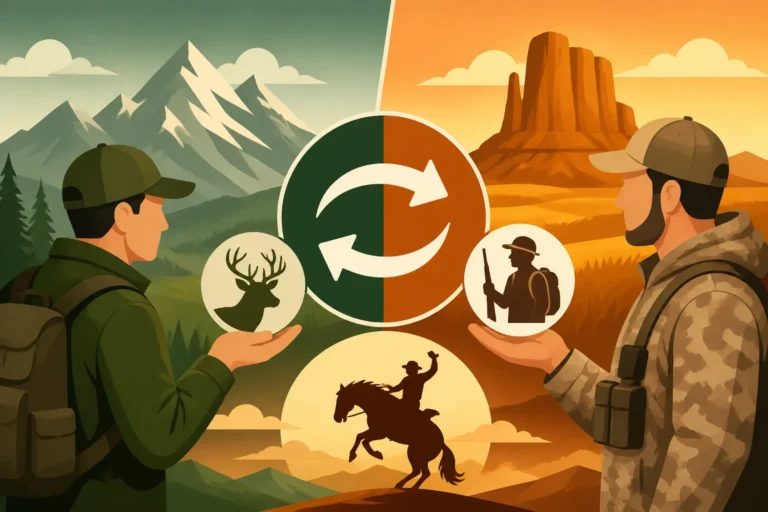
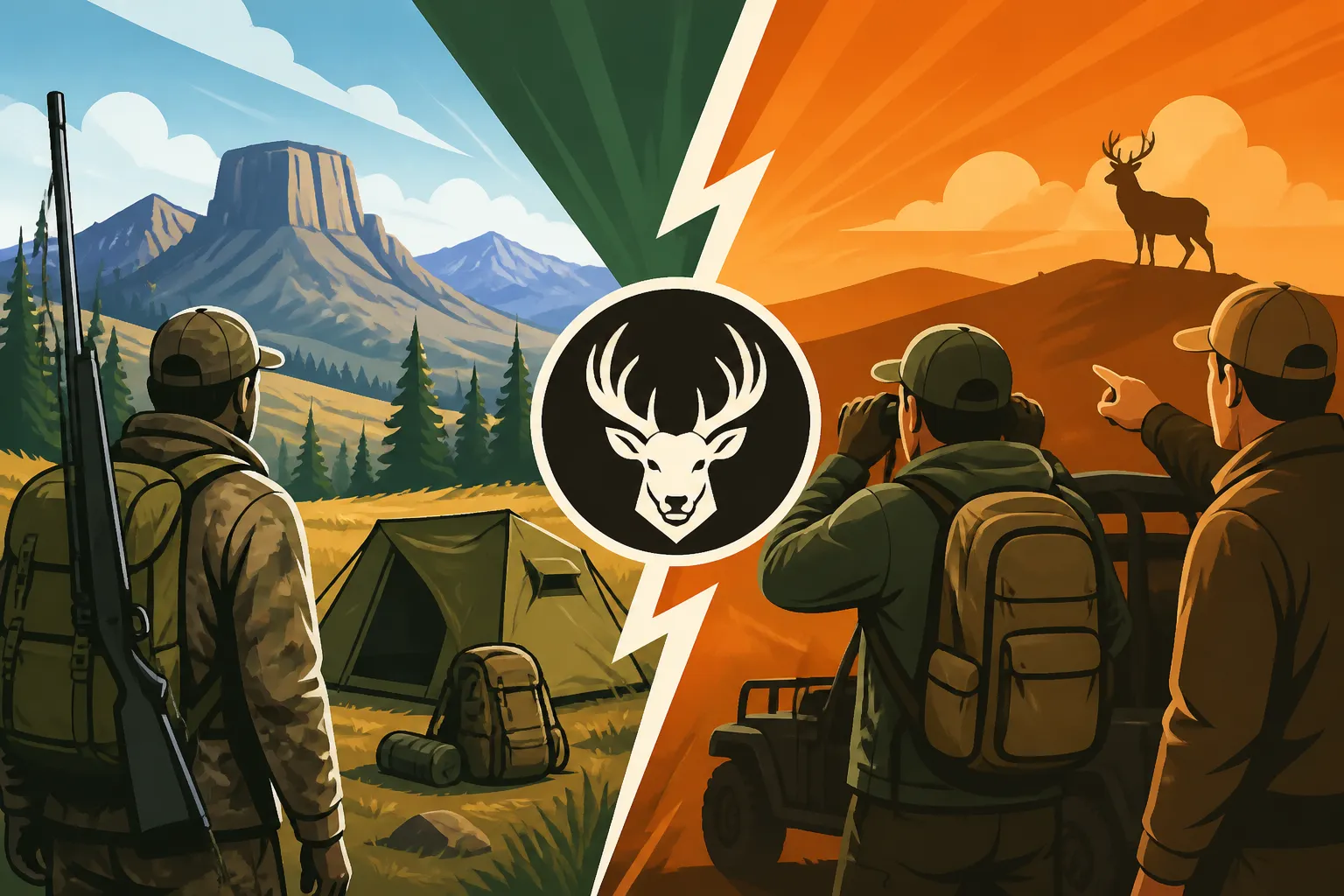
Deciding between a drop camp and a semi-guided hunt often comes down to an honest assessment of your budget, your hunting experience, and your desired level of comfort and support. There's no single "best" option; it's about finding the right fit for you.
Cost, Service Level, and Independence Compared
Let's break down the core differences in a simple way.
| Feature | Drop Camp Hunt | Semi-Guided Hunt |
|---|---|---|
| Cost | Lower; pay for pack-in/out, camp equipment | Moderate; includes lodging, meals, transport, retrieval |
| Service Level | Minimal; primarily logistical support | Hybrid; significant logistical support, intel, game help |
| Independence | High; entirely self-reliant in the field | Moderate; self-hunts but follows outfitter schedule |
| Local Knowledge | Very limited on-the-ground intel from outfitter | Good; daily intel on game movement and areas |
| Meals/Lodging | DIY; responsible for all your own food and sleep | Provided; comfortable camp/lodge and prepared meals |
| Game Retrieval | Primarily DIY, outfitter picks up quarters/carcass | Assisted; outfitter helps with quartering and transport |
| Emergency Support | Remote; self-reliant until scheduled pickup | More immediate; outfitter usually nearby or reachable |
When considering cost, remember that a drop camp's lower upfront price might hide additional expenses like specialized backcountry food, extra gear you need to buy, or unforeseen emergency costs. Semi-guided hunts, while more expensive, often bundle these necessities, providing a more predictable overall budget. Many hunters use platforms like GoHunt to research potential outfitters and their offerings, which can help in comparing these packages. For those who prioritize total freedom and immersion in the wilderness, the lower service level of a drop camp is precisely the appeal. However, if having a warm meal, a dry place to sleep, and help with the heaviest lifting after a kill sounds good, the semi-guided option starts to look very attractive.
Experience Level and Physical Demands
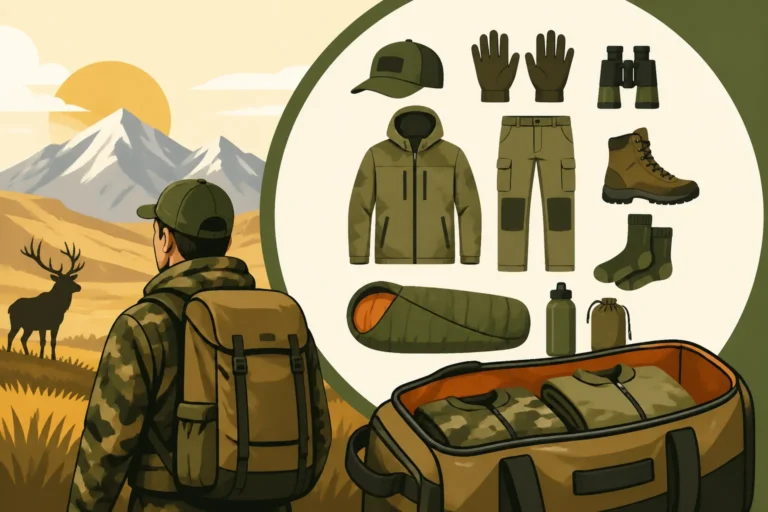
Your personal hunting experience is perhaps the most critical factor. If you're a seasoned backcountry hunter with years of experience navigating off-trail, field dressing big game, and weathering unexpected storms, a drop camp is a natural fit. You've honed those survival and hunting skills, and you're eager to apply them in a challenging environment. You understand the physical demands of carrying a heavy pack, possibly over several miles, and you've conditioned yourself for it. Think about the requirements for a high-country elk hunt in areas like those described in Recurve, Longbow or Compound for Western Elk, which demands serious physical prowess and mental grit.
For those who are newer to Western hunting, or perhaps have plenty of experience but prefer not to tackle all the logistical challenges alone, a semi-guided hunt offers a much smoother entry. You still need to be physically capable of hiking and hunting hard—the mountains don't get any smaller with a guide nearby—but you don't carry the full weight of self-sufficiency. The outfitter's intel and logistical support act as a valuable safety net and a learning opportunity. It allows you to focus more on the hunt itself and less on the complexities of backcountry living. It's an excellent stepping stone for those aspiring to do a fully DIY drop camp hunt in the future.
Access and Logistical Support
Access is a huge differentiator. Some of the best hunting areas, especially on vast public lands, are simply too remote or difficult to reach without stock. Drop camps provide this critical access, allowing you to bypass congested trailheads and penetrate deep into wilderness areas, which may even require Wyoming's Wilderness Guide Law for Nonresidents depending on species. This ability to get away from the crowds can significantly improve your chances of encountering less pressured animals.
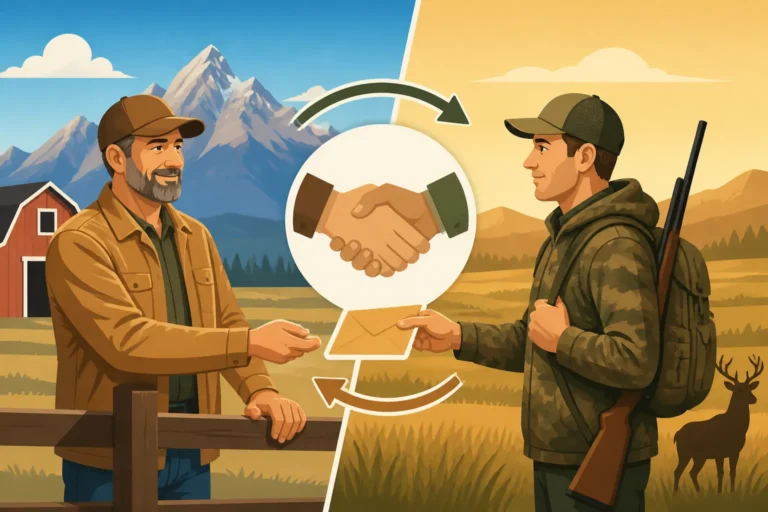
Semi-guided hunts often provide access as well, sometimes to private land that would otherwise be off-limits, or through specific public land permits that the outfitter holds. But the logistical support goes beyond just getting there. Having a hot meal waiting for you, a warm tent or cabin to sleep in, and someone to help you retrieve your downed animal are massive comforts and practical advantages. Think about what a difference it makes to have help with Meat Processing and Shipping Costs After a Hunt compared to doing it all yourself in a remote camp. It significantly reduces the physical and mental toll of a demanding hunt, allowing you to stay fresh and focused day after day.
Ultimately, your choice boils down to how much "heavy lifting" you want to do yourself versus how much you're willing to pay for an outfitter to handle. If you live for the challenge and the raw independence of total self-reliance, a drop camp is your adventure. If you want to hunt hard, benefit from local expertise, and appreciate coming back to a well-supported camp, then a semi-guided hunt is likely the perfect fit. Researching reputable outfitters on sites like BookYourHunt can give you a clearer picture of what each type of experience truly offers.
Disclaimer
This article is for general informational purposes only and does not constitute professional advice. Laws, prices and regulations vary by location and change over time. Consult a qualified professional for guidance on your specific situation.