Minimum Age to Hunt Big Game in Wyoming
One of the biggest questions that often pops up in family discussions about hitting the Wyoming wilds, especially with eager youngsters in tow, is "how old do you actually have to be to hunt big game here?" It’s a common point of confusion, with rules varying wildly from state to state and often depending on the specific type of animal you're pursuing. This guide will meticulously break down Wyoming's minimum age requirements for big game hunting, explain the critical role of hunter education, and explore the mentored hunting options available for younger aspiring hunters, helping families navigate the regulations to plan their adventures.
The Core Rule: Minimum Age for Big Game in Wyoming
Let's cut right to the chase for big game hunting in Wyoming. If you're dreaming of chasing elk, deer, or antelope, there’s a clear age you need to hit, and it comes hand-in-hand with an essential certification. It’s not just about being old enough to hold a rifle or draw a bow; it’s about being prepared, responsible, and understanding the ethics that come with hunting in such a wild and special place.
Age 12 and Hunter Education: The Starting Line
In Wyoming, the golden number for getting your first big game license is 12 years old. That's the age when a young hunter can officially apply for and purchase a license to hunt species like mule deer, elk, or pronghorn on their own. But simply reaching twelve isn't enough; this milestone must be paired with another crucial requirement: hunter education. Every hunter born after January 1, 1965, must possess proof of hunter education certification to legally hunt in Wyoming. This means that a 12-year-old aspiring big game hunter will absolutely need to complete an approved hunter education course before they can even think about punching a tag. The Wyoming Game and Fish Department is very clear on this, and it’s a foundational aspect of responsible hunting in the state. They want to ensure that every new hunter, regardless of age, has a solid understanding of firearm safety, wildlife identification, conservation principles, and hunting ethics.
What "Big Game" Means in Wyoming
When we talk about "big game" in Wyoming, we're referring to a specific list of animals that carry with them a set of unique regulations, seasons, and often, higher stakes. This isn't your backyard rabbit hunt or a quick pheasant outing. In the Cowboy State, big game generally includes:
- Elk
- Mule Deer
- Whitetail Deer
- Pronghorn (Antelope)
- Moose
- Bighorn Sheep
- Mountain Goat
- Black Bear
- Mountain Lion
- Bison
Each of these species presents its own challenges, and hunting them demands a certain level of physical and mental readiness, which is why the age and education requirements are so significant. It's also important to note that these regulations are distinct from those for "small game" (like rabbits, squirrels, or furbearers) or "trophy game" (like wolves in specific areas) or even migratory birds, which might have different age or educational prerequisites. For instance, you don't need to be 12 to hunt prairie dogs, but for a bull elk, it's a non-negotiable.
Mentored Hunts: An Early Start with Caveats
While 12 is the general rule for buying your own big game license, Wyoming does offer a fantastic opportunity for even younger hunters to experience the thrill of the chase under very specific and tightly regulated conditions. This isn't a free-for-all; it's a structured program designed to introduce youth to hunting in a safe, ethical, and highly supervised manner.
The Mentored Hunter Program: How it Works
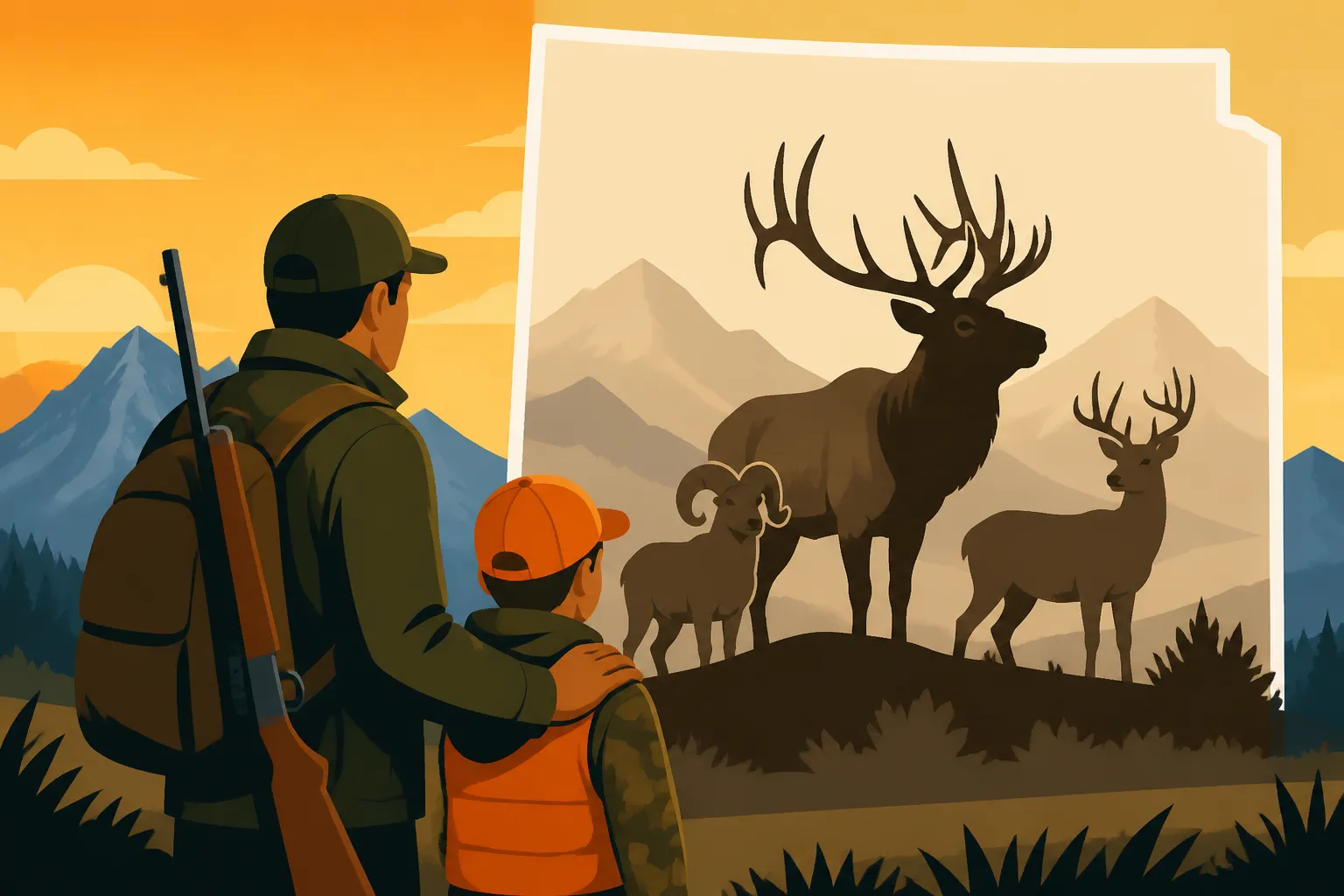
The Wyoming Game and Fish Department understands the importance of passing on our hunting heritage, and they've created the Mentored Hunter Program to facilitate just that. This program allows youth under the age of 12 to participate in hunting big game, and even other species, provided they are accompanied by a qualified adult mentor. The key here is the mentor – they are the licensed, experienced hunter who takes on the responsibility of directly supervising the youth.
Under this program, the youth doesn't purchase their own license. Instead, they hunt under the mentor's license. If the mentored youth harvests an animal, that animal counts against the mentor's license quota for that specific species. This means the mentor needs to have an un-filled tag for the animal the youth is pursuing. It’s a wonderful way to introduce a child to the field, allowing them to learn about wildlife, tracking, calling, and the sheer effort involved in a hunt, all before they're old enough to carry their own tag. It's not a shortcut around Anyone Born After 1965 Needs Wyoming Hunter Education, but rather an avenue for pre-certification, hands-on learning. The goal is to build a strong foundation of knowledge and respect for the outdoors.
Mentor Requirements and Responsibilities
Becoming a mentor in Wyoming isn't just about being an adult with a hunting license. The state sets clear requirements to ensure the safety and proper education of the youth involved. A mentor must be:
- At least 18 years of age. This ensures a level of adult responsibility and maturity.
- Certified in hunter education. Just like anyone else born after 1965, the mentor must have completed an approved hunter education course. This underscores the state's commitment to safety and ethics.
- Possess a valid Wyoming hunting license for the species being hunted, along with all necessary stamps (like the Conservation Stamp).
- Complete a special authorization certificate from the Wyoming Game and Fish Department, designating them as a mentor for a specific youth. This isn't just a handshake agreement; it's official.
- Maintain "direct supervision" of the mentored youth while hunting. This is a critical point. Direct supervision means the mentor must be within sight and normal voice contact of the mentored youth at all times. You can't just drop off a youngster with a rifle and tell them to meet you back at the truck in an hour; you need to be right there with them, guiding every step and decision. For more details, check out the article on Direct Supervision Means Sight and Voice Contact.
The responsibilities of a mentor are immense. They are teaching the future generation of hunters. This includes everything from proper firearm handling and shot placement to ethical considerations like fair chase, knowing regulations, and proper field dressing. It's a commitment, but one that many experienced hunters find incredibly rewarding, watching a young hunter's eyes light up after a successful stalk or a perfectly executed shot. GoHunt's resources can be really helpful here for mentors looking to brush up on specific area regulations or success rates before taking a mentee out.
Hunter Education: A Crucial Prerequisite, Regardless of Age
We've touched on it already, but hunter education in Wyoming is such a fundamental pillar of hunting regulations that it deserves its own deep dive. It's not just a hoop to jump through; it's a comprehensive program designed to create safe, responsible, and ethical hunters. Whether you're 12 or 52, if you fit the criteria, this class is non-negotiable.
Wyoming's Hunter Education Birth Year Cutoff
The rule is quite straightforward, but it can still catch some people off guard. In Wyoming, if you were born on or after January 1, 1965, you must successfully complete a hunter education course to purchase a hunting license. This applies to both residents and nonresidents. So, if you're a seasoned hunter from out of state but were born in, say, 1970, you'll need to show proof of hunter education from any state or province that is recognized by Wyoming. The state is serious about ensuring everyone has a baseline of knowledge.
There are various ways to fulfill this requirement. You can take a traditional, in-person classroom course, which often includes hands-on training and a field day. Or, for those with busy schedules, online courses followed by a required field day are also available. Each option has its pros and cons, which are well-covered in resources like Online and Classroom Hunter Education Compared. The key is that the certification must be legitimate and recognized. You can't just watch a few YouTube videos and call it good; there's a real test of knowledge and often practical skills involved. Remember to always have Carrying Proof of Certification in the Field with you.
Why Hunter Education is More Than Just a Class
Hunter education is far more than just learning not to point your gun at someone. It's a holistic approach to responsible outdoor recreation. It delves into:
- Firearm and Archery Safety: This is paramount, covering everything from safe handling, storage, and transport of weapons to understanding ammunition and shooting techniques.
- Hunting Ethics: Learning about fair chase principles, respecting landowners, preventing game waste, and understanding what constitutes legal hunting practices.
- Wildlife Identification and Biology: Being able to correctly identify species, understand their habitats, and know about conservation efforts. This is especially crucial in a state with diverse big game like Wyoming.
- Survival and First Aid: Basic wilderness survival skills, what to do in an emergency, and how to handle injuries in remote areas.
- Regulations and Laws: A thorough understanding of state hunting laws, season dates, bag limits, and specific rules for different hunt areas. This is where tools like the Wyoming Hunt Planner, or detailed applications such as GoHunt's Insider platform, can really complement the foundational knowledge gained in a hunter education course, allowing you to research specific units and draw odds.
For young hunters, especially, this foundation is invaluable. It instills a deep respect for the animals, the land, and other hunters. It teaches them to be self-reliant but also how to be good partners in the field. It’s about cultivating a responsible outdoor citizen, not just someone who pulls a trigger.
Practical Considerations for Young Hunters and Their Families
Beyond the age and education requirements, there are some very real, practical aspects families need to consider when introducing youth to big game hunting in Wyoming. This isn't just about legality; it's about setting up a young hunter for success, safety, and a lifelong love of the outdoors.
Physical and Mental Readiness for the Field
While the law says 12, maturity isn't always a number. Big game hunting in Wyoming can be physically demanding. Think about stalking a How Far to Stalk a Bedded Pronghorn across open sagebrush or climbing elevation for elk. A young hunter needs to be physically capable of hiking long distances, often in challenging terrain and varying weather conditions. Are they strong enough to comfortably carry their weapon, a pack, and potentially help with game retrieval?
Mentally, big game hunting requires patience, focus, and emotional resilience. There will be early mornings, cold nights, and often, no game. A young hunter needs to be able to handle disappointment, remain quiet and still for long periods, and make quick, ethical decisions under pressure. Are they mature enough to understand the gravity of taking an animal's life and the responsibility that comes with it? These are conversations families should have well before opening day. Often, starting with small game or bird hunting can be a great way to gauge a child's readiness for the more intense experience of big game.
Planning and Gear for Youth Hunts
Proper planning and gear are critical for any hunt, but especially for youth. The "one-size-fits-all" approach rarely works here.
- Weapons: For rifles, consider youth models or adjustable stocks that fit smaller frames. Recoil can be a major issue for young shooters; starting with a lighter-recoiling caliber like a .243 or 6.5 Creedmoor can prevent flinching and build confidence. For archery, a bow with adjustable draw weight and length, such as some of the entry-level compound bows by Bear Archery or Diamond Archery, is essential. Remember, Wyoming has minimum draw weights for bows, like Wyoming Sets Bow Draw Weight at 40 Pounds, 50 for Elk which applies to most big game. Ensure any chosen bow meets these minimums, for example, the Wyoming Minimum Draw Weight for Deer Hunting is 40 pounds.
- Optics: Good quality, lightweight binoculars are crucial for glassing, but make sure they aren't too heavy or bulky for a child to use comfortably.
- Clothing: Layered clothing designed for Wyoming's unpredictable weather is a must. Quality boots that are broken in are non-negotiable for comfort and preventing blisters on long walks.
- Nutrition and Hydration: Ensure they have plenty of water and calorie-dense snacks to maintain energy throughout the day.
- Safety Gear: Beyond the weapon, always have a first-aid kit, communication devices (like a satellite messenger for remote areas), and emergency shelter options.
Organizations like GoHunt often have gear reviews and recommendations specifically tailored for Western hunting, which can be a valuable resource for families looking to outfit a young hunter without breaking the bank or sacrificing quality.
Choosing the Right Species and Hunt Area
Not all big game hunts are created equal, especially for a first-timer.
- Start with accessible species: Pronghorn antelope or mule deer often present a less physically demanding hunt than elk, particularly if you can find areas with easier access and flatter terrain. The odds of success can also be higher, which is a huge confidence booster for a young hunter. Look for areas with Wyoming General Deer Licenses Over the Counter as these might offer easier entry.
- Research hunt areas carefully: Utilize resources like A Walkthrough of the Wyoming Hunt Planner on the Wyoming Game and Fish website, or even better, invest in hunting apps like onX Hunt, to scout potential areas. Look for public land with good access, reasonable terrain, and a healthy population of the desired species. Consider areas where success rates are traditionally higher or where the weather is generally more forgiving during the season.
- Focus on the experience, not just the harvest: While harvesting an animal is the ultimate goal, emphasize the entire hunting experience: the camaraderie, the time spent in nature, learning about wildlife, and developing skills. A hunt where no animal is harvested can still be incredibly successful if the young hunter learns, grows, and has a positive experience. This sets the stage for future hunts, rather than burning them out with overly ambitious or difficult trips.
A well-planned youth hunt, whether it's for their first buck or simply a mentored outing, creates memories that last a lifetime and fosters a deep connection to the land and its wildlife.
Here's a quick reference table summarizing the age and education requirements for big game hunting in Wyoming:
| Category | Requirement | Notes |
|---|---|---|
| Minimum Age | 12 years old to apply for and purchase a big game license. | This is the age for a hunter to hold their own tag. |
| Hunter Education | Required for anyone born on or after January 1, 1965. This applies to all hunters, regardless of age, once they reach the licensing age. | Must be completed from an approved course (Wyoming or another recognized state/province). |
| Mentored Hunting | Youth under 12 may participate in big game hunting under direct supervision of a qualified mentor. | Youth does not need hunter education; hunts under mentor's license. The mentor must have hunter education, be 18+, licensed for the species, and maintain direct sight/voice contact. A special authorization certificate is required. |
| Mentor's Age | 18 years old minimum. | |
| Mentor's Education | Hunter education certified (if born after Jan. 1, 1965). | |
| Mentor's License | Valid Wyoming hunting license for the species being hunted, with appropriate stamps. The harvest counts against the mentor's bag limit. | Mentors are responsible for all aspects of the hunt, including legality, safety, and ethics. Mentors cannot be compensated for guiding. Read more about Mentor Requirements: Eighteen, Certified and Licensed. |
| Proof in Field | All hunters (and mentors) must carry proof of hunter education certification (if required by birth date) and valid licenses/tags. | Make sure all paperwork is in order before heading out. |
| Weapon Specifics | Ensure the weapon (bow or firearm) meets Wyoming's minimum requirements for draw weight, caliber, etc. For example, Wyoming's 40-Pound Minimum for Deer, Antelope and Sheep for vertical bows, or What Wyoming Counts as a Legal Firearm for Big Game for firearms. | Consider youth-specific models for comfortable fit and manageable recoil/draw weight. |
| Species Distinction | These rules specifically apply to "big game" (elk, deer, antelope, moose, sheep, goat, bear, lion, bison). Small game or migratory bird rules may differ. | For example, a youth can pursue How to Get a Wyoming Sandhill Crane Permit under different rules. |
| Planning Resources | Utilize resources from Wyoming Game and Fish Department, onX Hunt, and platforms like GoHunt for detailed regulations, draw odds, and area scouting. The Wyoming Hunt Planner is an excellent starting point for detailed information about specific units and their rules. | Good planning is essential for a safe and successful youth hunt, helping families to understand species distribution and access. |
Disclaimer
The information provided in this article is intended for general guidance and informational purposes only. Hunting regulations in Wyoming are complex and can change. While every effort has been made to ensure accuracy, it is the hunter's responsibility to consult the most current Wyoming Game and Fish Department regulations, available on their official website, before participating in any hunting activity. Always confirm specific requirements, deadlines, and hunt area regulations directly with the Wyoming Game and Fish Department.