The Population Objective for Wyoming Range Deer
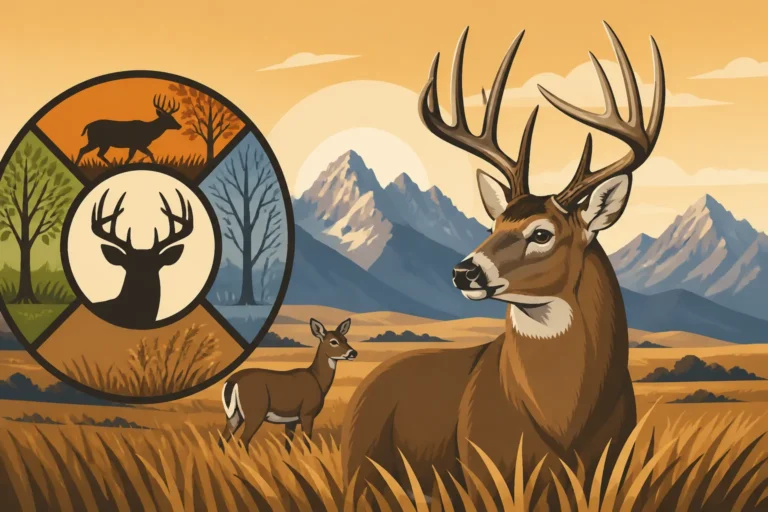
For hunters, biologists, and residents alike, few topics spark as much passionate discussion as the health and future of Wyoming's iconic deer herds. In particular, the mule deer of the Wyoming Range have faced a tough road, and understanding the population objectives set for them is crucial to grasping the challenges and the path forward. This guide will delve into what these population objectives are, why they matter so profoundly, and the complex web of factors influencing the future of the Wyoming Range deer.
What Exactly is a Wildlife Population Objective?
When we talk about wildlife, especially big game like mule deer, it's easy to get caught up in the latest numbers or personal observations. But behind the scenes, wildlife managers are working with something much more strategic: population objectives. These aren't just guesses; they're carefully considered targets that guide nearly every decision made about a herd.
More Than Just a Number: The Purpose of Objectives
A population objective isn't simply the number of deer currently in an area. Instead, it's a desired population level or range that wildlife agencies, like the Wyoming Game and Fish Department (WGFD), aim to maintain for a specific herd. Think of it as a sweet spot – a balance point where the herd can thrive ecologically, provide sustainable hunting opportunities for sportsmen and women, and coexist reasonably with other land uses, including agriculture.
These objectives are put in place to ensure the long-term health and stability of the species. Without them, management would be reactive rather than proactive, leading to boom-and-bust cycles that are detrimental to both the animals and the hunting experience. They consider the carrying capacity of the land, meaning how many animals the habitat can truly support without degrading itself. It's a foundational piece of science-based wildlife management, providing a benchmark against which current population estimates are measured.
The Collaborative Process of Setting Targets
So, who decides what these crucial numbers should be? It's not just a few biologists behind closed doors, though scientific data forms the backbone of the process. Setting population objectives is a truly collaborative effort that involves a broad range of stakeholders. WGFD biologists compile vast amounts of data on herd productivity, survival rates, habitat conditions, and disease prevalence. This scientific foundation is then presented and discussed during public meetings, allowing hunters, landowners, conservation groups, and the general public to weigh in.
Landowner concerns, particularly regarding forage competition with livestock or property damage, are vital considerations. Hunters, through their license purchases and participation in surveys, also provide invaluable input on herd health and desired hunting opportunities. The goal is to strike a balance, which is rarely easy. These objectives aren't set in stone forever; they are periodically reviewed and adjusted as new data emerges, environmental conditions change, or societal values evolve. This adaptive management approach ensures that the objectives remain relevant and effective for a truly dynamic landscape and its wildlife.
The Wyoming Range Deer Herd: A Critical Case Study
The Wyoming Range is a breathtaking expanse of mountains and sagebrush in western Wyoming, and for decades, it was home to one of the state's most robust mule deer herds. However, recent years have brought significant challenges, making the herd's population objective a focal point of concern and conservation efforts.
The Troubling Reality of Recent Declines
The sad truth is that the mule deer in the Wyoming Range, like many western herds, have faced a steep and concerning decline. Many refer to this situation with the stark reality that The Wyoming Range Deer Herd Is Half of What It Should Be. This isn't just an anecdotal observation from local hunters; it's a trend backed by intensive scientific monitoring and population surveys. The past few years have thrown a particularly harsh curveball, with extreme winter weather taking a devastating toll. We've seen firsthand What the 2022-23 Winter Killed Off, and the Wyoming Range deer were hit especially hard.
These population drops reverberate through the ecosystem and directly impact hunting opportunities. The reduction in overall numbers means fewer tags available, longer draw odds, and more conservative management strategies aimed at recovery rather than harvest maximization. It's a frustrating situation for those who cherish these animals and the hunting heritage they represent, but it underscores the urgent need for focused conservation and adherence to population objectives. Understanding How Big the Wyoming Range Mule Deer Herd Is relative to its objective is the first step in formulating effective recovery plans.
Understanding the Specific Population Objective for the Wyoming Range
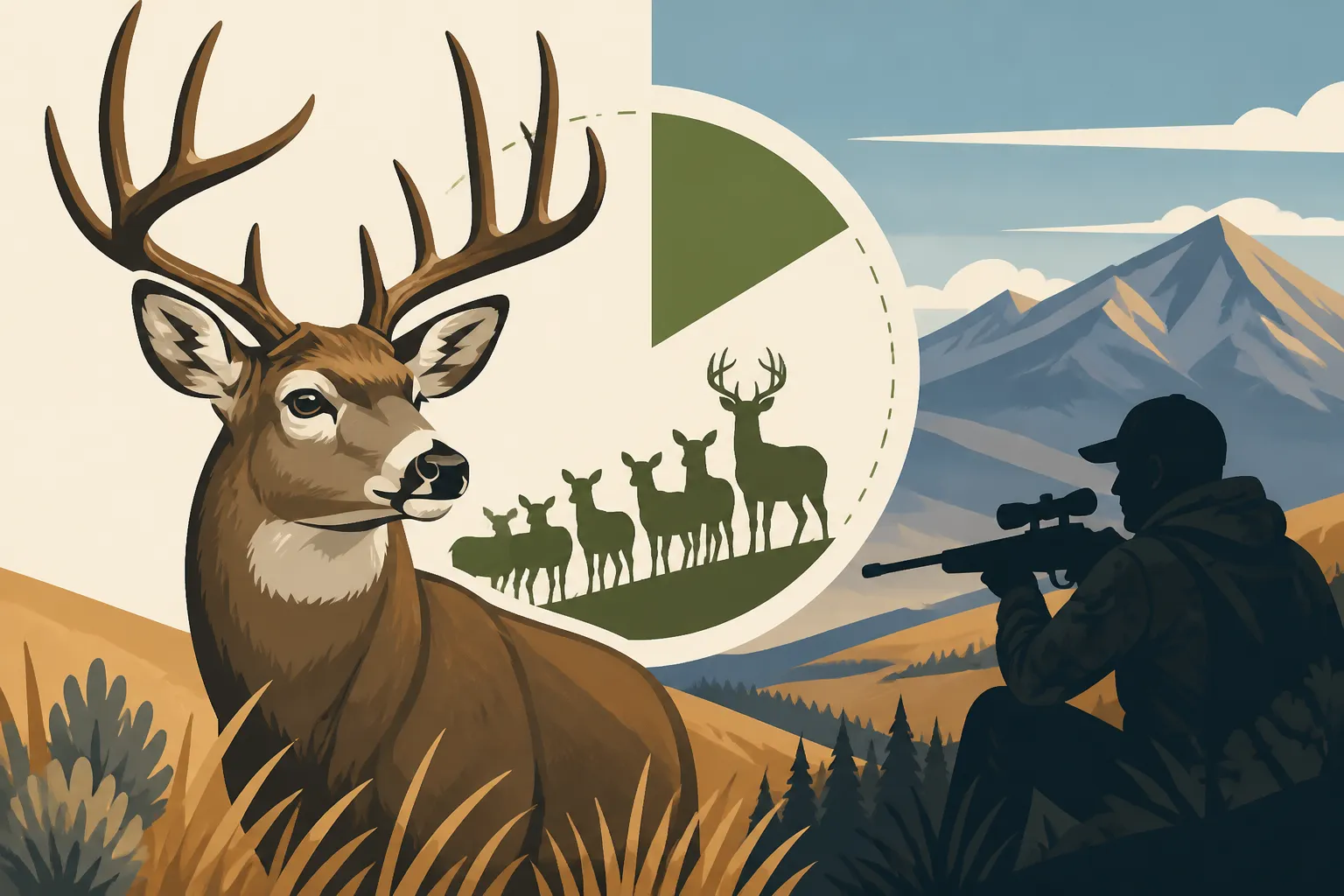
For the Wyoming Range mule deer herd, the Game and Fish Department has established a population objective that represents a target range for the number of deer scientists believe the area can sustainably support. This objective is not a rigid single digit, but rather a band or range, allowing for natural fluctuations while still providing a clear management goal. The current discussion often revolves around the fact that the herd is below this objective, signaling a need for significant recovery.
This objective takes into account various factors, including historical population levels, available habitat capacity, social tolerance for deer (e.g., potential conflicts with agriculture), and the desire to provide ample hunting opportunities. When the actual population falls short of this established objective, it triggers a cascade of management responses designed to help the herd rebound. This might involve reducing hunter harvest, implementing habitat improvements, or addressing other mortality factors. The objective acts as a crucial benchmark, a health report card for the herd, guiding the management team's every move. Hunters often use tools like GoHunt to research herd unit data and understand these objectives before applying for tags.
How Being Below Objective Impacts Hunters and the Ecosystem
When a herd, like the Wyoming Range mule deer, consistently falls below its population objective, the ramifications are significant and far-reaching. For hunters, the most immediate and noticeable impact is a reduction in hunting opportunities. This often translates to fewer available tags, particularly for antlered deer, and potentially more restricted season dates or weapon types. Draw odds can skyrocket, making a coveted tag even harder to come by, and impacting your chances to draw in even the Best Units to Draw for a Mature Mule Deer. The WGFD prioritizes herd recovery when populations are low, meaning conservation efforts take precedence over maximizing hunter harvest.
Beyond hunting, an under-objective herd can signal broader ecological imbalances. Mule deer play a vital role in their ecosystem as grazers and as a food source for predators. A significant decline can impact predator populations, alter vegetation composition, and indicate underlying issues with habitat health. Conversely, when populations are well within their objective range, it generally means a healthy ecosystem capable of supporting not only the deer but a diverse array of other wildlife. It also ensures a more robust and sustainable hunting future, where generations can continue to enjoy the pursuit of these magnificent animals. Furthermore, studying these herd trends often reveals insights into Why Surviving Bucks Are Older Than Usual in certain areas, providing valuable data for future management.
Major Factors Shaping Deer Populations in the Wyoming Range
The health and numbers of any wildlife population are never dictated by a single factor. For the Wyoming Range deer herd, a complex interplay of environmental conditions, disease, predation, and human activity has sculpted its current state and continues to influence its trajectory.
Habitat Health and the Crucial Winter Range
Ask any wildlife biologist, and they'll tell you that "habitat is king." For mule deer in the Wyoming Range, the quality and availability of their habitat, particularly crucial winter range, are paramount. These deer are migratory, moving from high mountain summer ranges down to lower, more protected wintering grounds as snow flies. These specific areas are critical for survival when forage is scarce and energy demands are high.
Unfortunately, factors like energy development, increased human footprint, drought, and the spread of invasive plant species like cheatgrass have degraded or fragmented essential winter range. Invasive plants often outcompete native forage that deer rely on, leading to poorer nutrition. Furthermore, increased road infrastructure and development can disrupt historical migration corridors, making it harder for deer to access vital resources. The unfortunate reality is that Mule Deer Winter Range Closures Explained often occur to protect these vulnerable animals during the harshest times of the year, highlighting just how critical these spaces are. The long migrations of these animals, similar to those seen in The Red Desert Mule Deer Migration Explained, mean that protecting a continuous path of healthy habitat is essential.
The Double-Edged Sword of Predation and Disease
While often a natural part of a healthy ecosystem, predation can become a more significant factor when deer populations are already stressed or declining due to other causes. Predators like mountain lions, bears, wolves, and coyotes all exert pressure on mule deer. The reintroduction and natural expansion of wolf populations in western Wyoming, for example, have added another layer to the complex predator-prey dynamics.
However, a silent and often more insidious threat comes in the form of disease, particularly Chronic Wasting Disease (CWD). This neurological disease is always fatal and is widespread in many Wyoming deer herds. While direct mortality from CWD can be hard to quantify, its long-term effects on herd health, age structure, and genetic resistance are a serious concern for biologists. The presence of CWD can also complicate management decisions, as questions arise about the effectiveness of increasing deer numbers in areas where the disease is prevalent. Although primarily associated with elk, the concerns around What CWD on the Feedgrounds Means for Hunters resonate strongly for deer management as well, given the similarities in disease transmission and impact on cervid populations.
Climate Variability and Human Footprint
Wyoming's weather is notoriously unpredictable and can swing wildly from year to year. Severe winters, characterized by deep snow and prolonged cold, are natural population regulators, but when they become more frequent or extreme, they can decimate deer herds. Conversely, prolonged droughts impact forage quality and water availability, stressing deer even before winter arrives. These climatic variations are significant drivers of population change.
The human footprint, beyond direct habitat loss, also plays a role. Fencing, road networks, and energy development can impede deer movement and increase mortality from vehicle collisions. While hunting is a human impact, it's typically a managed one, with seasons and tag allocations adjusted to meet population objectives. However, when populations are low, every additional stressor, whether environmental or human-caused, can amplify the negative effects and make recovery even more challenging. All these factors create a dynamic environment that wildlife managers must navigate, often using tools like GoHunt to analyze historical data and predict future trends.
Strategic Management and the Future of the Wyoming Range Deer
The challenges facing the Wyoming Range deer herd are substantial, but the commitment to its recovery is equally strong. The WGFD, in collaboration with numerous partners, employs a multi-faceted approach to manage the herd, aiming to bring it back to its population objective.
Adaptive Harvest Strategies and Tag Allocation
One of the most direct tools wildlife managers have is the adjustment of hunting seasons and license allocations. When a herd is below its population objective, you can expect to see more conservative hunting regulations. This often means a reduction in the number of tags issued, particularly for antlerless deer, and sometimes shorter seasons or more restrictive hunt area boundaries. The goal here is simple: reduce hunter-caused mortality to allow more deer to survive, reproduce, and grow the herd. It's a tough pill for hunters to swallow, as it directly impacts their opportunities, but it's a necessary step in the recovery process.
Hunters need to be diligent in checking the regulations each year and understand that the seasons are set with the herd's long-term health in mind. Utilizing resources like The Wyoming Hunt Planner is critical for staying informed about specific area regulations and understanding how current population status translates into available hunting opportunities. Many dedicated hunters also rely on platforms like GoHunt for detailed draw odds and unit breakdowns, which can provide a clearer picture of opportunities given current herd status and management strategies. Planning your hunt, whether it's for deer, elk, or other species, means knowing not just the season dates but also the reasoning behind the WGFD's management decisions.
Ongoing Conservation Efforts and Habitat Restoration
Beyond managing hunter harvest, a massive amount of effort goes into improving the habitat itself. Conservation groups, landowners, and the WGFD are continually engaged in projects designed to restore degraded winter ranges, enhance forage quality on summer grounds, and protect vital migration corridors. This can involve anything from prescribed burns to stimulate new plant growth, to fencing modifications that allow deer to move more freely, to invasive species removal.
Protecting these critical habitats is crucial for the long-term viability of the herd. Without adequate food and cover, especially during harsh winters, even reduced hunting pressure won't be enough for a full recovery. These efforts are often a collaborative undertaking, involving federal agencies like the BLM and Forest Service, private landowners, and non-profit organizations dedicated to wildlife. Understanding these efforts can help hunters grasp the bigger picture of wildlife management, and advanced e-scouting tools, such as those offered by GoHunt, often integrate layers that highlight habitat projects or crucial winter range areas, which can be invaluable when E-Scouting a Unit Before the Season Opens.
The Long Game: Patience and Persistence
Bringing a deer herd back to its population objective, especially after severe declines, is not a quick fix. It's a long game that requires patience, persistence, and the cooperation of everyone involved. Natural processes, like birth rates and survival, take time to translate into significant population growth. Meanwhile, environmental factors, such as successive mild or harsh winters, can either aid or hinder recovery efforts.
Hunters, as primary stakeholders and conservationists, play a vital role not just through ethical hunting practices but also by supporting management initiatives and contributing to habitat projects. Their license fees directly fund the WGFD's work. It's a testament to the enduring commitment to wildlife that even in the face of significant challenges, the work continues to ensure that the Wyoming Range mule deer remain a vibrant part of the state's natural heritage for generations to come.
Disclaimer
This article is for general informational purposes only and does not constitute professional advice. Laws, prices and regulations vary by location and change over time. Consult a qualified professional for guidance on your specific situation.