Wyoming’s Top Producing Elk Units
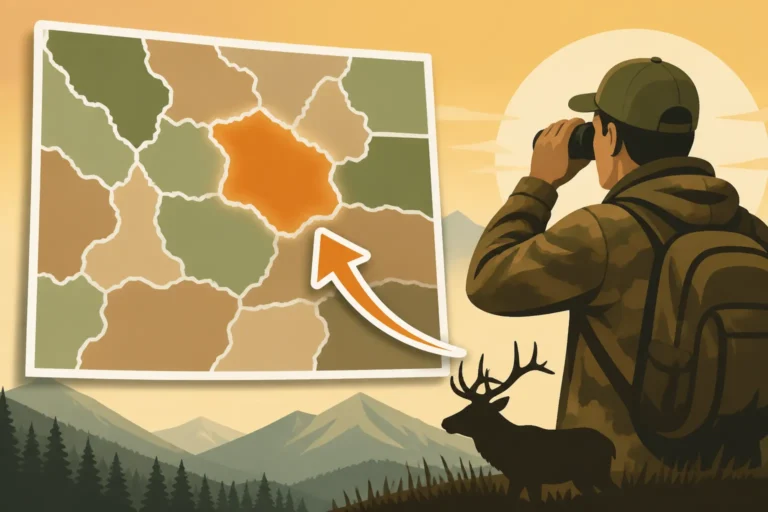
The dream of hunting Wyoming elk often conjures images of majestic bulls bugling in vast, open country, but the reality for many hunters is confusion over where to even begin their search. With so many hunt areas and varying reports, it can be incredibly frustrating to figure out which units truly offer the best chance at success. This guide aims to cut through the noise, helping you understand what makes an elk unit "top producing" and how to find these gems, whether you're chasing a general tag opportunity or putting in for a coveted limited quota area.
Understanding "Top Producing" in Wyoming Elk Units
When we talk about "top producing" elk units in Wyoming, it's easy to get caught up in raw numbers or hear whispers about certain areas. But what does that really mean for you, the hunter? It's not always as straightforward as it sounds, and what one person considers "top producing" might be entirely different for another.
What "Producing" Really Means for Hunters (Not Just Biologists)
For a wildlife biologist, "producing" might strictly mean high calf recruitment, excellent survival rates, or a herd that consistently meets its population objectives. And while those factors certainly contribute to the overall health of an elk herd and the hunting opportunities, a hunter's definition often includes more practical elements. Are there huntable elk? Is the success rate reasonable? Are there mature animals to pursue, or is it primarily a cow-and-calf factory? For many, a "top producing" unit is one where they feel they have a legitimate chance to fill a tag, experience some elk activity, and enjoy the hunt, even if it's not world-class trophy hunting. It's about opportunity and a realistic chance at success, not just population statistics.
It’s crucial to understand that a unit might have a huge elk population, but if 90% of those animals live on private land with no public access, it’s not exactly "top producing" for the average public land hunter. Likewise, a unit with low overall elk numbers but excellent access to public land and a strong bull-to-cow ratio could be considered highly productive for someone seeking a challenging, quality experience. So, when you hear about a "hot unit," dig a little deeper to understand what specific kind of "production" it's known for and if that aligns with your personal hunting goals.
The Difference Between High Harvest Numbers and Trophy Potential
This is where many hunters get tripped up. A unit can consistently show up with high harvest numbers in the annual reports, indicating a lot of elk were taken. That's a great sign for opportunity, right? Well, yes, but not necessarily for trophy potential. Often, units with very high harvest numbers are those with general licenses or abundant cow tags, where the goal is herd reduction or simply putting meat in the freezer. These are fantastic units for a first-time elk hunter or someone prioritizing venison over antlers.
On the other hand, units known for trophy potential might have significantly lower overall harvest numbers. Why? Because these areas often have fewer tags allocated, stricter regulations (like antler point restrictions), and more challenging terrain that naturally protects older, larger bulls. Hunters in these units are typically willing to put in more effort, endure tougher conditions, and hold out for a truly mature animal. It's about quality, not necessarily quantity. So, before you pinpoint a "top producing" unit, ask yourself: Am I aiming for any legal elk, or am I specifically looking for a Boone and Crockett contender? Your answer will dramatically shape your research and application strategy.
Balancing Pressure, Access, and Success Rates
The holy grail of elk hunting is often described as low pressure, great access, and high success rates, especially for big bulls. The reality is, in many "top producing" units, you're going to have to make some trade-offs. Units with easy access and good elk numbers often experience significant hunter pressure. This isn't necessarily a deal-breaker, but it means you'll need a solid strategy to get away from the crowds, whether that's packing in deep, hunting obscure pockets, or adjusting your hunting times.
Conversely, some units with phenomenal success rates and excellent trophy potential might be incredibly difficult to access. They might be deep in wilderness areas requiring horses or serious backpacking, or they might involve navigating a complex mosaic of land ownership. This is where tools like onX Hunt really shine, helping you identify public access routes and private land boundaries. The units with the highest overall success rates often include a significant amount of private land hunting, which means those numbers don't always reflect what a public land hunter can expect. Always dive into the details: what is the public land success rate, and what are the known access challenges? Understanding this balance is key to setting realistic expectations and planning a successful hunt.
Decoding Wyoming's Elk Unit System
Wyoming's elk hunting units can seem a bit like a secret code at first glance. There are numbers, letters, general licenses, limited quota areas, and it all ties back to how the state manages its diverse elk herds. Getting a handle on this system is the first step toward unlocking those "top producing" opportunities.
How Hunt Areas Relate to Herd Units
This is a common point of confusion for new Wyoming hunters. You’ll hear talk of "hunt areas" and "herd units," and it’s important to understand they are not always the same thing. A "herd unit" is a biologically defined area where a specific population of elk lives, breeds, and winters. Wildlife managers track these herd units closely, setting population objectives and monitoring their health. Think of it as the elk's natural home range. You can learn a lot about these populations in our guide on Wyoming Elk Herd Units and Winter Range.
A "hunt area," on the other hand, is a specific geographic area defined by the Wyoming Game and Fish Department for regulatory purposes. These are the numbered areas you see on your license and in the regulations. Often, a hunt area will completely encompass a herd unit, or a portion of one. Sometimes, a single herd unit might be divided into multiple hunt areas, or several smaller herd units might fall within one large hunt area. Understanding How Wyoming Numbers Its Hunt Areas and how these boundaries are set is crucial for applying for the correct license and knowing where your tag is valid. Always refer to the official hunt area maps for precise boundaries, as these are what dictate where you can legally hunt.
Essential Resources for Unit Research
In today's age, you have more resources at your fingertips than ever before to research Wyoming elk units, and leveraging them is critical for finding those top producers. Gone are the days of relying solely on paper maps and word-of-mouth.
First, the Wyoming Game and Fish Department (WGFD) website is your absolute foundation. This is where you'll find the most current regulations, hunt area maps, and harvest statistics. Dive deep into the harvest reports; they're goldmines of information, detailing hunter success rates, public vs. private land harvest, and even bull-to-cow ratios for specific units. This data will tell you which units are actually producing elk year after year.
Beyond the official state resources, digital mapping tools are indispensable. onX Hunt is a standout here, providing detailed land ownership maps that show public and private boundaries, often overlaid with topographical features, roads, and trails. This is invaluable for identifying access points, finding isolated public parcels, and avoiding trespass issues. Another fantastic resource for serious applicants is platforms like GoHunt. These services compile and analyze WGFD data, offering draw odds, harvest statistics, and often filtering tools that can help you sort units by various criteria – such as average bull age or success rates for different license types. They often contextualize the raw data, making it easier to understand what you're seeing. Both of these tools can help you visualize the Wyoming Elk Hunt Unit Boundaries and surrounding terrain before you ever set foot in the field.
The Importance of Regulations and Special Season Types
Never underestimate the power of the annual regulations. They are not just rules; they are a roadmap to opportunity. Within the regulations, you'll find details on general licenses versus limited quota tags, specific season dates for archery and rifle, and various license types (like Type 1 for any elk, Type 6 for antlerless). A "top producing" unit might only offer its best opportunities during a specific archery season or for a limited quota Type 1 license that requires many preference points.
Furthermore, pay close attention to special season types or restrictions. Some units might have late-season cow hunts designed to reduce herd numbers, offering high success rates but not necessarily trophy potential. Other areas might have spike-only restrictions or antler point minimums that are crucial to understand before you apply or hunt. For example, some units might restrict you to only harvesting a spike elk, as discussed in The Spike Elk Restrictions Wyoming Applies. Sometimes, a unit might have different seasons for different portions of the area or separate archery-only sections. Missing these details can mean applying for the wrong tag, hunting out of season, or overlooking a prime opportunity simply because you didn't fully read the fine print.
Spotlight on Historically Strong Elk Units
While specific unit numbers and their performance can fluctuate year to year due to factors like weather, harvest pressure, and herd health, certain types of units and regions in Wyoming consistently offer strong elk hunting opportunities. These are the areas where you often see higher success rates, larger bull potential, or simply consistent elk presence.
Mountainous Units Known for Carrying Mature Bulls
Wyoming's vast mountain ranges are classic elk country, and for good reason. These rugged landscapes provide the cover, forage, and remoteness that allow bulls to grow old and carry impressive antlers. Areas within the Bridger-Teton, Shoshone, and Bighorn National Forests are frequently mentioned when discussing units that produce mature bulls. These regions are characterized by high elevations, thick timber, steep slopes, and abundant wilderness. Getting into these areas often means embracing a backcountry hunt, either on foot or with the aid of horses. The sheer size and difficulty of the terrain can limit hunter access, naturally creating pockets where older bulls can thrive with less pressure.
However, hunting these mountainous units isn't for the faint of heart. Physical conditioning is paramount, and you need to be prepared for rapidly changing weather conditions, from warm sunny days to sudden snowstorms. While the success rates in these areas might not always be the highest overall (due to the challenging nature of the hunt), the quality of the animals taken can be exceptional. These are the areas where patience, perseverance, and a willingness to get deep into the wilderness often pay off with a truly memorable trophy bull. You'll want to carefully study topographic maps and consider strategies like those discussed in Glassing Wyoming Basins Before You Take a Step.
Prairie and Foothill Units Offering Unique Opportunities
While the mountains get a lot of attention, don't overlook Wyoming's prairie and foothill units. These areas, particularly in the eastern and central parts of the state, can offer unique and often overlooked elk hunting opportunities. Here, elk tend to inhabit river bottoms, breaks, and agricultural lands, often using private ranches for feed and cover, but moving onto public ground during hunting season or as pressure increases. Units bordering the Black Hills National Forest, or those in parts of Carbon and Johnson counties, can be excellent examples.
Hunting in these areas requires a different strategy than mountain hunting. Long-range glassing becomes even more critical, as elk often feed in open areas before retreating to thicker cover or private land. Access can be a bigger challenge, with a complex mix of public (BLM, State Trust Land) and private ground. However, if you do your homework, secure permission where needed, and understand elk movement patterns between different land types, these units can surprise you with high success rates and even good bull quality. They often present less physically demanding hunts than the high country, making them accessible to a wider range of hunters. You might find success still hunting along river bottoms or focusing on water sources, as detailed in Finding Water Sources in Dry Hunting Country.
Considering Units with Diverse Public Land Access
One of the defining factors of a "top producing" unit for public land hunters is diverse and reliable access. A unit might hold a fantastic elk herd, but if 90% of it is landlocked private ground, it's not "producing" for most of us. Units that offer a good mix of Bureau of Land Management (BLM) land, National Forest, and possibly State Trust Land or "Access Yes" parcels are often the most productive for DIY hunters. These areas provide multiple avenues for entry and allow hunters to spread out, reducing pressure in any one spot.
Look for units with a good network of public roads that lead to trailheads, or areas where large blocks of public land are adjacent to one another. Units within or bordering National Forests like the Bighorn or Medicine Bow, or vast expanses of BLM in central Wyoming, can be excellent choices. These areas allow for varied hunting tactics, from road hunting to deep wilderness backpacking. Our article Where Wyoming's Huntable Public Land Actually Sits can give you a broader overview of public land distribution. Always use your maps to scout potential access points and understand property boundaries thoroughly. The more diversified the access, the more opportunities you'll have to find undisturbed elk.
| Unit Characteristics | Primary Benefit | Common Challenges | Typical Strategy |
|---|---|---|---|
| High Mountains | Trophy Potential, Remoteness | Physical Demands, Weather | Backpacking, Horses, Spot & Stalk |
| Foothills/Breaks | Good Elk Numbers, Accessible | Mixed Ownership, Glassing | Long-Range Glassing, Access Planning |
| Prairie River Bottoms | Close Proximity, Less Elevation | Private Land, Hunter Pressure | Permission, Still Hunting, Decoys |
| General Tag Units | High Opportunity, Meat Hunt | High Pressure, Younger Bulls | Get Away From Roads, Early/Late Season |
| Limited Quota Units | High Quality, Lower Pressure | Difficult Draw, Research Intensive | E-Scouting, Patience, Specific Tactics |
Strategies for Navigating High-Producing Units
Finding a "top producing" elk unit is only half the battle. Once you've identified a promising area, you need solid strategies to make the most of your time and effort, especially in units that might draw more attention from other hunters.
Dealing with Increased Hunter Pressure
Let's be realistic: if an elk unit is truly "top producing" and accessible, other hunters know about it too. Increased hunter pressure is simply a fact of life in many popular areas, and it's a frustration many of us face. But that doesn't mean you can't have a successful hunt. The key is to adapt and outsmart the crowds. One of the most effective strategies is to get away from roads and easily accessible areas. Most hunters won't venture more than a mile or two from their vehicle. If you're willing to hike three, four, or even five miles into the backcountry, you'll dramatically reduce the competition.
Consider hunting during the week instead of on weekends, or focusing on less popular times of day, like midday. While most hunters are in camp for lunch, elk might be moving between bedding and feeding areas. Another tactic is to hunt areas that are difficult to traverse—steep canyons, thick timber patches, or dense creek bottoms. Elk know these places provide sanctuary from human activity. Lastly, if you're hunting a general tag unit, remember that early in the season and late in the season can offer different opportunities, with elk behavior shifting as pressure mounts. Our article on Calling Elk on Pressured Wyoming Public Land also offers some great tips.
E-Scouting and Boots-on-the-Ground Preparation
Preparation is paramount, and it starts long before you ever set foot in Wyoming. E-scouting, using tools like onX Hunt and Google Earth, allows you to virtually explore your chosen unit from the comfort of your home. Look for potential bedding areas (north-facing slopes, thick timber), feeding areas (open parks, clear-cuts, old burns), water sources, and natural funnels or pinch points. Identify likely travel corridors between these areas. Mark potential glassing points, campsites, and access routes. This detailed virtual reconnaissance is essential for any public land hunt, but especially in areas that hold a lot of elk and potentially a lot of hunters. This strategy is further detailed in E-Scouting a Unit Before the Season Opens.
Once you've done your digital homework, there's no substitute for boots-on-the-ground scouting, if at all possible. Visiting your unit before the season opens allows you to verify your e-scouting findings, identify fresh sign, and learn the lay of the land firsthand. If a pre-season trip isn't feasible, try to arrive a few days early before your hunt starts. This gives you time to hike into potential spots, confirm water sources, and get a feel for elk movement patterns. You might even find where elk are rubbing, feeding, or wallowing, which can provide critical intel.
Understanding Draw Odds and Point Strategies
For many of Wyoming's most "top producing" units, especially those known for trophy bulls, you'll be dealing with limited quota tags that require you to apply and get lucky in the draw. This means understanding draw odds and developing a preference point strategy. The WGFD provides detailed draw odds reports, which are crucial for assessing your chances. Platforms like GoHunt often simplify this data, helping you compare units and build a point strategy.
Wyoming uses a preference point system for its elk draw, where a certain percentage of tags go to the highest point holders, and the rest are allocated randomly. This means that for some highly sought-after units, you might need many years of accumulating points before you have a realistic chance of drawing. You can purchase preference points without applying for a tag, which is a common strategy for nonresident hunters aiming for those dream hunts. Our article on How Many Points It Takes to Draw Wyoming Elk goes into more detail. For units with more favorable odds, or general tag units, you might have a good chance even with zero points. It’s a delicate balance between applying for a unit you can draw now versus building points for a future blue-chip tag. Your personal goals (meat vs. trophy, immediate hunt vs. long-term goal) will dictate your best approach.
The Role of Migration and Winter Range
Elk are migratory animals, and their movements throughout the year play a massive role in where you'll find them during hunting season. Understanding these patterns, especially how they relate to winter range, is absolutely critical for consistently finding elk in "top producing" units.
How Seasonal Movements Impact Elk Distribution
Elk don't stay in one place year-round. Their distribution is highly influenced by seasonal changes in forage availability, weather, and pressure. In spring and summer, elk often disperse into high-elevation summer ranges, where abundant green feed helps them put on weight and bulls grow their antlers. As fall approaches and hunting seasons begin, two major factors influence their movement: increasing hunter pressure and impending winter weather.
Early in the archery season, elk might still be scattered in their summer ranges. As rifle seasons open and hunters push into the backcountry, elk will often move to seek sanctuary, either deeper into timber, into wilderness areas, or onto private lands. As temperatures drop and snow begins to fall, especially heavy snow at high elevations, elk initiate their annual migrations to lower-elevation winter ranges. These movements can be dramatic, with herds covering dozens, or even hundreds, of miles. Understanding these patterns is key. If you're hunting early, you might focus on high country; if you're hunting late, you'll want to concentrate on transitional zones or known migration corridors. Our discussion on The Red Desert Mule Deer Migration Explained offers insights into how other big game species navigate similar challenges.
Wyoming Elk Herd Units and Their Significance
As mentioned earlier, Wyoming is divided into numerous elk herd units, each with specific population objectives and management plans. These herd units are defined by the year-round range of a particular elk population, encompassing their summer, fall, and winter habitats. The health and population trends of these herd units directly influence hunting opportunities. For example, a herd unit that is above its population objective might have more liberal hunting seasons or more antlerless tags available in its corresponding hunt areas. Conversely, a unit struggling to meet its objective might have reduced tag allocations or stricter regulations.
Knowing which herd unit your chosen hunt area falls within can give you a deeper understanding of the local elk population dynamics. The Wyoming Elk Population Estimate Explained can give you an idea of the overall health and trends of the various herds. Pay attention to WGFD reports on these units; they often highlight areas of concern or success, which can directly translate to future hunting prospects. For example, if a specific herd unit had a tough winter, that might impact calf survival and, eventually, the number of young bulls available in a few years.
The Influence of Weather Patterns on Elk Production
Wyoming's weather is notoriously unpredictable and plays a massive role in elk behavior and habitat use. Mild winters can lead to higher calf survival rates and better antler growth the following year, potentially boosting the "production" of a unit. Conversely, severe winters, like the one discussed in What the 2022-23 Winter Did to Wyoming Mule Deer, can have devastating impacts on elk populations, leading to reduced calf crops and higher adult mortality, which will eventually affect hunter success.
During hunting season, weather can also act as a catalyst for elk movement. A sudden cold front or a significant snowfall can push elk out of high country into lower elevations almost overnight, concentrating them in specific areas and often making them more visible. Savvy hunters pay close attention to long-range weather forecasts, as they can hint at when a major migration might occur, presenting prime hunting opportunities. Conversely, unseasonably warm weather can keep elk scattered and less active during daylight hours, making them much harder to locate and hunt. Being adaptable to weather conditions, and understanding how they influence elk, is a crucial skill in finding those top producing elk, regardless of the unit.
Beyond the Numbers: Making Your Own "Top Producing" Unit
While draw odds, harvest statistics, and official reports are invaluable starting points, the truth is, a "top producing" unit often comes down to the individual hunter. Your skills, effort, and attitude can transform a seemingly average area into a highly successful one.
The Power of Personal Scouting and Local Knowledge
No amount of online research can fully replace personal scouting and developing local knowledge. Spending time in your chosen unit, even outside of hunting season, allows you to learn the nuances of the terrain, identify subtle game trails, discover hidden water sources, and understand how wind currents swirl in different drainages. Elk are creatures of habit, and often use the same escape routes, bedding areas, and feeding grounds year after year. By putting in the time, you can uncover these patterns.
If you can't scout in person, try to connect with other ethical hunters who have experience in the area. Local knowledge, shared responsibly, can provide invaluable insights that aren't available in any public data set. This doesn't mean asking for someone's secret honey hole, but rather understanding general elk behavior for that specific landscape. What are the predominant wind directions? Where do elk typically cross a certain ridge? Which canyons hold water late into the season? These little nuggets of information, combined with your own dedicated scouting, build a mosaic of understanding that can elevate your success, making any unit more "productive" for you.
Adaptability and Persistence in the Field
Elk hunting in Wyoming is rarely easy, even in the best units. Conditions change rapidly, elk move, and your carefully laid plans can fall apart in an instant. This is where adaptability and persistence become your most powerful tools. If the elk aren't where you expected them, don't just give up. Adjust your strategy. Change your hunting area. Try a different calling technique. Hike further. Glass a new basin. Elk are always somewhere, and the hunters who find them are often the ones who are willing to keep looking, to pivot, and to learn from every setback.
Persistence isn't just about covering more ground; it's also about dedicating yourself to the process. Wake up early, stay out late, and put in the long, often cold, hours. Many successful hunts come down to simply being in the woods when an opportunity presents itself, even after days of seeing nothing. The "top producing" units reward those who are willing to earn it, pushing through the physical and mental challenges that come with hunting big game in the vast landscapes of Wyoming.
Responsible Hunting Practices in Popular Areas
As more hunters are drawn to "top producing" units, the importance of responsible hunting practices becomes even more critical. This isn't just about following the law; it's about ethics, conservation, and ensuring that these opportunities remain for future generations. Pack out everything you pack in, and then some. Leave no trace of your presence. Respect private land boundaries, even if a corner post is ambiguous – as outlined in Whether Corner Crossing Is Legal in Wyoming, specific rules apply.
Practice proper field care of your animal to prevent spoilage and ensure the meat is salvaged, as discussed in The Meat Salvage Requirements for Big Game. Be courteous to other hunters you encounter; we're all out there for the same reasons. By being a good steward of the land and a respectful participant in the hunting community, you contribute to a positive public image of hunting and help preserve the very resources that make these units "top producing" in the first place. Your actions in the field reflect on all of us, and upholding high standards helps ensure a future for Wyoming's incredible elk hunting.
Disclaimer
This article is for general informational purposes only and does not constitute professional advice. Laws, prices and regulations vary by location and change over time. Consult a qualified professional for guidance on your specific situation.