Wyoming Moose Wait Times Under the 90/10 Split
Applying for a coveted Wyoming moose tag as a nonresident can feel like navigating a maze blindfolded, especially when you hear whispers about years, even decades, of waiting. It's incredibly frustrating to dedicate time and resources to an application without a clear understanding of your true chances. This guide will meticulously break down the unique draw process for Shiras moose in Wyoming, specifically focusing on the impact of the 90/10 resident split and explaining exactly what nonresidents can expect regarding draw odds and wait times.
Understanding the Wyoming Moose Landscape and Its Appeal
Wyoming is home to a robust population of Shiras moose, the smallest subspecies of moose in North America, but no less impressive. These magnificent creatures are highly sought after by hunters, drawing applications from across the globe. However, the limited number of tags available means that drawing one is an extraordinary feat, a true test of patience and perseverance.
The Allure of Shiras Moose in Wyoming
There's something truly captivating about hunting Shiras moose. Unlike the dense timber haunts of their larger Canadian or Alaskan cousins, Wyoming's Shiras often inhabit river bottoms, willow thickets, and high mountain drainages, offering breathtaking scenery alongside the challenge. The bulls can be incredibly impressive, with broad, palmated antlers that are a testament to the state's healthy populations and rigorous management. For many, a Wyoming Shiras moose hunt represents the pinnacle of Western big game hunting, a "once-in-a-lifetime" opportunity that captures the imagination and fuels countless hours of research and anticipation. The sheer beauty of their habitat, often tucked away in remote, wild corners of the state, only adds to their mystique and desirability.
How Limited Quota Status Defines the Hunt
The term "limited quota" is key here. Unlike general elk or deer licenses which might be available over the counter in certain areas or easier to draw, moose tags in Wyoming are strictly limited. This means that a finite, often very small, number of licenses are issued for specific hunt areas each year. This scarcity is a direct result of careful population management by the Wyoming Game and Fish Department (WGFD), designed to maintain healthy moose populations, ensure sustainable harvest levels, and protect the quality of the hunting experience. Because the number of tags is so small, the demand far outstrips supply, leading to highly competitive draws and the perception of extremely long wait times. It's a system built on quality over quantity, making every drawn tag incredibly valuable.
The Role of Specific Hunt Districts
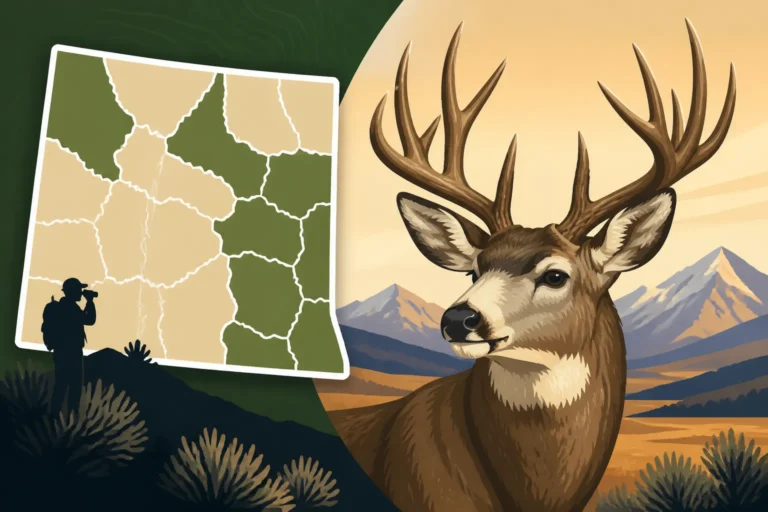
Wyoming's moose management is granular, divided into specific hunt districts. Each of these districts has its own quota of moose tags, determined by local population dynamics, habitat conditions, and management objectives. Some districts might offer a handful of bull tags, while others might issue a few cow or calf tags to manage specific localized issues. The variations between districts can be significant in terms of tag numbers, drawing odds, and even the type of moose available (bull, cow, or antlerless). A hunter interested in a specific trophy bull hunt might focus their application on a different set of districts than someone simply hoping to draw any moose tag. This level of detail means that understanding the nuances of individual hunt districts is absolutely crucial when applying. For example, some districts might have historically better odds due to slightly higher quotas or less competition, while others are perpetually difficult. Researching Moose Draw Odds by Hunt District is a vital step.
The 90/10 Resident Split: What It Really Means for Moose Hunters
One of the most significant factors influencing nonresident draw odds for Wyoming moose is the infamous 90/10 resident split. This allocation rule has a profound and often disheartening impact on nonresidents hoping to draw one of these highly sought-after tags. Understanding its mechanics is fundamental to setting realistic expectations.
Unequal Allocation for Limited Tags
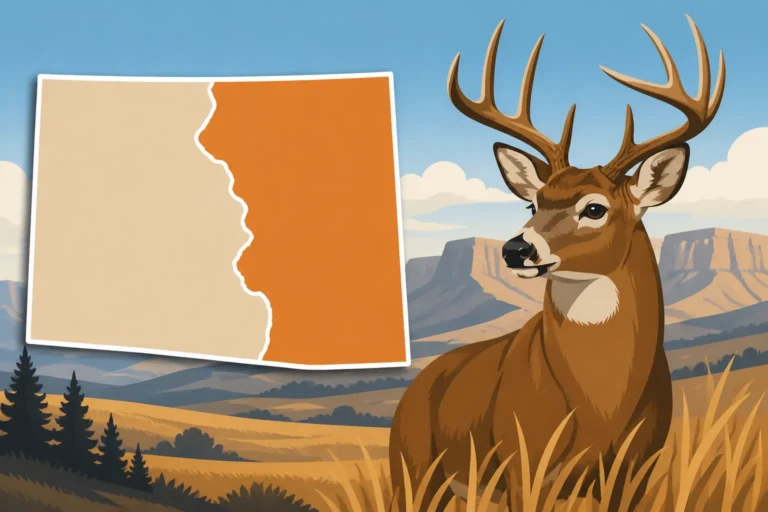
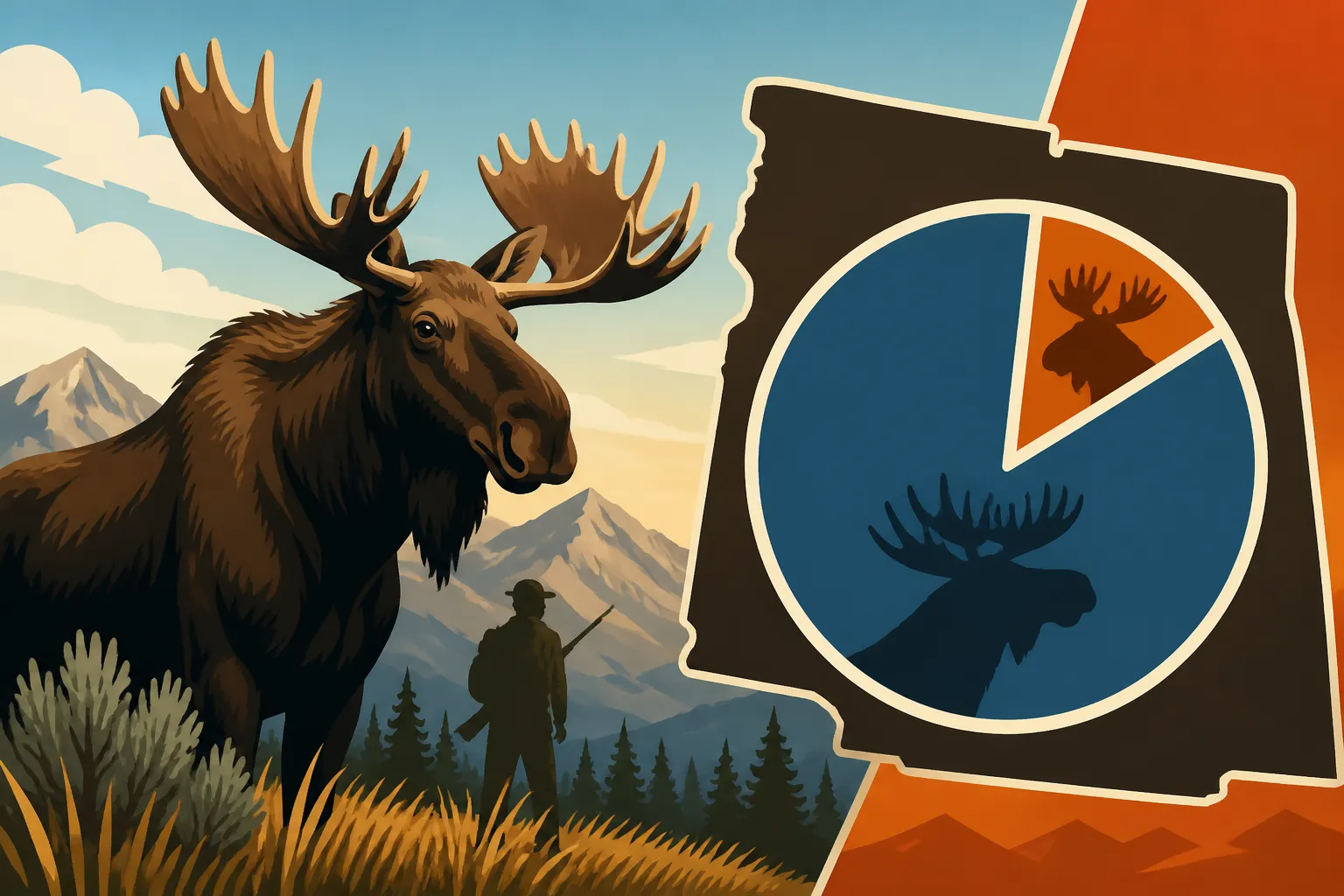
The 90/10 split mandates that 90% of all available limited quota licenses for certain species, including moose, are allocated to Wyoming residents, while only 10% are reserved for nonresidents. When you consider that moose tags are already extremely limited, this split drastically shrinks the pool of available licenses for nonresidents. For instance, if a hunt district has a total quota of just 10 moose tags, a resident might be competing for 9 of those tags, while all nonresidents nationwide are vying for the single remaining tag. This creates an incredibly steep uphill battle, where the odds are inherently stacked against anyone living outside Wyoming. It's a policy that directly prioritizes resident hunting opportunities, reflecting a common approach in Western states to conserve hunting access for their local populations.
The Historical Context of the Split
This allocation policy isn't new; it's deeply rooted in Wyoming's hunting heritage and management philosophy. The Wyoming's 90/10 Split on Once-in-a-Lifetime Species was put in place to ensure that residents, who financially contribute to the state's wildlife management through their taxes and license fees year-round, have a significantly higher chance of drawing licenses for the most desirable and limited species. It's also a recognition of the value and impact of resident hunters on the local economy and culture. While it can be frustrating for nonresidents, it's a longstanding principle that underscores the state's commitment to its own hunting community. This historical precedent means the 90/10 split is unlikely to change dramatically, making it a permanent fixture in the nonresident moose draw landscape.
Impact on Nonresident Success Rates
The direct consequence of the 90/10 split is that nonresident success rates in the moose draw are exceptionally low. We're talking about odds that often dip below one percent, sometimes even closer to fractions of a percent, depending on the specific hunt district and the number of applicants. This isn't just a slight disadvantage; it's a mathematical reality that means many nonresidents can expect to apply for years, or even decades, without drawing a moose tag. It means that drawing a tag is less about accumulated strategy and more about sheer luck in a highly competitive lottery. For nonresidents, every single application is a shot in the dark, albeit one fueled by the dream of that once-in-a-lifetime hunt. It's a tough pill to swallow, but essential to understand before embarking on the application journey.
Wyoming's Unique Draw Mechanics for Moose: No Nonresident Preference Points
Here's where things get really critical for nonresident moose hopefuls: unlike elk, deer, and antelope, there are no preference points for nonresident moose tags in Wyoming. This is a fundamental difference that sets moose apart and drastically alters the application strategy.
The Pure Random Draw for Nonresidents
Once the 90/10 allocation has occurred, and that tiny sliver of tags is set aside for nonresidents, those few tags are distributed through a pure random draw. This means that every nonresident applicant, regardless of how many times they've applied in the past, enters the drawing with the exact same chance as everyone else in the nonresident pool. There's no system to reward loyalty or previous applications with increased odds. It’s a true lottery, where the computer picks numbers at random, and every applicant's name has an equal shot. This can feel both liberating (no need to track points) and incredibly frustrating (no way to improve your odds over time). For an in-depth look at this, understanding Wyoming's 90/10 Split That Reshaped Wyoming's Sheep and Moose Draws is crucial.
Why Moose Draws Differ from Other Big Game Species
You might be familiar with Wyoming's preference point system for other popular big game animals like elk, deer, and antelope. For those species, both residents and nonresidents can accumulate preference points year after year, and those points increase their chances of drawing a tag in the 75% preference point portion of the draw. However, moose, along with bighorn sheep and mountain goat, are considered "once-in-a-lifetime" species (even though you can draw more than once, it's rare). Because of their extreme rarity and high demand, WGFD has elected to manage their allocation differently, making them a pure random draw for nonresidents after the 90/10 split. This prevents a system where only those with two decades of points could ever draw, theoretically giving every applicant a fair (though small) chance each year.
The Inapplicability of Preference Points for Nonresident Moose
Let's be absolutely clear: if you are a nonresident applying for a Wyoming moose tag, accumulating preference points will not help you draw that tag. You cannot buy a preference point only for moose, nor does applying for a moose tag automatically earn you a preference point that would contribute to future moose draw odds. The WGFD explicitly states that preference points are not available for moose, bighorn sheep, or mountain goat. This means your best "strategy" for a nonresident moose tag is simply to apply every single year and hope luck is on your side. All the years you’ve spent diligently applying for Wyoming Elk, the Feedgrounds and the Disease Question or deer points simply won't translate to your moose application.
Navigating the Odds: Strategies for Nonresident Moose Applicants
Given the daunting draw odds and the absence of preference points for nonresidents, you might wonder if there's any "strategy" to applying for a Wyoming moose tag. While it's largely a game of chance, there are still intelligent ways to approach the application process to maximize your (albeit slim) possibilities and stay engaged in the hunt for a tag.
Researching Hunt Districts and Draw Statistics
Even in a random draw, some districts might offer slightly better odds than others simply due to higher quotas or lower applicant numbers in a given year. Tools like those offered by GoHunt provide invaluable data on historical draw odds, applicant numbers, and tag allocations for each hunt district. Diving deep into these statistics can help you identify areas where your chances might be marginally better. For instance, a district with 2 nonresident tags and 200 applicants might offer a 1% chance, while another with 1 tag and 500 applicants offers a 0.2% chance. Every fraction of a percentage point matters when the odds are this low. This level of granular research can help you make an informed decision on where to focus your very limited application choices. It's essentially Scouting a Wyoming Unit From Your Kitchen Table but for draw odds!
The Power of Persistent Application
Since there are no preference points to build up, the single most effective "strategy" for a nonresident moose hunter is relentless persistence. You simply have to apply every single year, without fail. Think of it as buying a lottery ticket annually for your dream hunt. Each year you apply, you get a fresh, equal shot at those few nonresident tags. Missing a year means missing a chance. This long-term commitment is essential because eventually, with enough applications over enough years, the sheer probability of the random draw might just fall in your favor. It's a waiting game, not a strategizing game, for nonresidents seeking a moose tag. You'll need to mark your calendar for Wyoming's Four Application Deadlines, February Through June to ensure you don't miss the moose deadline, which typically falls on April 30th.
Understanding License Types and Availability
Beyond just bull tags, WGFD sometimes issues cow or antlerless moose tags in specific hunt districts. While not a "trophy" bull hunt, these tags can offer a significantly higher chance of drawing and still provide an incredible moose hunting experience and excellent meat. Some applicants, weary of the decades-long wait for a bull tag, might consider applying for cow/calf tags in areas where they are available and the odds are slightly more favorable. These tags are usually part of specific management plans to control localized populations or address habitat concerns. Checking the WGFD regulations for specific license types (e.g., Type 1 for any moose, Type 4 for antlerless) in each hunt district is critical to understanding all your options. While a Type 1 bull tag is the ultimate goal for most, a Type 4 antlerless tag is still a Wyoming moose tag!
Here's a simplified look at how hard it is to draw a nonresident moose tag in Wyoming based on past data. Keep in mind, these are illustrative and vary year to year:
| Hunt District (Example) | Total Tags Available | Nonresident Tags (10% Split) | Nonresident Applicants (Example) | Approximate Nonresident Draw Odds |
|---|---|---|---|---|
| Medicine Bow (HD 22) | 12 | 1 | 800 | 0.13% |
| Wind River (HD 7) | 8 | 1 | 650 | 0.15% |
| Jackson Hole (HD 8) | 25 | 2 | 1200 | 0.17% |
| Bighorns (HD 3) | 10 | 1 | 750 | 0.13% |
Note: These numbers are hypothetical for illustrative purposes to demonstrate the extremely low odds. Actual quotas and applicant numbers vary annually.
The Long Haul: Realistic Expectations and Alternative Paths
Successfully drawing a nonresident moose tag in Wyoming is akin to winning a very exclusive lottery. It's absolutely possible, but the odds demand a realistic perspective and, for many, a willingness to explore other avenues while they wait for that golden ticket.
Analyzing Real-World Draw Success and Wait Times
Let's not sugarcoat it: the real-world "wait time" for a nonresident Wyoming moose tag is essentially infinite or, more accurately, entirely unpredictable. Since there are no preference points to accumulate, and it's a pure random draw, you could theoretically draw in your first year or never draw in 30 years of applying. Websites like GoHunt publish historical draw odds that show just how competitive these tags are. You'll often see "draw odds for 0 points" for nonresidents for moose as a tiny fraction of a percent across almost all hunt districts. This isn't meant to discourage you, but to set accurate expectations. It's not a matter of "how many points do I need?" but "how many years until I get lucky?" when it comes to How Many Years It Takes to Draw Wyoming Moose.
Considering Other Western Moose Opportunities
For nonresidents whose primary goal is to hunt a Shiras moose, and not necessarily only in Wyoming, it might be worthwhile to expand your horizons. States like Idaho, Montana, and Utah also have Shiras moose populations and their own distinct draw systems. While competitive, some of these states might offer slightly different odds or a preference point system that allows you to feel like you're actively working towards a tag, rather than solely relying on random luck. Exploring these options can provide a sense of progress and broaden your opportunities to experience a Shiras moose hunt without putting all your eggs in Wyoming's very small basket. Each state has its own Shiras Moose in Wyoming population, but also in surrounding states, providing more options.
Embracing the "Once-in-a-Lifetime" Mindset
Ultimately, applying for a nonresident Wyoming moose tag requires a profound embrace of the "once-in-a-lifetime" mindset. It's a dream hunt, a pursuit that could take years to come to fruition, if ever. Instead of dwelling on the near-impossible odds, focus on the excitement of the possibility each year. Consider the annual application as a contribution to Wyoming's incredible wildlife management, knowing that your application fee helps sustain these magnificent animals. If you're fortunate enough to draw, it will be an experience made even sweeter by the extreme rarity of the tag. Keep applying, keep dreaming, and if you draw, prepare for an unparalleled adventure. Don't forget, the license itself isn't cheap— Wyoming Nonresident Tags Run $326 to $1,965, with moose tags at the very top end of that range.
Disclaimer
Please remember that hunting regulations and draw odds are subject to change annually by the Wyoming Game and Fish Department. Always consult the most current official regulations and draw statistics before applying for any licenses. This information is intended for general guidance and educational purposes only.