Chukar Country Along Wyoming’s Rough Breaks
Hunting chukar in Wyoming isn't for the faint of heart or the flatland hunter. This isn't your leisurely stroll through a pheasant field; this is a brutal, beautiful grind up and down unforgiving slopes where these mountain rockets call home. If you've ever found yourself staring at a map, wondering how to even begin to unlock the secrets of those rugged, arid landscapes for these elusive birds, this guide is for you. We're going to dive deep into where to find chukar along Wyoming's "rough breaks," the tactics you'll need, and the preparation required to truly earn these incredible birds.
Understanding Wyoming's Chukar Habitat: The "Rough Breaks" Explained
When we talk about Wyoming's "rough breaks" in the context of chukar hunting, we're not just throwing around a catchy phrase. We're describing a very specific, challenging, and frankly, exhausting type of terrain that chukar absolutely thrive in. These birds have chosen a life of steep climbs and dizzying descents, and if you want to find them, you're going to have to embrace that same philosophy.
The Allure of the Breaks: What Makes Them Chukar Heaven
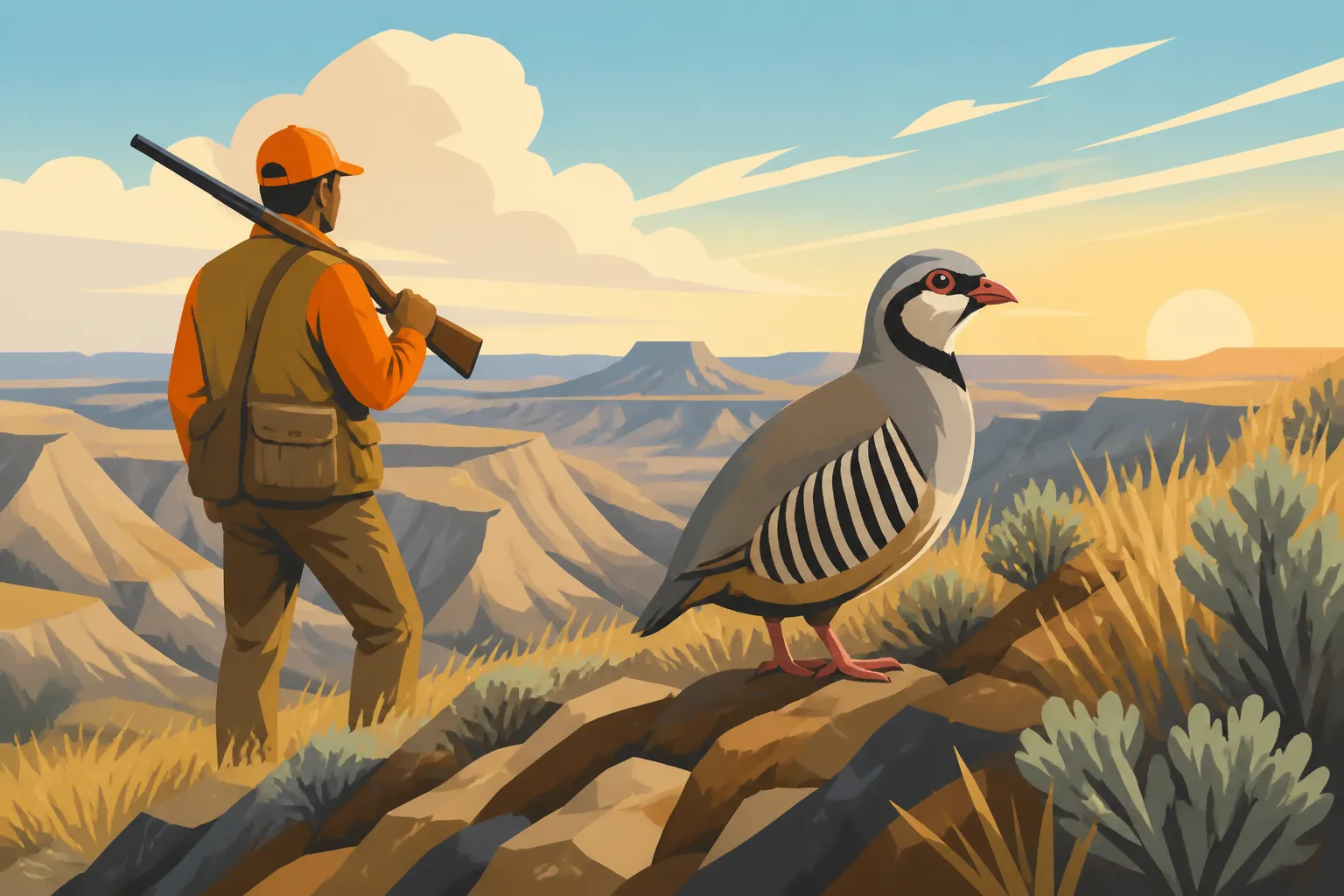
Imagine a landscape carved by ancient rivers and wind, leaving behind a mosaic of steep, rocky slopes, deep canyons, and eroded coulees. That's the essence of the "breaks." Chukar are true desert birds, even in the higher elevations where some of these breaks are found. They demand a combination of steep escape cover, a consistent food source, and crucially, access to water. The rough breaks provide all of this in spades. The vertical nature of the terrain allows them to run uphill to escape danger, leaving less fit predators (and hunters!) in their dust. These areas are often characterized by rocky outcrops, shale slides, and sparse vegetation, giving chukar excellent visibility to spot threats from afar.
What makes these breaks particularly attractive to chukar is their unique microclimates. Even on a scorching hot day, the chukar can often find cooler, shaded areas on north-facing slopes or tucked under rock ledges. When winter snows hit, the steep south-facing slopes melt off quickly, providing exposed feeding areas. This resilience to both extreme heat and cold, coupled with their uncanny ability to navigate incredibly steep and broken country, makes them perfectly adapted to these harsh environments. It's a stark contrast to the thick, brushy cover you might find pheasants in or the dense timber where you'd pursue grouse. Chukar hunting is almost like mountain climbing with a shotgun, and the breaks are their natural fortress.
Identifying Prime Chukar Cover
To find chukar, you need to think like a chukar. They are creatures of habit and prefer specific elements within these rough breaks. The number one indicator, beyond the steep, rocky terrain, is the presence of cheatgrass. While often considered an invasive nuisance, cheatgrass provides critical forage for chukar, especially in the late summer and fall when its seeds ripen. Look for slopes heavily laden with dried cheatgrass, particularly if it's mixed with sagebrush or other low-growing shrubs that provide minimal concealment.
Water sources are another non-negotiable factor. Chukar need to drink daily, especially in arid environments. This means focusing your search on areas within a reasonable distance of springs, seeps, stock tanks, or even river edges. The critical thing to remember is that "reasonable distance" for a chukar might be a mile or two, so you need to scan the breaks that have water somewhere in the vicinity. Often, you'll find coveys concentrated around these water sources in the early morning or late afternoon. Contour lines on a map, particularly those showing steep gradients converging towards a drainage, are your best friends here. The birds will often be found high up the slope from the water, moving down to drink and then back up to feed and roost. Finding Water Sources in Dry Hunting Country is an excellent resource for understanding how crucial this is, even for upland birds.
Common Chukar Habitat Features in Wyoming's Rough Breaks
| Feature | Importance | Hunter Tip |
|---|---|---|
| Steep, Rocky Slopes | Escape terrain, vantage points | Always try to approach from above. |
| Cheatgrass | Primary food source, especially dry seeds | Look for golden-brown slopes in late season. |
| Sagebrush/Shrubs | Minimal cover, but provides some shelter | Birds often flush from under sparse clumps. |
| Water Sources | Essential for daily hydration | Focus on drainages, springs, stock tanks. |
| Elevation Changes | Allows birds to run uphill, offers thermal regulation | Be prepared for significant vertical climbing and descending. |
| South-facing Slopes | Snow melts faster, exposing food in winter | Great for late-season hunting after snowfall. |
Where to Find Chukar in Wyoming's Unique Landscapes
Wyoming is a vast state, and while chukar aren't as widely distributed as, say, sage grouse, there are definite hotbeds where these challenging birds thrive. Pinpointing these areas on a map is the first step, but understanding the nuances of how terrain funnels them is key.
Key Regions and River Drainages
When you're looking for chukar in Wyoming, your focus should immediately narrow to areas dominated by significant river drainages and their surrounding rough country. The Bighorn River drainage, particularly around the Bighorn Basin, offers some of the most consistent chukar hunting opportunities. Here, the river has carved extensive breaks and canyons, providing that perfect blend of steep terrain, cheatgrass, and water. East of the Bighorns, you might find pockets in areas like the Powder River breaks, though these are often less consistent.
Another prime region is the Shoshone River drainage in the northwest, near Cody. Similar to the Bighorns, the Shoshone has created dramatic, chukar-friendly habitat. The Wind River Basin also holds potential, particularly in its more arid, broken sections. What these areas all have in common is significant topographical relief, often with badlands-like formations or steep, eroded hillsides dropping into river valleys. These aren't pristine mountain forests or flat grasslands; they are geological masterpieces of erosion, perfect for a bird that loves to run and fly downhill. A Hunting Overview of the Bighorn Basin can give you a broader perspective on the general hunting potential of one of these key chukar regions.
Scouting for Chukar: From Maps to Boots on the Ground
Successful chukar hunting begins long before you ever set foot in the field, often right from your kitchen table with good mapping software. Tools like GoHunt's mapping system allow you to pour over satellite imagery and topo maps, looking for those tell-tale steep slopes, drainages, and potential water sources. You'll want to identify areas with a high density of contour lines, indicating steep terrain, and then look for the lighter, often golden-brown hues in satellite view that suggest cheatgrass. Mark potential springs, stock tanks, or river access points. Consider access roads and potential parking, remembering that chukar country often means long walks and challenging climbs.
Once you have a few promising spots identified on your map, it's time for boots-on-the-ground scouting, even if it's just a hike without a gun. This is where you confirm what the maps are telling you. Look for chukar sign: their distinct crescent-shaped droppings, often found on prominent rocks or under low shrubs, and the occasional feather. Listen for their characteristic "chuk-chuk-chukar" call, especially at dawn or dusk. When scouting, focus on the transition zones between steep and less-steep ground, and areas where water meets good cover. Even though chukar are birds, understanding the landscape is critical, much like how you might approach Glassing Wyoming Basins Before You Take a Step for big game; you're looking for patterns in the terrain that hold your target species.
Strategies for Hunting Chukar in Challenging Terrain
Chukar hunting is often described as a "vertical sport." It's less about covering horizontal miles and more about conquering vertical feet. This means your hunting strategies need to adapt to the relentless uphill battles and controlled descents.
The Art of the Uphill Approach
The cardinal rule of chukar hunting is: always try to get above them. Chukar prefer to run uphill rather than fly, and when they do fly, they almost always fly downhill, often gaining incredible speed. If you approach them from below, they'll simply run up the slope, forcing you into an exhausting climb, only to flush wild once they've gained enough distance. The ideal scenario is to start high, hike along the contours or ridge lines, and work your way down into the breaks. When you jump a covey, they'll often flush downhill, giving you a slightly easier shot, and then you can mark where they land, giving you another chance to approach from above.
Working with a well-conditioned bird dog is almost essential for chukar. A good dog can cover more ground, pick up scent in difficult conditions, and, crucially, help you locate birds that have run or fallen into thick cover after the shot. However, even the best dog will struggle in this terrain, so ensure they are just as fit as you are and have protective booties for their paws. Your approach should be slow and deliberate, especially when you suspect birds are nearby. Chukar are masters of camouflage, and they can sit incredibly tight until you are almost on top of them, especially if they feel they have an escape route.
Working the Coveys: Flushing and Relocating
When a chukar covey explodes from the sagebrush, it's a sight to behold. They are fast, loud, and often catch you off guard. Your first shot will often be at a bird streaking away and downhill. Try to mark not just the birds you shoot at, but the entire covey. Chukar will often scatter after the initial flush, landing in small groups or as singles further down the slope or across a drainage. This is where the real work begins. Instead of immediately pursuing the flushed birds straight down, which is often a mistake, consider circling around to get above them again.
The good news is that scattered chukar tend to hold tighter than a full covey. Singles or pairs might be hidden among rocks or under brush, allowing for closer flushes and better shooting opportunities. Your dog will be invaluable here, helping to pinpoint these individual birds. Remember, it's a marathon, not a sprint. Take your time, re-hydrate, and patiently work the area where you saw the covey land. Often, if you're patient and methodical, you can get multiple flushes from a single covey throughout the day. This is a far cry from the more predictable patterns you might find in Wyoming Small Game Seasons at a Glance for other species.
Safety First in Steep Country
Hunting chukar isn't just physically demanding; it carries inherent risks due to the terrain. Falls are a real concern on loose shale, steep rock faces, and cheatgrass-covered slopes that offer poor footing. Always wear appropriate, high-quality hiking boots with excellent ankle support and aggressive tread. Consider using trekking poles, especially on descents, to maintain balance and reduce strain on your knees. Staying hydrated is paramount; carrying plenty of water is non-negotiable in these arid environments. Even on cooler days, the physical exertion will dehydrate you quickly.
Communicate clearly with your hunting partners, especially when moving through steep or broken country. Know where everyone is at all times. If you're hunting alone, ensure someone knows your general hunting plan and estimated return time. A satellite communication device like an inReach or Zoleo can be a literal lifesaver if you encounter an emergency in areas without cell service. How the Seven-Eighths Inch Ring Test Works for broadheads might not seem relevant, but the principle of understanding precise equipment and safety checks before heading into the field applies to all hunting.
Gear and Fitness for Wyoming Chukar Pursuits
Don't underestimate the physical demands of chukar hunting. This isn't a casual stroll; it's an athletic endeavor that requires specific gear and a solid fitness base.
Essential Gear for Chukar Hunting
Your gear choices can make or break a chukar hunt. Top of the list are your boots. Invest in lightweight, waterproof, and extremely supportive hiking boots. Think mountain hunting boots rather than bird hunting boots. Your feet and ankles will thank you after miles of side-hilling and navigating unstable ground. Layers of clothing are crucial as temperatures can fluctuate wildly between climbing a sun-drenched slope and dropping into a shady canyon. A good vest or small backpack for carrying water, snacks, shells, and a first-aid kit is essential.
For your shotgun, a lighter gauge like a 20-gauge or even a 28-gauge is often preferred, not just for carrying weight but for quick handling on fast-flushing birds. Opt for loads with smaller shot sizes (like 7 or 7.5) to ensure a good pattern on these smaller, quick-moving targets. And for your dog, a protective vest can prevent cuts and scrapes from sharp rocks and cacti, and booties are often a necessity. Don't forget a compass, GPS, or a mapping app like GoHunt on your phone, as it's easy to get disoriented in the maze of drainages. Optics Power for Wyoming's Long Sightlines might seem geared for big game, but good binoculars can also help you spot potential chukar habitat or distant coveys while glassing from a vantage point.
Physical Demands and Preparation
To say chukar hunting is physically demanding is an understatement. You'll often cover thousands of vertical feet in a day, ascending and descending steep slopes that feel endless. Imagine walking up and down a steep stair climber for hours, carrying a shotgun, and often a dog. This isn't a hunt you can roll off the couch for. Start a fitness regimen months in advance, focusing on cardio endurance, leg strength (especially for hiking steep inclines and declines), and core stability. Regular hiking with a weighted pack, stair climbing, and lunges are excellent exercises.
Altitude can also be a factor in some of Wyoming's chukar country, so if you're coming from sea level, give yourself a day or two to acclimate before hitting the breaks hard. Hydration and nutrition during the hunt are critical to sustain energy. Pack plenty of high-energy snacks and electrolytes. The mental fortitude required is almost as great as the physical. There will be times you feel utterly exhausted, questioning why you signed up for this punishment. But then, a covey will explode, you'll make a great shot, and the unique satisfaction of earning a chukar in its brutal home will make every drop of sweat worth it. You're not just hunting a bird; you're conquering a landscape.
Disclaimer
This article is for general informational purposes only and does not constitute professional advice. Laws, prices and regulations vary by location and change over time. Consult a qualified professional for guidance on your specific situation.