How Much to Tip a Hunting Guide
The world of guided hunts, especially for big game like the majestic elk or elusive mule deer in Wyoming, is an incredible experience. You put your trust, your time, and a significant investment into someone else's hands to help you achieve a lifelong dream. But once the hunt is over, the gear is packed, and the stories are told, many hunters find themselves in a bit of an awkward spot: how much do you actually tip your hunting guide? It's a question that can cause real anxiety, and you want to do right by the folks who worked so hard to make your adventure possible. This guide is here to demystify the tipping process, so you can show your appreciation with confidence.
The Unspoken Expectation: Why Tipping is Part of a Guided Hunt
Let's be honest, tipping can feel a bit like navigating a minefield. Are you giving too much? Too little? Is it even expected if you didn't tag out? When it comes to hunting guides, especially here in Wyoming, the answer is a resounding "yes," tipping is absolutely expected. It's a long-standing tradition in the outdoor service industry, much like tipping a fishing guide or a restaurant server. Understanding why it's so important helps clarify the picture.
A Guide's Livelihood and the Reality of Their Pay
For many professional hunting guides, their base wage from the outfitter might be modest. They often work incredibly long, demanding seasons, sometimes away from their own families for months on end. Tips aren't just a bonus; they are a substantial, and often necessary, part of their annual income. Think about all the work that goes into a hunt: the pre-season scouting, the maintenance of equipment, the tending to horses on a Horseback and Pack String Outfitters in Wyoming trip, the camp setup, the cooking, and all the behind-the-scenes logistics before you even set foot in the field. This isn't just a casual job; it's a dedicated profession, and their income reflects the seasonal nature and hard labor involved.
Many of these guides pour their heart and soul into their work, not just during your week-long hunt, but throughout the entire year preparing for it. They invest in their own gear, hone their skills, and constantly learn the nuances of animal behavior and the vast Wyoming landscape. When you consider the true scope of their commitment, from their intimate knowledge of Wyoming Elk Herd Units and Winter Range to their ability to keep camp running smoothly, it's clear why tips are such a critical component of their financial well-being. It's a direct way for you, the client, to acknowledge their personal investment in your experience.
Beyond the Harvest: Rewarding Effort, Expertise, and Experience
This is a crucial point that often gets misunderstood. A tip is not solely dependent on whether or not you punched your tag. While everyone hopes for a successful harvest, the true value of a guide lies in their effort, their expertise, and the overall quality of the experience they provide. Did they work tirelessly? Were they knowledgeable about game behavior and the terrain? Did they prioritize your safety and comfort? Did they make the long days in the field enjoyable, even when the animals weren't cooperating?
Imagine a scenario where the weather turned nasty, or the animals were simply not cooperating, and despite the guide's incredible efforts—their ability to Reading Wind on an Open-Country Stalk, their constant glassing, their willingness to hike miles in tough conditions—you didn't get a shot. A good guide will still have given you 110% of their effort. They still got you into opportunities, taught you something new, and ensured you had a safe and memorable time. That level of dedication, especially when facing challenging conditions on a physically demanding hunt that requires Physical Conditioning for a Mountain Hunt, deserves to be recognized. Your tip acknowledges all of that hard work and commitment, regardless of the final outcome. It's a tangible thank you for their professionalism and passion.
The Ethical Standard in the Guiding Industry
Tipping is an established ethical standard within the guiding industry, much like it is in other service sectors. When you embark on a guided hunt, whether it's for a trophy bull elk or a speedy pronghorn, you are entering into a professional service relationship. Guides often view their tips as a direct performance bonus, a measure of how well they met your expectations and delivered on the promise of an incredible outdoor adventure.
This expectation is often communicated subtly, if at all, by the outfitter or guide themselves, which is where the awkwardness for hunters can arise. However, it's a widely accepted custom. Ignoring it, or significantly short-tipping without a truly egregious reason, can be seen as disrespectful to the guide's professionalism and hard work. Think about the countless hours your guide spent scouting before your arrival, preparing camp, packing in provisions, or ensuring all the necessary equipment was in top shape for your What a Guided Wyoming Elk Hunt Costs trip. This preparation and dedication are all part of the service you're receiving, and the tip is the accepted way to show your appreciation for that complete package of effort and experience.
The Golden Rule of Tipping: What's a Fair Amount?
So, now that we understand why to tip, the million-dollar question remains: how much? There's a widely accepted range, but also many nuances that can influence your final decision. No two hunts or guides are exactly alike, and your tip should reflect your specific experience.
The Standard Range: 15-20% of the Hunt's Cost
The most common and widely accepted benchmark for tipping a hunting guide is 15-20% of the total hunt cost. This percentage serves as a solid starting point for a guide who provided a good, professional, and hardworking experience. If your hunt package was, for example, several thousand dollars, you can quickly calculate a reasonable base tip from this range.
Many hunters use reputable platforms like BookYourHunt or GoHunt to research outfitters and plan their trips. These resources often include sections on what to expect regarding costs, and sometimes even touch on general tipping guidelines, giving you a better idea of the financial commitment involved. When an outfitter lists their Guided Hunt Price Ranges by Species, understand that this base price typically does not include the guide's gratuity. The 15-20% rule applies to the cost of the guided service itself, not including things like your license, travel, or taxidermy. This range is considered fair for a standard, professional job, where the guide worked hard, was knowledgeable, and made your time in the field enjoyable and safe.
Factors That Elevate or Modulate Your Tip
While 15-20% is a great baseline, several factors can (and should) influence whether you tip at the lower end, higher end, or even exceed that range.
- Exceptional Service and Effort: Did your guide go truly above and beyond? Perhaps they located a trophy animal in incredibly difficult conditions, helped with a challenging retrieve over rough terrain, or went out of their way to ensure your comfort after a long day. Maybe they even made sure you saw some incredible game species like a cinnamon bear in the field while hiking. On a grueling mountain hunt, a guide who consistently showed extraordinary effort, incredible patience, and a relentless drive to help you succeed, even when you were exhausted, definitely warrants a tip on the higher end of the scale, or even a bit more.
- Length and Intensity of the Hunt: A 7-day backcountry elk hunt that involved extensive hiking, bad weather, and multiple spike camps will likely garner a higher percentage tip than a 2-day antelope hunt from a truck. The physical and mental demands on the guide are significantly different.
- Multiple Guides or Support Staff: In some operations, especially on larger, more luxurious hunts, you might have a lead guide, assistant guides, wranglers, and a cook. You'll need to consider how to divide your tip, or if the outfitter provides guidance on tipping the crew separately. We'll dive into this more later.
- Personal Connection and Personality: A guide who is not only skilled but also personable, entertaining, and makes you feel like you're hunting with a good friend can significantly enhance your experience. This intangible aspect of the hunt is priceless and worth recognizing.
- Special Accommodations: If you requested or needed special accommodations due to physical limitations, dietary restrictions, or other personal circumstances, and your guide handled them gracefully and effectively, that extra effort should be considered.
- Success (Though Not the Only Factor): While not the only factor, if your guide put you on a magnificent animal and you were able to successfully harvest, it's natural to feel a heightened sense of gratitude that might push your tip towards the higher end of the spectrum.
When considering these factors, ask yourself: Was this simply a good hunt, or was it truly exceptional? Did the guide do everything they possibly could given the circumstances? Your answers will help you land on the right amount within that 15-20% range, or even above it for truly outstanding service.
Distinguishing Between Drop Camps and Fully Guided Hunts
It's important to understand that not all guided experiences are the same, and the type of service you receive impacts tipping expectations. Drop Camps: Packed In and Left to Hunt operate very differently from fully guided hunts, and your tip should reflect that difference.
In a drop camp scenario, you're paying an outfitter for transportation into a remote area, usually by horseback, and they often set up a basic camp for you. They might also provide some pre-hunt information or retrieve your game and equipment at the end. Your tip here is primarily for the packer/wrangler who gets you and your gear safely in and out, the condition of the horses, and the outfitter's logistical support. Since you aren't receiving daily, in-field guiding, the tip percentage would be much lower, perhaps 5-10% of the drop camp fee, or a flat daily rate per packer. For example, if you book a drop camp for a week, you're not tipping a guide for seven days of hunting, but rather the crew that got your What a Wyoming Drop Camp Actually Includes into the backcountry.
Conversely, a fully guided hunt, as outlined in What a Fully Guided Wyoming Elk Hunt Includes, means you have a dedicated guide with you every day in the field, actively scouting, tracking, calling, and making decisions to help you harvest an animal. This is where the 15-20% rule firmly applies. The guide is actively participating in every aspect of your hunting experience, from dawn until dusk, and their expertise and presence are continuous. It's crucial to clarify with your outfitter beforehand what kind of service you've booked, especially when using a platform like BookYourHunt, so you can budget appropriately for the tip. Don't be afraid to ask Questions to Ask a Wyoming Outfitter about tipping norms before you even arrive.
Beyond the Percentage: Practical Tipping Scenarios and Etiquette
Once you've settled on a percentage, how do you actually deliver the tip? This part can feel almost as awkward as deciding the amount. However, a few simple guidelines can ensure you handle it gracefully and respectfully.
Cash, Check, or Digital? Best Ways to Deliver Your Gratitude
When it comes to tipping your hunting guide, cash is king. Always. There are several reasons for this:
- Immediacy: The guide receives the money immediately, without waiting for checks to clear or dealing with digital transfer delays.
- No Fees: Digital payments often incur fees, which means the guide doesn't receive the full amount you intended.
- Privacy: Cash is discreet and private. It allows the guide to manage their earnings without needing to disclose it to the outfitter or anyone else.
- Flexibility: Guides, especially those who work seasonally and might not have a permanent residence during the hunting season, often prefer cash for its direct utility.
It's a good idea to bring enough cash for your tip, ideally in smaller denominations, so you can provide an exact amount. Plan this out before you leave home, perhaps by making a stop at your bank. If, for some reason, cash is absolutely not feasible, a personal check made out directly to your guide (or guides) is the next best option. Digital payment apps like Venmo or PayPal are becoming more common, but always confirm with your outfitter or guide first if this is an acceptable method for them, as some may not have accounts or prefer not to use them for tips. Never assume.
Tipping the Crew: Don't Forget the Unseen Hands
On many guided hunts, especially those operating large base camps or requiring significant logistics, there's an entire team working to make your experience exceptional. This often includes cooks, wranglers who handle the horses, and camp jacks who maintain the facilities, chop wood, and assist wherever needed. These individuals work incredibly hard, often starting even earlier and finishing later than your guide, ensuring that everything runs smoothly in camp. They are a vital part of what makes the overall hunt enjoyable and comfortable, and it's essential to recognize their contributions. This is often part of What Outfitter Prices Leave Out when they quote their hunt prices.
A common practice is to allocate a separate portion of your tip for the support staff. You can either give a lump sum to the lead guide or outfitter and ask them to distribute it fairly among the crew, or you can present individual tips to each person if you've had direct interaction with them. A good rule of thumb is $50-$100 per staff member per week, or a smaller daily amount, depending on the level of service and the size of the operation. Again, if you're unsure, discreetly ask your outfitter about their camp's specific tipping customs for support staff. They will appreciate you asking to ensure you're doing it correctly and showing respect to their entire team.
When to Adjust Downward (and Why It's Rare)
This is a delicate topic because, as established, tipping is about effort and service, not just success. However, there are rare instances where a truly poor experience might warrant adjusting your tip downward. This is not for bad weather, unlucky breaks, or simply not tagging out. This is reserved for genuinely unprofessional conduct, unsafe practices, or a clear lack of effort from your guide.
Examples of situations that might justify a reduced tip include:
- Consistent tardiness or disappearing during critical hunting hours.
- Appearing intoxicated or impaired.
- Disregarding safety protocols, such as proper Firearm Safety Expectations From Your Guide.
- Showing a blatant lack of effort, knowledge, or engagement in the hunt.
- Being disrespectful, rude, or verbally abusive.
If you find yourself in such an unfortunate situation, the first step is always to communicate your concerns directly with the outfitter. Many outfitters value their reputation and want to ensure their clients have a positive experience. They may be able to address the issue or even offer an adjustment. Only after addressing the concerns with the outfitter, and if the service was truly egregious, should you consider reducing your tip. This should be a last resort, as a guide's livelihood depends on these gratuities. Before you even book, it's wise to do your homework and look for Red Flags When Booking a Wyoming Outfitter or Vetting a Wyoming Outfitter Before You Send a Deposit to minimize the chance of such an unpleasant situation.
The Timing and Presentation of Your Tip
The timing and manner of presenting your tip are just as important as the amount. You want it to be a sincere gesture of gratitude, not an afterthought.
- Timing: The ideal time to give your guide their tip is at the very end of the hunt, typically on the last evening or morning before you depart camp. This ensures you've experienced the full scope of their service.
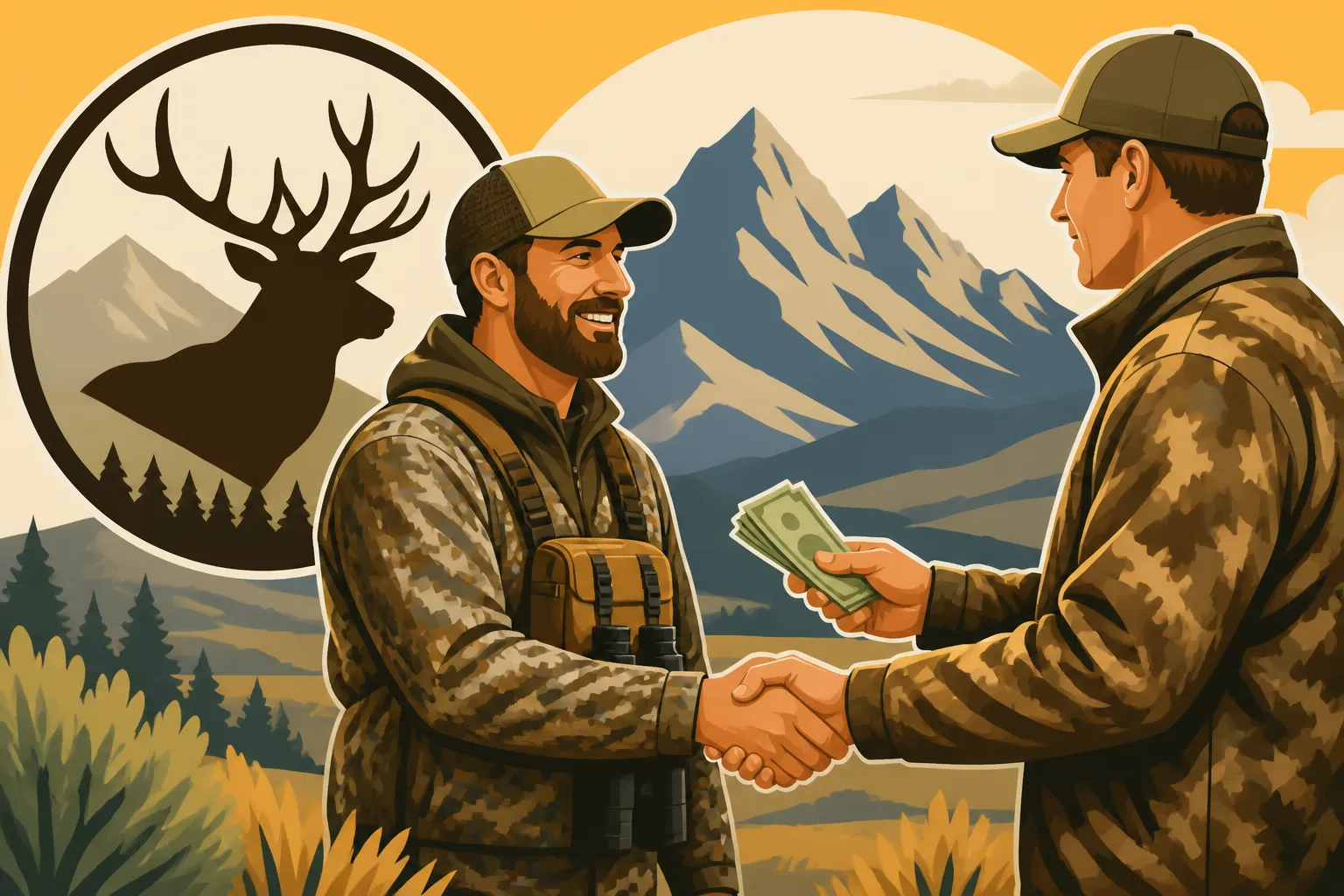
- Presentation: Make it a private, personal exchange. Find a moment when you can speak with your guide one-on-one, away from other clients or staff if possible. Hand them the envelope of cash or check discreetly, look them in the eye, shake their hand, and offer a heartfelt "thank you." Explain what you appreciated most about their efforts, their professionalism, or a specific memory from the hunt. This personal touch makes the gratuity much more meaningful. Avoid making a big show of it or giving it in front of others in a way that might make anyone uncomfortable. A simple, sincere thank you note accompanying the tip can also add a nice touch.
Navigating the Financial Side of a Guided Hunt
Embarking on a guided hunting trip in Wyoming is an investment, and it's one that requires careful financial planning beyond just the initial outfitter's fee. Understanding the full scope of costs, including your guide's tip, is essential for a stress-free and enjoyable experience.
Understanding Total Hunt Costs Beyond the Base Price
It's easy to look at an outfitter's quoted price for a Guided Hunt Price Ranges by Species and think that's the final number. However, as we've already touched upon, there are many additional expenses that add up quickly. These often include:
- Hunting Licenses and Tags: Wyoming tags can be costly, especially for nonresidents, and vary significantly by species.
- Travel Expenses: Flights, fuel, vehicle rental, and potentially lodging before or after the hunt.
- Meat Processing and Shipping: If you're successful, you'll need to budget for butchering, freezing, and shipping your game meat home.
- Taxidermy: For those pursuing a trophy, taxidermy is another significant expense.
- Gear and Equipment: While your outfitter provides some gear, you'll still need your own personal hunting clothing, optics, and rifle or bow, all of which require investment.
- Gratuities (Your Tip!): This is one of the biggest "hidden" costs that many first-time guided hunters overlook.
Platforms like GoHunt offer incredible tools for comprehensive hunt planning, allowing you to research unit draw odds, season dates, and even general cost estimates for various aspects of a Western hunt. Using such resources can help you build a more accurate overall budget, ensuring no surprises down the line.
Budgeting for the Tip from Day One
Given that your guide's tip is a significant and expected expense, it's crucial to factor it into your budget from the very beginning of your hunt planning. Don't let it be an afterthought. When you're researching outfitters and looking at their prices on sites like BookYourHunt, mentally add an additional 15-20% to that cost for your guide's gratuity.
This proactive approach ensures you're financially prepared and eliminates any stress or discomfort when it's time to show your appreciation. Imagine the relief of knowing you've set aside the cash specifically for this purpose, rather than scrambling at the last minute or feeling like you're shortchanging someone who worked tirelessly for you. Think of it as an integral part of the overall cost, just like your license or your travel. By budgeting for it, you can relax and truly enjoy your hunt, knowing you're prepared to properly acknowledge the effort and dedication of your guide.
Open Communication with Your Outfitter
If, after all your research and planning, you still have lingering questions about tipping, the best course of action is almost always open communication with your outfitter. Don't be shy about asking discreetly about their camp's specific tipping customs, what's typical for their guides, or how they prefer support staff gratuities to be handled.
A reputable outfitter will appreciate your transparency and desire to do things correctly. They want their clients to be happy and their guides to be properly compensated. Asking shows respect for their business and their crew. Remember, they are professionals running a business, and they understand that clients want to understand the full financial picture. By having these conversations early on, you eliminate any guesswork and ensure that you can gracefully and appropriately show your appreciation for the hard work that goes into making a Wyoming hunting adventure truly unforgettable.
Disclaimer
This article is for general informational purposes only and does not constitute professional advice. Laws, prices and regulations vary by location and change over time. Consult a qualified professional for guidance on your specific situation.