How Spike Camp Arrangements Usually Work
The idea of a spike camp might sound like something out of a classic Western novel, an almost romantic notion of venturing deep into the backcountry, far from the crowds. But for many hunters, the reality of planning and executing a spike camp can feel daunting, leading to worries about gear, logistics, and just how "rough" it's really going to be. This guide will walk you through how spike camp arrangements typically work, from defining what they are to the nitty-gritty details of gear, food, and working with outfitters in the rugged landscapes of Wyoming.
What Exactly is a Spike Camp?
When we talk about a spike camp in the context of Wyoming hunting, we're not just talking about any old campsite. This is a specific strategy, a temporary, minimalist setup designed to get you closer to the game and extend your hunting range beyond what's possible from a main base camp or vehicle access point. It's about shedding weight and maximizing efficiency to penetrate deeper into remote territories.
The Core Concept: Light and Mobile
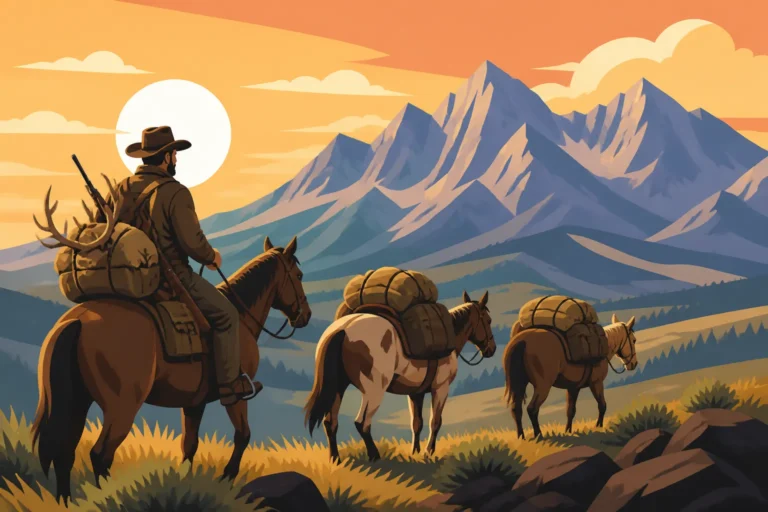
At its heart, a spike camp is about being light and mobile. Think of it as a strategic forward operating base. Instead of returning to a comfortable base camp or your truck every night, you pack essential gear on your back, or perhaps with a trusty pack animal, and move into the heart of the hunting area. This means smaller tents, lighter sleeping systems, and carefully portioned food. The idea is to spend a few days, perhaps up to a week, in an area where game is concentrated, minimizing travel time each day and maximizing hunting effort.
This isn't about luxury; it's about pure function. You're trading creature comforts for increased hunting opportunity. The gear choices reflect this: every item is scrutinized for weight and utility. There's no room for extraneous items when every pound on your back counts, especially when you're traversing steep elevation gains or covering long distances over rough terrain in places like the Bridger-Teton National Forest or the Bighorn Mountains. The goal is to move efficiently, set up quickly, hunt hard, and then, often, move again.
Why Hunters Choose a Spike Camp
The primary reason hunters opt for a spike camp is simple: access. Many of Wyoming's most sought-after game, especially mature elk and mule deer, reside in areas that are difficult to reach from established roads or popular trailheads. These animals are often pushed into rugged, remote terrain by hunting pressure, and a spike camp allows you to follow them. By setting up a temporary camp closer to their core range, you can be on stand or in a glassing position at first light, rather than spending hours hiking in each morning.
Another key advantage is extended time in the field. Instead of facing a long, arduous hike back to a base camp at the end of a tiring day, you can collapse into your spike camp, recover, and be ready to go again with minimal lost time. This is especially critical during the rut when elk activity peaks early and late in the day. A spike camp keeps you immersed in the hunting environment, allowing you to react to changing conditions, track game more effectively, and capitalize on opportunities that might otherwise be missed. It also provides a deeper sense of wilderness immersion, a true test of self-reliance and grit that many hunters deeply value.
The Logistics of Setting Up a Spike Camp
Successfully setting up and maintaining a spike camp requires meticulous planning and a realistic understanding of what you need versus what you can afford to carry. It's a delicate balance where every decision impacts your comfort, safety, and ultimately, your hunting success.
Gear Selection for Minimalist Comfort
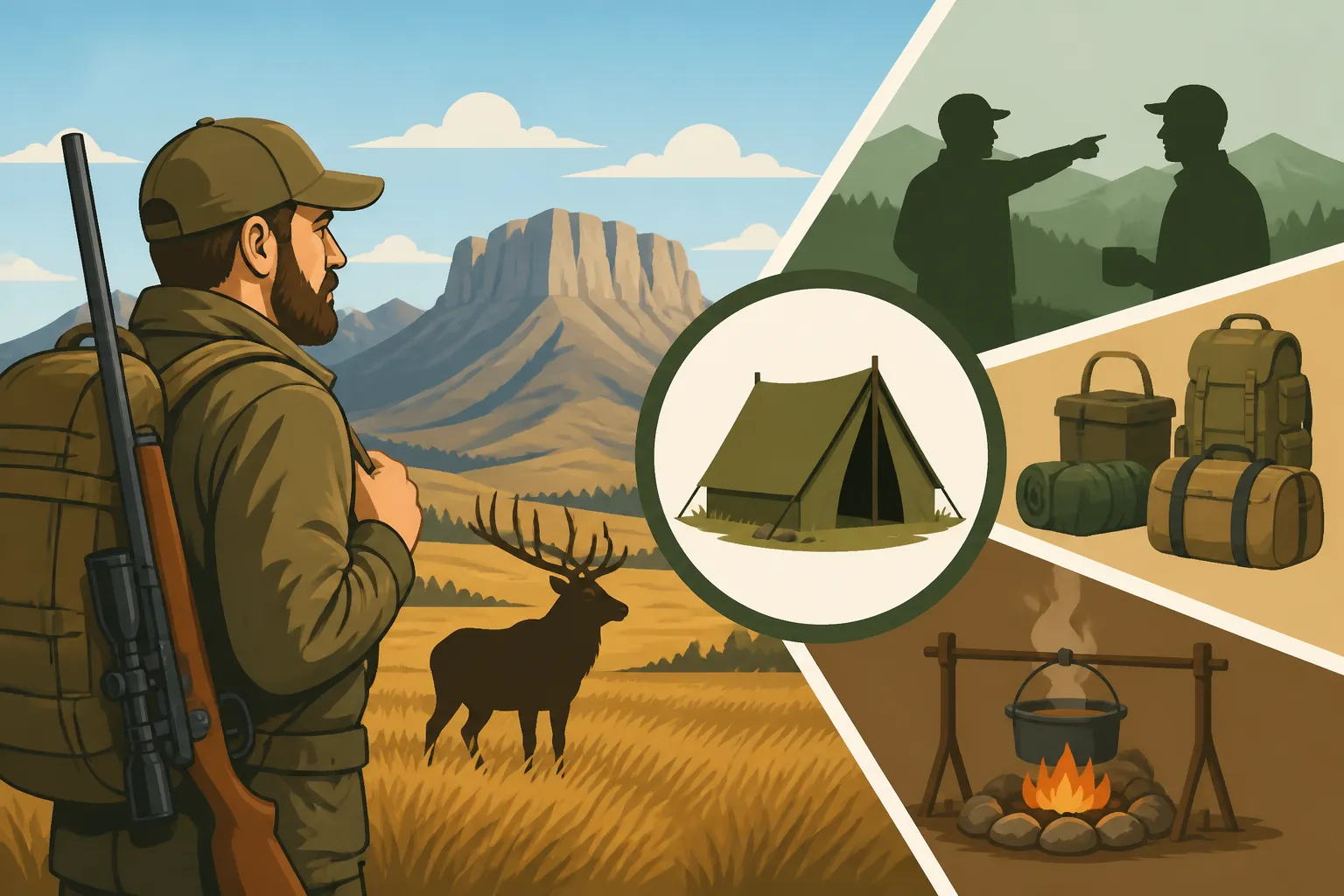
When it comes to spike camp gear, "minimalist" isn't just a suggestion, it's a mantra. Your gear list needs to be ruthlessly efficient. Your shelter might be a lightweight tent, a tarp, or even a bivy sack, chosen based on expected weather and personal preference for weight savings. Sleeping systems need to provide adequate warmth for cold Wyoming nights without excessive bulk. Think down sleeping bags and inflatable sleeping pads with high R-values.
Cooking gear is often boiled down to a small stove, a single pot, and freeze-dried meals, perhaps supplemented by instant coffee or dehydrated soup. Water purification is non-negotiable, whether through a filter, chemical treatment, or a SteriPen, because carrying all your water is rarely feasible. Beyond that, essential navigation tools like a GPS, map, and compass are critical, along with a first-aid kit that covers basic emergencies. You might be surprised how specialized some of this gear gets, all designed to shave ounces. For those unfamiliar with the ruggedness of a Western hunt, checking out advice on Physical Conditioning for a Mountain Hunt can offer perspective on what your body will need to endure carrying this type of load.
Choosing the Right Location
Selecting the right spot for your spike camp is paramount. It needs to be strategic for hunting, but also safe and practical. Look for areas that offer a good vantage point for glassing or are centrally located to prime game habitat. Proximity to a reliable water source is often the most critical factor, as hauling water is incredibly heavy and time-consuming. However, be mindful of setting up too close to waterholes, as you might contaminate the source or scare off animals.
Consider terrain that offers natural shelter from wind and weather, perhaps a dense stand of timber or a protected bench. Drainage is also important; you don't want to wake up in a puddle if a storm rolls through. Always choose a spot that minimizes your impact on the environment, following Leave No Trace principles. When using tools like GoHunt, you can really dial in potential locations by studying topo maps, looking for hidden benches, water sources, and escape routes for game, all before you even set foot on the mountain. Knowing Terrain That Hides an Approach can also guide your choice, not just for stalking, but for hiding your camp. Pay attention to game trails, but don't camp directly on them. Think about prevailing wind directions for scent control, both for you and your camp.
Food, Water, and Resupply Strategy
The fuel for your body in a spike camp is just as important as the fuel for your stove. Food needs to be lightweight, calorie-dense, and easy to prepare. Freeze-dried meals are popular for their convenience, but you can also supplement with energy bars, nuts, dried fruit, and jerky. Plan out every meal, considering how many days you'll be in camp. Overpacking food is a common mistake that adds unnecessary weight.
Water is always a challenge. Carrying enough for several days is often impossible, especially in arid regions of Wyoming. This is why a reliable water source and purification method are so critical. Scout potential water sources beforehand using maps or satellite imagery. Learning about Finding Water Sources in Dry Hunting Country can be a game-changer for spike camp planning. For longer trips, a resupply strategy is essential. This might involve caching food and water at a predetermined spot before the hunt, or having an outfitter or friend meet you at a specific rendezvous point with fresh supplies. In true DIY spike camps, hunters often "spike out" for a few days, then return to their main base camp to resupply before pushing out again.
Working with Outfitters for Spike Camp Access
For many hunters, particularly nonresidents or those new to extensive backcountry hunting, the idea of a fully DIY spike camp can be overwhelming. This is where outfitters can play a crucial role, providing services that bridge the gap between a fully guided hunt and a completely self-sufficient expedition.
Drop Camp Services and What They Include
A "drop camp" is essentially an outfitter-assisted spike camp. You and your gear are "dropped off" by the outfitter, often via horseback or ATV, at a remote, pre-arranged location. The outfitter might provide a basic tent, cots, and perhaps some cooking equipment, but the hunting, cooking, and daily camp management are entirely up to you. This service dramatically reduces the physical burden of packing in all your heavy gear, allowing you to reach areas that would be inaccessible otherwise.
Outfitters offering drop camps are typically licensed to operate on public lands, including national forests and BLM land. They handle the permits and logistics of getting you and your gear into the backcountry. The outfitter will agree upon a pickup date and location, leaving you to hunt independently for the duration. It's a fantastic option for hunters who want the wilderness experience and independence of a spike camp without the grueling pack-in. Many hunters find these services invaluable, as discussed in What a Wyoming Drop Camp Actually Includes. When you are researching these options, checking review platforms like BookYourHunt can give you a good sense of which outfitters excel at drop camp logistics.
Semi-Guided Options and Their Role
Semi-guided hunts offer another flexible option that can sometimes incorporate spike camp elements. In a semi-guided scenario, an outfitter might provide transportation to a hunting area, offer advice on where to hunt, and retrieve downed game, but they don't actively guide you day-to-day. This might mean they drop you at a remote location with a basic camp setup, much like a drop camp, but they might also check in on you periodically or assist with packing out an animal.
The level of involvement varies significantly between outfitters, so it's critical to clarify exactly what's included. Some semi-guided options might even involve a guide joining you for a portion of the hunt, or simply assisting with initial scouting and camp setup before leaving you to hunt on your own. This can be particularly useful for navigating complex wilderness regulations or accessing areas with tricky ingress/egress. These arrangements can often lead to a more successful hunt than a purely DIY attempt, especially in challenging environments.
Essential Questions for Your Outfitter
Before committing to any drop camp or semi-guided service, asking the right questions is crucial. Don't be afraid to be thorough. Clarify exactly what equipment the outfitter provides versus what you need to bring. Ask about the type of camp setup (wall tent, dome tent, cots, etc.), cooking facilities, and any safety protocols. Inquire about their communication plan in case of emergency—will they have satellite communication? What is their policy on emergency extraction? For example, it’s always good to ask about Satellite Communication From a Hunting Camp.
Also, confirm the details of the drop-off and pick-up, including specific times and contingency plans for bad weather or unexpected delays. Discuss game retrieval—how will a downed animal be packed out? What are their typical success rates for similar hunts? Understanding Reading an Outfitter's References can help you evaluate their reputation. Ensure you fully understand the cost breakdown, including any hidden fees for things like extra weight, game retrieval, or trophy care. A reputable outfitter will be happy to answer all your questions and provide clear, concise information about their services.
The Realities and Challenges of Spike Camp Hunting
Embracing a spike camp means accepting a certain level of challenge and discomfort. It's not for everyone, but for those who commit, the rewards can be immense. Understanding the realities beforehand can help you prepare both physically and mentally.
Physical Demands and Mental Grit
Let's be honest: spike camping in Wyoming is physically demanding. You'll be hiking long distances with a pack, often over steep, uneven terrain, and at high altitudes. Packing out an animal from a remote spike camp can turn an already grueling experience into an epic test of endurance. Preparing for Altitude on a Wyoming Hunt is not just a suggestion; it's a necessity for those coming from lower elevations. Your physical conditioning needs to be top-notch, far beyond what you might need for a roadside hunt.
Beyond the physical, there's a significant mental component. You're removed from the comforts of civilization, often with limited communication. The weather can change in an instant, and you might face days without seeing game or experiencing success. This requires mental toughness, resilience, and the ability to stay positive when things get tough. It's about problem-solving on the fly, adapting to unexpected situations, and maintaining your focus when you're tired and cold. This is where true grit is forged.
Weather, Wildlife, and Contingency Planning
Wyoming weather is notoriously unpredictable. A warm, sunny morning can quickly turn into a blizzard, even in early fall. You need to be prepared for all four seasons in a single day. Your gear must be robust enough to handle cold, wind, rain, and snow. Layering your clothing is critical, and having a quality rain shell and insulation is non-negotiable. Always check the forecast, but always pack for the worst.
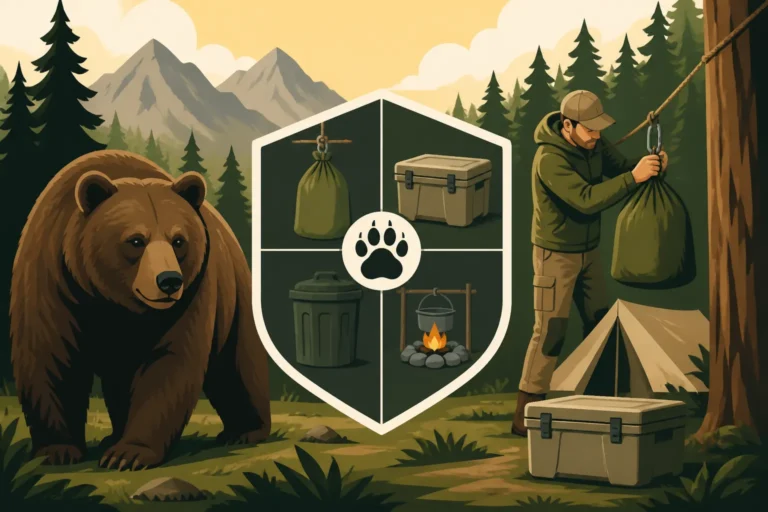
Encounters with wildlife are also a distinct possibility, especially in grizzly country in areas like the Shoshone National Forest. Proper food storage (bear canisters, hanging food) is essential, and carrying bear spray is highly recommended. Understanding local regulations regarding Food Storage Rules in Grizzly Country is vital. Beyond large predators, smaller critters can also be a nuisance, so keeping a clean camp is important.
Contingency planning is your best friend. What's your plan if someone gets injured? What if you lose your way? What if a major storm hits and you're stranded? Having a satellite communication device is a smart investment. Always share your itinerary with someone back home and stick to it as closely as possible. Knowing How Outfitters Plan Emergency Evacuations might offer insight into professional protocols you can adapt for your own safety planning. Being prepared for the unexpected is not about fear; it's about responsible hunting and survival in the beautiful, but often unforgiving, Wyoming backcountry.
Spike Camp at a Glance
For those considering a spike camp, here’s a quick overview of what sets it apart:
| Feature | Description | Benefits | Challenges |
|---|---|---|---|
| Location | Remote, far from roads, often in prime game habitat. | Maximize hunt time, access unpressured game. | Difficult access, unpredictable weather, isolation. |
| Gear | Minimalist, lightweight, highly functional essentials. | High mobility, reduces physical burden. | Limited comfort, specialized gear needed, higher cost. |
| Duration | Typically 2-5 days away from a main base camp. | Intense hunting focus, deeper wilderness immersion. | Physical and mental endurance required, resupply needs. |
| Food/Water | Calorie-dense, lightweight food; water purification essential. | Efficient packing, sustained energy. | Requires careful planning, access to water sources. |
| Outfitter Role | Drop-off/pick-up, basic camp setup (drop camps). | Reduces pack weight, professional access. | Still self-reliant for hunting, added cost. |
| Experience | Rugged, self-reliant, immersive backcountry hunting. | High sense of accomplishment, unique adventure. | Risk of injury, exposure, mental fatigue. |
Disclaimer
This article is for general informational purposes only and does not constitute professional advice. Laws, prices and regulations vary by location and change over time. Consult a qualified professional for guidance on your specific situation.