Wyoming Bighorn Sheep Random Odds Sit Under One Percent
There are few hunting dreams as grand, as elusive, and as challenging as drawing a bighorn sheep tag in Wyoming. For many, it's a lifelong pursuit, an annual ritual of applying with a hopeful heart, knowing full well that the odds are stacked so incredibly high against you. The sting of another unsuccessful draw result can be disheartening, a reminder of just how rare these opportunities truly are. This guide is for every hunter who dreams of chasing wild sheep in the high country, delving deep into the brutal reality of Wyoming’s bighorn sheep random odds, exploring the application intricacies, the management philosophies, and what it truly takes to prepare for the hunt of a lifetime, should fortune ever smile upon you.
The Harsh Reality of Wyoming Bighorn Sheep Draw Odds
Let's not sugarcoat it: drawing a bighorn sheep tag in Wyoming is akin to winning a high-stakes lottery. It’s not just difficult; it's statistically improbable for most hunters, especially nonresidents. This isn't meant to discourage, but to set a realistic expectation for what is undoubtedly one of the most coveted tags in North America.
Understanding the Near-Impossible Random Draw
The sheer demand for bighorn sheep tags in Wyoming far, far outstrips the supply. We're talking about a limited number of tags distributed across a relatively small number of hunt districts each year, designed to maintain healthy, sustainable sheep populations. When you consider the thousands upon thousands of applicants vying for perhaps a couple dozen or even fewer non-resident ram tags annually, the math quickly paints a grim picture. Many hunt districts might only have one or two non-resident ram tags available, if any at all, in a given year. Your name is literally tossed into a massive digital hat alongside thousands of others, and for the vast majority, the outcome is predictable disappointment. This isn't like applying for a general deer or elk tag where success is often a matter of a few preference points and picking the right unit; for bighorn sheep, it's a pure test of long-term persistence and incredible luck.
The emotional toll of this reality can be significant. Years turn into decades, and for many dedicated hunters, the annual application becomes a bittersweet tradition. It’s a dream nurtured through countless hours of reading, planning, and envisioning, only to be met with the familiar "unsuccessful" notification. This isn't just about hunting; it's about the deep-seated desire to experience one of nature's true masterpieces in its rawest form. The frustration is real, but so is the unwavering hope that keeps hunters coming back year after year.
How Preference Points Stack Up for Sheep
Now, if you're thinking, "I'll just pile up preference points like I do for elk or mule deer," you need to understand that Wyoming's bighorn sheep draw works differently. For these "once-in-a-lifetime" species (which also include moose and mountain goat), Wyoming employs a weighted preference point system, not a traditional preference point system. This is a critical distinction that often trips up new applicants. In a weighted system, each point you accrue essentially gives you an additional entry into the random drawing. So, if you have 5 points, your name goes into the hat 6 times (your current application + 5 points). If you have 10 points, your name goes in 11 times.
While having more entries certainly increases your odds compared to someone with zero points, it does not guarantee a tag, nor does it necessarily put you in a significantly better position than someone with fewer points, given the sheer volume of applicants. You could have 20 points, and someone with zero points could still draw the tag right out from under you. This system still heavily relies on luck, even for those who have been faithfully building points for years. The advantage points provide is marginal compared to the demand, underscoring that for species like bighorn sheep, the draw is predominantly a pure lottery.
The Rarity of a Bighorn Sheep Tag
The prestige of a bighorn sheep tag is almost mythical among hunters. It's often referred to as the "holy grail" of big game hunting, and for good reason. These majestic animals inhabit some of the most rugged, inaccessible, and breathtaking landscapes in Wyoming. Their ability to thrive in extreme mountain environments, combined with their incredible horns that symbolize strength and resilience, makes them an incredibly sought-after trophy. Successfully drawing a tag means you've earned the chance to pursue one of North America's most iconic species in a true wilderness setting.
The very nature of bighorn sheep habitat, their elusive behavior, and the immense physical challenge of hunting them contribute to their legendary status. Hunters dream of the crisp mountain air, the panoramic views, and the intense satisfaction of spotting a ram high on a distant ridge. This isn't just about pulling a trigger; it's about the journey, the challenge, and the profound connection to the wild. The fact that so few tags are issued annually elevates the experience for those lucky enough to draw, turning it into a truly Why Sheep Is a Once-in-a-Lifetime License in Wyoming. This rarity also means that many hunters apply for decades without ever seeing their dream realized, yet they continue to try, fueled by the slim hope and the profound allure of the bighorn.
Wyoming's Bighorn Sheep Hunt Districts and Management
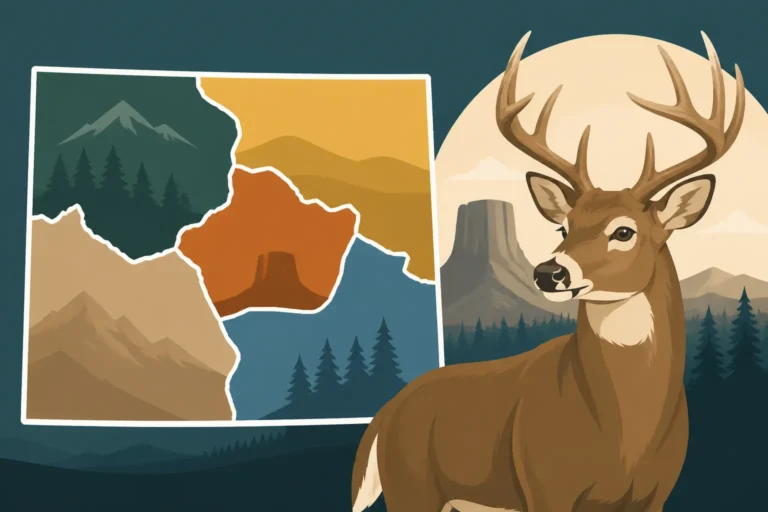
Wyoming's bighorn sheep populations are carefully managed to ensure their long-term health and to provide sustainable hunting opportunities. This involves dividing the state into specific hunt districts, each with its own unique characteristics, management goals, and tag allocations.
Overview of Key Sheep Hunt Districts
Wyoming is home to several distinct bighorn sheep populations, primarily found in the western and northwestern mountainous regions. Some of the most renowned hunt districts include those within the Bridger-Teton National Forest and the Shoshone National Forest, such as the areas encompassing the Jackson, Wind River, Absaroka, and Sunlight ranges. Each of these districts presents unique challenges and opportunities. For instance, the Jackson herds, often associated with the Gros Ventre Wilderness, offer breathtaking scenery but demand exceptional physical conditioning and navigation skills. The Absaroka and Sunlight areas, near Cody, are known for their rugged, volcanic terrain and can be incredibly demanding, often requiring significant horse packing to access remote areas. The Wind River Range offers vast expanses of wilderness and can hold significant sheep numbers, but the sheer scale of the landscape makes spotting and stalking an arduous task.
Understanding these districts is crucial, and resources like the Wyoming Game and Fish Department's hunt planner and detailed maps can help you visualize the terrain. Being able to Reading a Wyoming Sheep Hunt District Map is a foundational skill for any hopeful bighorn applicant. Each district has specific tag numbers that can fluctuate year to year based on population surveys, lamb recruitment, and overwinter survival rates. Some districts consistently offer a few tags, while others may only have a tag or two every few years, if at all. These variations play a significant role in the extremely low draw odds, as hunters often concentrate their efforts on districts perceived to have higher tag numbers or better success rates.
Population Objectives and Herd Health
The Wyoming Game and Fish Department (WGFD) has specific population objectives for each bighorn sheep herd in the state. These objectives are set to maintain healthy, viable populations while balancing other factors like habitat carrying capacity and disease management. Wild sheep face a myriad of challenges, perhaps none more devastating than disease. Pneumonia outbreaks, often linked to contact with domestic sheep, have historically decimated wild bighorn herds and continue to be a primary concern for wildlife managers. Other factors like habitat degradation, harsh winters, and predation from mountain lions and wolves can also impact herd health and growth.
The WGFD conducts extensive aerial surveys, ground observations, and disease monitoring programs to assess herd health and estimate population numbers. These data points directly influence the number of hunting tags issued each year. If a herd experiences a decline due to disease or a severe winter, tag allocations will be reduced to protect the population and allow it to recover. Conversely, if a herd is thriving and exceeding its population objective, there might be a slight increase in tags. This meticulous management is vital for the survival of bighorn sheep and ensures that hunting remains a sustainable activity, contributing to conservation efforts rather than detracting from them. Hunters, too, play a crucial role by adhering to regulations and reporting any signs of disease they observe in the field.
Ewe Hunts Versus Full-Price Ram Tags
While the dream is often a majestic ram with impressive horns, it's worth noting that Wyoming also offers ewe hunts in certain hunt districts. These tags are significantly less numerous than general deer or elk tags, but they do present a slightly higher (though still very low) probability of drawing compared to ram tags. Ewe hunts are primarily a management tool, designed to help control herd numbers in specific areas, reduce grazing pressure, or address disease concerns within a population by removing female animals. They are typically offered in districts where populations are robust or where specific management objectives require targeted harvest of females.
For hunters whose primary goal is the experience of hunting bighorn sheep in the mountains, rather than specifically pursuing a trophy ram, a ewe tag can offer a more attainable (yet still challenging) opportunity. The costs for ewe tags are also generally lower than a full-price ram tag. However, the pursuit of a ewe is still incredibly demanding, requiring the same physical prowess and mountain hunting skills. It's a fantastic way to immerse yourself in sheep country, learn their behaviors, and contribute to sound wildlife management. It's important to differentiate between these opportunities when applying, as they serve different purposes and have different draw dynamics. Understanding Ewe Hunts Against Full-Price Ram Tags can open up a potential pathway into the world of sheep hunting, even if it's not the iconic ram hunt you initially envisioned.
The Application Process: Navigating the Weighted Lottery
Applying for a Wyoming bighorn sheep tag is an annual commitment for many, a testament to the enduring dream of chasing these magnificent animals. Understanding the unique application mechanics is paramount to even having a chance, however slim.
Understanding the Weighted Preference Point System
As mentioned earlier, Wyoming utilizes a weighted preference point system for bighorn sheep, mountain goat, and moose. This system differs significantly from the standard preference point system used for species like deer and elk, where points essentially guarantee a tag once you accumulate enough. For sheep, each year you apply and are unsuccessful, you accrue one point. When you apply the following year, your name is entered into the drawing multiple times: once for your current application, plus an additional entry for each preference point you possess. For example, if you have 5 points, your application effectively has 6 "chances" in the draw. If you have 10 points, you have 11 chances.
The key takeaway here is that while points increase your individual probability, they do not guarantee success. The drawing remains fundamentally random. Your 11 chances are still competing against potentially tens of thousands of other entries from other applicants, some with many points, some with very few. This means that a hunter with zero points always has a chance, albeit a tiny one, to draw a tag over someone with a lifetime of accumulated points. This is in stark contrast to the How Wyoming Splits Every Draw 75 Percent Points and 25 Percent Random for deer and elk, where a significant portion of tags are allocated strictly by point accumulation. The weighted system ensures that while loyalty is rewarded with slightly better odds, the dream remains accessible, however remotely, to everyone.
Key Application Deadlines and Fees
Missing a deadline for a Wyoming bighorn sheep application is heartbreaking, as it means losing a year of point accumulation and a chance at one of the most coveted tags. The deadline for bighorn sheep, mountain goat, moose, and bison applications in Wyoming is typically April 30th each year. It's absolutely critical to mark this date on your calendar and submit your application well in advance. The Wyoming Game and Fish Department's online licensing system is generally robust, but last-minute issues can arise, and you don't want to be caught scrambling. Always verify the exact deadline on the official WGFD website annually, as dates can occasionally shift.
In terms of cost, nonresident bighorn sheep tags are among the most expensive. A quick look at the pricing from the reference material shows Wyoming Nonresident Tags Run $326 to $1,965, with the full-price ram tag often sitting at the higher end of that range. This is in addition to a non-refundable application fee. If you are successful in the draw, the full license fee will be charged to your credit card. If you are unsuccessful, only the application fee and the cost of a preference point (if you choose to purchase one in lieu of applying for a tag) will be retained. It's a significant financial commitment just to enter the lottery, but for many, the potential reward is immeasurable. The application fees contribute to the WGFD's conservation efforts, so even in disappointment, your money is supporting wildlife. Remember that Sheep, Goat, Moose and Bison Close April 30 in Wyoming, making it one of the earliest major application deadlines for big game in the state.
Maximize Your Chances: Strategic Application Tips
While the draw for bighorn sheep is largely random, there are still ways to approach your application strategically, even if those strategies only offer marginal gains. First and foremost, the most crucial tip is to apply every single year. Consistency is key to building up those weighted preference points. Even if you don't feel ready for a sheep hunt this year, applying for a point is a smart long-term investment. Each point you accumulate increases your entries in subsequent draws, however slightly. Never skip a year unless absolutely necessary, as losing your points means starting over from scratch.
Secondly, research the available hunt districts thoroughly. While all sheep tags are difficult to draw, some districts might have historically slightly better odds due to higher tag numbers or lower applicant pressure, though this is often a moving target. Using online resources that compile past draw odds, such as those provided by GoHunt's Insider platform, can offer valuable insights into which districts might offer the best (or least terrible) chances. While these tools won't guarantee success, they can help you make an informed decision about where to concentrate your precious application. Look at how many tags were issued, how many applicants there were, and the success rates for both residents and nonresidents. Understanding Wyoming Draw Odds Broken Down by Hunt Area is vital, even if the numbers for sheep are consistently disheartening. Finally, always double-check your application before submitting. Errors in hunt district choices or payment information can lead to disqualification, and you don't want to lose your chance due to a preventable mistake.
Nonresident Challenges and Allocations
For nonresident hunters, the dream of a Wyoming bighorn sheep tag faces an even steeper uphill climb. Wyoming's allocation system for these rare species significantly favors residents, making nonresident success truly exceptional.
The 90/10 Split for Once-in-a-Lifetime Species
Wyoming has a specific allocation rule for its "once-in-a-lifetime" species, which includes bighorn sheep, mountain goat, and moose. This rule dictates a 90/10 split, meaning that 90% of the available tags in any given hunt district are reserved for resident applicants, while only 10% are allocated to nonresidents. This is a critical factor that further shrinks the already minuscule pool of nonresident tags. Imagine a hunt district with only 10 sheep tags available in total; under this split, 9 tags would go to residents, and only one tag would be available for all nonresident applicants. If a district has fewer than 10 tags, the nonresident allocation often rounds down, meaning some districts may offer zero nonresident tags in a particular year.
This 90/10 split is a reflection of Wyoming's commitment to prioritizing its resident hunters for these highly sought-after species, recognizing the deep connection residents have to their local wildlife. While it's understandable from a resident perspective, for nonresidents, it transforms an already incredibly difficult draw into an almost impossible one. It means that not only are you competing against thousands of other nonresident applicants, but you're doing so for a fraction of the total available tags. Understanding The 90/10 Split That Reshaped Wyoming's Sheep and Moose Draws is fundamental for any nonresident hoping to draw.
How Many Nonresident Tags Are Actually Issued?
Given the 90/10 split and the overall limited number of bighorn sheep tags, the number of nonresident ram tags issued annually in Wyoming is extraordinarily low. We're talking about a handful of tags across the entire state, often in the single digits for any given year. For example, some years might see anywhere from 3 to 7 nonresident ram tags issued statewide, while thousands of nonresidents apply. This number fluctuates depending on population dynamics and management decisions, but it consistently remains incredibly small.
This reality hammers home just how much pure luck plays a role in the nonresident draw. When you're vying for one of only a few available tags, even accumulating many weighted preference points provides only a marginal statistical advantage. Many years pass where a nonresident simply cannot draw a tag, not because they didn't have enough points, but because their name wasn't randomly selected from the vastly larger pool of applicants for one of those incredibly rare slots. This makes applying a test of patience, persistence, and a healthy dose of optimism. Knowing How Many Nonresident Sheep Tags Wyoming Issues can help manage expectations, but it rarely dampens the ardor of a true sheep hunter.
Navigating the Wilderness Guide Requirement
For many of Wyoming's prime bighorn sheep hunt districts, you'll find yourself deep within designated wilderness areas. This adds another layer of complexity and cost for nonresident hunters: Wyoming's wilderness guide law. This law stipulates that any nonresident hunter pursuing bighorn sheep, moose, or mountain goat within a designated wilderness area must be accompanied by a licensed Wyoming guide or a resident companion. This is a significant regulation that impacts hunt planning, logistics, and budget.
The purpose of this law is multifaceted, including promoting safety, ensuring proper wilderness ethics, and providing economic opportunities for resident outfitters and guides. However, it means that if you are a nonresident and draw a wilderness sheep tag, you cannot simply go it alone. You'll either need to hire a professional, licensed outfitter, which can be a substantial expense (often tens of thousands of dollars), or find a resident friend or family member who meets the criteria to act as your uncompensated guide. This resident guide must also file an affidavit with the WGFD, confirming their resident status and commitment to accompany you. Navigating Wyoming's Wilderness Guide Law for Nonresidents is a critical step in preparing for such a hunt, as failure to comply can lead to serious legal repercussions and the loss of your coveted tag. The added cost and logistical planning required often mean that even if you draw a tag, the hunt itself requires significant financial and organizational preparation.
Preparing for the Hunt of a Lifetime (If You Draw!)
Should the stars align and your name gets pulled from the hat, the real work begins. Drawing a bighorn sheep tag is just the first, albeit most difficult, step. The hunt itself is a monumental undertaking, demanding peak physical condition, specialized gear, and meticulous planning.
Physical and Mental Conditioning
Bighorn sheep inhabit some of the most unforgiving terrain on the planet. Hunting them is not for the faint of heart or the out of shape. You will be climbing steep, rocky slopes, navigating treacherous scree fields, and traversing high-altitude ridges, often with a heavy pack, for days on end. The air is thin, the footing is challenging, and the weather can turn from pleasant to perilous in a matter of hours. This demands an extremely high level of physical fitness. Your training regimen should go far beyond casual walks; think strenuous hikes with a weighted pack (mimicking your loaded hunting pack), incline training, and exercises that build core strength and endurance.
Many successful sheep hunters spend months, even a year or more, dedicated to preparing their bodies for the ordeal. They hike mountains, run stairs, and simulate the exact conditions they expect to face. Beyond the physical, the mental aspect is equally crucial. Sheep hunting is often a test of patience, resilience, and fortitude. You will face setbacks, inclement weather, and long hours of glassing without seeing an animal. The ability to remain positive, focused, and persistent when your body is screaming at you is paramount. A truly difficult stalk can take an entire day, only to end in a blown opportunity. Being mentally prepared for these challenges is just as important as being physically prepared for Physical Conditioning for a Mountain Hunt.
Essential Gear for a Wyoming Bighorn Hunt
Having the right gear is not a luxury; it's a necessity for a safe and successful bighorn sheep hunt. This is not the place to cut corners. Your primary tools will be optics. High-quality binoculars (10x or 12x are common) are essential for broad glassing, but a powerful spotting scope (20-60x or even 27-80x) with a stable tripod is absolutely critical for picking apart distant mountainsides and field judging rams. Brands like Swarovski, Zeiss, and Kowa are favorites among serious sheep hunters for their clarity and durability.
Your footwear must be top-notch – sturdy, waterproof, high-ankle boots that are well broken-in are non-negotiable. A reliable pack system (60-80 liters) capable of comfortably carrying heavy loads (your gear in, meat out) is also vital. Look at brands like KUIU, Stone Glacier, or Mystery Ranch, known for their ruggedness and load-carrying capabilities. Layered clothing is crucial for adapting to rapid temperature swings, from freezing mornings to warm midday sun. Don't forget high-quality rain gear, a reliable shelter (tent or bivy), water filtration, and a robust first-aid kit. For rifle hunters, a lightweight, accurate rifle chambered in a flat-shooting cartridge (e.g., .270 Win, 6.5 PRC, 7mm Rem Mag) is standard, along with premium ammunition. Archery hunting for sheep adds another layer of difficulty and requires extreme proficiency. Resources like GoHunt often provide incredibly detailed gear lists and recommendations tailored to high-country hunts, which can be invaluable for ensuring you’re adequately equipped.
Scouting and Strategy: Before You Ever Step Foot
Once you've drawn that coveted tag, the real planning begins. For many nonresidents, physically scouting the hunt district in advance isn't feasible due to distance and time. This is where e-scouting becomes your best friend. Utilize digital mapping applications like GoHunt Maps, OnX Hunt, or Garmin BaseCamp to thoroughly study the topography, identify potential sheep habitat (rocky cliffs, alpine meadows, escape terrain), access points, and glassing knobs. Look for water sources, historical sheep locations, and areas of minimal human pressure. Mark potential campsites, emergency egress routes, and likely travel corridors for sheep. Understanding the subtle nuances of the terrain digitally can save you valuable time and effort in the field.
Beyond e-scouting, deep dive into past harvest reports, consult with the local game warden, and, if possible, reach out to previous tag holders or outfitters who have hunted the area. Learn about sheep behavior in that specific unit: where do they typically bed, feed, and find security? Are they migrating at certain times? What are the common weather patterns? For those who can make a pre-season trip, it's an invaluable opportunity to put boots on the ground, confirm e-scouting observations, and identify specific features. However, for most, a meticulous e-scouting strategy will be the foundation of their hunt plan, allowing them to formulate a solid approach before they ever step foot in the mountains. A good understanding of E-Scouting a Unit Before the Season Opens will serve you well.
Ethical Considerations and Conservation
Hunting bighorn sheep is not just about pursuing a trophy; it's about participating in the conservation of a magnificent species and upholding ethical hunting practices in some of the wildest places left.
The Ram Curl Requirement Explained
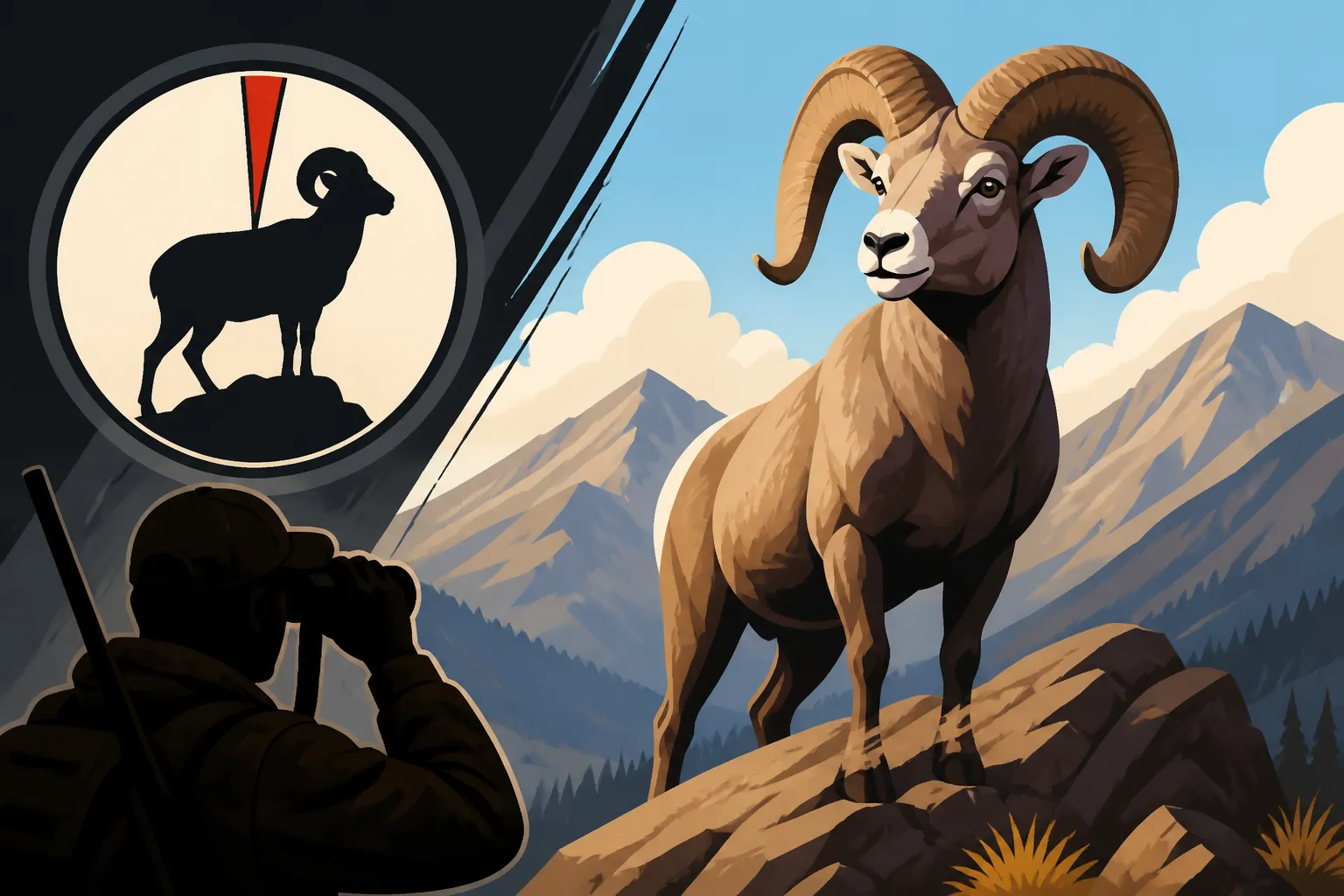
One of the most critical ethical and legal considerations for ram hunters is the ram curl requirement. To ensure that rams have a chance to reach mature breeding age and to protect the long-term health of the herd, Wyoming has specific regulations regarding what constitutes a legal ram. Generally, a legal ram must have a horn that is "full curl" or "four-fifths curl," meaning the tip of the horn must break the plane of the eye when viewed from the side, or reach a certain length or age. This regulation prevents the harvest of younger, less mature rams, allowing them to contribute genetically to the herd.
Learning to accurately field judge a ram's curl is an essential skill that takes practice and a keen eye, often under challenging conditions with animals at great distances. It's not always as straightforward as it sounds, especially with varying horn configurations and light conditions. Misjudging a ram can lead to legal penalties, but more importantly, it goes against the conservation principles that underpin sheep hunting. Resources, often found on platforms like GoHunt, provide excellent visual guides and tips for field judging. Hunters are encouraged to spend time practicing with optics on rams and even other horned animals to hone this skill well before the hunt. Understanding The Ram Curl Requirement Explained is not just a legal necessity, but an ethical obligation to the resource.
Wildlife Diseases and Hunter Contributions
Bighorn sheep populations are incredibly vulnerable to various diseases, with pneumonia (Mycoplasma ovipneumoniae) being the most significant threat. This disease, often transmitted from domestic sheep, can devastate entire bighorn herds, particularly lambs, and cause long-term population declines. Hunters play a crucial role in disease monitoring and prevention. If you're fortunate enough to draw a tag, you become an extra set of eyes on the ground, observing the health of the herd.
It is imperative to report any signs of sick or dead sheep you encounter to the Wyoming Game and Fish Department. Proper carcass handling and disposal are also vital to prevent the spread of pathogens. Hunters are often required to submit tissue samples from harvested animals for disease testing. By participating in these efforts, hunters contribute directly to the scientific understanding and conservation of bighorn sheep. This partnership between hunters and wildlife management agencies is fundamental to the continued existence of these incredible animals. While Chronic Wasting Disease (CWD) is a concern for deer and elk, pneumonia remains the primary disease threat for bighorn sheep in Wyoming.
Why Sheep is a Once-in-a-Lifetime License
The "once-in-a-lifetime" designation for a Wyoming bighorn sheep license (for rams) underscores the extreme rarity and conservation value of this species. This rule means that once you successfully harvest a bighorn ram in Wyoming, you are no longer eligible to draw another full-price ram tag in the state. This regulation is in place to distribute the incredibly limited opportunity among as many hunters as possible, ensuring that more individuals get a chance to experience this unique hunt. It also reflects the deep reverence held for these animals and the desire to manage them for sustained population health.
While you might be able to apply for ewe tags in the future, the thrill of drawing and pursuing a legal ram is a singular event for most hunters in Wyoming. This makes the drawn tag even more precious and the hunt itself imbued with a profound sense of significance. It's not just about taking an animal; it's about honoring the opportunity, the animal, and the wilderness it calls home. The once-in-a-lifetime rule reinforces the idea that this is an extraordinary privilege, not a repeatable right, further elevating the stature of the Wyoming bighorn sheep hunt as one of the ultimate achievements in North American big game hunting. Understanding Why Sheep Is a Once-in-a-Lifetime License in Wyoming truly puts the magnitude of the opportunity into perspective.
| Species | Wyoming Draw System | Typical Nonresident Tag Allocation | Approximate Nonresident Odds (with points) |
|---|---|---|---|
| Bighorn Sheep | Weighted Preference Point (Bonus) | Extremely Low (often <10 statewide) | <1% |
| Mule Deer | Preference Point (75/25 Split) | Variable, depending on unit | 5-30% (unit dependent, with points) |
| Elk | Preference Point (75/25 Split) | Variable, depending on unit | 10-50% (unit dependent, with points) |
| Antelope | Preference Point (75/25 Split) | Relatively good | 30-100% (unit dependent, with points) |
Disclaimer
The information provided in this guide is for general informational purposes only and is not intended as legal advice. Hunting regulations, season dates, and draw odds in Wyoming are subject to change annually. It is the responsibility of every hunter to consult the most current official Wyoming Game and Fish Department regulations, available on their website, before applying for licenses or heading into the field. While every effort has been made to ensure accuracy, the complexities of hunting regulations necessitate referring to the authoritative source.