Hunting Rules for the Popo Agie Wilderness
Venturing into Wyoming's wild country for a hunt is a dream for many, but when that dream takes you into a designated wilderness area like the stunning Popo Agie, the rules can suddenly feel a lot less wild and a lot more, well, regulated. It's easy to get overwhelmed trying to decipher what's allowed and what's not when you're seeking that truly remote experience. This guide will walk you through the essential hunting rules and considerations specific to the Popo Agie Wilderness, helping you prepare for an unforgettable and compliant hunt.
Understanding the Popo Agie Wilderness
The Popo Agie Wilderness, nestled within the Shoshone National Forest and sharing a border with the formidable Wind River Indian Reservation, offers some of the most spectacular, rugged, and challenging hunting grounds in Wyoming. It's a place of towering peaks, alpine lakes, dense timber, and vast open basins, but its designation as a wilderness area means a different set of rules applies compared to other public lands you might hunt. This isn't just a big tract of forest; it's a place managed for its pristine, untrammeled character, and that philosophy dictates nearly every aspect of what you can and cannot do.
Imagine you've drawn that coveted bull elk tag, or perhaps a mule deer tag for an area adjacent to the wilderness boundary, and you’re contemplating pushing deep into that untouched country. The allure is immense: fewer people, bigger animals, and the profound satisfaction of a truly remote hunt. But that remote experience comes with a responsibility to understand and respect the specific tenets of wilderness preservation. Getting it wrong can lead to fines, citations, and the immediate end of your hunt, not to mention a lasting negative impact on access for future generations.
The Purpose of Wilderness Designation
The very foundation of the Popo Agie's regulations stems from its designation under the Wilderness Act. This isn't just about pretty scenery; it's about preserving an area where human impact is minimal, where natural processes dominate, and where solitude and primitive recreation are paramount. Think of it as a pristine laboratory, a place where nature takes the lead and we, as visitors, tread lightly.
This deep philosophical commitment means rules aren't just arbitrary roadblocks. They are designed to ensure that the wilderness remains "untrammeled by man," offering an opportunity for a true backcountry experience. For hunters, this translates into restrictions on mechanized travel, permanent structures, and any activities that would compromise the wilderness character. It's a trade-off: unparalleled solitude and pristine conditions in exchange for strict adherence to a specific set of rules. This is why tools like onX Hunt are so valuable; they help you visualize these boundaries and understand the implications for your travel and hunting strategy.
Geographical Context of Popo Agie
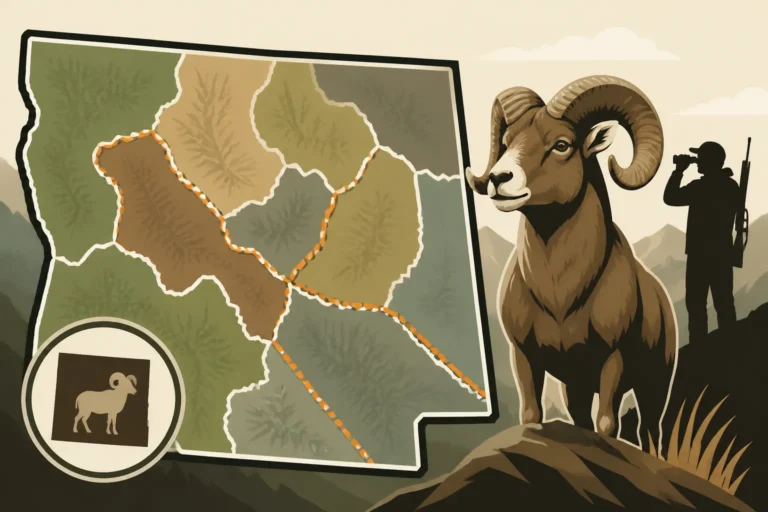
The Popo Agie Wilderness is a substantial area, encompassing over 100,000 acres primarily within the Shoshone National Forest. Its eastern boundary often borders private lands and national forest lands that aren't designated wilderness, while its western boundary abuts the Wind River Indian Reservation. This complex tapestry of land ownership and management designations means that knowing exactly where you are at all times is absolutely critical.
Access points are typically trailheads on the fringes of the wilderness, requiring a significant hike or pack trip to get into the heart of hunting country. This physical barrier is part of the wilderness experience, intended to filter out those seeking easy access and enhance the sense of solitude. Understanding the specific Access Points Into the Wind River Range or other wilderness areas can give you a head start on planning. Because the Popo Agie is within the Shoshone National Forest, you'll want to be familiar with general forest service regulations in addition to the wilderness-specific ones.
Nonresident Guide Requirements in Wyoming Wilderness
This is often the biggest hurdle for non-resident hunters dreaming of a DIY wilderness experience in Wyoming. The state has a specific law that can catch many by surprise: if you're not a Wyoming resident, and you want to hunt big game in a designated wilderness area, you generally need to employ a licensed professional guide or be accompanied by a resident guide. This isn't a suggestion; it's a legal requirement designed to ensure safety, promote ethical hunting practices, and protect the wilderness resource.
The intent behind this rule is multifold. Wilderness areas are inherently challenging: navigation can be tricky, weather unpredictable, and game recovery can be grueling. Professional guides are expected to possess the skills, knowledge, and equipment to navigate these challenges safely and minimize impact. For nonresidents, who may be less familiar with the terrain and the nuances of Wyoming hunting, this provides a layer of protection and ensures a more responsible approach to wilderness hunting. It also addresses concerns about search and rescue operations, which can be immensely complicated and costly in remote wilderness.
When a Guide is Required
The core of the law is quite clear: if you are a nonresident hunter pursuing big game (elk, deer, moose, bighorn sheep, mountain goat, bear, or mountain lion) within the boundaries of a federally designated wilderness area, you must have a licensed professional guide or a Wyoming resident acting as a guide. This applies to the Popo Agie Wilderness without exception. This means that exciting Elk Hunting the Wind River Wilderness or Moose Hunts Inside Designated Wilderness Areas would fall under this requirement.
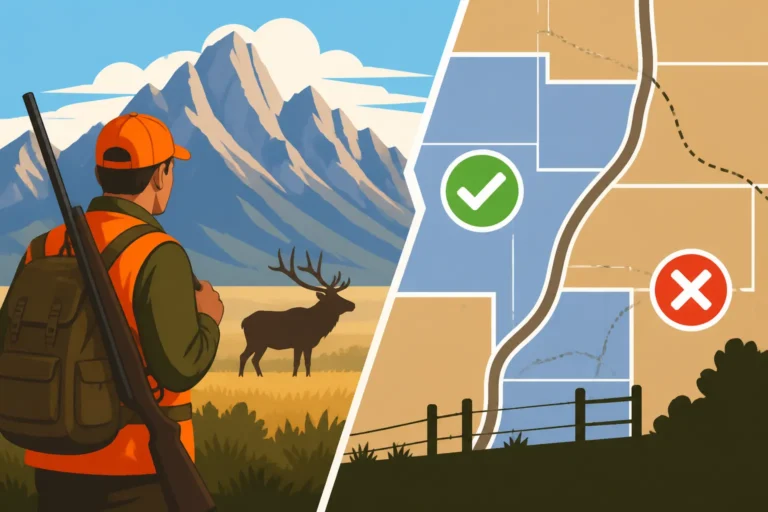
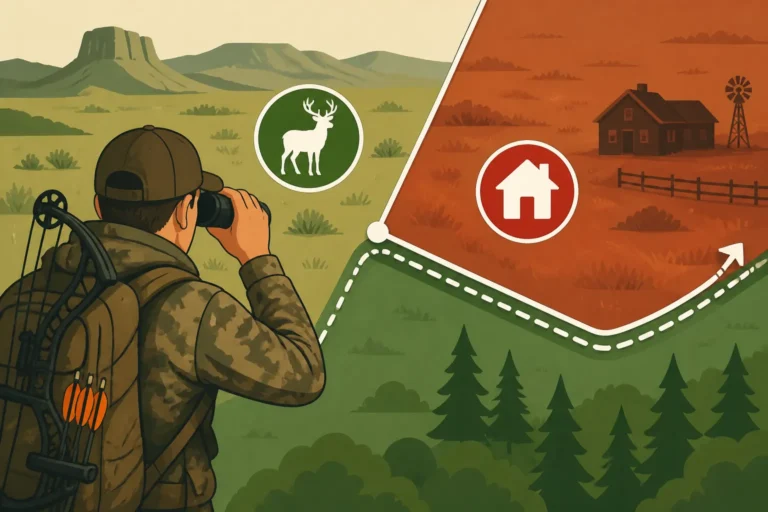
It's important to understand that "within the boundaries" means just that. If you are hunting on national forest land adjacent to the wilderness boundary, but not inside the wilderness itself, the nonresident guide requirement does not apply. However, stepping even a few yards across that line without the proper accompaniment could put you in violation of the law. This is where a mapping application like onX Hunt becomes invaluable for accurately defining your position relative to wilderness boundaries. Don't rely on a general sense of where you are; know your exact coordinates.
Exceptions to the Guide Rule
While the guide rule is strict, there are a few important exceptions that every nonresident should be aware of, though they are quite specific:
- Direct Family Member Resident Guide: If you are a nonresident and are hunting with a direct family member who is a resident of Wyoming and possesses a valid hunting license for the current season, that resident family member can act as your guide. The direct family member must be at least 18 years old and must complete a "Resident Outfitter/Guide Affidavit" with the Wyoming Game and Fish Department before the hunt. This affidavit essentially states that they meet the criteria and are taking responsibility for guiding you.
- Private Landowner or Lessee: If you are hunting on private land that happens to be surrounded by or adjacent to a wilderness area, and you have legitimate permission from the landowner or lessee, the wilderness guide rule generally does not apply as long as you remain on the private land. However, if you step off that private land onto designated wilderness to pursue game, the rule kicks back in. This can get complicated, so always err on the side of caution.
- Owner or Lessee of Livestock Grazing Permits: This is a very niche exception for those who own or lease livestock grazing permits within a wilderness area and are hunting on their permitted lands. This doesn't apply to most recreational hunters.
It's absolutely vital that you clarify if any of these exceptions apply to your situation and ensure all paperwork, like the Resident Outfitter/Guide Affidavit, is properly filed well in advance of your hunt. Remember, your resident friend cannot simply decide to guide you; they must meet the criteria outlined in Can a Resident Friend Guide You Legally? and The Resident Guide Affidavit Must Name specific details.
What if You Don't Have a Guide?
Ignoring the nonresident guide requirement is a serious offense in Wyoming. If you are caught hunting big game in the Popo Agie Wilderness as a nonresident without a licensed guide or a qualified resident guide, you could face significant penalties. These typically include substantial fines, confiscation of game and equipment, and the loss of hunting privileges in Wyoming for a period of years. It's simply not worth the risk.
For many nonresidents, the cost of a professional outfitter can be a barrier. A fully guided wilderness hunt is an investment, but it's an investment in a legal, safe, and often more successful experience. If the cost is prohibitive, consider other hunt areas outside of designated wilderness, or explore semi-guided options that provide some support without the full daily guiding fee. Understanding What a Guided Wyoming Elk Hunt Costs or Drop Camp Against Fully Guided options can help you budget and plan accordingly.
Wilderness Travel and Camp Regulations
Beyond the guide requirements, the Popo Agie Wilderness imposes strict rules on how you can travel and set up camp. These regulations are designed to minimize human impact on the fragile ecosystem and preserve the sense of solitude for all visitors. This means leaving no trace, traveling by primitive means, and being acutely aware of your presence in the landscape.
The beauty of wilderness is its untamed nature, but that also means you are responsible for everything you bring in and out. There are no trash cans, no designated campsites with amenities, and often, no readily apparent trails in the deeper reaches. Preparation is key, and adhering to these rules is not just about compliance, but about respecting the very essence of the place you've chosen to hunt.
Motorized and Mechanized Travel Limits
This is arguably the most fundamental rule of wilderness areas: no motorized vehicles and no mechanized travel. This isn't just cars and ATVs; it extends to mountain bikes, hang gliders, and even game carts that have wheels. The idea is to experience the wilderness under your own power or with the assistance of pack stock. These Motorized Limits Inside Wyoming Wilderness are strictly enforced.
What does this mean for hunters?
- Foot Travel Only: Once you cross into the wilderness boundary, your feet are your primary mode of transportation. This demands physical fitness and realistic expectations about how far you can travel in a day, especially with hunting gear.
- No ATVs or Dirt Bikes: You cannot use these to retrieve game or scout within the wilderness. They can only be used on designated trails or roads outside the wilderness boundary.
- No E-bikes: While legal in some areas, e-bikes are considered mechanized and are therefore prohibited in wilderness.
- Game Carts: While handy on non-wilderness trails, wheeled game carts are not allowed for retrieving game from within the Popo Agie Wilderness. You'll need to pack out your animal on your back, with pack frames, or using pack stock.
This restriction is a major factor in planning your hunt. If you tag an elk miles deep, you need to have a plan for how you'll get it out. This might involve multiple trips on foot, or coordinating with a packer and their horses or mules.
Pack Stock Regulations
Horses and mules are generally permitted in the Popo Agie Wilderness, and they are invaluable tools for hunters looking to go deep and bring out significant amounts of meat and gear. However, even with pack stock, there are regulations to follow to minimize impact. These Pack Stock Rules Inside Wilderness Areas are important for maintaining the health of the trails and vegetation.
- Weed-Free Feed: If you're bringing in hay or other supplemental feed for your stock, it must be certified weed-free. This prevents the introduction of invasive plant species that can outcompete native vegetation and disrupt the ecosystem.
- Camp Locations: Be mindful of where you tether your stock and set up your camp. Avoid tying animals directly to trees for long periods, as this can damage bark and compact soil. Consider high-lining or portable corrals to distribute impact.
- Trail Etiquette: Stock users are expected to yield to hikers on trails, and to minimize impacts to trails themselves. Avoid riding off-trail where possible to prevent creating new, unauthorized routes.
Many hunters will hire a pack outfitter who specializes in wilderness trips. These professionals understand the nuances of stock management in these sensitive environments and can greatly reduce your logistical burden and environmental footprint.
Camping and "Leave No Trace" Principles
Camping in the Popo Agie Wilderness, like all wilderness areas, adheres strictly to "Leave No Trace" principles. This means your goal is to leave no physical evidence that you were ever there.
- Campsite Selection: Choose durable surfaces for your camp, away from water sources (at least 200 feet). Avoid creating new campsites; use existing, lightly impacted sites if available. In pristine areas, disperse your activities.
- Fires: While campfires may be allowed in some areas, especially at higher elevations, always check current fire restrictions. Use existing fire rings where possible, keep fires small, and ensure they are completely out and cold to the touch before leaving. Consider a portable stove for cooking to minimize fire impact.
- Waste Management: All trash must be packed out – every wrapper, every spent shell casing. This includes food scraps, which can attract wildlife and alter their natural behaviors. Human waste must be properly buried in catholes at least 6-8 inches deep and 200 feet from water, camp, and trails, or packed out using a WAG bag system, especially in high-use or sensitive areas.
- Water Sources: Filter or treat all water from natural sources. Do not wash dishes or yourself directly in lakes or streams; carry water away and use biodegradable soap sparingly.
- Quiet Hours/Behavior: Part of wilderness etiquette is preserving the solitude for others. Keep noise to a minimum, and avoid disruptive behavior. The quiet hum of nature should be the dominant sound.
Understanding and practicing Dispersed Camping on Wyoming BLM Ground and National Forest land will give you a good foundation, but wilderness regulations often require an even higher standard of care and responsibility.
Hunting Specifics Within Popo Agie
Beyond the general wilderness rules, hunting in the Popo Agie involves adherence to standard Wyoming game and fish regulations. While the wilderness designation doesn't change species-specific rules or season dates, it impacts how you can pursue game within that unique environment. It reinforces the idea of fair chase and a more primitive hunting experience.
Consider the challenge: you're hunting in extremely rugged country, often at high elevation, with no motorized support, and potentially a guide requirement. This isn't a casual hunt; it's an expedition that demands preparation, physical conditioning, and a deep respect for the land and the animals.
Seasons and Species
The Popo Agie Wilderness falls within specific Wyoming Game and Fish hunt areas. You need to consult the current year's hunting regulations for the exact area you plan to hunt to determine season dates, legal weapons, and species available. For example, specific Wyoming Elk Season Dates Are Set Hunt Area by Hunt Area and Wyoming's Regular Deer Season Openers by Area will apply to the specific hunt unit that overlaps the wilderness.
Common big game species pursued here include elk, mule deer, and occasionally moose, bighorn sheep, or bear, depending on the hunt area and tag availability. Tags for species like moose and bighorn sheep are extremely difficult to draw, often requiring many years of How Many Years It Takes to Draw Wyoming Moose or pure luck in the Bighorn Sheep Random Draw Odds Explained.
Remember that the wilderness designation itself doesn't alter the game species available or the legal definitions of those species. It merely adds a layer of regulatory complexity to the method of hunting them.
Weapon Restrictions and Limitations
Standard Wyoming weapon restrictions apply in the Popo Agie, meaning legal firearms, bows, and muzzleloaders are permitted during their respective seasons. However, the application of these rules within a wilderness context adds some practical considerations:
- Firearms: All hunters must adhere to the Wyoming Legal Firearm List for Big Game including minimum calibers and ammunition types. Carrying a large, heavy rifle might be fine on a ranch hunt, but packing it deep into the wilderness adds significant weight and bulk to an already strenuous trip.
- Archery: Bowhunters must meet Wyoming Sets Bow Draw Weight at 40 Pounds, 50 for Elk and broadhead requirements like The Minimum Cutting Width a Broadhead Must Make. The challenge of an archery hunt is amplified in wilderness due to the need for stealth and close proximity to game.
- Muzzleloaders: If hunting with a muzzleloader, remember the Minimum Muzzleloader Caliber for Wyoming Big Game and powder charge requirements. The limited range and single-shot nature of a muzzleloader align well with the primitive experience of wilderness hunting.
- Suppressors and Lighted Nocks: It's worth noting that Suppressors and Lighted Nocks: What Wyoming Permits are generally allowed, even in wilderness, as they don't impact the primitive travel or camping aspects of the experience.
One crucial point often overlooked is the restriction on electronic calls. Where Electronic Calls Are Legal for Big Game is very specific; generally, electronic calls for big game are not allowed in Wyoming, which includes wilderness areas. This reinforces the fair chase aspect of hunting these animals.
Game Retrieval and Processing
Retrieving game from the Popo Agie Wilderness is perhaps the most physically demanding aspect of a wilderness hunt. As noted, no mechanized retrieval is permitted.
- Physical Strength: You must be prepared to quarter an animal and pack it out on your back, potentially over several miles of rugged terrain. This requires significant physical fitness and stamina.
- Pack Stock: Many hunters opt to bring pack horses or mules, or hire a pack outfitter, to assist with game retrieval. This is a highly efficient way to move meat and trophy antlers. If you're using stock, ensure you're following all stock regulations, especially regarding weed-free feed.
- Meat Salvage and Tagging: You must immediately tag your downed animal and adhere to The Meat Salvage Requirements for Big Game and Field Dressing and Carcass Transport Rules Explained. This means taking all edible meat, not just the trophy. Waste is not only unethical but illegal under Wyoming's Wanton Waste Rules Every Wyoming Hunter Should Know.
For any hunter, especially those considering the Popo Agie, meticulous planning for game retrieval is as important as the hunt itself. Overlooking this detail can turn a successful hunt into a desperate struggle, or worse, lead to wasted meat and a violation of regulations.
Planning Your Popo Agie Hunt
Hunting in the Popo Agie Wilderness is an extraordinary undertaking that requires extensive planning, preparation, and a deep understanding of the rules. It's not a hunt to be taken lightly, but for those willing to put in the effort, it offers an unparalleled backcountry experience.
Essential Gear and Preparation
Because of the remote nature and lack of amenities, your gear choices are critical.
- Navigation: Reliable navigation is paramount. A GPS device loaded with mapping software (like onX Hunt) is indispensable for understanding your exact location relative to wilderness boundaries, private land, and the Wind River Reservation. Always carry a physical map and compass as a backup, and know how to use them.
- Physical Fitness: This cannot be overstated. You'll be hiking at elevation, often with heavy packs, over uneven terrain. Start a rigorous conditioning program months in advance.
- Shelter and Sleep System: Lightweight, durable, and weather-appropriate tents, sleeping bags, and pads are essential. Weather in the mountains can change drastically and quickly.
- Food and Water: Pack high-calorie, lightweight food. Carry sufficient water or a reliable water filter/purifier.
- First Aid and Emergency Gear: A comprehensive first-aid kit, satellite communication device (e.g., satellite phone, InReach), fire starter, headlamp, and emergency blanket are non-negotiable. Cell service will be nonexistent.
- Hunting Gear: Optics (binoculars, spotting scope, rangefinder), appropriate weapon, ammunition/arrows, field dressing kit, game bags, and a sturdy pack frame for hauling meat. For guidance on optics, consider Optics Power for Wyoming's Long Sightlines.
Researching Hunt Areas and Regulations
Before you even apply for a tag, dive deep into the specific hunt areas that overlap or border the Popo Agie Wilderness. Resources like GoHunt can provide valuable draw odds, harvest statistics, and unit information to help you strategize.
- Wyoming Game & Fish Department: This is your primary source for official regulations, season dates, and hunt area maps. Always consult the most current regulation booklets. You can often find Where the Current Wyoming Regulations Are Posted online.
- Forest Service Maps: Obtain detailed topographic maps for the Shoshone National Forest that show wilderness boundaries, trails, and terrain.
- Online Mapping Tools: Utilize digital mapping tools like onX Hunt to overlay public land, wilderness boundaries, and private land. This is invaluable for scouting and in-field navigation.
- Hunt Planner: The A Walkthrough of the Wyoming Hunt Planner tool can help visualize unit boundaries and access points.
Remember, rules change. Always verify current regulations for the year you intend to hunt.
Respecting the Wilderness Ethic
Ultimately, hunting in the Popo Agie Wilderness is about more than just following rules; it's about embracing a wilderness ethic. It's about a commitment to solitude, minimal impact, and a profound respect for the natural world. This means:
- Self-Reliance: Be prepared to be completely self-sufficient. Rescue services in wilderness are complex and can be hours or days away.
- Minimizing Your Footprint: Practice Leave No Trace principles meticulously. Pack out everything you pack in, and leave campsites as if you were never there.
- Respecting Wildlife: Hunt ethically and responsibly. Know your limits and your weapon's capabilities. Make clean kills and ensure full meat salvage.
- Preserving Solitude: Help maintain the wilderness experience for others. Keep noise levels down, avoid large groups, and choose camp spots that aren't visible from trails or other campsites.
A successful hunt in the Popo Agie isn't just about tagging an animal; it's about the journey, the challenge, and leaving the wild, remote landscape as pristine as you found it.
| Rule Category | General Wyoming Hunting | Popo Agie Wilderness Hunting | Key Considerations |
|---|---|---|---|
| Nonresident Guide | Not generally required | Required for Big Game | Exceptions for resident family members (with affidavit). |
| Motorized Travel | Permitted on designated roads/trails | Prohibited | Foot travel or pack stock only. No ATVs, e-bikes, game carts. |
| Mechanized Travel | Permitted on some trails (e.g., mountain bikes) | Prohibited | Foot travel or pack stock only. |
| Pack Stock Feed | No specific requirements (check local fire restrictions) | Certified Weed-Free Required | Prevents spread of invasive species. |
| Campsites | Varies by land agency | Leave No Trace Principles | Disperse camps, 200 ft from water, pack out all waste. |
| Electronic Calls | Generally prohibited for big game | Prohibited for Big Game | Reinforces fair chase principles. |
| Game Retrieval | Various methods, including vehicles on roads | Manual or Pack Stock Only | Requires significant physical effort or professional help. |
| Physical Demands | Varies | Extremely High | High elevation, rugged terrain, self-reliance. |
Disclaimer
This article is for general informational purposes only and does not constitute professional advice. Laws, prices and regulations vary by location and change over time. Consult a qualified professional for guidance on your specific situation.